Trophy Bass Threshold Weight in Arizona
Many anglers dream of catching that "once-in-a-lifetime" fish, but in Arizona, defining what truly makes a bass a "trophy" can feel a bit like chasing a desert mirage. It's not just about luck; it's about understanding what our unique desert fisheries offer and the challenges involved in targeting those truly exceptional specimens. This guide will cut through the guesswork, helping you understand the real-world threshold weights for trophy bass in Arizona, the factors that create these giants, and where you might just find your next personal best.
Defining a Trophy Bass in the Grand Canyon State
When you talk about a "trophy" bass, the image in everyone's mind is usually different. For a seasoned pro, it might be a double-digit behemoth. For a beginner, a 3-pounder could be the fish of a lifetime. In Arizona, given our unique environment and the species we have, "trophy" has a specific, attainable meaning, even if it's still a significant challenge.
The Official AZGFD Record Book vs. Angler Perception
Let's be clear: the Arizona Game and Fish Department (AZGFD) record book showcases fish that are, frankly, in a league of their own. These are historical giants, often caught decades ago under different conditions, representing the absolute pinnacle of what a species can achieve in our state. While every angler dreams of breaking a state record, for most of us, a "trophy" is a personal best that stands out significantly from the average catches. It's a fish that makes your heart pound, your hands shake, and leaves you with a story you'll tell for years. It's that moment when you realize you've truly connected with a magnificent creature of the deep. You can explore the Arizona State Fishing Records Explained for more details on those legendary catches.
Common Trophy Thresholds for Largemouth Bass
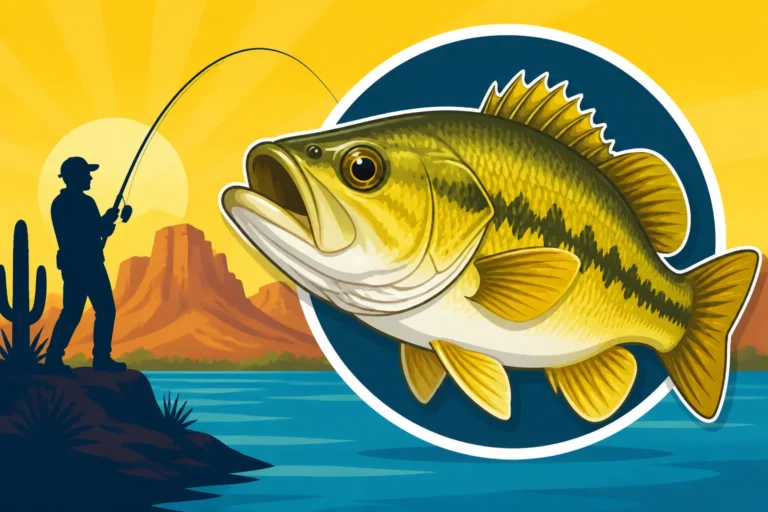
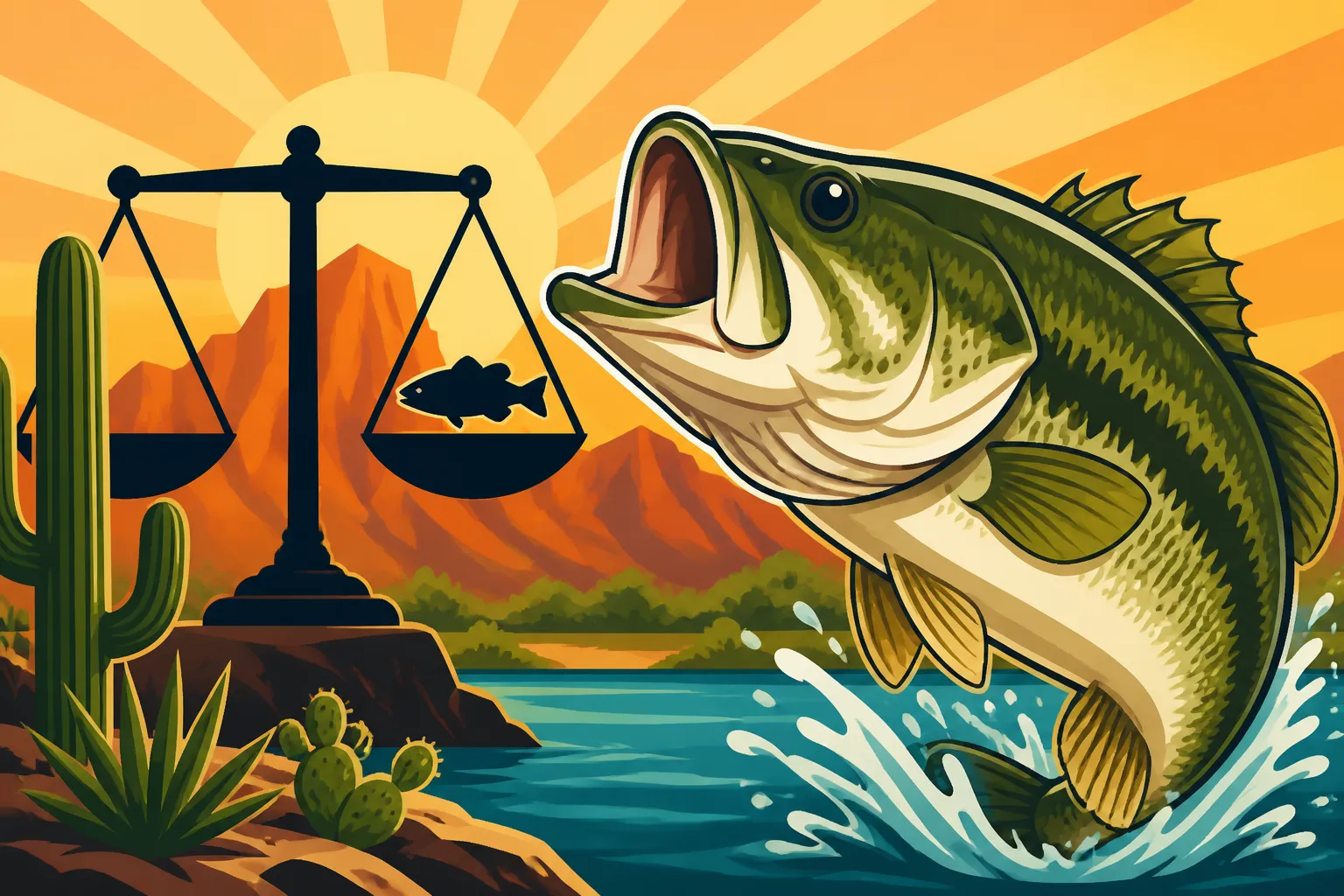
For largemouth bass, the undisputed king of popularity in Arizona, the "trophy" threshold really starts to climb past what most people catch on a regular basis. Many anglers are thrilled with a 2 to 3-pound bass, and rightfully so – they put up a fantastic fight! However, for a true trophy:
- 5-7 pounds: This is where you enter the "really good fish" category. A 5-pound largemouth is a solid, healthy specimen that will give you a memorable battle. If you're consistently catching bass in this range, you're doing something right and fishing some productive waters. It's the kind of fish that makes you proud to pose for a quick photo before a careful release.
- 8-9 pounds: Now we're talking about a legitimate trophy. An 8-pound largemouth in Arizona is an exceptional catch. These fish are few and far between, demanding specific techniques, perfect timing, and often a bit of luck. Landing one of these will put a huge grin on your face and likely make all your fishing buddies jealous. They represent years of growth and survival in our challenging desert environments.
- 10+ pounds: This is the realm of the true giants, the "fish of a lifetime" for most Arizona anglers. A double-digit largemouth is incredibly rare and is often the result of dedicated pursuit, deep knowledge of specific lake patterns, and hitting all the right conditions. These fish have likely seen many lures and avoided many hooks, making their capture even more special. Catching a 10-pounder in Arizona is the dream that keeps many of us going, day in and day out.
What Makes a Smallmouth Bass a Trophy in Arizona
Smallmouth bass, while incredibly feisty and a blast to catch, generally don't reach the same titanic sizes as their largemouth cousins. Their preferred rocky, clear water habitats, particularly in places like Lake Powell, foster a different growth curve. So, the trophy threshold for smallmouth is a bit lower, but no less impressive:
- 3 pounds: A 3-pound smallmouth is an excellent fish anywhere, and definitely a great catch in Arizona. They fight incredibly hard for their size, making every hook-up an exciting experience. These bronze bombers are a testament to the health of the fishery.
- 4 pounds: This is where the smallmouth enters trophy territory for many. A 4-pound smallmouth is a brute, a thick-bodied fish that will put your gear to the test. These are truly special catches that highlight the quality of Arizona's smallmouth fisheries.
- 5+ pounds: Anything over 5 pounds for a smallmouth bass in Arizona is a genuine monster, an absolute giant in its class. These are highly sought-after fish, often found in specific deep-water or canyon environments, and they command respect. Landing a 5-pound smallmouth here is a monumental achievement and proof that you've mastered the art of targeting these powerful fish.
Factors Influencing Trophy Potential in Arizona Waters
You don't just find trophy bass anywhere; certain conditions have to align to allow these fish to grow to such impressive sizes. Arizona's desert lakes, while often challenging, can provide some of these ideal circumstances, leading to some truly massive fish.
Rich Forage Bases and Lake Productivity
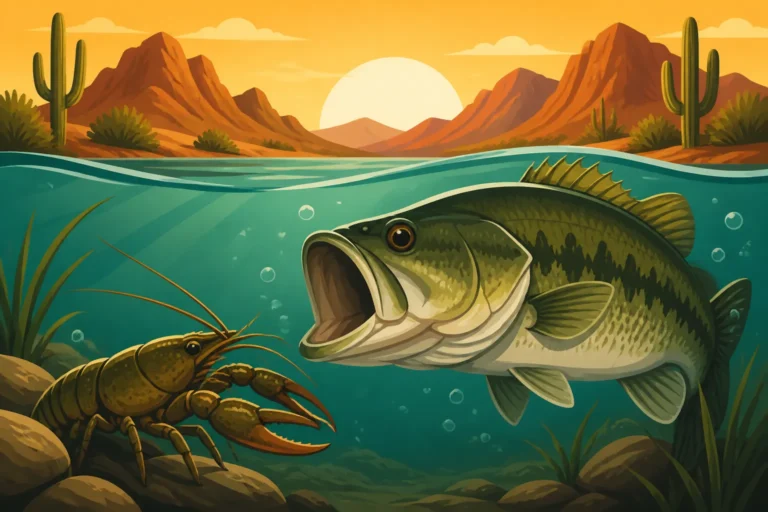
The old adage "you are what you eat" holds especially true for fish. For a bass to grow big, it needs a consistent and abundant food supply. Arizona's premier bass lakes are often teeming with forage species like threadfin shad, gizzard shad, crawfish, and various sunfish. Lakes with stable populations of these baitfish allow bass to feed heavily, packing on pounds rapidly.
Consider a lake like Roosevelt, known for its incredible shad blooms. When the shad are schooling, bass can gorge themselves, converting that protein into impressive growth. Same goes for crawfish-rich environments, which provide a high-energy diet. The more productive a lake is in terms of its food web, the higher the likelihood of finding bigger, healthier bass. Many anglers looking for new gear to handle these big fish will often browse on Amazon for the latest in heavy-duty rods and reels.
Water Temperatures and Growing Seasons
Arizona offers a distinct advantage for bass growth: a long, warm growing season. Unlike colder climates where bass might only actively feed and grow for 6-8 months out of the year, our desert lakes provide an extended period of optimal temperatures. This means bass can feed and metabolize efficiently for a greater portion of the year, accelerating their growth rates.
However, this isn't without its challenges. Extreme summer heat can push fish deep or make them lethargic during the brightest parts of the day. But during the spring and fall, and even milder winter days, the bass in Arizona are often active and feeding. This sustained feeding window is crucial for developing trophy-sized fish.
Age, Genetics, and Angler Pressure
Just like any species, older fish tend to be larger fish. A bass needs years to reach trophy proportions. This means they've successfully avoided predators, disease, and, most importantly for us, other anglers. Genetics also play a subtle role; some bass are simply predisposed to grow larger and faster than others.
Angler pressure is a significant factor. In heavily fished lakes, even if there are big bass, they often become more wary, harder to catch, and might not reach their full potential if they're constantly being caught and released (though responsible catch-and-release is vital for sustaining trophy fisheries!). Lakes with varied structure, deep water, and less accessible areas can sometimes hold unpressured giants who have had the luxury of growing undisturbed for many seasons. Protecting these older, larger fish through careful handling and release is paramount for the future of trophy fishing. Catch and Release Rules for Arizona Anglers outlines important guidelines for ensuring these big fish survive.
Where to Find Arizona's Biggest Bass
Okay, so you understand what makes a trophy and what helps them grow. Now, where do you actually go to tangle with one of these giants? Arizona has several renowned lakes that consistently produce big bass, each with its own unique characteristics.
Top Largemouth Trophy Lakes
If a double-digit largemouth is your dream, these are the places you need to spend your time:
- Roosevelt Lake: Often considered Arizona's premier big bass factory, Roosevelt Lake consistently produces numbers of hefty largemouth. Its vast size, diverse structure (including standing timber, submerged humps, and deep creek channels), and rich forage base make it ideal. Target the Tonto and Salt River arms, especially during the spring spawn or when shad boils are active. Fishing during the cooler months can also yield massive fish as they move onto deep structure. You can dive deeper into this lake with our Roosevelt Lake Arizona Fishing Guide.
- Lake Pleasant: Located closer to Phoenix, Lake Pleasant is another exceptional trophy largemouth fishery. It's known for its clear waters, deep canyons, and extensive submerged brush and rock piles. The bass here tend to be very healthy, often gorging on threadfin shad. Focus on creek channels, main lake points, and deep structure, especially offshore. Summer night fishing can also be incredibly productive for big bass at Lake Pleasant. Check out our Lake Pleasant Arizona Fishing Guide for more insights.
- Apache Lake: Part of the stunning Salt River chain, Apache Lake is a rugged, canyon-bound lake that holds some truly massive largemouth. Its steep walls, rock slides, and heavy cover make it a challenging but rewarding fishery. The fish here are often ambush predators, hiding in the shadows and caves. Big swimbaits and deep crankbaits can entice these reclusive giants.
- Canyon Lake: Also on the Salt River chain, Canyon Lake is another picturesque and productive lake for big bass. Similar to Apache, it's characterized by deep, clear water and steep canyon walls. It offers fantastic opportunities for sight fishing during the spawn and excellent deep-water structure fishing year-round. Don't overlook pitching jigs or heavy Texas-rigged plastics into the abundant shoreline cover.
Prime Smallmouth Bass Hotspots
While largemouth get most of the attention for sheer size, if you're chasing a true trophy smallmouth, there's one place that stands head and shoulders above the rest:
- Lake Powell: Spanning the Arizona-Utah border, Lake Powell is a legendary smallmouth fishery. Its endless canyons, clear waters, and abundant rocky structure are perfect for these bronze battlers. Smallmouth here grow to impressive sizes, with 4-5 pounders being relatively common for dedicated anglers. Focus on main lake points, submerged rock humps, and steep canyon walls. Drop-shotting, shaky heads, and small crankbaits are highly effective. For a comprehensive look, see our Lake Powell Arizona Fishing Guide.
Community Lakes and Hidden Gems
While the larger reservoirs are your best bet for truly massive bass, don't completely discount Arizona's community lakes. While a 10-pounder is extremely rare, these urban ponds can occasionally produce surprising 3-5 pound largemouth, especially if they are well-managed and have a good forage base. They're excellent places to hone your skills and you never know what might be lurking in those suburban waters! Just remember to check the specific regulations for each community lake, as they can sometimes differ from statewide rules.
Strategies for Landing Your Arizona Trophy Bass
Targeting trophy bass requires a different mindset and approach than simply going out to catch a lot of fish. It's about quality over quantity, and often, about doing things that are uncomfortable or less conventional.
Targeting Techniques for Large Bass
Big bass didn't get big by being foolish. They've learned to avoid smaller, more common presentations. To tempt a true trophy, you often need to go big or go home:
- Go Big with Baits: Larger bass prefer larger meals. Think big swimbaits (soft and hard), oversized jigs, magnum crankbaits, and even large plastic worms or creature baits. These baits mimic the substantial prey items that a big bass needs to sustain its weight. You can find a vast selection of these on Amazon.
- Focus on Deep Structure: Especially during hot summer months or cold winter periods, big bass often retreat to deeper, more stable waters. Look for submerged humps, deep rock piles, old creek channels, and standing timber that extends into deep water. Utilizing a good fish finder is crucial for locating these hidden havens.
- Heavy Cover Mastery: Big bass love heavy cover—think dense brush piles, submerged trees, thick cattails, and deep rock ledges. These areas offer both ambush points and protection. Don't be afraid to pitch or flip heavy jigs and Texas-rigged plastics into the nastiest stuff you can find. This is where a lot of average anglers shy away, and where the biggest fish hide. Our Best Bass Fishing Techniques for Arizona Lakes provides more detailed strategies.
- Night Fishing: In the scorching Arizona summer, many of the biggest bass become nocturnal. They come out of their deep-water haunts under the cover of darkness to feed. Large dark-colored jigs, spinnerbaits, and topwater lures can be incredibly effective after the sun goes down.
The Patience Game and Persistence
Trophy hunting is not for the faint of heart or the impatient. You might spend an entire day, or even several trips, without a single bite. But when that one bite comes, it will be unforgettable. It's a game of dedication, observation, and trusting your instincts. Pay attention to every detail: water temperature, wind direction, baitfish activity, and subtle changes in your retrieve. The best trophy hunters often spend countless hours scouting, studying maps, and experimenting with different presentations. Sometimes, it's about making just a few perfect casts in the right spot at the right time.
Gear Up for the Big Ones
Your standard ultralight combo might be fun for panfish, but it won't cut it for a legitimate trophy bass. You need gear that can handle the sheer power of a large fish, especially when it's trying to bury itself in heavy cover.
- Heavy Action Rods: A medium-heavy to heavy power rod is essential. This provides the backbone needed to set a large hook into a tough mouth and to steer a big fish away from snags. Look for rods with good sensitivity to detect subtle bites but plenty of power. You can often find excellent options on Amazon.
- Strong Reels: A sturdy baitcasting reel with a reliable drag system is usually preferred for targeting big bass, especially with heavier lines and lures. Ensure your reel has sufficient line capacity. Spinning reels can work for lighter applications, but for heavy cover and big fish, baitcasters are king. Our Best Fishing Rods for Bass in Arizona and Best Fishing Reels for Beginner Anglers in Arizona offer more specific advice.
- Heavy Line: Forget 8 or 10-pound test. For trophy bass, especially in cover, you'll want to spool up with 15-20 pound fluorocarbon or monofilament, or even 50-65 pound braided line. Braid offers incredible strength and sensitivity, and it's fantastic for punching through vegetation. Just be sure to tie a fluorocarbon leader for stealth in clear water.
Remember, every cast is an opportunity. When you finally connect with that trophy bass, the struggle and the eventual victory will make all the waiting and effort worthwhile. Keep learning, keep exploring, and keep dreaming big! Best Baits and Lures for Arizona Fishing will offer more ideas on what to tie on for your next outing.
Disclaimer
This article is for general informational purposes only and does not constitute professional advice. Laws, prices and regulations vary by location and change over time. Consult a qualified professional for guidance on your specific situation.