Crayfish as Bass Forage in Arizona Lakes
If you've ever found yourself scratching your head, wondering why the bass just aren't biting in your favorite Arizona lake, you might be overlooking one of their absolute favorite meals: crayfish. These crusty critters are a staple in the diet of Arizona's largemouth and smallmouth bass, and understanding their role can dramatically improve your fishing success. This guide will dive deep into why crayfish are so important to bass, where to find them, and how to mimic them to catch more fish.
The Indispensable Role of Crayfish in the Bass Diet
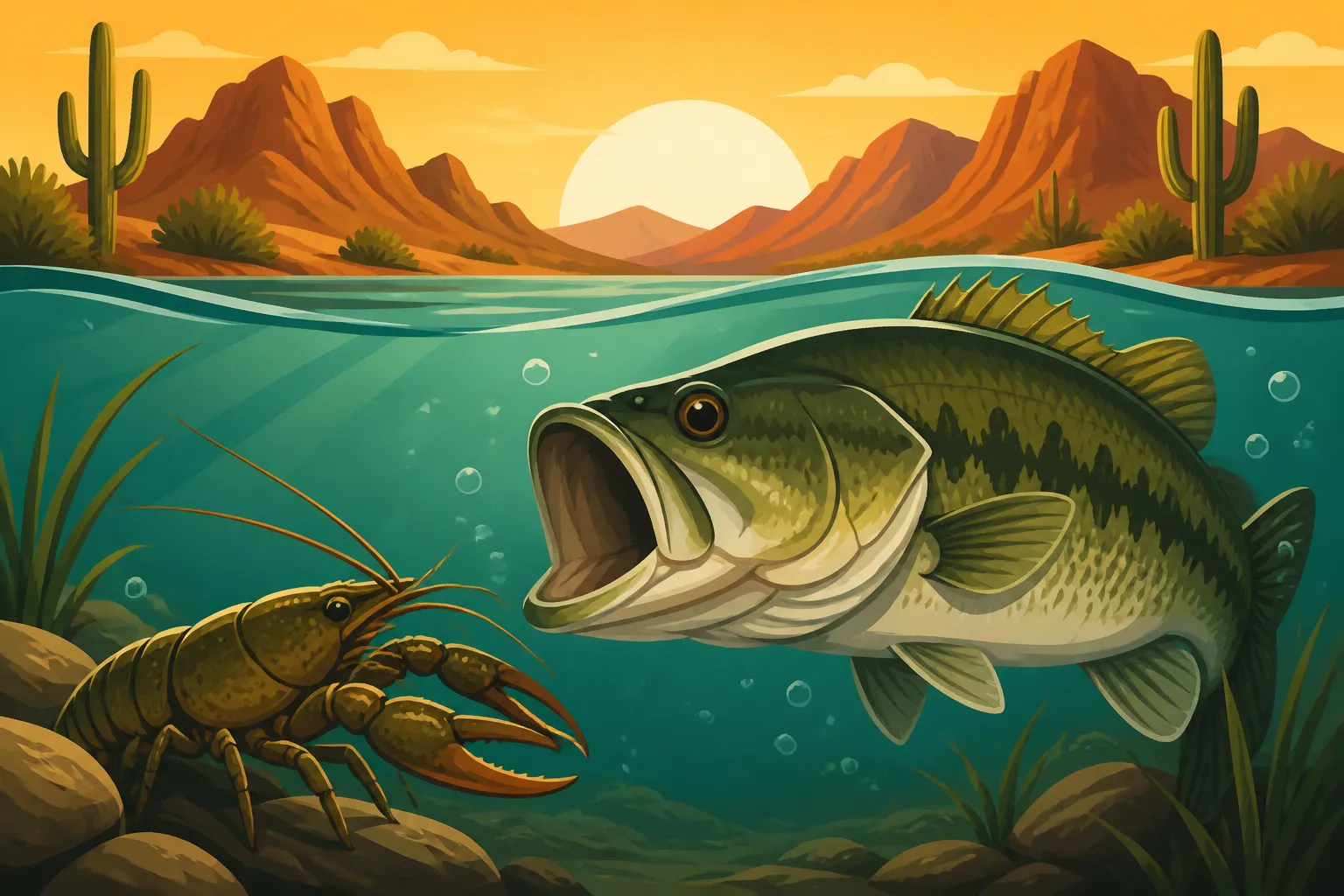
Bass, particularly the bigger ones, are opportunistic feeders, but they also have their preferences. In many Arizona lakes and rivers, crayfish aren't just a snack; they're a primary, high-protein food source that keeps bass healthy and growing. Think of it from a bass's perspective: a crayfish is a slow-moving, nutritious meal that doesn't put up much of a fight compared to a speedy shad.
Why Bass Love Crayfish So Much
Crayfish offer a potent combination of factors that make them irresistible to bass. First, they're abundant in many of Arizona's warmer waters, particularly those with rocky bottoms, submerged timber, or riprap where they can hide and thrive. This consistent availability means bass don't have to work too hard to find them. Second, crayfish are packed with protein, which is essential for a bass's growth and energy. When a bass gulps down a decent-sized crayfish, it's getting a substantial meal that fuels its predatory instincts.
Beyond nutrition, there's a certain "easy target" appeal. While a crayfish can pinch, it's generally not fast enough to escape a determined bass. This makes them a reliable food source, especially in seasons when other prey fish, like shad or sunfish, might be dispersed or less active. For both largemouth and Smallmouth Bass Fishing Guide for Arizona, these shelled morsels are simply too good to pass up.
Seasonal Importance of Crayfish as Forage
The importance of crayfish isn't static; it shifts with the seasons, but they remain a key player year-round. In spring, as water temperatures rise, crayfish become more active, emerging from their winter hiding spots. This coincides perfectly with the pre-spawn and spawning periods for bass, making crayfish a crucial energy source for these fish as they prepare to reproduce. Anglers targeting bass during this time often find great success using crayfish imitations near bedding areas.
During the scorching Arizona summer, when other baitfish might move to deeper, cooler water, crayfish often remain active in rocky shallows or around structure where bass can ambush them. Many bass will retreat to deeper water during the hottest parts of the day, but they still hunt for available food, and crayfish are often on the menu. Even in fall and winter, when bass metabolism slows down, a crayfish still represents a high-reward meal with less energy expenditure than chasing faster prey. Understanding Arizona Fishing Seasons Explained can further clarify when crayfish activity peaks and how bass respond.
Where and When Bass Hunt Crayfish in Arizona Lakes
Knowing that bass love crayfish is one thing, but knowing where and when they're most likely to be hunting them is the real game-changer. Arizona's desert lakes, with their varied underwater topography, offer prime habitat for these crusty critters, and by extension, for the bass that prey on them.
Prime Crayfish Habitats in Arizona Lakes
Crayfish aren't found just anywhere; they prefer specific environments that offer food, shelter, and suitable substrate for burrowing. In Arizona's reservoirs, you'll want to focus on areas that mimic these conditions.
- Rocky Banks and Riprap: This is a classic crayfish hotspot. The gaps and crevices between rocks provide excellent hiding places from predators, including bass, and protection from strong currents or wave action. Lakes like Lake Pleasant, with its extensive riprap shorelines and rocky points, are absolutely teeming with crayfish. Bass will cruise these areas, often very close to the bank, looking to pin a crayfish against a rock before devouring it.
- Submerged Timber and Brush Piles: While rocks are primary, crayfish also seek refuge in submerged wood. Old trees, stumps, and brush piles offer similar protection and foraging opportunities. Bass will often hang out around this structure, waiting for an unsuspecting crayfish to venture out. Fishing Around Submerged Timber is a technique many seasoned anglers employ because these areas are magnets for both prey and predator.
- Transition Areas: Don't overlook the seams where different types of bottom meet—for example, where a rocky point transitions into a sandy flat or a clay bank. These "transition zones" are often travel corridors for crayfish moving between feeding grounds and hiding spots, making them ambush points for hungry bass.
Best Times to Target Crayfish-Eating Bass
While bass will eat crayfish year-round, there are specific times when they are more actively foraging for them.
- Low Light Conditions: Like many prey species, crayfish are often more active during dawn, dusk, or even at night. This is when they feel safer venturing out from cover to feed. Coincidentally, these are also prime feeding times for bass. Early morning or late evening fishing can be incredibly productive for anglers using crayfish imitations, especially in clearer waters where bass rely more on sight. Night Fishing Techniques and Safety can be particularly effective for targeting bass that are actively hunting crayfish under the cover of darkness.
- Post-Rain and Muddy Water: After a good rain, especially during Arizona's monsoon season, runoff can stir up sediment and make the water murky. This often disorients crayfish, pushing them out of their hiding spots. The reduced visibility also makes it harder for them to see predators, presenting an easy meal for bass. Anglers who learn How to Fish Muddy Water After a Monsoon using crayfish-colored lures can often capitalize on this scenario.
- Water Temperature Changes: Crayfish activity is directly linked to water temperature. As water warms in spring, they become more active. Conversely, in the fall, as water cools, they may make a last push to fatten up before winter. Bass instinctively know these patterns and will adjust their feeding habits accordingly.
Mimicking Crayfish: Lures and Techniques for Success
If you want to tap into the bass's natural inclination to eat crayfish, you need to present something that looks and acts like one. The good news is that the tackle industry has provided anglers with an incredible array of lures designed specifically for this purpose.
Top Lure Types to Imitate Crayfish
When it comes to imitating crayfish, anglers have several excellent options, each with its own unique action and application.
- Jigs with Creature Baits: This is arguably the most popular and effective way to imitate a crayfish. A skirted jig, often in shades of brown, green, or orange, paired with a soft plastic creature bait that has flapping claws, creates an incredibly realistic crayfish profile. When hopped along the bottom, the jig mimics the crayfish scurrying, while the claws wave enticingly. You can find a vast selection of these versatile lures on platforms like Amazon, offering different weights and colors to match local forage. Jig Fishing Techniques for Bass are fundamental for this approach.
- Crankbaits with Crayfish Patterns: Lipless crankbaits and certain diving crankbaits come in realistic crayfish patterns and colors. These are excellent for covering water quickly and probing depths where crayfish might be hiding. The erratic deflections off rocks and structure perfectly mimic a startled crayfish trying to escape. When looking for new additions to your tackle box, searching for "crayfish crankbaits" on Amazon will show you a wide range of options from various brands.
- Soft Plastic Creature Baits (Texas Rigged): For fishing heavy cover like submerged timber or dense brush, a Texas-rigged soft plastic creature bait is hard to beat. The weedless presentation allows you to retrieve it through snags without getting hung up, precisely where bass are often waiting to ambush crayfish. The natural action of the soft plastic, combined with a slow drag-and-hop retrieve, can be incredibly convincing.
Effective Retrieve Techniques
It's not just about the lure; it's about how you work it. Mimicking a crayfish requires specific retrieve techniques that emulate their natural movements.
- Dragging and Hopping: Crayfish don't swim gracefully; they scuttle along the bottom or propel themselves backward in short bursts. To imitate this, cast your lure to a likely spot (rocky point, brush pile) and let it sink to the bottom. Then, use short drags with your rod tip, followed by pauses, letting the lure settle. Every now and then, give it a sharp hop or two to simulate a quick escape. This stop-and-go action is key to triggering strikes.
- Slow Rolling/Bumping: With crankbaits, cast parallel to rocky banks or over submerged structure. Retrieve slowly, allowing the lure to "bump" along the bottom or deflect off rocks. These deflections are crucial; they imitate a crayfish trying to hide or escape, which can elicit an aggressive reaction strike from a nearby bass. Experiment with different retrieve speeds until you find what the fish prefer.
- "Deadsticking" a Jig: Sometimes, a crayfish isn't actively moving, especially if it feels threatened. After hopping or dragging your jig, let it sit perfectly still on the bottom for an extended period – sometimes 10, 15, or even 30 seconds. Bass will often pick up the motionless lure, thinking it's an easy, unsuspecting meal. This technique requires patience but can be incredibly effective, especially for wary or less active fish.
Ethical Angling and Crayfish in Arizona
While crayfish are a fantastic forage for bass, it's also important to be a responsible angler and understand some of the broader ecological implications, especially concerning their use as bait.
Using Live Crayfish as Bait
Many anglers wonder if they can simply catch local crayfish and use them as live bait. While live crayfish can be incredibly effective, there are important rules to be aware of in Arizona. Generally, live native species caught from a particular waterbody can be used in that same waterbody. However, transporting live bait, especially crayfish, from one body of water to another is often prohibited or heavily regulated to prevent the spread of diseases, invasive species, or unwanted organisms.
Always check the latest Arizona Fishing Regulations Explained booklet or the Arizona Game and Fish Department website for specific rules regarding the possession and use of live bait, including crayfish. Ignorance of the rules can lead to significant fines. It's a small step that makes a big difference in protecting Arizona's delicate aquatic ecosystems.
Understanding Crayfish Species
Arizona is home to both native and non-native crayfish species. While bass will eat pretty much any crayfish they can catch, being mindful of the larger ecosystem is part of responsible angling. Invasive species, like certain types of rusty crayfish (though not widely established or problematic in Arizona's fishing lakes compared to other regions), can outcompete native species and alter habitats. By sticking to artificial lures that mimic crayfish, you completely bypass any risk of introducing non-native species or pathogens into a new environment.
It’s always a good idea to ensure any tackle you purchase, perhaps through a quick search for "crayfish imitation lures" on Amazon, adheres to the size and color profiles of the crayfish species common in the specific Arizona lake you're fishing. This not only makes your presentation more effective but also shows respect for the local environment. Knowing the Native Fish Species of Arizona and those that are protected can also help you understand the broader aquatic health picture.
Disclaimer
This article is for general informational purposes only and does not constitute professional advice. Laws, prices and regulations vary by location and change over time. Consult a qualified professional for guidance on your specific situation.