Tilapia Presence in Arizona Community Lakes
If you've spent any time fishing Arizona's community lakes, especially those in warmer, urban areas, you've likely come across a curious fish that might not look quite like the bass or trout you were targeting: the tilapia. Many anglers are left scratching their heads, wondering what these prolific fish are doing in our local ponds and whether they're good to eat, bad for the ecosystem, or just a weird catch. This guide aims to clear up all the mystery surrounding the presence of tilapia in Arizona's community lakes, giving you the real scoop on these unique, and sometimes controversial, aquatic residents.
What Exactly Are Tilapia, and How Did They Get Into Arizona's Community Lakes?
When you pull a tilapia out of a Phoenix community pond or an irrigation canal, it's easy to wonder if it's some kind of mutated sunfish or a species that just doesn't belong. The truth is, tilapia are not native to Arizona, nor are they typical sport fish in the way bass or trout are. Their presence is a fascinating, and at times problematic, story of introduction and adaptation in our desert waterways.
The Tilapia Species You'll Encounter in Arizona
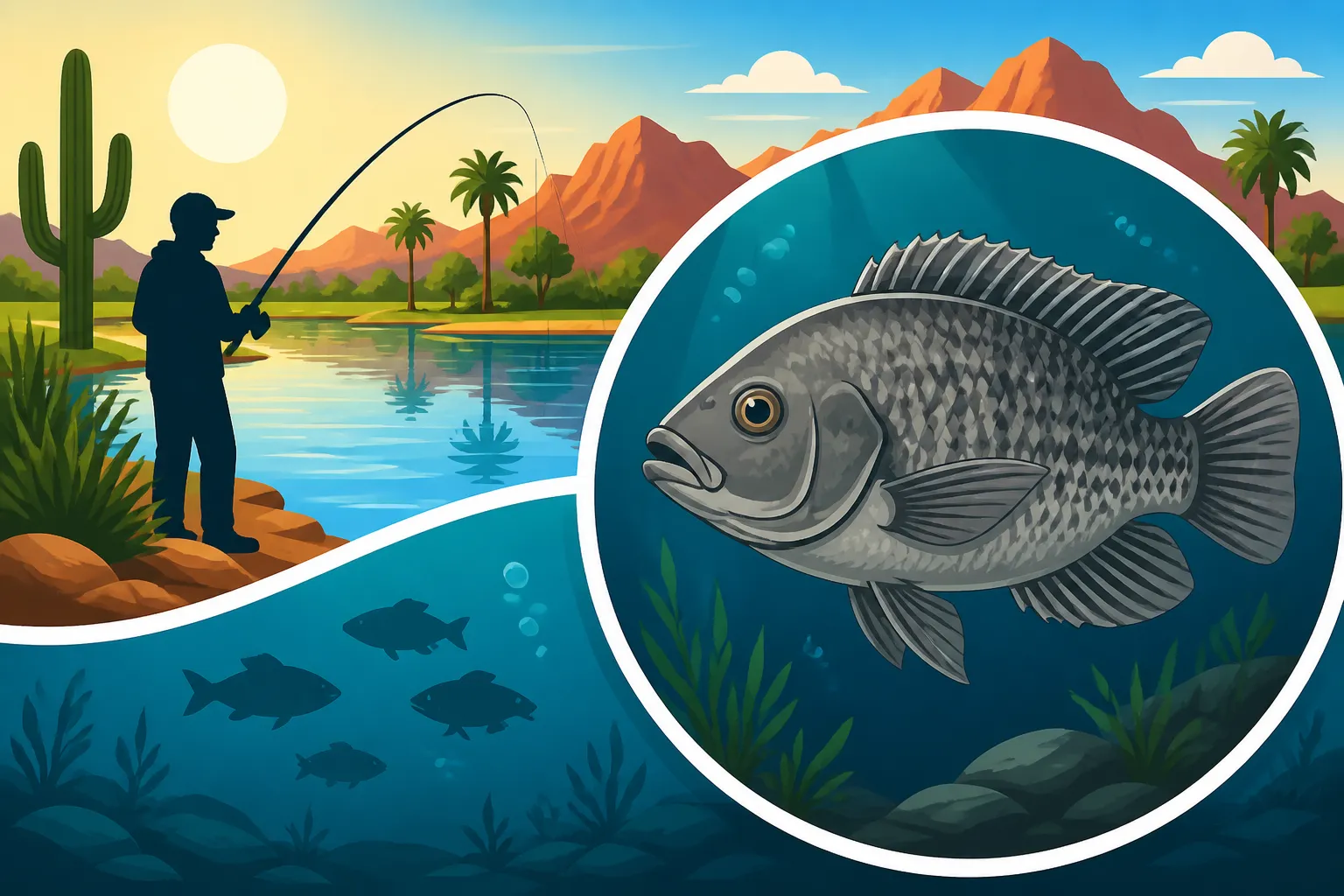
Arizona's waters, particularly the warmer community lakes and canal systems, are primarily home to a couple of common tilapia species. The Mozambique tilapia (Oreochromis mossambicus) and the Nile tilapia (Oreochromis niloticus) are the most frequently encountered. These fish are incredibly hardy and adaptable, thriving in warm, often nutrient-rich waters that might be too harsh for many other species. They have a distinctive, somewhat disc-shaped body, often with a grayish-brown to olive coloration, and can sometimes exhibit bars or spots depending on their environment and specific species. Many anglers initially mistake them for a large bluegill or other sunfish, but a closer look reveals their unique mouth structure and often a more robust build. Their rapid reproduction cycles and ability to tolerate a wide range of water conditions are key factors in their success in Arizona. They mature quickly and can breed multiple times a year, leading to booming populations in suitable habitats.
The Introduction Story: Intentional Stocking and Accidental Releases
The story of how tilapia arrived in Arizona's community lakes isn't a simple one; it's a blend of deliberate introductions and unfortunate accidents. Initially, tilapia were introduced into Arizona for specific purposes. Some were brought in for aquaculture, particularly in the agricultural sector, where their ability to grow quickly and provide a food source was valued. Others were intentionally stocked into certain bodies of water for aquatic vegetation control, as they are primarily herbivorous and bottom feeders. The idea was that they could help manage nuisance plant growth in canals and reservoirs.
However, the main reason for their widespread presence in community lakes often comes down to illegal stocking. Sadly, some individuals, perhaps with good intentions but lacking understanding of ecological impacts, release pet tilapia or fish from other sources into public waters. This practice is incredibly damaging and illegal, as these fish can quickly establish populations and outcompete native species. Once introduced, tilapia are incredibly difficult to remove. They can spread through interconnected canal systems, especially during periods of high water or floods, moving from one body of water to another. This combination of early intentional, regulated introductions and later, unregulated, and illegal releases has led to the pervasive presence of tilapia we see today in many of our beloved fishing spots. Understanding this history helps us appreciate the challenges they pose to our local aquatic environments.
The Impact of Tilapia on Arizona's Delicate Ecosystems and Your Fishing Experience
While catching a tilapia might provide a momentary thrill, their widespread presence in Arizona's community lakes comes with significant ecological implications. These non-native fish aren't just another species in the water; they actively reshape the environment, often to the detriment of native fish and even the sport fish we love to catch.
Competition with Native Fish Species
One of the most concerning impacts of tilapia is their intense competition with native and desirable sport fish species. Tilapia are omnivorous bottom feeders, meaning they're not particularly picky about their diet. They'll readily consume algae, detritus, aquatic vegetation, and even small invertebrates. This places them in direct competition for food resources with a wide array of native Arizona fish, as well as the stocked panfish like bluegill and redear sunfish that are a staple in community fishing programs.
Imagine a small urban pond, carefully managed to support a healthy population of largemouth bass, channel catfish, and sunfish. When tilapia move in, they reproduce at an astonishing rate. Suddenly, there are hundreds, if not thousands, of new mouths competing for the same limited food. The native fish, which might have slower reproductive cycles or more specialized diets, struggle to keep up. This can lead to stunted growth in other fish, reduced spawning success, and an overall decline in the health and numbers of the species anglers actually want to catch. Tilapia can also aggressively defend spawning beds, further disrupting the reproductive cycles of other fish. This competition ultimately makes it harder for anglers to find and catch their target species, turning a fun fishing trip into a frustrating search for fewer, smaller fish. For more on the rules, check out Arizona Fishing Regulations Explained.
Water Quality and Habitat Alteration
Beyond competing for food, tilapia actively alter the physical environment of our lakes and ponds, often for the worse. Their feeding behavior is a major factor here. As bottom feeders, tilapia constantly root around in the sediment at the bottom of the lake, stirring up mud and organic matter. This activity leads to increased turbidity, meaning the water becomes cloudier and murkier.
Clear water is essential for many aquatic ecosystems. It allows sunlight to penetrate, supporting healthy aquatic plant growth, which in turn provides food and shelter for smaller fish and invertebrates. When the water becomes murky due to tilapia activity, this entire food web can be disrupted. Sight-feeding predators, like largemouth bass, struggle to hunt effectively in cloudy water. Furthermore, the stirring of sediment can release nutrients back into the water column, potentially fueling harmful algal blooms, which deplete oxygen levels and create an unhealthy environment for all aquatic life. Over time, a lake heavily populated by tilapia can transform into a less diverse, less healthy, and less aesthetically pleasing environment. This impacts not only the fish but also other wildlife that depend on clear water, and even the recreational experience for those enjoying the water.
Tilapia as a Food Source (Sometimes)
It's not all doom and gloom for tilapia, though, at least not entirely. In some cases, larger predator fish like largemouth bass and flathead catfish will prey on smaller tilapia. These non-native fish can become a forage base, albeit an artificial one, for some of our larger sport fish. This can lead to impressive growth rates for those predators that successfully adapt to feeding on tilapia. For instance, in lakes with abundant tilapia populations, a bass or catfish might have a readily available food source, potentially growing to trophy sizes.
However, this isn't a perfect solution. The sheer reproductive capacity of tilapia often means they can out-breed predation. Even if some are eaten, their numbers can still overwhelm a system, and the overall negative impacts of competition and habitat alteration usually outweigh any benefits as a food source for predators. For anglers, this means you might occasionally hook a large bass that's full of tilapia, but you're still grappling with a lake where the overall balance is off. It's a double-edged sword: a food source, yes, but one that comes with a heavy ecological cost. If you're wondering about other fish, check out our Fish Species Guide for Arizona Lakes.
Rules, Regulations, and Angler Responsibilities When Catching Tilapia in Arizona
Fishing in Arizona is a cherished pastime, but it comes with responsibilities, especially when dealing with non-native species like tilapia. Understanding the rules isn't just about avoiding fines; it's about protecting our precious desert aquatic environments for future generations.
Catch and Release Rules (Or Lack Thereof) for Tilapia
This is where things get really important for anglers: if you catch a tilapia in Arizona, you cannot release it alive back into the water. This is a critical regulation designed to prevent the further spread and establishment of this invasive species. Unlike native fish or stocked sport fish that often have specific bag limits and catch-and-release guidelines, tilapia are viewed as a threat to the ecosystem. Their removal is encouraged.
This rule means that if you hook a tilapia, you need to be prepared to humanely dispatch it and remove it from the water. You can keep it for consumption (more on that below), or simply dispose of it properly. The reasoning behind this strict rule is simple: every tilapia removed is one less fish competing with native species and altering the habitat. Anglers play a vital role in managing invasive populations, and adhering to this "no release" policy is one of the most direct ways to help. Familiarize yourself with all the regulations, including those on Catch and Release Rules for Arizona Anglers.
Are Tilapia Good to Eat? Handling and Preparation Tips
The good news is, yes, tilapia can be quite delicious, especially if harvested from cleaner waters. They have a mild, white, flaky flesh that's versatile for various cooking methods. Many anglers who are initially wary end up being pleasantly surprised by their taste. Think of them as a sustainable catch that helps the environment.
When you catch a tilapia, handle it as you would any other food fish. Keep it on ice if you plan to eat it. For preparation, they can be filleted, baked, fried, grilled, or pan-seared. Smaller tilapia (under a pound) are often the best for eating, as larger ones can sometimes develop a slightly muddy taste, depending on the water quality. It's always a good idea to check for any local consumption advisories for the specific lake you're fishing, although tilapia generally have a good reputation for edibility. If you're new to preparing fish, there are plenty of online tutorials, or you can find specific guidance on Can You Eat Tilapia Caught in Arizona Lakes?. This really encourages anglers to keep them and make the most of their catch, turning an invasive species into a meal.
What Anglers Can Do to Help Manage Tilapia Populations
Anglers are on the front lines when it comes to managing invasive species like tilapia. Your actions can make a real difference. First and foremost, always adhere to the "no release" rule. Every tilapia you remove is a victory for our native fish. Don't fall into the trap of thinking one fish won't matter; collective effort is key.
Secondly, never, ever introduce any fish, bait, or aquatic plants from one body of water to another. This illegal practice is how many invasive species, including tilapia, get established in new areas. Clean, drain, and dry your boats and gear thoroughly after each outing to prevent the spread of aquatic hitchhikers. This is particularly important if you're moving between different lakes or river systems. If you witness someone illegally stocking fish, report it to the Arizona Game and Fish Department. They rely on the public's vigilance to protect our resources.
Finally, consider actively targeting tilapia! While they might not be the glamour species, they can provide a fun fight on light tackle and are excellent table fare. Think of it as conservation through consumption. The more you remove, the better for the lake. You can find helpful starter info in our Arizona Fishing Rules for Beginners article.
Fishing for Tilapia: Techniques and Tackle
While some anglers might view catching a tilapia as an accidental nuisance, others embrace the opportunity to target these prolific fish. They can provide consistent action, especially for beginners or kids, and are a great way to hone your light tackle skills while also doing a service for the local ecosystem.
Simple Setups for Targeting Tilapia
You don't need fancy gear to catch tilapia; in fact, a simple, lightweight setup is often the most effective. A light spinning rod and reel combo, spooled with 4-6 pound monofilament line, is perfect. Think of the kind of setup you'd use for panfish. For hooks, small Aberdeen or circle hooks (sizes 8-12) work well. Tilapia have relatively small mouths, so tiny hooks are key to getting a good hookset.
As for bait, tilapia are not very picky. They are omnivores and scavengers, so common baits like corn kernels, small pieces of bread (kneaded into a dough ball), or classic red worms or mealworms are highly effective. You can also try small pieces of hot dog or even tiny bits of shrimp. A simple bobber setup, where you suspend your bait just off the bottom, is often the most straightforward approach in community lakes. Alternatively, a very light Carolina rig or even just a small split shot weight a few inches above your hook can keep your bait on the bottom where they often feed. You can explore more options in Best Baits and Lures for Arizona Fishing.
Where and When to Find Them
Tilapia are warm-water fish, so your best bet for finding them in Arizona community lakes is during the warmer months, typically from late spring through early fall. They thrive in temperatures that might send trout seeking deeper, cooler waters. Look for them in the shallower areas of the lake, especially where there's submerged vegetation, lily pads, or other structure. They also gravitate towards areas with muddy or silty bottoms where they can root around for food.
You'll often find them schooling, particularly around docks, bridge pilings, or even simply along the edges of the bank where the sun warms the water. Community lakes that receive runoff or have consistent warmer temperatures are prime tilapia habitat. Dawn and dusk can be productive, but unlike many sport fish, tilapia will often feed actively throughout the day, especially if the water isn't excessively hot in the middle of summer. Pay attention to areas where you see subtle disturbances on the water surface or cloudy patches – these could be tilapia actively feeding on the bottom.
Opportunistic Catches While Targeting Other Species
One of the most common ways anglers encounter tilapia in Arizona is entirely by accident. You might be casting a small jig for crappie, drifting a worm for catfish, or even throwing a small crankbait for bass, and suddenly, you've hooked a tilapia. This isn't surprising given their aggressive feeding habits and widespread presence in many of our lakes. They're opportunistic eaters, and if your bait or lure is small enough and in their vicinity, they'll often take a bite.
When this happens, it's crucial to remember the regulations we discussed: if you've caught a tilapia, it cannot be released alive. This means you need to be prepared to either keep it for dinner or humanely dispatch and dispose of it. Don't feel bad about catching them "by mistake" – you're actually helping! Embrace the unexpected catch, enjoy the fight, and know that you're contributing to the health of the lake by removing an invasive species. Even if you're focused on bass, keep a small cooler handy just in case you land a few tilapia; they make for a delicious and unexpected bonus to your fishing trip. If you need a good starter kit for your first trip, check out Essential Tackle Box Setup for Arizona Beginners.
Disclaimer
This article is for general informational purposes only and does not constitute professional advice. Laws, prices and regulations vary by location and change over time. Consult a qualified professional for guidance on your specific situation.