Gizzard Shad as Forage for Bass
One of the most common frustrations for Arizona bass anglers is feeling like you’re doing everything right—you’ve got the right bait, the perfect cast—but the fish just aren't biting. It often comes down to understanding what the bass are actually eating, and in many of our desert lakes, that means knowing all about gizzard shad. This guide is going to dive deep into the world of gizzard shad and reveal how these unassuming baitfish are a critical piece of the puzzle for consistently catching bigger and more active bass in Arizona.
What Exactly Are Gizzard Shad and Why Are They So Crucial for Bass?
When we talk about gizzard shad (Dorosoma cepedianum), we're not just discussing any old baitfish. These are a prolific, schooling species that form the backbone of the food chain in many warmwater lakes and reservoirs across the United States, and Arizona's major impoundments are no exception. They're typically silver-sided, deep-bodied fish with a distinctive elongated last ray on their dorsal fin – a little "flag" that helps identify them. You might see them schooling near the surface, often dimpling the water as they feed on plankton and detritus.
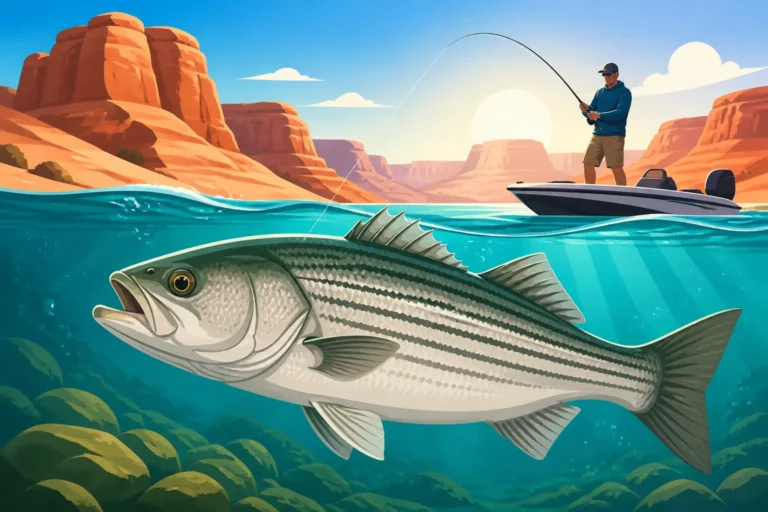
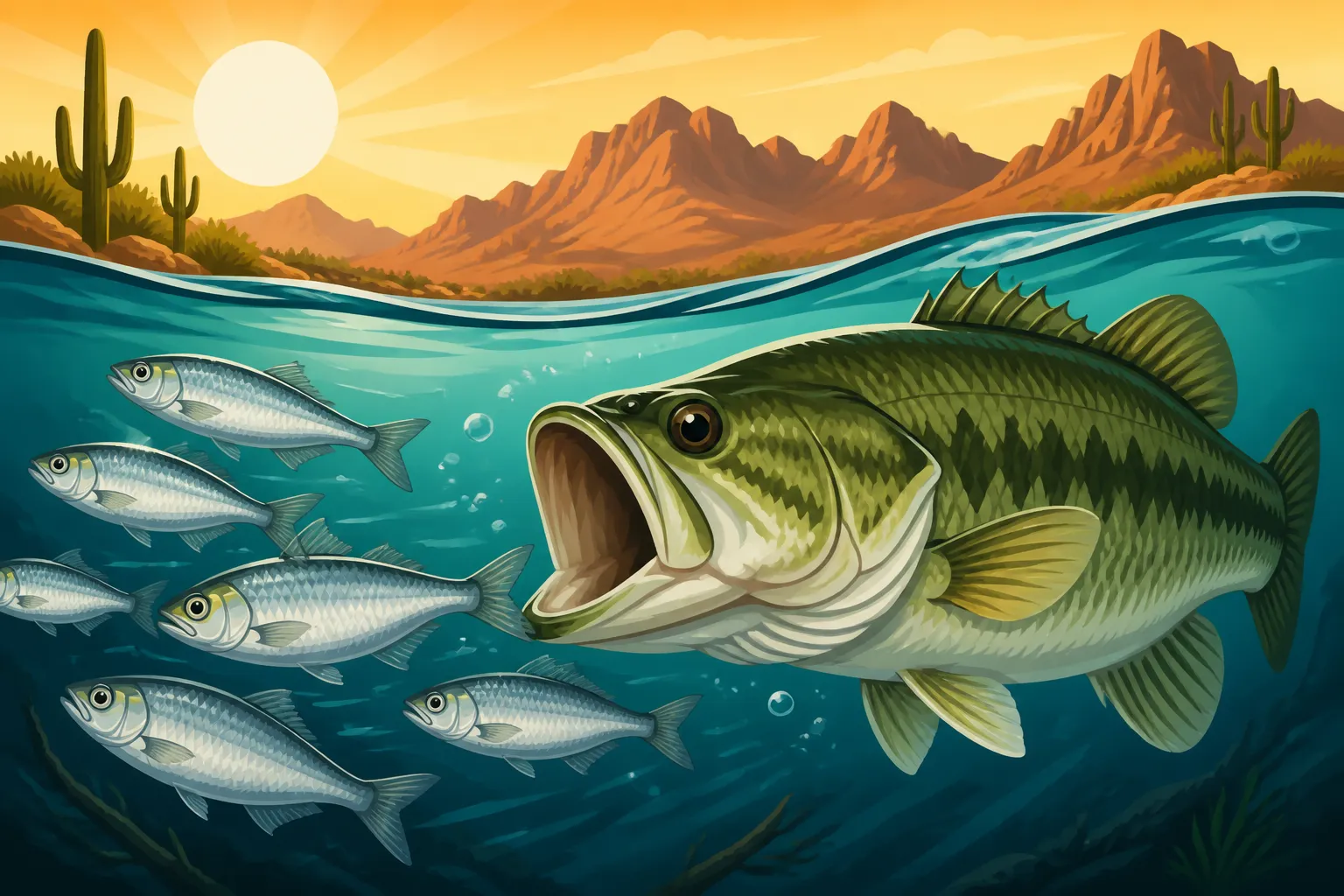
But why are they so crucial for bass, especially our largemouth and striped bass here in Arizona? It's simple: they're an abundant, easy-to-catch, and highly nutritious food source. Bass are opportunistic predators, and if there's a huge school of gizzard shad around, they're not going to pass up the opportunity for an easy meal. Think of it like a buffet for bass; the shad are plentiful, predictable, and packed with energy, allowing bass to grow quickly and reach impressive sizes. Without a healthy population of gizzard shad, our bass fisheries wouldn't be nearly as robust.
The Lifecycle and Habitat of Gizzard Shad
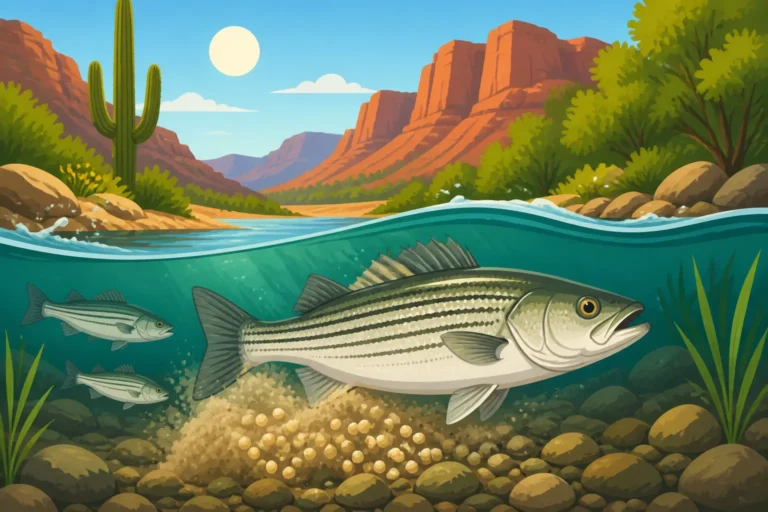
Understanding the gizzard shad's lifecycle and preferred habitats is like getting a cheat code to finding bass. These fish spawn in shallow, vegetated areas in spring, when water temperatures reach a comfortable range. This early spring activity often concentrates shad, making them easy targets for hungry bass coming out of their winter sluggishness. As they grow, they move into open water, forming large, dense schools that roam the lake.
Their preferred habitat changes slightly depending on their size. The tiny juvenile shad will often hang out in shallower, protected coves and creek arms, offering an easy meal for smaller bass. Larger shad, however, tend to frequent deeper main lake areas, especially around humps, points, and submerged timber. They're often found suspended over open water, chasing plankton blooms, or relating to channel swings. Knowing these patterns helps you predict where the bass will be too, as the predators will always follow their prey. If you're seeing signs of shad on your fish finder in a particular depth range or near a specific type of structure, you can bet that the bass are likely nearby.
Gizzard Shad as a Driving Force for Bass Growth
The presence of a strong gizzard shad population is directly linked to the health and size of the bass in an Arizona lake. When shad are abundant, bass have a readily available food source that allows them to exert less energy hunting, which means more energy for growth. This is particularly true for larger bass. A big largemouth or striped bass isn't going to chase down tiny minnows if there's a plentiful school of 6-inch gizzard shad just waiting to be ambushed.
This consistent, high-protein diet contributes to impressive growth rates and trophy-sized fish. Lakes like Roosevelt Lake, Lake Pleasant, and Lake Havasu, which are renowned for their incredible bass fishing, all boast robust gizzard shad populations. Anglers often comment on how "fat" and healthy the bass look from these lakes, and that's largely thanks to the gizzard shad providing such a rich nutritional foundation. Understanding this dynamic not only helps you catch more fish but also appreciate the intricate ecosystem of our desert fisheries.
Where and When to Find Gizzard Shad in Arizona Waters
Successfully targeting bass that are keyed in on gizzard shad requires knowing where and when these baitfish are most likely to be present. Arizona's desert lakes are vast and varied, but gizzard shad tend to follow some predictable patterns based on season, water temperature, and structure. Pinpointing their location can drastically improve your bass fishing success.
Seasonal Movements and Concentrations
Gizzard shad movements are heavily influenced by the seasons, which in turn dictates where the bass will be.
- Spring: As water temperatures rise, gizzard shad move into shallower coves, creek arms, and protected bays to spawn. You'll often see them flickering near the surface, especially in the mornings and evenings. This shallow water activity makes them an easy target for pre-spawn and spawning bass that are also moving shallow. Focus on areas with submerged brush, rocks, and gradual slopes where shad feel safe depositing their eggs. This is a prime time for bass to gorge before and during their own spawn.
- Summer: When the Arizona heat kicks in, many gizzard shad, especially the larger ones, will move to deeper, cooler waters. They'll often suspend over the main lake basin, around submerged humps, points, or old river channels, typically at depths where the water temperature is more comfortable and plankton is abundant. However, smaller shad might still be found in the shade lines of docks or shoreline vegetation in the early mornings and late evenings. Bass will follow them into these deeper, open-water haunts, leading to exciting "striper boils" or targeting suspended bass with deep crankbaits and jigs. Summer Bass Fishing Tactics in Arizona can really help here.
- Fall: As temperatures begin to cool, gizzard shad become incredibly active, often schooling up in massive numbers in preparation for winter. They can be found in a variety of depths, from shallow flats to the mouths of creek arms, moving aggressively to feed. This is an incredible time for bass fishing, as the bass are also in a feeding frenzy, building up reserves for the colder months. Look for large schools on your fish finder and anticipate aggressive strikes.
- Winter: During the colder months, gizzard shad will concentrate in the deepest parts of the lake, often near vertical structure like bluff walls, deep points, or old river channels. They'll be tightly schooled and relatively inactive. Bass will be right there with them, hunkering down and feeding opportunistically on slow-moving bait. This means slow, subtle presentations become key.
Identifying Shad on Your Electronics
A good fish finder is your best friend when trying to locate gizzard shad. Look for large, dense bait balls. These will often appear as big, cloudy masses or tightly packed arcs on your screen. The size and density of these schools can vary. Sometimes you'll see massive schools extending for dozens of feet horizontally and vertically, while other times it might be smaller, more dispersed groups.
When you mark a significant school of shad, pay close attention to any larger, distinct arcs you see either within, above, or below that bait ball. Those are very likely bass. Bass will often position themselves strategically to ambush shad as they move through an area. How to Read a Fish Finder for Bass can give you an edge in deciphering these patterns. Understanding the depth at which the shad are holding is also critical, as it tells you exactly where to present your lure. If the shad are suspended 20 feet down over 50 feet of water, your bait needs to be in that 20-foot range, not on the bottom. Many anglers find great deals on reliable fish finders, even entry-level models perfect for baitfish detection, on platforms like Amazon.
Fishing Techniques That Mimic Gizzard Shad for Arizona Bass
Once you've located gizzard shad and the bass feeding on them, the next step is presenting a lure that looks and acts just like their natural prey. Mimicking gizzard shad involves choosing the right lures, colors, and retrieve styles. This is where your knowledge truly pays off.
Lure Selection: Size, Profile, and Color
The key to mimicking gizzard shad is to match the hatch – in this case, the size, profile, and color of the shad.
- Swimbaits: These are arguably the most effective lures for imitating gizzard shad. Soft plastic swimbaits, often with a paddle tail, accurately replicate the swimming motion and profile of a shad. Hard-bodied swimbaits, often jointed, can also be incredibly lifelike. Choose sizes ranging from 3 to 8 inches, depending on the average size of the shad you're seeing. Colors like chrome, silver, white, and shades of gray or light blue are excellent choices. You can find a huge variety of swimbaits on Amazon that are perfect for this application.
- Crankbaits: Deep-diving crankbaits are fantastic for targeting bass that are suspended with shad in deeper water. Look for crankbaits with a wide, wobbling action and a prominent bill that allows them to reach depths of 10 to 25 feet or more. Again, chrome, silver, white, and shad patterns are your go-to colors. The erratic action of a crankbait can perfectly imitate a struggling or fleeing shad, triggering a reaction strike.
- Jerkbaits: For bass feeding on shad in shallower to mid-depths, especially during cooler water periods, a jerkbait is deadly. Its darting, pausing action is very similar to an injured or disoriented shad. Silver, white, and translucent colors work best. Experiment with your retrieve: jerk, jerk, pause, jerk, pause, pause. The pause is often when bass will strike.
- Spoons: Metal spoons, particularly flutter spoons or jigging spoons, can be very effective for bass chasing shad in open water or around deep structure. When fluttered down, they imitate a dying shad perfectly. Jigging spoons are excellent for vertical presentations when bass are holding tight to shad schools you've marked on your electronics. Silver and chrome are prime colors.
- Spinnerbaits and Chatterbaits: While not exact replicas, spinnerbaits and chatterbaits in shad-imitating colors (white, chartreuse/white, silver blades) can be very effective, especially when shad are moving through shallower water or around submerged cover. The flash and vibration can mimic a frantic school of shad.
Retrieve Styles to Trigger Bites
It's not just about the lure; it's how you work it. The retrieve needs to convey the vulnerability or flight of a gizzard shad.
- Steady Retrieve: For swimbaits and crankbaits, a steady retrieve can mimic a healthy shad cruising through the water. Vary your speed until you find what the bass prefer.
- Stop-and-Go: This is crucial for jerkbaits and can also be effective for swimbaits. The pause allows the lure to suspend or slowly sink, often when a bass will commit to a strike. It looks like a confused or injured shad.
- Rip-and-Pause: Particularly with jerkbaits or flutter spoons, a sharp rip followed by a pause can simulate a panicked shad fleeing a predator, then becoming disoriented. This can draw aggressive strikes.
- Yo-Yo retrieve: For jigging spoons, drop it to the desired depth, then quickly lift your rod tip and let the spoon flutter back down on a semi-slack line. This simulates a baitfish struggling and falling.
- Burn and Kill: With spinnerbaits or chatterbaits, a fast retrieve followed by an abrupt stop (the "kill") can be very effective. The lure drops like a dying shad, often triggering a follow-up strike.
Remember, bass feeding on gizzard shad are often targeting a specific size and profile. If you're struggling to get bites, don't be afraid to change your lure size or adjust your retrieve. Paying attention to what other successful anglers are using, or even just observing the size of shad you see jumping, can provide valuable clues.
The Broader Impact of Forage Fish on Arizona's Bass Fisheries
The gizzard shad story isn't just about catching more bass today; it's about understanding the health and future of Arizona's cherished bass fisheries. Forage fish like gizzard shad are the unsung heroes of the aquatic ecosystem, playing a pivotal role in everything from fish growth to population dynamics and even the regulations that govern our angling activities.
Understanding the Food Web: A Delicate Balance
Arizona's desert lakes are complex ecosystems, and the food web is a delicate balance. Gizzard shad sit squarely in the middle of this web. They consume plankton, algae, and detritus, effectively converting these lower trophic levels into a high-energy food source for apex predators like largemouth and striped bass. Without abundant shad, bass would have to expend significantly more energy to find food, leading to slower growth rates, smaller average sizes, and potentially fewer overall bass.
When this balance is disrupted, the entire fishery can suffer. For instance, if shad populations were to crash due to disease, environmental changes, or over-predation by an introduced species, it would have a ripple effect. Bass would struggle to find enough food, potentially leading to stunted growth or even population declines. Conversely, an overabundance of shad without enough predators could lead to competition for food resources among the shad themselves, or reduced water quality from too much biomass. It’s a constant dance of supply and demand that keeps our favorite fishing holes thriving. This ecological understanding is vital for responsible angling and conservation.
How Gizzard Shad Influence Bass Behavior and Patterns
Beyond just being a food source, gizzard shad heavily influence how and where bass behave throughout the year. Bass are fundamentally creatures of habit, and those habits are often dictated by the availability and movement of their primary food.
For instance, the schooling behavior of gizzard shad directly leads to the "boiling" phenomenon seen with striped bass on Lake Powell, where huge schools of stripers push shad to the surface, creating a feeding frenzy. Knowing that shad will seek out certain water temperatures or depths means you can anticipate where the bass will be staging their ambushes. Seasonal Movement Patterns of Bass at Roosevelt Lake are often linked to shad movements.
Anglers who consistently catch big bass aren't just lucky; they're often adept at "reading the water" and understanding these prey-predator dynamics. This means constantly observing signs of baitfish activity—surface ripples, birds diving, or actual shad jumping—and using that information to inform lure selection and fishing locations. It’s a dynamic puzzle that changes with the seasons and even the time of day, but the shad are almost always the central piece.
Conservation and Management of Forage Fish
The health of gizzard shad populations is also a key consideration for wildlife managers in Arizona. Organizations like the Arizona Game and Fish Department monitor forage fish populations to ensure a healthy ecosystem for sportfish. They consider factors like water levels, nutrient availability, and predator numbers when making stocking decisions or setting regulations.
For us anglers, responsible practices also play a part. This includes preventing the spread of aquatic invasive species, which can disrupt delicate food webs, and adhering to Fishing Bag and Possession Limits Explained to ensure that all species, including baitfish populations, remain healthy. While gizzard shad are not typically regulated for harvest in the same way as sportfish, their well-being is intrinsically tied to the success of our bass fishing. So, the next time you're out on an Arizona lake and notice those silvery flashes of gizzard shad, remember that you're not just seeing bait; you're witnessing the engine that drives some of the best bass fishing in the country.
Gizzard Shad Mimicking Lures: A Quick Reference
Choosing the right lure can make all the difference when bass are focused on gizzard shad. Here's a quick table to help you match your tackle to the situation. Many of these effective lures can be easily found and reviewed online, for example, on Amazon, making it simple to stock your tackle box for your next Arizona fishing adventure.
| Lure Type | Best for Mimicking | Key Characteristics | Ideal Conditions & Retrieve | Arizona Lake Example |
|---|---|---|---|---|
| Soft Swimbait | Healthy, cruising shad | Paddle tail, realistic profile, soft body | Steady retrieve, varying speeds; open water, submerged structure | Roosevelt Lake, Lake Pleasant |
| Hard Jerkbait | Injured, darting shad | Hard body, often jointed, suspending/slow-sink | Erratic jerk-pause retrieve; cooler water, clear to stained | Canyon Lake, Bartlett Lake |
| Deep Crankbait | Fleeing/diving shad | Large bill, strong wobble, deep diving | Steady retrieve, contact with bottom/structure; deep humps, points | Lake Havasu, Lake Powell |
| Jigging Spoon | Dying/falling shad | Metal, heavy, flashy | Yo-yo retrieve, vertical jigging; deep water, suspended schools | Lake Mohave, Saguaro Lake |
| Spinnerbait | Schooling/fleeing shad | Skirted, vibrating blades, flash | Steady retrieve, "burn and kill"; shallow cover, windy conditions | Alamo Lake, Parker Canyon Lake |
Disclaimer
This article is for general informational purposes only and does not constitute professional advice. Laws, prices and regulations vary by location and change over time. Consult a qualified professional for guidance on your specific situation.