Are Bluegill Good Bait for Bigger Bass?
Alright, let's talk about one of the most classic, often debated, and sometimes misunderstood topics in bass fishing: using live bluegill as bait for bigger bass. It's a question that pops into the mind of almost every angler looking to land that monster largemouth or smallmouth, especially here in Arizona where bluegill are abundant in many of our desert lakes. You see those big bass chasing sunfish in the shallows, and it's only natural to wonder if presenting one of those tasty morsels on a hook is the ultimate cheat code. But before you rig up a live bluegill, there are some really important things to consider, from legality to effectiveness, and even the ethics of it all. This guide will dive deep into this strategy, helping you understand if it's the right move for your next Arizona fishing adventure.
The Allure of Live Bait for Bass Fishing
There's something undeniably captivating about using live bait, isn't there? It taps into a primal instinct, both for the fish and for us anglers. The idea that you're presenting a real, struggling meal to a predator often feels like a guaranteed strike. And when it comes to bigger bass, the thought of a live bluegill, one of their natural food sources, can be incredibly tempting.
Why Anglers Consider Live Bluegill
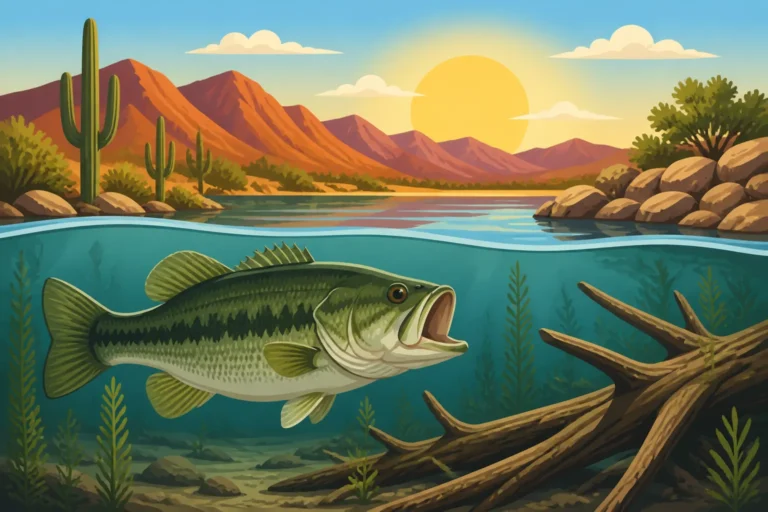
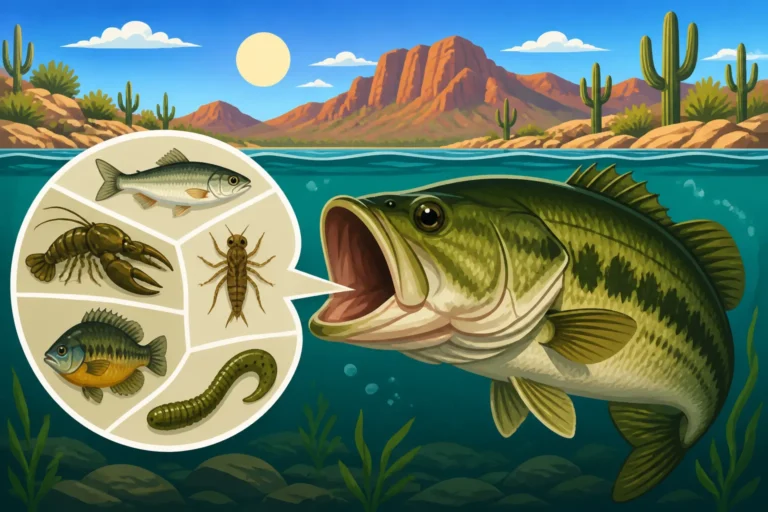
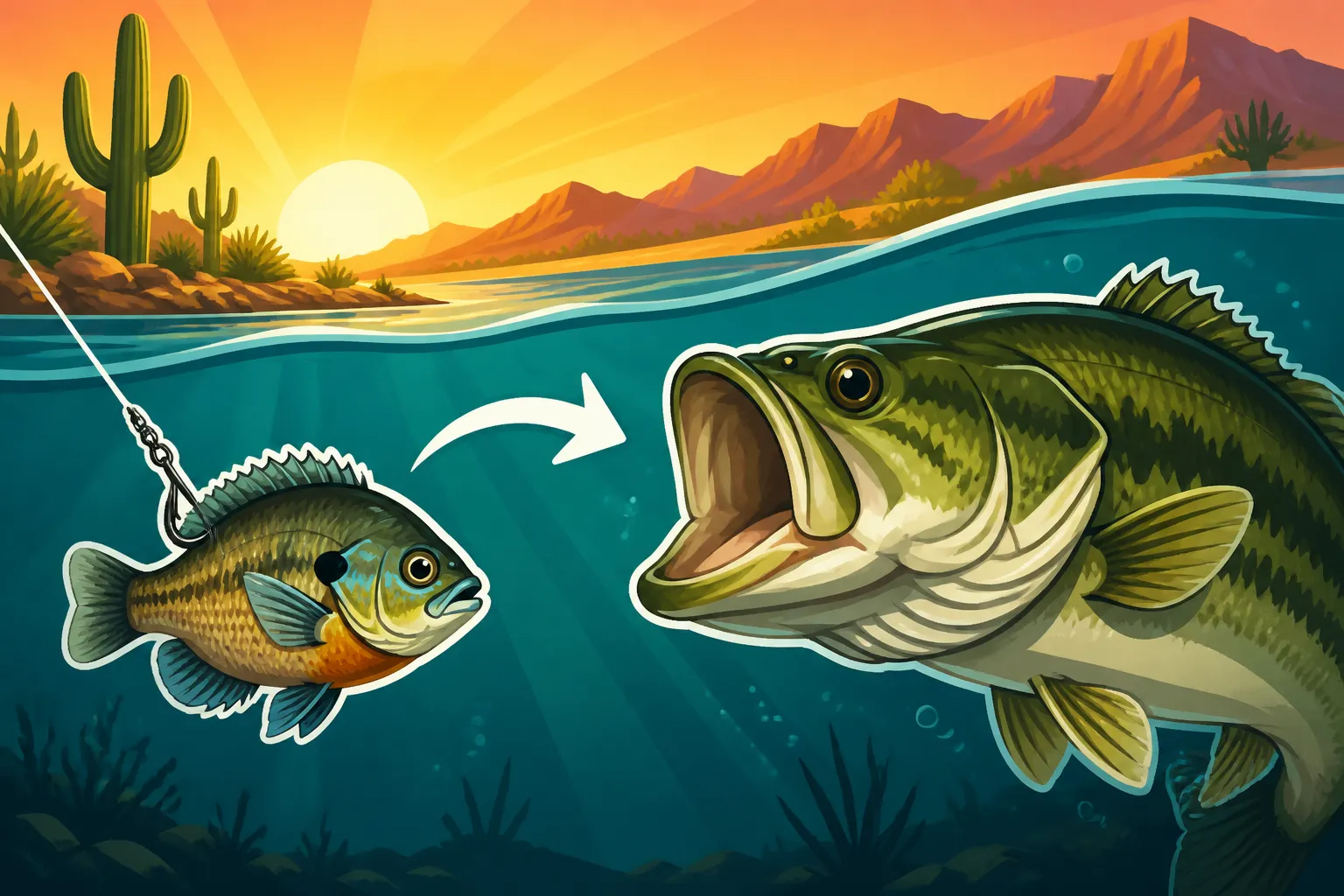
Think about it from the bass's perspective. They spend their entire lives hunting. A lure, no matter how realistic, is still an imitation. A live bluegill, on the other hand, is the real deal. It moves naturally, struggles authentically, and emits all the natural scents and vibrations that signal "food" to a hungry bass. When you're fishing in a lake where bluegill are a primary forage species, like many of our Arizona reservoirs such as Lake Pleasant or Roosevelt Lake, it just makes sense that a big bass would be interested.
Many anglers who are chasing that elusive trophy bass often turn to larger, live baits because they believe it's the most effective way to entice a truly massive fish that might ignore smaller, artificial offerings. They're looking for that one bite, that one giant fish, and a live bluegill offers a substantial meal that can trigger an aggressive strike from a lunker. The sheer excitement of watching a float disappear or feeling a heavy thump on the line from a big fish that just inhaled a live bluegill is a thrill that's hard to beat.
The Ethical and Legal Landscape of Using Live Bait in Arizona
Now, this is where things get really important, folks. While the idea of using live bluegill is alluring, you absolutely must understand the rules before you even consider it. Arizona has very specific regulations when it comes to using live bait, and these rules are in place for good reasons, primarily to protect our ecosystems from the spread of invasive species and diseases.
Generally, in Arizona, it is legal to use legally obtained live fish as bait if they were caught from the same body of water where they will be used as bait. This is a critical distinction. You can't catch bluegill from, say, a community pond in Phoenix and then transport them to Roosevelt Lake to use as bait. That's a big no-no and can lead to serious fines. The concern is that moving fish from one body of water to another could introduce diseases or non-native species that could devastate local populations. So, if you plan on using live bluegill, you would need to catch those bluegill from the very lake you intend to fish for bass. This applies to most warmwater fisheries in Arizona. You'll definitely want to consult the Arizona Game and Fish Department (AZGFD) regulations booklet for the most current and specific guidelines. You can find more detailed information on this topic in our article Live Bait Rules for Arizona Lakes. Remember, ignorance of the law is no excuse, and wardens take these regulations very seriously to protect our precious Arizona fisheries. Always check the latest Arizona Fishing Regulations Explained before you head out.
The Pros and Cons of Using Bluegill as Bass Bait
So, assuming you've got the legalities sorted and you're prepared to catch your bluegill bait from the same water you're fishing, let's weigh the advantages and disadvantages of this strategy. Like any fishing technique, it's not a silver bullet, and there are trade-offs involved.
Advantages of Bluegill as Live Bait
There are certainly some compelling reasons why anglers gravitate towards using live bluegill, especially when targeting larger bass.
First and foremost, the natural presentation is unmatched by any artificial lure. A live bluegill swimming around, trying to avoid being eaten, sends out irresistible vibrations and visual cues that tell a big bass, "Hey, here's an easy meal!" The erratic movements, the flash of its scales, and the scent it emits are all triggers that can induce a strike when artificial baits might be ignored. This is particularly true for wary, older, and larger bass that have seen every lure in the tackle shop.
Secondly, live bluegill are excellent for targeting trophy fish. Big bass often prefer a larger meal, and a substantial bluegill offers exactly that. You're essentially putting a hearty steak on the table for a fish that's looking for maximum calories with minimum effort. While you might catch more numbers of bass on artificial lures, using live bluegill significantly increases your chances of hooking into that truly giant fish of a lifetime. Many record-breaking bass have been caught on live bait, and bluegill are a prime candidate for enticing those giants. This method can be especially effective when bass are lethargic or holding tight to structure, and a subtle, natural presentation is needed to coax them out.
Disadvantages and Challenges
However, it's not all sunshine and trophy bass when it comes to live bluegill bait. There are several significant drawbacks that make this a less practical or even less desirable option for many anglers.
The effort to catch bait is a big one. You can't just buy a bucket of bluegill at most bait shops in Arizona due to the regulations we discussed. This means you need to dedicate time and effort before you even start bass fishing to catch your bait. This usually involves using small hooks, a bobber, and perhaps some worms or pieces of hot dog to entice bluegill. It's an extra step that adds time and complexity to your fishing trip. If you're out on the water for a limited time, spending the first hour or two catching bait might not be how you want to spend your precious fishing time. You might need a small minnow trap or a cast net (check regulations on their use, too!) to get enough bait, which means more gear to carry.
Then there's the survival of the bait. Keeping bluegill alive and healthy enough to be effective bait requires a good livewell or a quality aerated bait bucket. Our Arizona summers get brutally hot, and keeping bait fish alive in elevated water temperatures can be a real challenge. A stressed or dead bluegill isn't nearly as effective as a lively one. You might find yourself constantly replacing bait that has succumbed to the heat or rough handling. Many anglers purchase portable aerators or insulated bait coolers to help keep their bait lively throughout the day, which you can often find readily on platforms like Amazon.
Finally, there's the risk of harming non-target species and the general ethical consideration. When a bass swallows a live bluegill, it's often a deep hookset. This can make catch-and-release much more difficult, if not impossible, especially if you're trying to release a trophy fish unharmed. While the goal might be to land a huge bass, you might also accidentally deep-hook other species or even smaller bass that you intended to release. Many anglers prefer artificial lures because they generally result in hooksets in the mouth, making it easier to safely release fish. Plus, bluegill themselves are a fun sport fish for many, especially kids, and using them as bait might feel counterintuitive if you also enjoy catching them on their own terms. For those passionate about conservation, the trade-off of potentially harming fish for a single trophy might not be worth it.
| Feature | Live Bluegill Bait | Artificial Lures (Bluegill Imitations) |
|---|---|---|
| Naturalism | Unmatched, authentic movement, scent, and struggle. | Highly realistic, but still an imitation. |
| Effort to Acquire | Must be caught from the same water; time-consuming. | Purchased readily from tackle shops or online. |
| Cost | Free (if caught), but requires bait-keeping equipment. | Varies from inexpensive to premium. |
| Effectiveness | Excellent for enticing large, wary bass. | Effective for a wide range of bass sizes and conditions. |
| Hooking Mortality | Higher risk of deep hooking, challenging for C&R. | Generally lower, easier for C&R with proper hooks. |
| Versatility | Limited to presentation of a live fish. | Wide range of retrieve styles, depths, and actions. |
| Regulations | Strict rules on sourcing and transport. | Generally fewer restrictions. |
| Maintenance | Requires livewell/aerator, regular water changes. | No maintenance needed beyond storage. |
Alternative and Often More Effective Bass Fishing Strategies in Arizona
Given the challenges and regulations surrounding live bluegill as bait, many Arizona anglers find more consistent success and enjoyment by employing alternative strategies. These methods often provide similar advantages without the same drawbacks.
Artificial Lures Mimicking Bluegill and Other Forage
The world of artificial lures has advanced dramatically, with countless options designed to perfectly imitate bluegill and other common bass forage. These lures offer incredible realism in appearance, action, and even scent, making them highly effective without the hassle of live bait.
Swimbaits, for instance, are incredibly popular for mimicking baitfish. You can find soft plastic swimbaits that look almost identical to a bluegill, complete with realistic fins and coloring. When rigged correctly, they swim through the water with an incredibly lifelike action, often fooling even the most discerning bass. Hard-bodied swimbaits, some with multiple segmented joints, can also produce a truly mesmerizing, natural swimming motion. Brands offer a huge variety of these, and a quick search on Amazon will show you just how many options are out there to choose from.
Then there are crankbaits and topwater lures. Many crankbaits are designed with baitfish profiles and diving lips that allow them to mimic fleeing or injured bluegill, diving to specific depths where bass might be holding. Topwater lures, particularly those shaped like panfish, can create explosive strikes as bass ambush them from below, just as they would a real bluegill venturing too close to the surface. Understanding Best Bass Fishing Techniques for Arizona Lakes will help you choose the right artificial options. The beauty of these lures is their versatility; you can throw them all day long without worrying about keeping them alive, and adjust your presentation endlessly until you find what the bass are keying into. For a more comprehensive look at what to use, check out Best Baits and Lures for Arizona Fishing.
Focus on Habitat and Presentation
Catching big bass isn't solely about the bait; it's often more about understanding where the bass are and how they want that bait presented. In Arizona's desert lakes, bass are highly attuned to structure, cover, and water temperature. Knowing their preferred Largemouth Bass Habitat in Arizona Lakes or Smallmouth Bass Habitat in Arizona Lakes is crucial.
During the hotter months, bass often retreat to deeper, cooler water, or seek shade under submerged timber, rock piles, or ledges. During the spawn in spring, they'll be shallower, guarding nests. By thoroughly understanding these seasonal movements and preferred habitats, you can present your lures or bait (live or artificial) directly to where the biggest fish are likely to be lurking. This might mean using jigs or Texas-rigged worms to probe submerged brush, or slow-rolling a deep-diving crankbait along a bluff wall.
Presentation is key. Sometimes a slow, subtle retrieve is what's needed, other times a fast, erratic retrieve can trigger a reaction strike. The "when and where" often trumps the "what." A perfectly presented artificial lure in the right spot at the right time will almost always outperform a poorly presented live bait.
The Role of Scent and Sound in Modern Bass Fishing
If the appeal of live bluegill is its natural scent and struggle, modern artificial baits have evolved to replicate these qualities remarkably well. Many soft plastic lures now come infused with powerful scent attractants that mimic baitfish, crawfish, or even garlic, drawing bass in and encouraging them to hold onto the bait longer, giving you more time to set the hook. You can also purchase external scent sprays and gels to apply to any lure, enhancing its appeal. Some popular brands offer highly concentrated formulas that are designed to last in the water, providing that extra edge. These scent products are widely available and can easily be purchased through online retailers like Amazon.
Additionally, sound plays a huge role. Rattle chambers in crankbaits, jigs, and even soft plastics create vibrations that imitate distressed prey, calling fish in from a distance, especially in murky water or low-light conditions. The subtle clicking of a ChatterBait or the aggressive thud of a lipless crankbait can often be the trigger that convinces a big bass to strike. Combining a realistic imitation lure with an added scent and sound can often give you the "best of both worlds" – the appeal of a natural meal without the legal and logistical headaches of live bait.
Practical Considerations and Responsible Angling
Ultimately, whether you decide to use live bluegill as bait for bigger bass boils down to personal preference, local regulations, and your commitment to responsible angling practices. If you choose to go this route, there are a few more practical considerations to keep in mind.
Sourcing and Keeping Live Bait (If Legal)
If you've checked the Arizona Fishing Regulations Explained and determined it's legal to use bluegill caught from the same body of water, you'll need a method for catching them. Small hooks (size 8 or 10) with tiny pieces of worm, corn, or bread under a bobber can be very effective for bluegill. A small, legal minnow trap can also work if allowed in your specific fishing area. Remember, never transport live fish from one water body to another.
Once you have your bait, keeping them alive and healthy is paramount. A quality bait bucket with an aerator is essential, especially in Arizona's warmer climates. You can find excellent battery-operated aerators and insulated bait coolers on Amazon that will significantly increase the lifespan of your bait. Change the water frequently, keep it cool, and avoid overcrowding your bait bucket. Stressed bait is weak bait and won't attract bass as effectively.
Best Practices for Catch and Release with Live Bait
Because live bait often leads to deeper hooksets, extra care is needed if you intend to practice catch and release, particularly with larger, older fish that are vital to the fishery. Use a relatively stout rod and line to quickly land the fish, minimizing stress. Carry long-nosed pliers or a de-hooking tool to facilitate easy hook removal. If a fish is deeply hooked and removing the hook would cause excessive damage, it's often best to cut the line as close to the hook as possible. The hook will often corrode and fall out, giving the fish a better chance of survival. Always handle fish gently, supporting their weight, and return them to the water quickly. Knowing the Catch and Release Rules for Arizona Anglers is incredibly important for maintaining healthy fish populations.
Understanding Arizona's Specific Regulations
Let's reiterate this one last time because it's so vital: always, always, always consult the most current Arizona Game and Fish Department regulations before using any live bait. These rules can change, and what's legal in one state or even one lake might not be legal in another. Your Arizona Fishing License Guide is your first step to being a legal angler, but the specific rules on bait are found in the detailed regulations booklet or on the AZGFD website.
Don't assume. A quick call to the local AZGFD office or a thorough read of their annual regulations booklet (which you should do every year!) will prevent any misunderstandings or potential violations. Understanding Arizona Fishing Rules for Beginners includes knowing these bait specifics. While bluegill can be an undeniably enticing bait for big bass, the hoops you have to jump through, both legal and practical, often lead anglers to find more consistent and less complicated success with the incredible array of artificial lures available today.
Disclaimer
This article is for general informational purposes only and does not constitute professional advice. Laws, prices and regulations vary by location and change over time. Consult a qualified professional for guidance on your specific situation.