Do Stocked Trout Reproduce Naturally in Arizona?
It's a common question among anglers, especially those new to Arizona's unique fishing scene: you see trout being stocked, sometimes in incredible numbers, and you wonder if all those fish eventually start families of their own. It's a hopeful thought, imagining these beautiful fish thriving independently, but the reality for stocked trout in our desert state is often quite different from that idyllic picture. This guide will dive deep into why natural reproduction for most stocked trout in Arizona is a rare occurrence, the critical factors that prevent it, and how the state's stocking programs work to ensure you still have fantastic opportunities to catch these cold-water beauties.
The Harsh Reality: Do Stocked Trout Reproduce Naturally in Arizona?
Let's cut to the chase: for the vast majority of trout stocked in Arizona's lakes and urban ponds, natural reproduction is, unfortunately, not a significant factor in sustaining the fishery. While it's not entirely impossible for a few fish to attempt to spawn, the conditions needed for successful, sustained reproduction are simply not present in most of the waters where trout are introduced. This might feel a bit disappointing to hear, but understanding why this is the case will help you appreciate the efforts of the Arizona Game and Fish Department (AZGFD) and the nature of our desert fisheries.
Understanding the "Put-and-Take" Philosophy
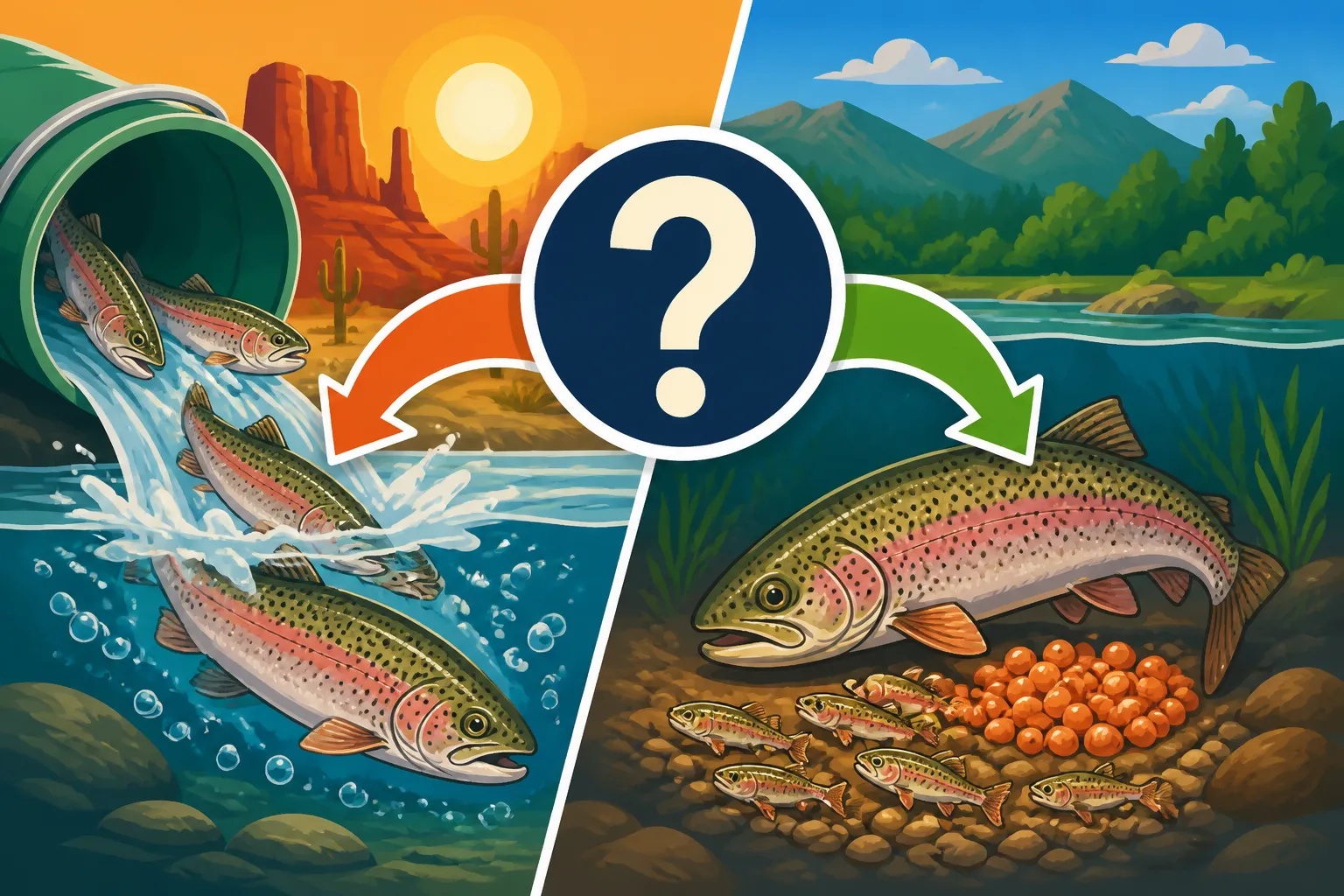
The primary goal of stocking trout in many Arizona waters, especially the urban community lakes and warmer reservoirs, is what's known as "put-and-take." This means the trout are stocked for anglers to catch shortly after their release. These fish are essentially put into the water for immediate recreational value, rather than with the expectation that they will establish self-sustaining populations. The AZGFD carefully plans its Trout Stocking Season in Arizona to maximize fishing opportunities, especially when water temperatures are cool enough for trout to survive.
These stocked fish are often raised in hatcheries to a catchable size, meaning they're already quite large when they enter the lake or pond. They've lived their entire lives in a controlled environment, being fed regularly and protected from predators. This upbringing doesn't exactly prepare them for the rigors of finding suitable spawning habitat, defending a redd (a spawning nest), or raising young in a wild setting. Their instincts might be dulled, or simply not geared for the specific challenges of Arizona's diverse waterways.
Genetic Programming and Environmental Mismatch
Another layer to this reality is the genetic makeup of the trout themselves. Many of the rainbow trout, for instance, that are stocked are sterile triploids, meaning they have three sets of chromosomes instead of the usual two. This ensures that even if they did try to spawn, they wouldn't produce viable offspring. This practice helps focus the fish's energy on growing larger rather than expending energy on reproduction, which is a benefit in a put-and-take fishery. It also helps protect native trout species from genetic contamination, ensuring the unique heritage of Arizona's indigenous fish remains intact.
Even if the stocked trout are fertile, the environment often presents insurmountable challenges. The genetics of hatchery-raised fish are often optimized for survival in a hatchery setting – rapid growth, disease resistance in crowded tanks, and a docile temperament for handling. These traits don't always translate well to the wild, where instincts for finding mates, building nests, and avoiding predators are paramount. The fish might simply not be "programmed" to reproduce effectively in a novel environment, especially one as different as a desert lake compared to their ancestral mountain stream habitats.
Low Survival Rates of Wild Spawns
Let's imagine, for a moment, that a few stocked trout do find a suitable spot and successfully lay eggs. The chances of those eggs surviving to hatch, and then the fry growing into adult fish, are incredibly slim in many Arizona waters. The delicate eggs and tiny fry are highly vulnerable to predation from other fish, birds, and even insects. Changes in water flow or sediment can easily destroy nests. Plus, as we'll discuss, many stocked waters lack the consistent, cold, oxygen-rich conditions that trout eggs and fry absolutely require to thrive.
Even in environments where some natural reproduction might theoretically be possible, the sheer numbers required to sustain a population without continued stocking are rarely met. It's a biological numbers game, and without a constant influx of new fish from the hatchery, these populations would quickly dwindle. Anglers looking to maximize their chances will find that understanding the Trout Stocking Frequency at Urban Lakes in Arizona or the Trout Stocking Frequency on the Lower Salt River is far more important than hoping for a population boom from wild spawns.
Critical Factors Hindering Natural Trout Reproduction
So, what exactly makes natural trout reproduction such an uphill battle in most of Arizona's stocked waters? It boils down to a confluence of environmental factors that are either absent or simply too inconsistent to support the delicate life cycle of trout from egg to adult. Our desert ecosystem, while beautiful and diverse, isn't naturally configured to be a trout haven outside of very specific, high-elevation habitats.
Water Temperature and Oxygen Levels
Trout, particularly species like rainbow trout, are cold-water fish. They need consistently cool water to survive, and critically, to reproduce. Their eggs require a specific temperature range to develop and hatch, and once hatched, the fry need oxygen-rich, cold water to grow. In many of Arizona's lakes and urban ponds, especially during the long, hot summers, water temperatures soar well beyond what trout can tolerate for survival, let alone reproduction. This is why you often see Trout Stocking Season in Arizona primarily focused on the cooler months.
Even if the surface waters are cool enough in winter, the deeper waters might become stratified, meaning layers of water form with different temperatures and oxygen levels. Often, the bottom layers can become anoxic (lacking oxygen) or too warm, making it impossible for eggs laid on the bottom to survive. Furthermore, the metabolic demands of trout increase in warmer water, making them more susceptible to stress, disease, and predation, further reducing any chances of successful spawning. The challenge of Can You Catch Trout in July in Arizona? often highlights this temperature sensitivity.
The Need for Pristine Spawning Habitat
Successful trout spawning requires very specific habitat features. Trout typically spawn in gravelly stream bottoms, where they can dig a redd – a shallow nest – to deposit their eggs. The gravel needs to be clean, free of silt and fine sediments, allowing oxygenated water to flow through and keep the eggs healthy. These spawning beds are usually found in areas with moderate current, ensuring a fresh supply of oxygenated water.
Most of Arizona's lakes, reservoirs, and community ponds simply lack these critical elements. Their bottoms are often silty, muddy, or sandy, not the clean, oxygen-rich gravel beds trout require. There might be no flowing water, or the flow could be too sporadic or intense, washing away eggs. Even if there are some rocky areas, they rarely mimic the perfectly sized, clean gravel found in natural trout streams. Without this pristine habitat, even the most determined trout will struggle to create a viable nursery for their young.
Predation and Competition from Other Species
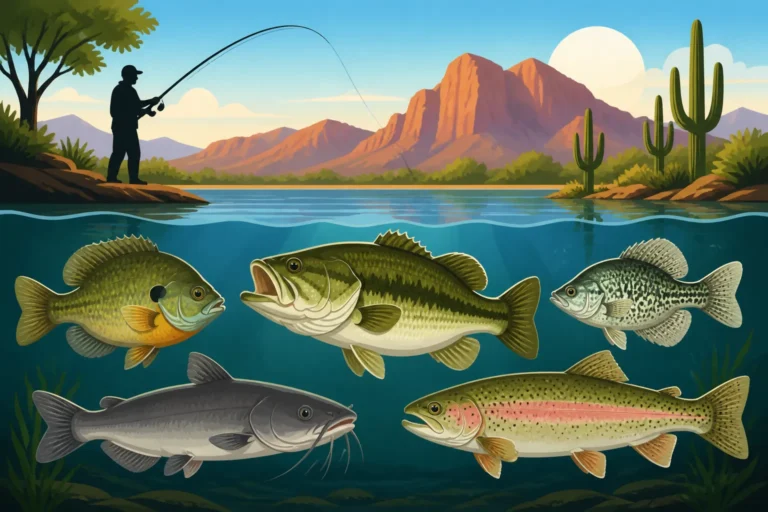
Arizona's desert lakes are home to a diverse array of fish species, many of which are highly predatory. Largemouth bass, striped bass, catfish, and even larger panfish are all opportunistic feeders, and trout eggs or small fry would be an easy meal. When trout are stocked into an existing warm-water fishery, they become part of the food chain, often for larger, more established predatory fish. The presence of these predators significantly reduces any chance of trout offspring surviving.
Beyond direct predation, there's also competition for resources. Other fish species may compete for the same food sources, or their feeding habits might disturb potential spawning grounds. While trout and bass can coexist in certain circumstances, the sheer volume of warm-water species in many Arizona lakes makes it incredibly difficult for a fragile trout population to take hold and reproduce naturally without being overwhelmed by the existing ecosystem. This complex interaction is part of what makes Fish Species Guide for Arizona Lakes so interesting for anglers.
| Factor | Requirements for Natural Trout Reproduction | Typical Conditions in Stocked Arizona Lakes/Ponds | Impact on Reproduction |
|---|---|---|---|
| Water Temperature | Consistently cold (typically 40-60°F), stable | Fluctuates widely, often too warm in summer, can cause thermal stress. | Eggs and fry cannot develop or survive. Adult trout face stress, reducing spawning drive and survival. |
| Oxygen Levels | High and stable, especially in spawning gravels. | Can be depleted in deeper layers or stagnant areas; silt can reduce oxygen flow to eggs. | Embryos suffocate in eggs; fry struggle to breathe and grow. |
| Spawning Habitat | Clean, oxygenated gravel beds in flowing water (streams/riffles). | Primarily muddy, silty, or sandy bottoms; limited or no flowing water; unsuitable substrate for redds. | No suitable place for eggs to be laid or for them to hatch successfully. |
| Water Flow | Consistent, moderate current for oxygen and egg cleaning. | Stagnant in ponds/lakes; variable in reservoirs depending on releases/inflows. | Eggs can be washed away, smothered by sediment, or lack oxygen without proper flow. |
| Predation | Relatively low pressure on eggs and fry. | High presence of predatory warm-water fish (bass, catfish, crappie). | Eggs and fry are quickly consumed, preventing new generations from surviving. |
| Genetic Factors | Wild, locally adapted strains with strong spawning instincts. | Hatchery-raised strains, sometimes sterile, with instincts dulled by hatchery environment. | Reduced desire or ability to spawn; offspring may be non-viable or less robust. |
The Indispensable Role of Arizona's Trout Stocking Programs
Given these formidable challenges, it becomes clear why Arizona's trout stocking programs are not just helpful, but absolutely essential for creating and maintaining trout fisheries across much of the state. Without these dedicated efforts, many of the places anglers enjoy catching trout today would simply not exist as trout habitats.
Creating and Sustaining Recreational Fisheries
The primary purpose of stocking is to provide recreational fishing opportunities that would otherwise be absent. Imagine Phoenix or Tucson residents wanting to catch trout without having to drive several hours to the high country. That's precisely what urban stocking programs, such as those that contribute to the Community Park Lakes in Phoenix and Community Park Lakes in Tucson, achieve. These programs bring the fishing experience directly to local communities, making it accessible for families, beginners, and seasoned anglers alike.
These stocked fisheries operate on a "put-and-take" basis, as we discussed. Hatchery-raised trout are introduced into lakes and ponds that are deemed suitable for their survival for a limited period—typically during the cooler months. Anglers then have the chance to catch these fish. It's a hugely popular program that introduces countless people to the joys of fishing each year, providing a consistent, reliable angling experience that wouldn't be possible through natural reproduction alone. When you're out there, a simple search for "fishing gear" on Amazon can get you set up with everything you need for a day at one of these lakes.
Different Trout Species and Stocking Strategies
While rainbow trout are by far the most commonly stocked species due to their hardiness and popularity, AZGFD also stocks other species, such as Apache trout in specific conservation areas and, historically, some brown trout in certain rivers. Each species has slightly different environmental needs, and stocking strategies are tailored accordingly. For instance, the Rainbow Trout Fishing Guide for Arizona details how these fish thrive and are managed.
The stocking strategies also vary by location. In urban lakes, it's often a frequent, smaller-volume release to keep fishing consistent. In larger reservoirs like those in the Tonto Basin, stocking might be less frequent but with larger fish, aiming to provide a different kind of angling challenge. In some high-elevation streams, stocking might be done to supplement naturally reproducing populations or to reintroduce native species into their historical ranges, with very different goals than the put-and-take model. It's a complex, science-driven process designed to maximize opportunities across the state. Getting geared up, whether it's for urban lakes or high country streams, is easier than ever with all the options available online, including on platforms like Amazon.
Managing Expectations: What Stocking Means for Anglers
For anglers, understanding the role of stocking means managing expectations. If you're fishing a community lake that's regularly stocked, you know that your chances of catching a fish are quite high, especially shortly after a stocking event. The fish are often eager to bite, having been accustomed to hatchery feeding. This makes them perfect targets for beginners and kids, and a great way to introduce someone to fishing. You can easily find the How to Catch Trout at a Stocked Urban Lake guide to help you get started.
Conversely, if you're seeking a "wild" trout experience where fish have reproduced naturally and are more wary, you'll need to target specific, higher-elevation streams or remote rivers where conditions allow for natural reproduction. These experiences offer a different kind of challenge and reward. In Arizona, we're fortunate to have both types of fisheries, thanks to the varied landscape and strategic management by the AZGFD. Always remember that regardless of where you fish, a Trout Stamp Requirements in Arizona might be necessary on your license, so always check the current regulations.
Rare Glimmers: Where Limited Natural Spawning Can Happen
While the general rule is that stocked trout don't reproduce naturally in Arizona's most popular stocked waters, there are always exceptions and specific scenarios where some level of natural spawning can occur, though usually not enough to sustain a fishery indefinitely without supplemental stocking. These instances typically highlight the exact conditions that are missing in other locations.
High-Elevation Streams and Specific Conditions
Arizona does have natural trout streams, primarily in its high-elevation areas like the White Mountains or segments of the Mogollon Rim. Here, you'll find headwater streams with consistently cold water temperatures, good oxygenation, clean gravel beds, and stable flows. These are the "wild trout" havens, home to native Apache trout and Gila trout, as well as some naturally reproducing rainbow and brown trout populations. In these pristine environments, the conditions align perfectly with trout's reproductive needs.
Even in some of the larger reservoirs, if there are cold-water inflows from a stream or river that has suitable gravels and consistent flow, some stocked trout might move upstream into these tributaries to attempt spawning. The success rate, however, is often highly variable and dependent on weather patterns, water levels, and the overall health of that specific tributary. These are often the Cool-Water Trout Streams in Northern Arizona that anglers cherish for a more challenging, rewarding experience.
The Difference Between Stocked and Wild Trout Populations
It's crucial to distinguish between a "stocked trout" population and a "wild trout" population. A stocked population is one that is primarily sustained by artificial introductions of fish from hatcheries. A wild population is one that reproduces naturally in its habitat, with little to no human intervention required to maintain numbers. In Arizona, we have a mix of both.
Wild trout populations are often characterized by fish that are typically smaller, more colorful, and far more cautious than their hatchery-raised counterparts. They've had to develop strong survival instincts from birth. When you catch a wild trout, it's a testament to the health of that ecosystem. Stocked fish, while providing excellent sport, often behave differently, being less wary and more accustomed to an easy meal. Many anglers appreciate the challenge of pursuing wild fish in their native environments, and that's why places like Lees Ferry on the Colorado River are so renowned for their robust, self-sustaining trout populations.
Supporting Conservation of Native Trout Species
The insights gained from understanding trout reproduction are also vital for the conservation of Arizona's native trout species. Species like the Apache trout, which is only found in Arizona, and the Gila trout are critically important parts of our state's natural heritage. Conservation efforts focus on restoring and protecting their native habitats, ensuring that these unique fish have the best possible chance to reproduce naturally and thrive without the need for constant human intervention.
These conservation programs often involve habitat restoration, removing non-native predatory fish, and careful management of water resources to mimic the pristine conditions these native trout need. The ultimate goal is to allow these populations to become truly self-sustaining, a stark contrast to the put-and-take nature of many stocked fisheries. By supporting Arizona's fishing regulations and conservation initiatives, anglers play a direct role in preserving these remarkable native species for future generations.
Disclaimer
This article is for general informational purposes only and does not constitute professional advice. Laws, prices and regulations vary by location and change over time. Consult a qualified professional for guidance on your specific situation.