Common Fish Species at Community Lakes in Arizona
Stepping into the world of Arizona's community lakes can be a bit like opening a mystery box. You know there are fish in there, but what kinds? Many of us, especially those new to angling or fishing with little ones, wonder what lurks beneath the surface and how to best prepare. This guide is here to demystify the aquatic inhabitants of our beloved urban fisheries, helping you understand what species you're likely to encounter and how to make the most of your community lake fishing experience.
Understanding Arizona's Community Fishing Program
Arizona's Community Fishing Program (CFP) is a fantastic initiative by the Arizona Game and Fish Department (AZGFD) that brings fishing opportunities right into our neighborhoods. These are usually smaller lakes or ponds located in city parks, making them incredibly accessible for families, beginners, and anyone looking for a quick angling escape without a long drive. The goal is to provide easy, affordable, and quality fishing experiences.
The Purpose of Community Lakes
The primary purpose of these community lakes is recreation. They're designed to be welcoming, providing a chance for people of all ages and skill levels to enjoy the outdoors and the thrill of a catch. Because of their urban setting, they play a crucial role in introducing fishing to new generations and offering a convenient spot for seasoned anglers who might not have the time or means for a larger lake excursion. It’s not just about catching fish; it’s about creating memories, learning about local wildlife, and finding a peaceful moment in an otherwise busy world. They're often surrounded by amenities like walking paths, playgrounds, and picnic areas, making them perfect for a full family outing.
How Community Lakes are Managed and Stocked
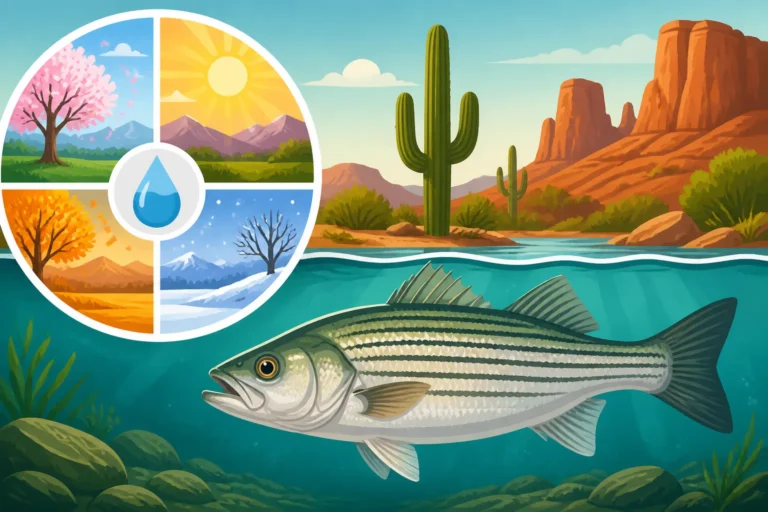
These lakes are actively managed, which is why we have such a predictable and diverse fishery right in the middle of our cities. The AZGFD regularly monitors water quality, fish health, and angler success rates. What's really special about the CFP is its proactive stocking schedule. Depending on the season and water temperatures, different species are introduced to ensure there's always something biting. In the cooler months, you'll find trout, while the warmer seasons bring in a fresh supply of catfish. Beyond these seasonal stockings, many lakes also maintain healthy populations of warmwater species that reproduce naturally. This careful management ensures a consistent and rewarding experience for anglers throughout the year, truly embodying the spirit of community fishing. You can often find information about Community Fishing Program Stocking Season in Arizona on the AZGFD website.
The Year-Round Residents: Our Warmwater Favorites
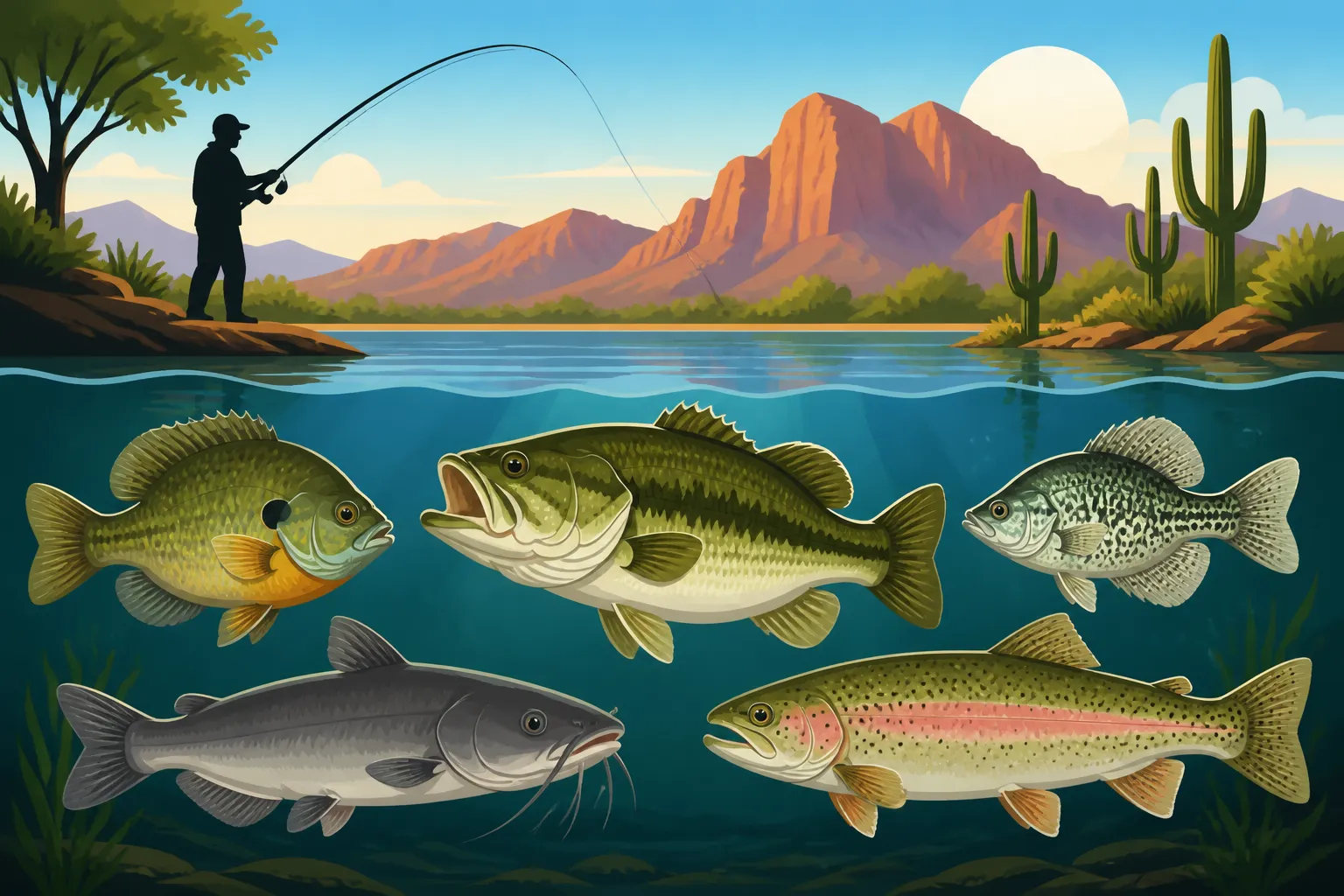
Even without active stocking, many Arizona community lakes maintain robust populations of warmwater fish that thrive in our desert climate. These are the fish you can often target year-round, offering consistent action regardless of the season's special deliveries.
Largemouth Bass: The Green Demon
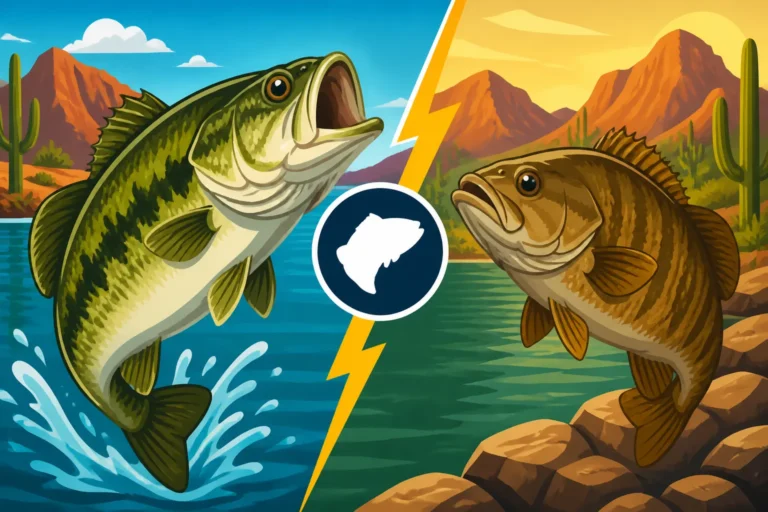
Ah, the largemouth bass! Even in smaller community ponds, these aggressive predators are often the kings of the food chain. They love structure – anything from submerged weeds and fallen branches to docks and rock piles. You'll find them lurking in the shadows, waiting to ambush unsuspecting prey. For anglers, this means focusing your efforts around any visible cover or changes in bottom contour. They might not reach the trophy sizes seen in larger reservoirs like Lake Pleasant, but catching a feisty 1-3 pounder in a community lake is still a blast.
When it comes to bait, largemouths are opportunistic. Soft plastic worms, jigs, small crankbaits, and even topwater lures during dawn or dusk can be incredibly effective. Many anglers swear by green pumpkin or junebug colored plastics. Imagine casting a Texas-rigged worm near a shady bank, letting it sink slowly, and feeling that distinctive thump as a bass inhales it. The fight from a largemouth, even a smaller one, is always exciting, full of powerful runs and head shakes. If you're looking to target these, Best Lures for Largemouth Bass in Arizona Lakes can offer some excellent suggestions.
Channel Catfish: The Bottom-Dwelling Brute
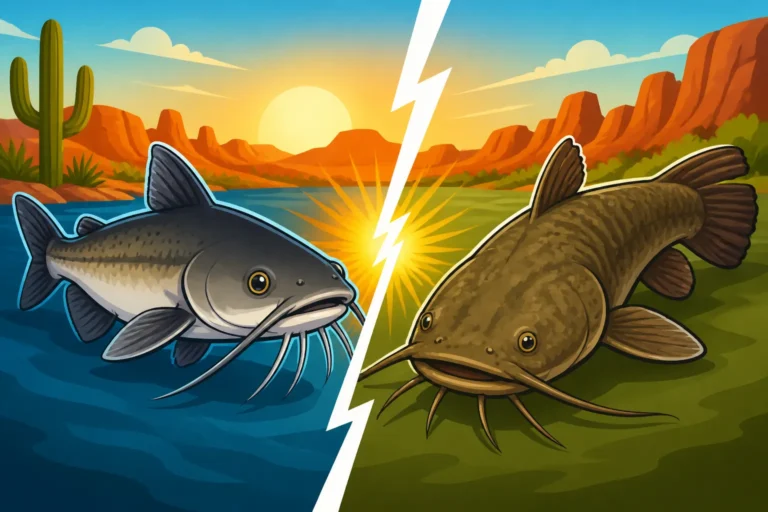
Channel catfish are another staple of Arizona's community lakes, and they're particularly popular during the warmer months when they are actively stocked. These whiskered wonders are known for their strong fight and their preference for patrolling the bottom, using their keen sense of smell to locate food. They're scavengers by nature, which makes them relatively easy to catch if you use the right bait. Night fishing is often prime time for catfish, as they become more active after the sun goes down, especially in the heat of an Arizona summer.
When fishing for channel catfish, a simple bottom rig with a weight and a hook is usually all you need. As for bait, anything stinky and flavorful works! Prepared catfish baits, chicken livers, hot dogs, and even corn are all popular choices. Imagine setting up your rod holder on the bank, casting out a piece of stinky bait, and then waiting under the stars for that tell-tale twitch and bend in your rod. The fight from a channel cat can be surprisingly strong, providing a rewarding challenge for anglers of all ages. You can often find appropriate hooks and sinkers for catfish fishing readily available on Amazon. For specific limits, check out Catfish Limit at Arizona Community Fishing Lakes.
Sunfish and Bluegill: Panfish Perfection
For families and new anglers, sunfish and bluegill are truly the unsung heroes of community lakes. These small, brightly colored panfish are abundant, eager biters, and a fantastic way to introduce kids to the joy of fishing. You'll find them schooling around submerged vegetation, docks, and other shallow-water cover, especially during the warmer parts of the day. They might not be giants, but their sheer numbers and willingness to bite make for non-stop action, which is perfect for keeping young anglers engaged.
To catch sunfish and bluegill, simplicity is key. A light spinning rod, a small hook, a bobber, and some classic bait are all you need. Worms, mealworms, crickets, or even small pieces of bread are irresistible to them. Picture a child watching their bobber intently, then seeing it suddenly disappear under the water – that moment of excitement as they reel in a colorful bluegill is priceless. They are truly the Easiest Fish to Catch at a Community Pond and provide endless fun. Plus, they make for some surprisingly good table fare if you decide to keep a few!
Seasonal Stars: The Coldwater Stockers
As the Arizona heat subsides and cooler temperatures arrive, our community lakes transform, welcoming a new cast of characters that thrive in chiller waters. These seasonal stocking efforts are a highlight for many anglers, offering a different kind of fishing experience right in our urban centers.
Rainbow Trout: Winter's Welcome Guest
When the air gets crisp and the desert lakes cool down, it's rainbow trout season! Starting typically in the fall and continuing through spring, the Arizona Game and Fish Department generously stocks community lakes with thousands of catchable rainbow trout. These vibrant, silver-sided fish are a huge draw, offering a refreshing change from the warmwater species and providing fantastic action during months when other fish might be less active. They're renowned for their delicious flavor and energetic fights, often leaping from the water when hooked.
Trout fishing in community lakes can be incredibly productive. Most anglers find success with lighter tackle, using baits like PowerBait (in various colors and forms), corn, or small worms suspended under a bobber or fished on the bottom with a small weight. Small spinners and spoons are also very effective, mimicking the natural forage. Imagine a cool winter morning, steam rising from the lake, and the sudden jolt of a trout striking your line – it’s a truly invigorating experience. If you’re planning a trip, looking up the Trout Stocking Frequency at Urban Lakes in Arizona can give you an edge, as fresh stockings often mean hot action.
Identifying Stocked Trout vs. Native Trout
While community lakes are almost exclusively stocked with rainbow trout for recreational purposes, it's good to understand that Arizona does have native trout species, like the Apache trout and Gila trout, which are protected and found in very specific, high-elevation streams. You won't encounter these in urban community lakes, but it's important for anglers venturing into other parts of the state to be aware of the difference. Stocked rainbows typically have a brighter, more uniform silver body, sometimes with faint spots and a pinkish stripe down their side. Native trout, while sharing some characteristics, often have more distinct spotting patterns and specific habitat requirements. In community lakes, you can almost always safely assume you’ve caught a rainbow trout. For specific regulations on keeping trout, consult Trout Limit at Arizona Community Fishing Lakes.
Less Common but Still Present: The Occasional Surprises
While bass, catfish, sunfish, and trout dominate the catch reports from Arizona's community lakes, you might occasionally encounter a few other species. These aren't typically the target for most anglers, but they add an element of surprise and demonstrate the diverse ecosystems these urban waters can support.
Carp and Tilapia: The Hardy Foragers
Carp and Tilapia are often present in community lakes, though they aren't usually what anglers are actively seeking. Carp are known for their size and powerful fights, often giving an unsuspecting angler quite a surprise. They are bottom feeders, and while some anglers specifically target them with dough balls or corn, they're more often caught by accident by those fishing for catfish. Tilapia, on the other hand, are warmwater fish that can proliferate in Arizona's climate. They are also primarily vegetarian and filter feeders, often caught incidentally on small baits meant for sunfish or by anglers using specialized rigs. While not as prized for sport as bass or trout, both species contribute to the lake's ecosystem and can be a fun, unexpected catch.
Neither carp nor tilapia are part of the regular stocking program for sport fishing in community lakes, but their populations can sustain themselves and even thrive in these environments. Catching a large carp can be an exciting challenge, requiring sturdy tackle, while tilapia offer a different kind of fight entirely. If you're looking for something different, specifically targeting these species can be a rewarding experience.
Yellow Bass: The Smaller Cousins
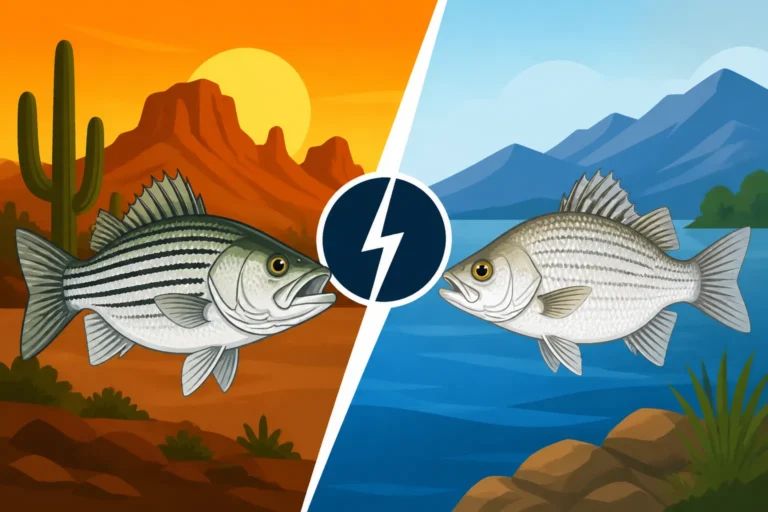
Sometimes, you might hear reports or even catch a yellow bass in an Arizona community lake. These smaller relatives of white and striped bass are indeed present in some of our larger reservoirs, and occasionally find their way into community ponds, or are part of very specific, localized stockings. Yellow bass are schooling fish, much like their larger cousins, but rarely grow beyond a pound in size. They have distinct horizontal stripes that are often broken or offset below the lateral line, differentiating them from white bass which have more continuous stripes.
If you encounter yellow bass, treat them like aggressive panfish. They'll readily strike small spinners, jigs, or pieces of worm. The good news is that if you find one, you're likely to find more, as they tend to school together. While not as common as the other species, catching a yellow bass adds a unique dimension to your community lake fishing adventure. Keep your eyes peeled and your bait ready!
Essential Gear for Community Lake Fishing
One of the greatest appeals of fishing Arizona's community lakes is that you don't need a boatload of expensive gear to have a successful and enjoyable day. In fact, keeping it simple is often the best approach, especially if you're just starting out or taking kids.
Basic Rod and Reel Setup
For community lake fishing, a light to medium-light spinning rod and reel combo is usually perfect. This setup is versatile enough to handle everything from tiny bluegill to a feisty channel cat or even a decent largemouth bass. A rod length of 5 to 6.5 feet is generally easy to handle, especially for younger anglers, and allows for accurate casting in tighter park settings. You don't need the latest, most high-tech gear. A reliable, affordable combo that you can find easily on Amazon will get the job done beautifully.
Pair your reel with 6-8 pound monofilament line for good all-around performance. It's forgiving for beginners, has good knot strength, and is less prone to tangles than some other line types. Remember, these fish aren't usually line-shy in community waters, so ease of use and durability are more important than stealth. A good starting point for outfitting yourself or a new angler can be found in a Budget Rod and Reel Options for Beginners guide.
Terminal Tackle Essentials
Your tackle box for community lake fishing can be quite compact. Here’s a rundown of the must-haves:
- Hooks: A variety of sizes, from small #8 or #10 hooks for sunfish and trout to larger #2 or 1/0 circle hooks for catfish.
- Weights: A selection of split shot weights and small egg sinkers or slip sinkers will cover most situations for getting your bait down to the desired depth.
- Bobbers: Small clip-on bobbers or slip bobbers are indispensable for fishing with bait, especially for panfish and trout.
- Swivels: Small barrel swivels can help prevent line twist when using spinning lures.
- Lures: A few small spinners (like Rooster Tails or Mepps), a couple of small crankbaits, and a pack of soft plastic worms (4-6 inch) in natural colors are great for bass and even aggressive trout. For catfish, consider some prepared "stink baits" or chicken liver.
- Pliers: A good pair of multi-tool fishing pliers for cutting line, removing hooks, and crimping weights.
- Forceps/Hemostats: These are invaluable for safely removing hooks, especially from smaller fish.
- Small Landing Net: A small net can make landing larger bass or catfish much easier and reduce stress on the fish. You can find many practical and affordable options for a Best Net for Landing Bass or for landing other species on Amazon.
Essential Comfort and Safety Items
Beyond fishing gear, remember you're in Arizona! Even in urban parks, the elements can be intense. Don't forget:
- Water: Plenty of hydration is non-negotiable.
- Sun Protection: Sunscreen, a wide-brimmed hat, and polarized sunglasses (which also help you see through the glare on the water) are crucial. A quality pair of polarized sunglasses, easily found on Amazon, can make a huge difference in spotting structure or even fish.
- Chair/Towel: For comfort while waiting for a bite.
- Small Cooler: To keep drinks cold, and if you plan on keeping fish, to keep them fresh.
- First-Aid Kit: Basic essentials for minor cuts or scrapes.
- Trash Bag: Always pack out what you pack in!
Having a simple, well-organized tackle box or bag and remembering these essentials will ensure a comfortable and successful outing. Check out Essential Tackle Box Setup for Arizona Beginners for more detailed advice on what to pack.
Regulations and Responsible Angling
Fishing in Arizona's community lakes is a privilege, and it comes with the responsibility of understanding and adhering to local regulations. These rules are in place to protect the fishery, ensure sustainability, and create an enjoyable experience for everyone.
License Requirements
First and foremost, if you are 10 years old or older, you must have a valid Arizona fishing license to fish in any public waters, including community lakes. This applies to both residents and non-residents. The funds from license sales directly support the stocking programs, habitat improvements, and enforcement efforts that make community fishing possible. It's easy to purchase one online, from an AZGFD office, or from authorized dealers like sporting goods stores. Make sure you understand Arizona Fishing License Age Requirements in Arizona.
There are various license types available, including annual, short-term, and combination hunt and fish licenses. Always ensure your license is current before casting a line. Ignorance of the law is never an excuse, and fishing without a license can lead to fines and penalties. For more detailed information on acquiring your license, refer to How to Buy an Arizona Fishing License.
Bag and Possession Limits
Each fish species has specific bag and possession limits, which dictate how many fish you can keep in a single day (bag limit) and how many you can have in your possession at any given time, including at home (possession limit). These limits can vary by species and sometimes by specific waters, though community lakes generally follow statewide guidelines. For instance, there are specific limits for rainbow trout, channel catfish, and bass.
It’s your responsibility as an angler to know these limits before you start fishing. Exceeding bag limits can result in significant fines and even loss of fishing privileges. The Arizona Game and Fish Department publishes a fishing regulations booklet each year, which is your go-to source for all current rules. You can usually pick one up where you buy your license, or download it from their website. Don't guess – know the rules! You can find specific limits for various species through guides like Fishing Bag and Possession Limits Explained.
Catch and Release Practices
While keeping a few fish for dinner is certainly part of the fun, practicing responsible catch and release is vital for maintaining healthy fish populations, especially for species like bass that are not regularly stocked. If you plan to release a fish:
- Handle with care: Wet your hands before touching the fish to protect its slime coat, which is its natural defense against disease.
- Minimize air exposure: Keep the fish in the water as much as possible. A quick photo is fine, but don't keep it out of water for extended periods.
- Use appropriate tools: Forceps or needle-nose pliers are excellent for quickly and safely removing hooks. If a fish is deeply hooked, it's often best to cut the line as close to the hook as possible, as trying to extract a deeply lodged hook can cause more harm.
- Revive properly: If a fish seems stressed, hold it gently in the water, facing into a mild current, until it regains its strength and can swim away on its own.
By following these practices, you help ensure that the fish you release can survive to fight another day, contributing to the overall health and vitality of our community lakes for future anglers.
Respecting the Environment and Other Anglers
Finally, part of being a responsible angler in a community setting is respecting the environment and those around you.
- Leave no trace: Always pack out all your trash, including discarded fishing line, bait containers, and food wrappers. Litter not only detracts from the beauty of the park but can also harm wildlife.
- Be mindful of noise: Community lakes are often shared spaces. Keep noise levels down, especially early in the morning or late in the evening.
- Give space: Be considerate of other anglers. Don't cast too close to someone else, and respect their fishing area.
- Report violations: If you see someone breaking regulations or polluting, report it to the Arizona Game and Fish Department.
By embracing these principles, we can all contribute to making Arizona's community lakes not just fishing spots, but cherished shared resources for everyone to enjoy for years to come.
Community Lake Fish Species at a Glance
To give you a quick overview, here's a table summarizing the common fish species you'll find in Arizona's community lakes:
| Fish Species | Primary Season | Typical Size Range (Community Lakes) | Common Baits / Lures | Notes |
|---|---|---|---|---|
| Largemouth Bass | Year-round (best Spring/Fall) | 1-4 lbs | Soft plastics, jigs, crankbaits, spinnerbaits | Aggressive, good fighters, often found near cover |
| Channel Catfish | Year-round (best warm months) | 1-5 lbs | Prepared catfish bait, chicken liver, hot dogs, worms | Bottom feeders, strong fighters, active at night, regularly stocked |
| Sunfish / Bluegill | Year-round (best warm months) | 4-8 inches | Worms, mealworms, crickets, small jigs, bread | Abundant, easy to catch, great for kids, excellent table fare |
| Rainbow Trout | Fall-Spring | 10-14 inches | PowerBait, corn, worms, small spinners, spoons | Coldwater species, regularly stocked, good for eating |
| Carp | Year-round | 5-20 lbs+ | Dough balls, corn, worms (often incidental catch) | Large, powerful, bottom feeders, can be a challenging fight |
| Tilapia | Year-round (warm water) | 6-12 inches | Small worms, corn, bread (often incidental catch) | Herbivores, can overpopulate, decent fight for their size |
| Yellow Bass | Year-round (less common) | 6-10 inches | Small spinners, jigs, worms | Schooling fish, aggressive biters, good for light tackle |
This table should give you a quick reference when you're planning your next community lake adventure!
Disclaimer
This article is for general informational purposes only and does not constitute professional advice. Laws, prices and regulations vary by location and change over time. Consult a qualified professional for guidance on your specific situation.