Easiest Fish to Catch at a Community Pond
There’s nothing quite like the excitement of a tug on your line, especially when you're just starting out or introducing fishing to a new generation. But let's be honest, sometimes getting a bite can feel like solving a complex puzzle, and that can be a real turn-off. If you’re looking for a low-frustration, high-reward fishing experience right here in Arizona, especially at our accessible community ponds, you've come to the right place. This guide will help you discover the easiest fish to catch, ensuring your next outing is filled with smiles and success.
Why Community Ponds are a Beginner's Best Friend
Our Arizona community ponds are truly gems, especially for those just dipping their toes into the world of angling or seasoned folks looking for a relaxing day. They’re specifically managed to provide accessible and productive fishing opportunities, which means they're usually stocked with fish that are eager to bite. You don't need a fancy boat, expensive gear, or a long drive to remote wilderness areas. These spots are designed for ease and enjoyment, often right in your local park.
Accessibility and Convenience for All Ages
One of the biggest advantages of community ponds is their sheer accessibility. Think about it: paved parking, often restrooms nearby, maybe even playgrounds for the kids if they lose interest for a moment. You can often walk right up to the bank, find a good spot, and cast a line. This is a huge plus for families with small children, seniors, or anyone with mobility challenges. You won't be bushwhacking through dense vegetation or scrambling over rocks just to get to the water's edge. The Community Fishing Program Rules in Arizona focus on creating these convenient spots, making fishing an activity everyone can enjoy without too much hassle. It removes many of the logistical hurdles that might otherwise deter new anglers.
Regular Stocking Programs and Eager Biters
The Arizona Game and Fish Department does an amazing job with its community fishing program. These ponds are regularly stocked with fish, primarily trout in the cooler months and catfish in the warmer months, alongside naturally reproducing species like sunfish and bass. This means there's almost always a healthy population of fish looking for a meal, dramatically increasing your chances of a bite. These aren't wild, wary fish that have seen every lure and bait under the sun; they're often recently stocked and quite aggressive eaters. It takes a lot of the guesswork out of finding fish and makes the learning process much more forgiving. You're not just casting into an empty pond hoping for a miracle; you're casting into waters where fish are actively present and ready to eat.
The Top Contenders: Easiest Fish to Catch in Arizona Community Ponds
When it comes to easy catches, some fish just stand out from the crowd. These species are generally aggressive, plentiful, and not particularly picky, making them ideal targets for beginners. Understanding what makes them easy will help you tailor your approach for maximum success.
Bluegill and Other Sunfish
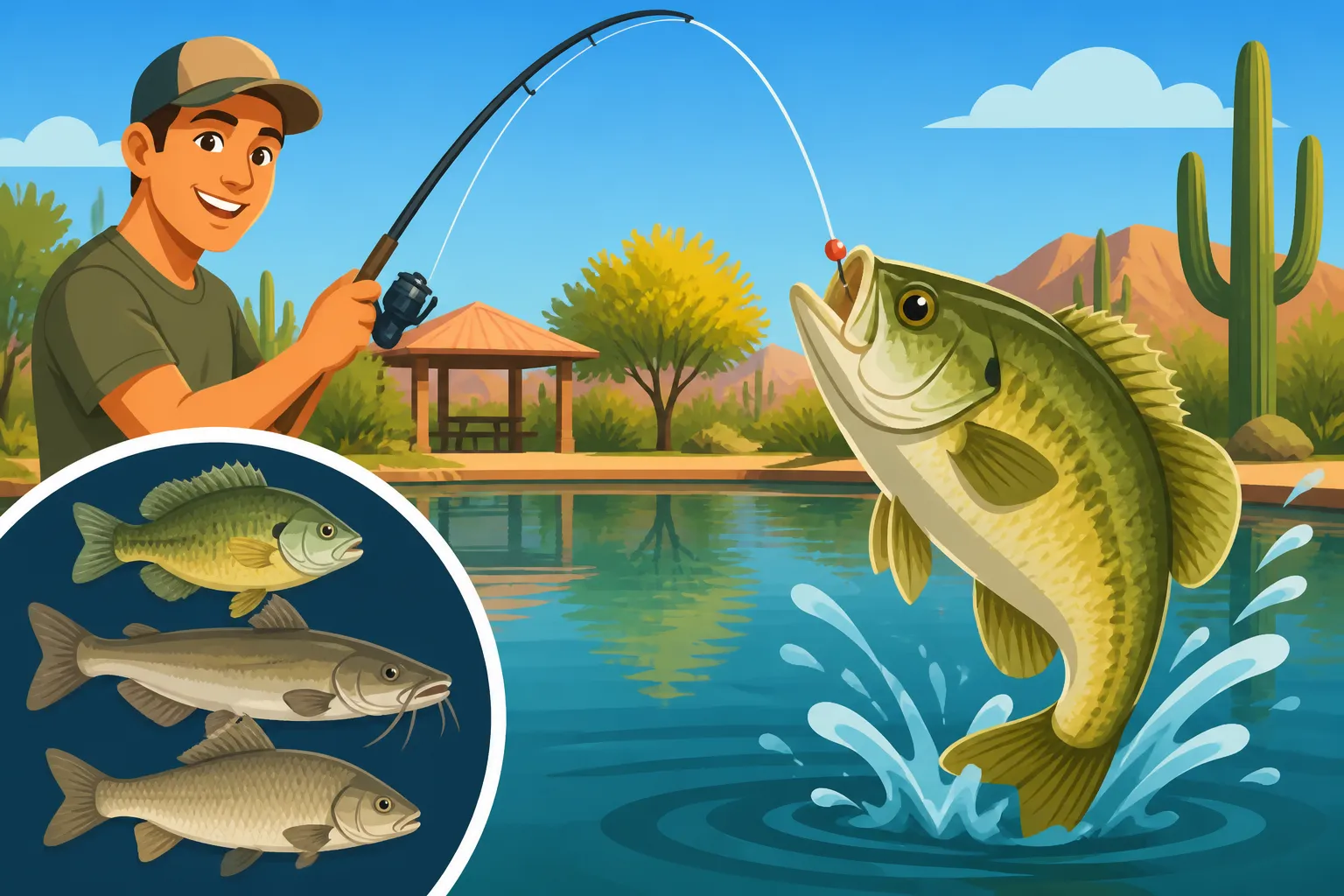
Ah, the humble bluegill! If there's a fish that defines "easy to catch," it's the bluegill. And they aren't alone; other sunfish species like redear sunfish and green sunfish share many of the same traits. These panfish are abundant in almost all Arizona community ponds and are almost always willing to bite. They're small, which means less fight, but the sheer volume of bites makes up for it. They're perfect for building confidence, especially for kids. You'll often find them schooling in shallow areas, near structure like submerged weeds, docks, or even just a shady bank.
They're not particular about bait either. A tiny piece of hot dog, a small worm, corn, or even bread can entice them. The key is small hooks and light line, because their mouths are small. When you're fishing for bluegill, you'll feel consistent nibbles, and often a strong, unmistakable tug. The feeling of that first successful hookset is exhilarating! You can learn more about specific tactics in our guide, How to Catch Bluegill at a Community Pond.
Channel Catfish
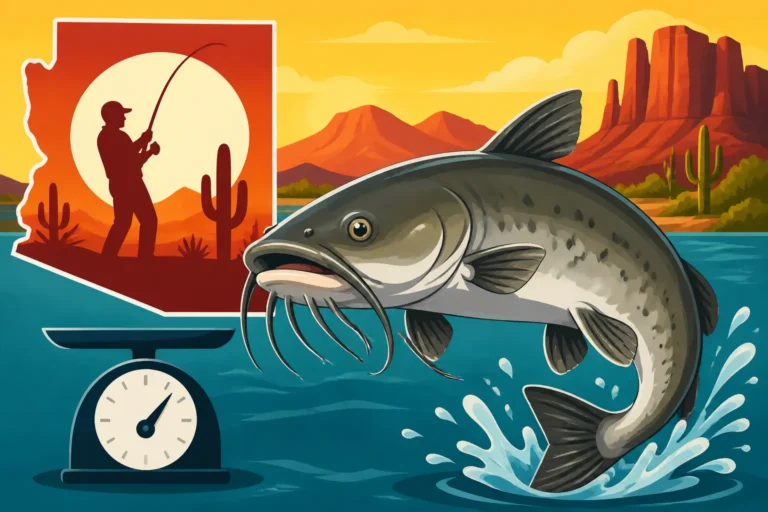
During the warmer months, channel catfish become the undisputed kings of easy fishing in community ponds. These whiskered bottom-dwellers are often stocked in generous numbers when water temperatures are too high for trout. Catfish are primarily scavengers and opportunistic feeders, meaning they aren't too discerning when it comes to bait. They have an excellent sense of smell, which they use to track down food, even in murky waters. This makes them relatively easy to locate and entice.
You don't need fancy lures for catfish. Stinky baits are your best friend! Things like chicken livers, prepared stink baits, hot dogs, shrimp, or even small pieces of cut bait work wonders. Fishing for them is generally a waiting game: cast your bait to the bottom, let it sit, and be patient. When a catfish bites, there's usually no mistaking it – a solid, steady pull that signals a fish is on. For more details on what to use, check out Best Bait for Catfish in Arizona.
Rainbow Trout (Seasonal)
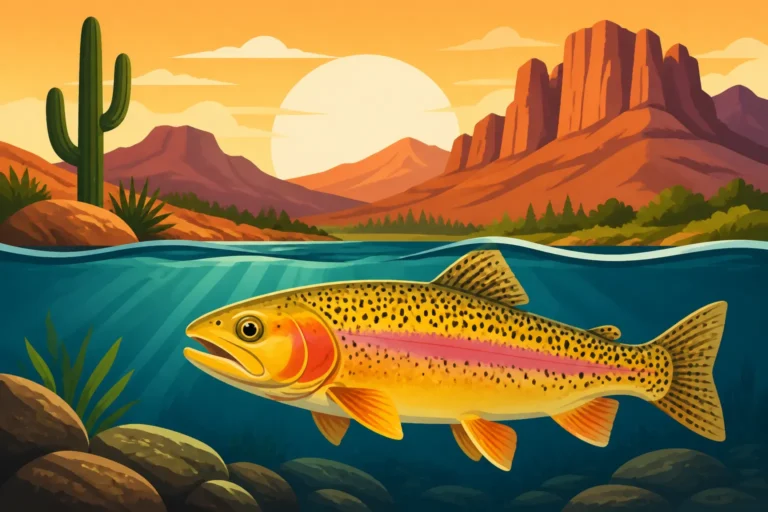
When the Arizona temperatures drop in the fall and winter, our community ponds transform into prime rainbow trout fisheries. The Game and Fish Department heavily stocks these beautiful, cold-water fish throughout the cooler months, ensuring plenty of opportunities. Like catfish, these stocked trout are often quite hungry and haven't developed the wariness of their wild counterparts. They're often found cruising the open water or hugging the bottom, looking for an easy meal.
Trout respond well to a variety of baits and lures. PowerBait, corn, small worms, and salmon eggs are classic choices for bait fishing. Small spinners or spoons can also be very effective if you prefer to cast and retrieve. A slip bobber rig or a simple bottom rig with a small weight can do the trick. The key here is knowing when they're stocked, as the fishing is usually red-hot right after a stocking event. Keep an eye on the stocking schedule for your local pond! We've got more tips on this in How to Catch Trout at a Stocked Urban Lake.
Tilapia
While not always actively stocked for sport like trout or catfish, tilapia are often present in many Arizona community waters, especially during the warmer parts of the year. These fish reproduce rapidly and can be quite numerous. While some anglers might consider them a "trash fish," they can be incredibly easy and fun to catch, especially for beginners. They are primarily vegetarians but will readily take small pieces of bread, corn, or even bits of hot dog. They often school in shallow, warmer water, and once you find one, you're likely to find many more. They don't fight particularly hard, but they offer consistent action, which is what we're looking for when aiming for easy catches.
Simple Gear and Techniques for Guaranteed Bites
You don't need to break the bank or get tangled up in complicated setups to catch fish at community ponds. The beauty of these locations and species is that simple, reliable gear often works best. The focus here is on ease of use and effectiveness.
The Essential Rod and Reel Setup
For beginners, a simple spinning rod and reel combo is absolutely the way to go. These setups are versatile, easy to cast, and require minimal maintenance. Look for a light to medium-light action rod, usually around 5.5 to 6.5 feet long. Pair it with a small spinning reel spooled with 4 to 6-pound monofilament line. This lighter line is less visible to fish and allows for better casting of small baits and lures. You can find excellent, affordable beginner combos from brands like Ugly Stik or even simple kits on Amazon that come with everything you need to get started.
Don't feel pressured to buy the most expensive gear. A basic, reliable rod and reel will serve you perfectly for these types of fish. The main thing is to get comfortable holding it, casting it, and reeling it in. Having a smooth drag system on your reel is a plus, as it helps prevent your line from breaking if you happen to hook into a slightly larger fish. For more specific recommendations, our guide on Best Fishing Rods for Bass in Arizona offers a good foundation, even though we're targeting different species here, the principles of selecting a good beginner rod still apply. And for the reel, Best Fishing Reels for Beginner Anglers in Arizona can help you pick the right one.
Go-To Baits and How to Rig Them
As mentioned earlier, the easiest fish to catch aren't usually picky eaters. Here are some reliable baits and simple ways to rig them:
- Worms (Nightcrawlers, Red Wigglers): The universal bait! Fish love worms. For sunfish and trout, use small pieces. For catfish, a whole nightcrawler or a larger chunk works great.
- Rigging: Thread a small piece onto a size 8 or 10 hook for sunfish/trout. For catfish, use a size 4 or 6 hook.
- Corn: Surprisingly effective for trout and sunfish, especially in stocked ponds. The bright color and sweet smell attract them.
- Rigging: Put 2-3 kernels directly on a small hook (size 10-12).
- PowerBait (Trout Dough): This is a go-to for stocked rainbow trout. It comes in various colors and floats, lifting your hook off the bottom.
- Rigging: Pinch off a pea-sized amount, roll it into a ball, and completely cover a small treble hook or a single hook (size 10-12).
- Hot Dogs: A fantastic, budget-friendly bait for catfish. Cut them into small chunks.
- Rigging: Put a small chunk on a size 4 or 6 hook.
- Chicken Livers: Another catfish favorite due to its strong scent.
- Rigging: Use a treble hook or thread a larger single hook (size 2-4) through a piece multiple times to secure it.
For all these baits, you'll generally use a simple setup: a small hook, a split shot sinker (just enough weight to cast and sink), and a small bobber. The bobber helps you see bites and keeps your bait at a desired depth. If you're fishing for catfish on the bottom, you might use a slightly heavier sinker and no bobber, just watching your line for movement. A well-stocked tackle box, even a basic one you can assemble from items found on Amazon, should include these essentials. Our Essential Tackle Box Setup for Arizona Beginners guide can walk you through what to bring.
Basic Fishing Techniques
- Bobber Fishing (Still Fishing): This is the classic, easiest method. Attach a bobber about 1-3 feet above your hook (adjust depth based on water depth). Cast out, and watch the bobber. When it dips, dances, or goes under, a fish is biting! Wait a second, then gently lift the rod to set the hook.
- Bottom Fishing: Ideal for catfish and sometimes trout. Attach a weight above your hook (often with a swivel to prevent line twist). Cast to your desired spot, let the bait sink to the bottom, and prop your rod up or hold it. Watch the tip of your rod for movement, or feel for bites if you're holding it.
- Simple Cast and Retrieve: If using small spinners or spoons for trout, simply cast your lure out and reel it back in at a steady pace. Experiment with retrieve speeds until you find what the fish like. This is also useful for searching for fish in different areas of the pond.
Making Your First Catch a Success
Catching your first fish, or helping someone else catch theirs, is a memory that lasts a lifetime. Beyond the right gear and bait, a few extra considerations can turn a good day into a truly great one.
Patience, Observation, and Adjusting Your Strategy
Fishing, even for easy-to-catch species, still requires a bit of patience and observation. Don't get discouraged if you don't get a bite immediately. Watch the water for any signs of fish activity – ripples, jumping fish, or even other anglers catching fish. If one spot isn't working, try moving a few yards down the bank. If one bait isn't producing, try switching to another. Fish preferences can change throughout the day or even with different weather conditions. This is part of the fun and learning process of fishing.
Sometimes the fish are hugging the bottom, sometimes they're suspended mid-water, and sometimes they're right near the surface. Adjusting your bobber depth or how much weight you're using can make all the difference. Remember, the goal is to make it easy for the fish to find your bait.
Family-Friendly Fishing Tips and Safety
Community ponds are perfect for family outings. To make it even more enjoyable:
- Start Simple: Don't try to fish multiple rods or complicated rigs. One rod per person is usually enough, especially for kids.
- Bring Plenty of Bait: There's nothing worse than running out of bait when the fish are biting!
- Pack Essentials: Sunscreen, hats, plenty of water, snacks, and perhaps a small cooler for any fish you plan to keep. Arizona sun is no joke, even in winter.
- Safety First: Always supervise children around water. While community ponds are generally safe, accidents can happen. Teach kids how to safely cast, hold a rod, and handle a fish. If you're bringing a boat or kayak to a larger lake nearby, remember to check Boating Safety Gear Requirements in Arizona for important information.
- Practice Catch and Release: If you're not planning to eat your catch, learn how to properly unhook and release fish to ensure they survive. This helps maintain healthy fish populations for everyone. You can learn more about this in our guide on Catch and Release Rules for Arizona Anglers.
Ethical Angling and Pond Etiquette
Part of enjoying these wonderful community resources is doing your part to keep them clean and healthy. Always pack out everything you pack in – don't leave any trash, old fishing line, or bait containers behind. Be mindful of other anglers around you, giving everyone enough space to cast and enjoy their time. Respect any posted rules regarding bait, catch limits, or hours of operation. Our guide on Arizona Fishing Regulations Explained can provide a comprehensive overview of statewide rules that also apply to these local ponds.
By focusing on these easy-to-catch species and employing simple techniques, you'll be well on your way to a successful and enjoyable fishing experience at one of Arizona's many fantastic community ponds. Happy fishing!
Disclaimer
This article is for general informational purposes only and does not constitute professional advice. Laws, prices and regulations vary by location and change over time. Consult a qualified professional for guidance on your specific situation.