Can You Keep a Native Fish You Accidentally Catch in Arizona?
You're out there, enjoying the beautiful Arizona scenery, maybe casting your line into a tranquil stream in the White Mountains or a secluded cove on the Colorado River. Suddenly, you feel a strong tug, reel in your catch, and a flash of scales gleams in the sun. But wait, this fish looks a little different. A flicker of worry crosses your mind: Is this a native fish? Can I keep it? What if I've just broken a rule without even realizing it? It's a common, completely understandable predicament for many anglers in Arizona, where conservation efforts for our unique aquatic species are incredibly important. This guide is here to walk you through that exact scenario, helping you understand the rules, the reasons behind them, and what to do if you find yourself face-to-face with one of Arizona's precious native fish species.
The Crucial Question: Can You Keep That Native Fish?
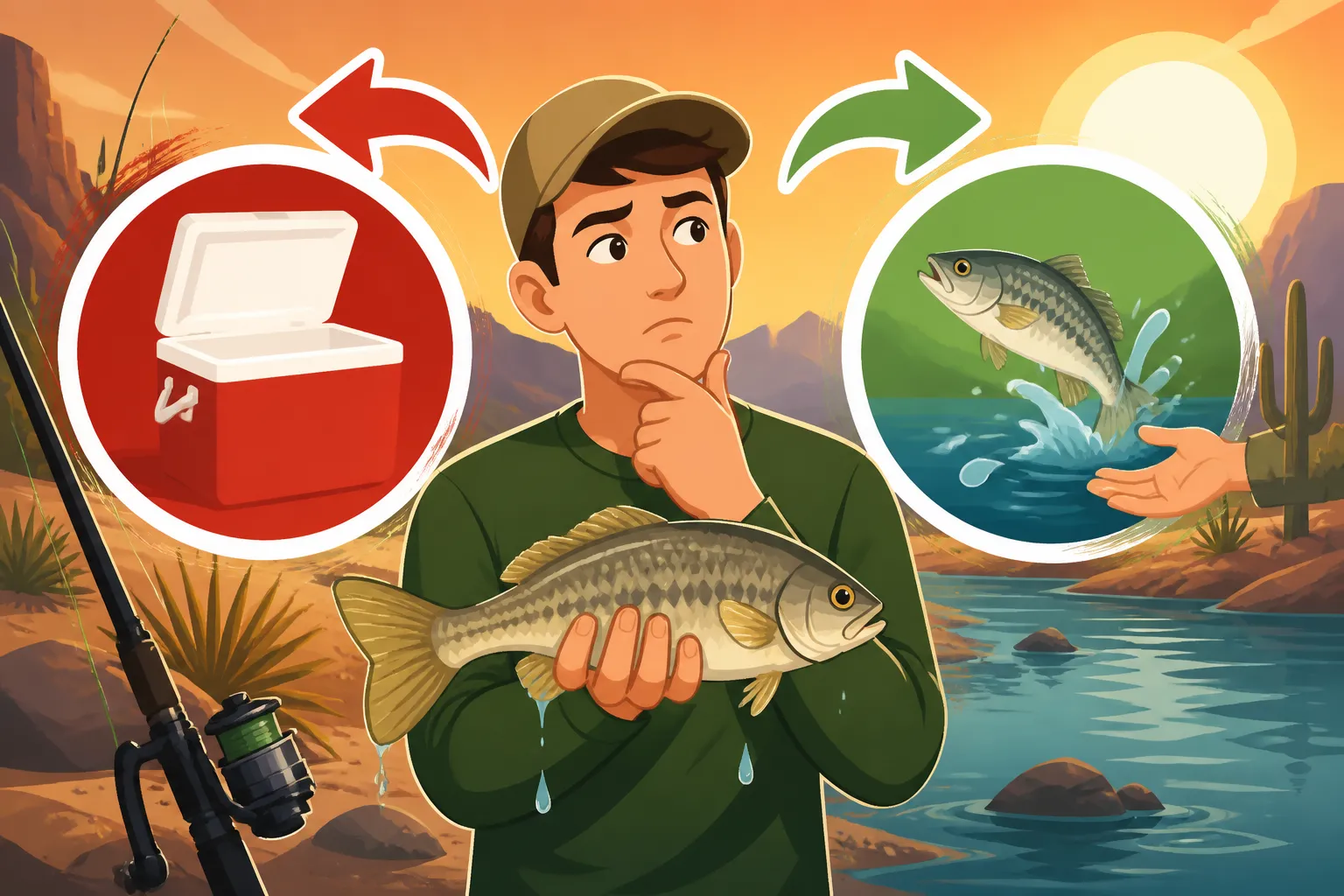
Let's cut right to the chase, because this is often the immediate concern bubbling up when you've just landed a fish that looks a bit out of the ordinary. The simple, overarching answer for many of Arizona's native fish species is: No, you cannot keep them, and you must release them immediately and carefully. This isn't just a suggestion; it's a critical regulation designed to protect some of the state's most vulnerable and unique aquatic inhabitants. It can be a real moment of panic when you’re unsure, but knowing this general rule is your first line of defense against unintentionally breaking the law or harming a struggling species.
The vast majority of Arizona's native fish populations have faced immense challenges over the past century due to habitat loss, competition from non-native species, and changes to water systems. Because of these pressures, many native species are listed as endangered, threatened, or are otherwise protected by strict state and federal regulations. While you might be accustomed to keeping a limit of bass or trout in other waters, the rules are often entirely different when it comes to species that have been here for millennia. This is why it’s so vital to be prepared and knowledgeable before you even cast your first line, especially when fishing in areas known to harbor native populations.
Understanding Arizona's Native Fish Conservation Efforts
You might be wondering, why such strict rules? It boils down to the fact that Arizona's aquatic ecosystems are incredibly delicate and have undergone significant changes. Historically, Arizona had a fascinating array of native fish, many of which were uniquely adapted to the desert's fluctuating water conditions. Think about it – fish surviving and thriving in a landscape defined by aridity is pretty amazing!
However, over the last 150 years or so, things have changed dramatically. The introduction of non-native sport fish like bass, catfish, and various trout species has created intense competition for food and habitat. Damming rivers for water supply and flood control altered natural flows, warmed cold-water habitats, and fragmented populations. Agriculture and urban development further reduced and degraded crucial wetland and riparian areas. The result? Many of Arizona's indigenous fish species have seen their populations plummet, some to the brink of extinction.
The Arizona Game and Fish Department (AZGFD), along with federal partners and conservation groups, works tirelessly to reverse these declines. Their efforts include habitat restoration, removal of invasive species, and carefully managed stocking programs for native fish in protected waters. These conservation programs are often complex and expensive, and every individual fish is precious to their success. When an angler accidentally catches a native fish, the goal is to ensure that fish has the absolute best chance of survival once it's released back into its environment. Understanding this bigger picture helps us all appreciate why these catch-and-release rules for native species are so profoundly important. You're not just following a rule; you're actively participating in the recovery of an irreplaceable part of Arizona's natural heritage.
Identifying Native vs. Non-Native Species
Here’s where it gets tricky for many of us, myself included! It’s not always easy to tell the difference between a native fish and a non-native one, especially for species you might not encounter regularly. Sometimes, the differences are subtle – a slight variation in fin shape, a unique spot pattern, or a different mouth structure. You're out there, adrenaline pumping from a catch, and you might not have time to consult a field guide. This is why pre-trip research is crucial.
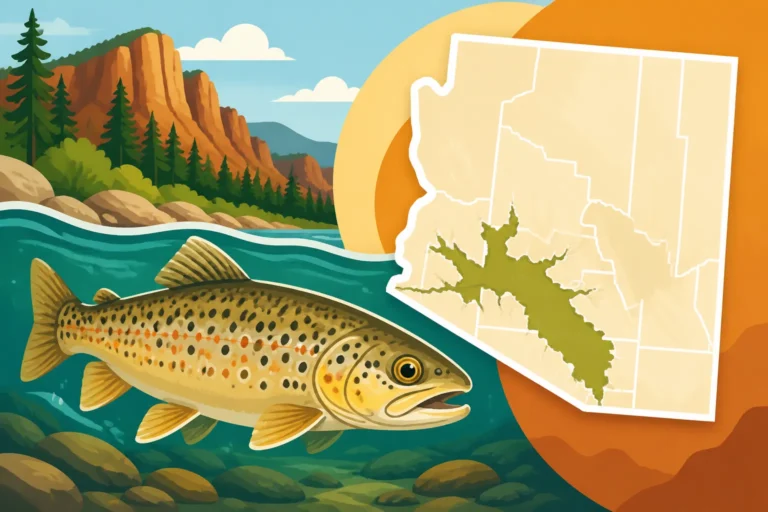
For instance, consider the trout species. While rainbow trout are widely stocked and very common, catching an Apache trout or a Gila trout is a completely different ballgame. Apache trout, which are native, have distinct large, dark spots evenly distributed over their bodies and often a golden-yellow hue. Gila trout are generally smaller, with smaller spots and a more olive-green body. Non-native brown trout or brook trout might have different coloring and spot patterns that can be confusing at first glance. Similarly, in warmer desert waters, you might encounter native minnows or suckers that could be mistaken for baitfish or other common species.
The responsibility ultimately falls on the angler to know what they are catching. Before heading to a particular body of water, especially a river or stream known to have native fish populations, take a few minutes to research the specific fish species that inhabit that area. Look at pictures, read descriptions, and familiarize yourself with their identifying characteristics. Carrying a compact fish identification guide or having reference photos on your phone can be a lifesaver. When in doubt, it is always better to assume a fish is native and release it carefully. This cautious approach ensures you're doing your part to protect these fragile populations. It’s part of being a responsible angler in Arizona. You might find some excellent laminated field guides on sites like Amazon that are perfect for keeping in your tackle box. Fish Species Guide for Arizona Lakes can also provide a broader overview.
What to Do When You Accidentally Catch a Native Fish
Okay, so you've hooked a fish, and your gut or quick ID tells you it's likely a native species. Don't panic! The key now is to act quickly and carefully to give the fish the best chance of survival. Even experienced anglers can make mistakes, and accidental catches happen. What matters most is how you handle the situation once that fish is in your hands. Your actions in those crucial moments can make all the difference for that fish's future.
Remember, the goal isn't just to release the fish, but to release it in the best possible condition so it can recover and continue to contribute to its population. This means minimizing stress, physical damage, and time out of water.
Best Practices for Catch-and-Release of Native Species
When you realize you've caught a native fish, every second counts. Here’s a step-by-step guide to ensure a successful release:
- Keep it Wet: The absolute first rule is to keep the fish in the water as much as possible. If it's small enough, you might even be able to unhook it without taking it out of the water at all. If you have to bring it out briefly, do so for mere seconds.
- Wet Your Hands: Before touching the fish, thoroughly wet your hands. Dry hands can remove the fish's protective slime coat, leaving it vulnerable to disease and infection.
- Handle Gently and Minimize Contact: Support the fish with both hands if possible. Avoid squeezing it, especially around the gills or belly. Try not to let it flop around on rocks or in the dirt.
- Remove the Hook Quickly and Gently:
- Pliers or Hemostats are Your Best Friend: These tools allow you to quickly grip the hook and twist it out without putting your fingers too close to the fish's mouth or gills. This is where a good pair of fishing pliers, perhaps a sturdy, rust-resistant set from Amazon, can really pay off.
- Barbless Hooks are Ideal: If you're fishing in known native fish habitats, consider using barbless hooks. They make hook removal incredibly easy, often just a simple shake of the line. If your hooks aren't barbless, you can pinch down the barb with pliers.
- Deep-Hooked Fish: If the fish has swallowed the hook deeply, do NOT try to tear it out. This will almost certainly cause fatal damage. Instead, cut the line as close to the hook as possible. Studies show that hooks often rust away or are expelled by the fish, giving it a better chance than forceful removal.
- Revive the Fish: Once the hook is out, gently hold the fish upright in the water, facing into a gentle current (if available). Move it back and forth slightly to push water over its gills. Watch for signs of recovery: strong fin movements, gill covers working vigorously, and the ability to swim on its own. Don't let go until it actively tries to swim away from your hands.
- Avoid Photos (Mostly): While a photo might be tempting, the prolonged exposure out of water and handling stress often do more harm than good for sensitive native species. If you absolutely must get a photo, do it quickly, with the fish mostly submerged, and with wet hands. Catch and Release Rules for Arizona Anglers offers even more general tips for proper release.
Reporting and Regulations for Incidental Catches
Now, this is a question that often causes a lot of anxiety: do I need to report that I accidentally caught a native fish? For the vast majority of accidental native fish catches, especially if you followed best catch-and-release practices and the fish swam away seemingly unharmed, no, you do not typically need to report it immediately. The Arizona Game and Fish Department understands that incidental catches occur. Their primary concern is that you release the fish safely and do not intentionally harm or keep it.
However, it's always wise to be informed about the specific regulations for the water body you are fishing. In some extremely rare cases, if you catch a species that is critically endangered and its presence is unexpected, or if you suspect it's injured or dead despite your best efforts, contacting the AZGFD might be appropriate. But these situations are truly exceptional.
The more common and important "reporting" you should do is simply being aware of the general Arizona Fishing Regulations Explained booklet. This guide is updated regularly and details species-specific rules, bag limits, and any special regulations for particular waters. If a native species is particularly sensitive in a certain area, the regulations will clearly state that it's catch-and-release only, or even that fishing for it is prohibited entirely. Always check these before you go. Knowledge is your best tool for compliance and conservation.
Common Native Fish Species and Their Status in Arizona
Arizona is home to a unique collection of native fish, many of which are found nowhere else. Knowing a few of the key players can help you identify them if you're lucky enough to encounter one. These species represent a vital part of Arizona's biodiversity and cultural heritage, deserving of our utmost respect and protection. They are often relics of ancient waterways, adapted to the harsh and beautiful landscapes of the desert southwest. Native Fish Species of Arizona offers a more comprehensive list, but let's highlight a couple of significant ones.
Apache Trout and Gila Trout
These two trout species are Arizona's crown jewels of native cold-water fish. They are true success stories of conservation, having been brought back from the brink of extinction through dedicated efforts.
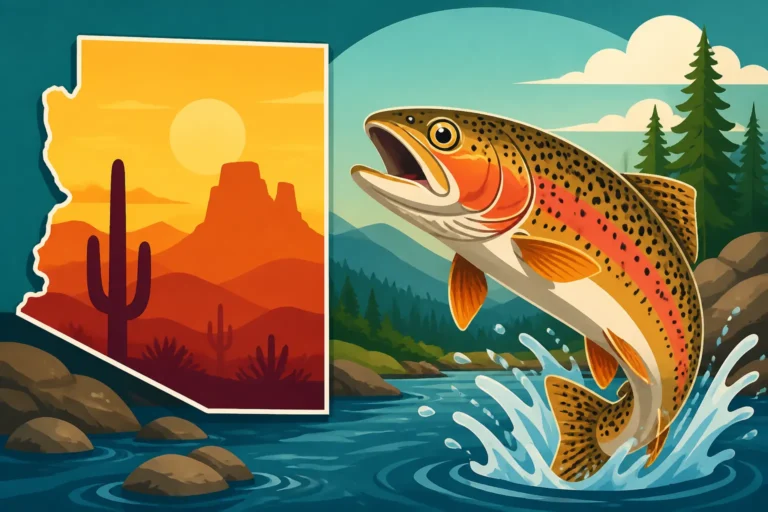
- Apache Trout: This stunning fish, with its golden-yellow body and distinctive dark spots, is Arizona's state fish. Historically, it was found only in the clear, cold streams of the White Mountains. Intensive conservation efforts, including removing non-native trout and restoring habitat, have allowed its populations to rebound in specific, often remote, streams. Apache trout are strictly catch-and-release in all public waters where they occur. Fishing for them is often a special experience, requiring specific knowledge of locations and an unwavering commitment to careful release. Apache Trout Conservation in Arizona details these efforts.
- Gila Trout: Similar to the Apache trout but typically found in slightly different drainages and often having smaller spots and a more olive coloration. Gila trout populations are even more restricted, inhabiting a handful of remote, high-elevation streams. Like Apache trout, Gila trout are almost exclusively managed as catch-and-release only, and sometimes the waters they inhabit are closed to fishing entirely to aid in their recovery.
Both of these species highlight the importance of careful handling. They are sensitive fish, and rough handling or prolonged time out of water can be fatal. If you're fishing in the White Mountains or other high-country streams, assume any trout that isn't clearly a stocked rainbow or brook trout could be an Apache or Gila trout and treat it accordingly.
Colorado River Native Fish Species
The mighty Colorado River and its tributaries once teemed with incredible native fish, many of which are uniquely adapted to its historically warm, turbid, and fluctuating waters. Unfortunately, damming and invasive species have devastated many of these populations. If you're fishing anywhere along the Colorado River in Arizona, particularly in its upper reaches or specific regulated sections, you might encounter some of these highly protected species:
- Razorback Sucker: This fascinating fish is easily recognized by the sharp, bony keel on its back, giving it its distinctive "razorback" appearance. It's a long-lived species that can reach impressive sizes. They are critically endangered and their accidental capture must be met with immediate and careful release. Razorback Sucker Status in Arizona Rivers
- Colorado Pikeminnow: Once the largest native minnow in North America, growing to several feet in length and weighing over 80 pounds, it's a true apex predator of the old Colorado River. Now, it's critically endangered. If you happen to catch what looks like an unusually large, torpedo-shaped minnow, release it with extreme care. Colorado Pikeminnow Status in Arizona
- Humpback Chub: Another unique species named for its prominent fleshy hump behind its head. These fish are superbly adapted to the turbulent, canyon-dwelling sections of the Colorado River. They are also critically endangered. Humpback Chub Habitat in the Grand Canyon
- Bonytail Chub: Considered one of the rarest fish in North America, bonytails are slender, streamlined fish perfectly suited for fast-moving river currents. Their populations are extremely fragile. Bonytail Chub Conservation Status
Encounters with these Colorado River natives are relatively rare for casual anglers due to their critically low numbers and restricted habitats. However, it's crucial to be aware of them. If you suspect you've caught one, the procedure is the same: wet hands, immediate and gentle release, and minimal time out of water. Do not attempt to take a photo.
Here's a quick reference table to help visualize some key native species and their general status:
| Native Fish Species | Common Location/Habitat | General Protection Status |
|---|---|---|
| Apache Trout | White Mountains streams | Strictly Catch-and-Release |
| Gila Trout | Remote mountain streams | Strictly Catch-and-Release |
| Razorback Sucker | Lower Colorado River | Endangered; Catch-and-Release |
| Colorado Pikeminnow | Upper Colorado River | Endangered; Catch-and-Release |
| Humpback Chub | Colorado River canyons | Endangered; Catch-and-Release |
| Bonytail Chub | Colorado River | Endangered; Catch-and-Release |
| Sonora Sucker | Central/Southern AZ rivers | Varies by location; typically protected |
| Desert Pupfish | Small desert springs | Endangered; not typically caught by anglers |
Understanding the Consequences of Illegally Keeping Native Fish
Hopefully, after reading this, you'll feel much more confident in handling an accidental native fish encounter. But it's important to understand why these rules are so serious and what could happen if you intentionally, or even carelessly, violate them. The regulations aren't just there to be inconvenient; they're the legal framework for protecting irreplaceable natural resources.
Fines and Penalties for Violations
The Arizona Game and Fish Department (AZGFD) takes the protection of native species very seriously, and for good reason. Violating regulations concerning protected or endangered species can lead to significant repercussions. This isn't just a slap on the wrist.
Penalties can range from substantial fines to the revocation or suspension of your fishing license, and in more severe cases, even jail time. The specific fine amount will depend on the species, its conservation status, the number of fish involved, and the circumstances of the violation (e.g., accidental versus intentional harm). For critically endangered species, fines can be thousands of dollars per fish, reflecting the ecological value placed on these rare creatures. Additionally, you could face federal charges if the species is protected under federal laws like the Endangered Species Act.
Imagine the frustration of having your fishing privileges revoked after investing in gear, a new kayak from Amazon, or even an Arizona combo hunt and fish license. It's a harsh reality, but these measures are in place because the stakes for these native populations are incredibly high. It's far better to err on the side of caution and release any fish you're unsure about. Fishing Violation Fines and Penalties in Arizona can give you a clearer picture of the legal consequences.
The Broader Impact on Conservation
Beyond the personal legal ramifications, there's a much larger, ecological impact to consider. When an angler illegally keeps even one native fish, especially a rare one, it can have disproportionately negative effects on an already fragile population. For species with extremely low numbers, every individual counts.
Think of it this way: if a species has only a few hundred individuals left in the wild, the loss of even one fish can represent a significant setback for breeding potential and genetic diversity. It's not just about that single fish; it's about the future of its entire lineage. These native species play unique roles in their ecosystems, from controlling insect populations to serving as food sources for other wildlife. Their decline or loss can disrupt the delicate balance of Arizona's rivers and streams, leading to unforeseen consequences for the entire natural community.
By diligently practicing proper catch-and-release for native species and educating ourselves on their importance, we become stewards of Arizona's natural heritage. We contribute directly to the recovery efforts and help ensure that these unique and beautiful fish continue to grace our waters for generations to come. It’s a responsibility that all Arizona anglers share, and it's a pretty rewarding one when you think about it.
Disclaimer
This article is for general informational purposes only and does not constitute professional advice. Laws, prices and regulations vary by location and change over time. Consult a qualified professional for guidance on your specific situation.