Is the Apache Trout Endangered?
There's often a lot of confusion and sometimes even a little heartbreak when anglers think about Arizona's native fish, especially the beautiful Apache Trout. Many folks wonder if this iconic species is still teetering on the brink of extinction, and it's a valid concern given the environmental challenges our waters face. This guide aims to clear up that confusion, diving deep into the history, current status, and future outlook for the Apache Trout, helping you understand its unique place in Arizona's natural heritage and how you can play a part in its continued survival.
What Exactly is an Apache Trout?
When you hear "trout" in Arizona, your mind might first jump to the stocked rainbows in urban lakes or the brown trout in our cooler mountain streams. But the Apache Trout, or Oncorhynchus apache, is something truly special. It's one of only two trout species native to Arizona, a living testament to the unique aquatic ecosystems of our state's high country. This fish isn't just another trout; it's a symbol of resilience and a crucial part of our natural heritage, carrying a rich history in its iridescent scales.
A True Arizona Native
The Apache Trout stands out from its non-native cousins with some distinct features. Typically, they have a golden-yellow to copper body color, often flecked with small, evenly spaced dark spots across their sides, back, and dorsal fin. You might notice a dark horizontal bar through the eye, a sort of "mask," which is a tell-tale sign. Their lower fins often have a creamy-white or yellowish leading edge, separating them from the more vibrant fins of rainbow trout. They generally don't grow as large as some of the reservoir-dwelling rainbows or browns, usually topping out at around 10 to 12 inches in their native stream environments, though some can get larger in lakes. Catching one is a rare privilege, a moment to appreciate a fish that has called Arizona home for millennia. Understanding these specific markings is crucial, especially when you're fishing in waters where both native and non-native trout might coexist, as you certainly don't want to accidentally keep a protected species.
Its Original Home and Historical Significance
Historically, the Apache Trout called the cold, clear streams of the White Mountains home. Picture pristine mountain creeks, fed by melting snow and shaded by towering ponderosa pines, meandering through meadows and canyons — that's the Apache Trout's ancestral domain. Their native range includes the headwaters of the Little Colorado River, Black River, and San Francisco River drainages on the Fort Apache and San Carlos Apache Reservations, as well as portions of the Apache-Sitgreaves National Forests. The survival of these fish is deeply intertwined with the cultural history of the Apache tribes, who have lived in these mountains for centuries. They represent a connection to the land and its resources that is both spiritual and practical, a symbol of the wild, untamed beauty of Arizona's high country. For many anglers, just knowing these fish are out there, swimming in their native waters, adds a profound layer to the Arizona fishing experience, a reminder of the unique biodiversity we are so fortunate to have. If you're looking for more details on where these remarkable fish can be found, you might want to read up on the Apache Trout Range in Arizona.
The Apache Trout's Conservation Journey
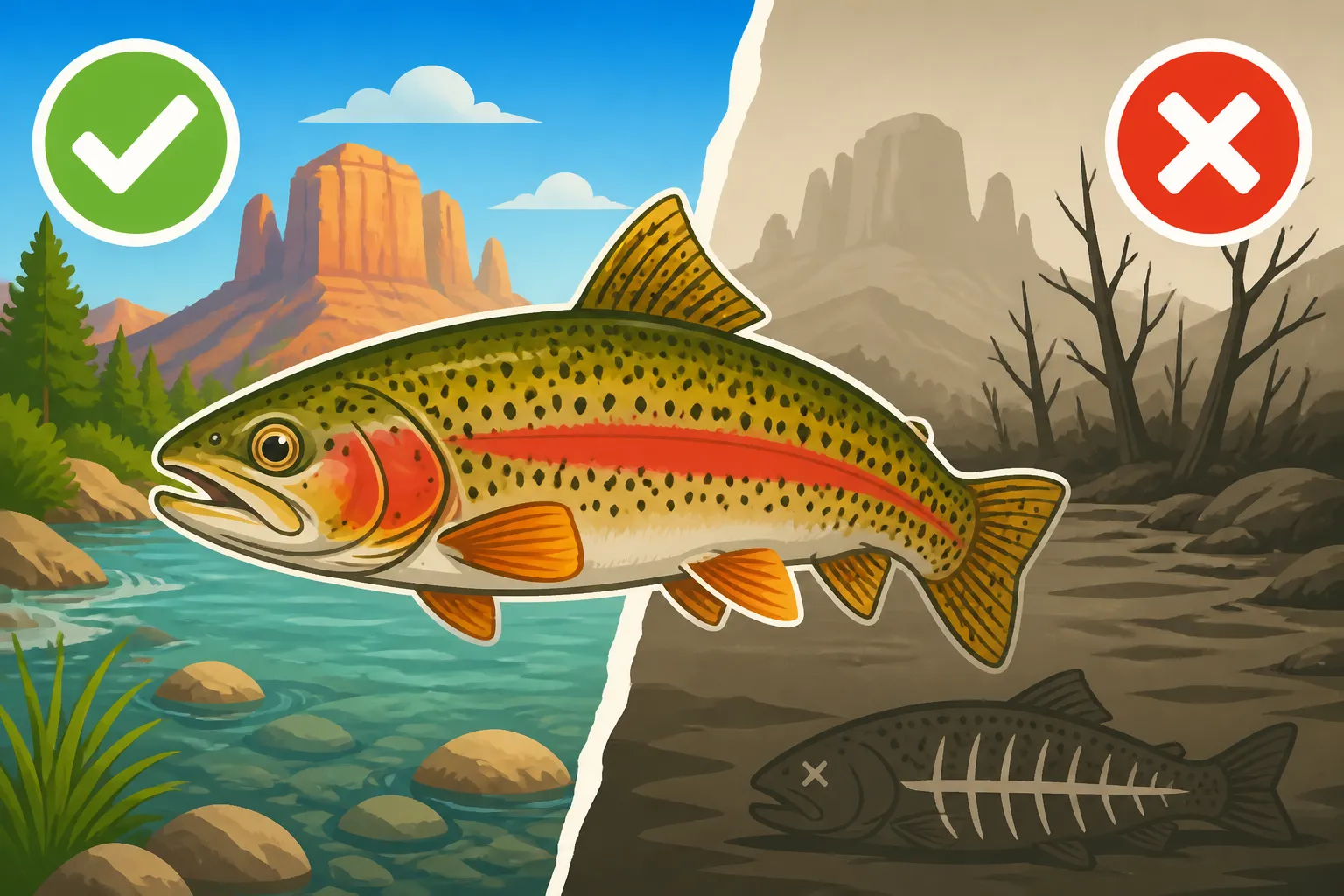
The story of the Apache Trout is one of incredible highs and devastating lows. For a time, it seemed almost certain that this beautiful native fish would vanish forever, a victim of progress, neglect, and the unintended consequences of human activity. However, thanks to dedicated efforts, its narrative took a turn, transforming from a tragic decline into a remarkable comeback story. This journey highlights the immense challenges faced by native species and the monumental efforts required to pull them back from the brink.
The Brink of Extinction
By the mid-20th century, the Apache Trout population had plummeted to dangerously low numbers, with their range shrinking to less than 5% of its historical extent. Several factors conspired to push this species toward oblivion. Habitat degradation was a major culprit; logging practices, cattle grazing, and road construction led to increased sedimentation in streams, warmer water temperatures, and altered water flows, all of which are detrimental to cold-water trout. Overfishing also played a role before protective measures were in place, as anglers unknowingly contributed to the decline.
However, the most significant threat came from the introduction of non-native trout species, primarily rainbow and brown trout. These non-native fish competed with Apache Trout for food and habitat, but more critically, they interbred, or hybridized, with the native populations. This genetic pollution meant that pure Apache Trout strains were becoming increasingly rare, diluted by the genes of their introduced cousins. Imagine a unique painting slowly being covered by a different, less distinct one – that's what was happening genetically. This hybridization threatened the very genetic integrity of the species, making conservation efforts incredibly complex. For further reading on the broader issue of non-native species, check out Invasive and Protected Fish Species in Arizona.
Early Conservation Efforts and Federal Protection
Recognizing the dire situation, conservationists, tribal nations, and state and federal agencies began to act. In 1967, the Apache Trout was officially listed as an "Endangered" species under the newly enacted federal Endangered Species Preservation Act (a precursor to the modern Endangered Species Act of 1973). This listing was a critical turning point, providing the legal framework and funding necessary to launch comprehensive recovery programs.
Early efforts focused on several key strategies. One major initiative involved isolating and identifying genetically pure populations of Apache Trout. This often meant using electrofishing techniques to capture fish, taking genetic samples, and then moving pure fish to "refuge" waters – streams that were either naturally barren of fish or had been chemically treated to remove all fish, especially non-native species. These refuge streams served as safe havens where Apache Trout could reproduce and thrive without the threat of hybridization. Habitat restoration projects also began, working to repair damaged stream banks, plant riparian vegetation for shade, and improve water quality in their native range. It was a massive undertaking, requiring collaboration, scientific expertise, and a deep commitment to preserving this unique Arizona treasure.
Current Status: Is the Apache Trout Still Endangered?
The question "Is the Apache Trout still endangered?" is one that often pops up, and it's a testament to the success of conservation efforts that we can even discuss its improved status. While the journey isn't over, the outlook for the Apache Trout has brightened considerably, showcasing what dedicated conservation can achieve.
The Path to Recovery and Delisting
Thanks to decades of intensive work, the Apache Trout began to recover. The recovery efforts were multifaceted, involving not just the establishment of refuge populations but also careful management of their natural habitats. Barrier construction, such as small waterfalls or man-made structures, was often employed to prevent non-native trout from migrating upstream into pure Apache Trout waters. Stocking programs, using genetically pure fish raised in hatcheries, helped bolster populations in suitable rehabilitated streams and lakes.
These diligent efforts paid off. In 2011, after demonstrating significant population recovery and habitat expansion, the U.S. Fish and Wildlife Service reclassified the Apache Trout from "Endangered" to "Threatened." This change wasn't a removal from protection but rather an acknowledgment of its improved status. Being "Threatened" means the species is still considered likely to become endangered in the foreseeable future, but it's no longer facing immediate extinction. It's like moving from critical condition to serious but stable – still needing care, but out of immediate danger. This reclassification was a huge win for conservationists and a beacon of hope for other endangered species struggling for survival. It also allowed for more flexible management strategies, including limited, regulated fishing opportunities in some areas, providing anglers a chance to connect with this native fish while still ensuring its protection.
Here's a quick look at the journey:
| Status Change | Year | Definition | Impact on Apache Trout |
|---|---|---|---|
| Endangered | 1967 | A species in danger of extinction throughout all or a significant portion of its range. | Strict protections, intensive recovery plans, habitat preservation, non-native fish removal. |
| Threatened | 2011 | A species likely to become endangered within the foreseeable future throughout all or a significant portion of its range. | Continued protections, active management, population monitoring, limited regulated fishing in some areas. |
| Delisted | N/A | Removed from the endangered species list due to recovery. (This has not happened yet for the Apache Trout.) | Ongoing monitoring, state-level management, but fewer federal restrictions. |
Ongoing Protection and Future Challenges
While the Apache Trout is no longer "Endangered," it remains a "Threatened" species, which means robust protections and management strategies are still very much in place. Anglers need to be extremely mindful of specific regulations when fishing in areas where Apache Trout are present. This often includes special catch-and-release rules, specific lure restrictions (e.g., artificial flies and lures only), and strict identification requirements. Native Fish Protection Rules in Arizona are very serious, and accidentally keeping a protected fish can result in significant penalties.
Future challenges for the Apache Trout include maintaining genetic purity, especially as climate change potentially alters stream temperatures and flow regimes, which could expand the range of non-native species or stress native populations. Ongoing habitat restoration, careful monitoring of populations, and public education are all vital components of ensuring the Apache Trout continues its recovery. The Arizona Game and Fish Department, along with the White Mountain Apache Tribe, continue to be at the forefront of these efforts, working tirelessly to ensure this unique part of Arizona's natural history endures for generations to come. Your awareness and adherence to regulations are crucial to their ongoing success.
How Anglers Can Help
As anglers, we often feel a deep connection to the places we fish and the fish we pursue. When it comes to a special species like the Apache Trout, that connection can translate into powerful conservation action. Far from being passive observers, we can be active participants in ensuring the long-term health and vitality of these remarkable native fish. It’s not just about avoiding harm; it’s about contributing to their flourishing.
Practicing Responsible Fishing
One of the most direct ways anglers can help is by adopting responsible fishing practices, particularly in waters where Apache Trout might be present. This starts with knowing your regulations inside and out. Always consult the latest Arizona Game and Fish Department fishing regulations booklet, especially for the specific waters you plan to visit. Many streams or lakes that hold Apache Trout will have special regulations, such as "catch-and-release only" or "artificial flies and lures only." Adhering strictly to these rules is non-negotiable.
When practicing catch and release, proper fish handling is paramount. If you happen to catch an Apache Trout, try to minimize its time out of the water. Use barbless hooks, which make for easier and less damaging unhooking. Cradle the fish gently in the water, removing the hook with forceps or pliers, and allow it to recover before release. Avoid touching the fish with dry hands, as this can remove their protective slime layer, making them vulnerable to disease. Learning to accurately identify the Apache Trout from other species, like rainbow trout, is also critical. Look for those distinctive golden-yellow bodies, dark eye bar, and even spotting pattern. If you're unsure, it's always best to assume it's a protected species and release it immediately and carefully. Catch and Release Rules for Arizona Anglers provides an excellent resource for best practices.
Supporting Conservation Efforts
Beyond direct fishing practices, anglers can support Apache Trout conservation in broader ways. Financial contributions to organizations like the Arizona Game and Fish Department's conservation efforts or non-profits dedicated to native fish restoration can make a real difference. These funds often go towards habitat improvement projects, scientific research, and ongoing stocking programs.
Volunteering your time is another fantastic option. Many conservation groups periodically organize stream clean-ups, riparian planting days, or barrier maintenance projects in critical Apache Trout habitats. Getting your hands dirty and directly contributing to the health of these ecosystems can be incredibly rewarding. Even spreading awareness among your fellow anglers and friends about the importance of native fish conservation helps foster a culture of stewardship. You can also find great educational resources and gear that supports ethical fishing on platforms like Amazon, from books on native fish identification to specialized catch-and-release tools, where some brands contribute a portion of their sales to conservation.
Staying Informed
The world of fish conservation is dynamic, with regulations and management strategies evolving as populations respond to efforts and new challenges emerge. Therefore, staying informed is crucial. Regularly check the Arizona Game and Fish Department's website for updates on specific regulations, stocking schedules, and conservation news. Attending public meetings or workshops can also provide valuable insights and opportunities to voice your support.
Consider signing up for newsletters from relevant conservation organizations or the state game and fish department. These resources often provide timely information about important dates, volunteer opportunities, and success stories that keep you engaged and knowledgeable. Being informed allows you to not only comply with the latest rules but also to become an advocate for the Apache Trout and its fragile mountain home. Your active participation, whether through responsible angling, financial support, or simply staying educated, is vital to ensuring the Apache Trout continues to swim in Arizona's beautiful high-country streams for generations to come.
Disclaimer
This article is for general informational purposes only and does not constitute professional advice. Laws, prices and regulations vary by location and change over time. Consult a qualified professional for guidance on your specific situation.