Native Fish Protection Rules in Arizona
It's incredibly frustrating to head out for a peaceful day of fishing, only to realize you might be unwittingly impacting delicate ecosystems. Many anglers in Arizona worry about how to enjoy their passion responsibly without harming the state's precious native fish populations, which are often rare and highly protected. This guide will walk you through Arizona's native fish protection rules, helping you understand which species are protected, how to identify them, and the best practices to ensure you're fishing ethically and legally.
Why Protecting Arizona's Native Fish Matters So Much
Arizona, with its stark deserts and high mountains, might not seem like a prime aquatic habitat, but it's home to some truly unique and resilient fish species. These native fish have adapted over millennia to thrive in environments that would wipe out most other aquatic life. Their continued survival is a testament to nature's ingenuity and a critical part of the state's natural heritage. Understanding their plight and the rules in place to protect them isn't just about avoiding a fine; it's about preserving a piece of Arizona's soul for future generations.
The Ecological Importance of Native Species
Think about the intricate web of life in Arizona's rivers and lakes. Every species, no matter how small or seemingly insignificant, plays a vital role. Native fish species, from the tiny bonytail chub to the vibrant Apache trout, are cornerstone species in their specific habitats. They help control insect populations, serve as food for larger predators like otters and eagles, and even contribute to the health of the aquatic plants by grazing and distributing nutrients. When a native species disappears, it's not just that one fish that's gone; it's a ripple effect that can destabilize the entire ecosystem, leading to a cascade of negative consequences for other plants and animals. They've evolved alongside Arizona's unique climate and geology, making them perfectly suited to handle extreme temperatures, fluctuating water levels, and specific food sources. Without them, the entire ecological balance can tip, sometimes irrevocably.
The Fragile State of Arizona's Aquatic Ecosystems
Unfortunately, Arizona's native fish face an uphill battle. Decades of habitat destruction, primarily due to damming rivers, diverting water for agriculture and urban development, and pollution, have significantly reduced their available living spaces. But perhaps the biggest threat comes from non-native, or invasive, fish species. These introduced fish often outcompete native species for food and habitat, prey on their young, or introduce diseases that native fish have no natural immunity to. Many of our popular sport fish, like largemouth bass or rainbow trout, are non-native to many Arizona waters and can have a detrimental impact on delicate native populations. The combination of shrinking habitats and aggressive invaders has pushed many of Arizona's native fish to the brink of extinction, making every protective measure, and every responsible angler, incredibly important. This is why you'll often find special regulations in certain waters aimed at giving native fish a fighting chance.
The Legal and Ethical Responsibilities of Anglers
As anglers, we have a unique connection to these aquatic environments, and with that connection comes a profound responsibility. The state of Arizona has implemented specific rules and regulations to protect native species, and it's our legal obligation to know and follow them. Beyond the law, there's an ethical imperative. We are stewards of these natural resources, and our actions directly impact their future. Releasing a protected native fish unharmed, using appropriate gear, and educating ourselves on the distinct characteristics of these species are not just suggestions; they are crucial components of being a responsible and conservation-minded angler. Ignoring these rules can lead to significant penalties, but more importantly, it can contribute to the irreversible loss of these irreplaceable parts of Arizona's natural heritage. Understanding the complete picture of Arizona Fishing Regulations Explained is a foundational step for any angler in our state.
Key Native Fish Species and How to Identify Them
One of the biggest challenges for anglers is accurately identifying a fish, especially when you've just landed it. Many native species have non-native lookalikes, and a mistaken identity could have serious consequences for the fish and for you. Taking the time to learn the distinguishing features of Arizona's protected native fish is perhaps the most important skill an ethical angler can develop. It’s not about being a ichthyologist; it’s about recognizing a few key traits in the moment.
Identifying Common Protected Native Species
Arizona is home to several federally and state-protected native fish. Here are some of the most critical ones to recognize:
- Apache Trout (Oncorhynchus apache): This is Arizona's state fish and a true gem. They have a yellowish-gold to bronze body, often with dark spots that are relatively large and evenly distributed, sometimes extending onto the dorsal and caudal fins. A distinctive feature is the presence of two small, dark "cutthroat" marks on the underside of the jaw, though these can be faint. They typically have a small head and mouth. Their native range is primarily in the White Mountains of eastern Arizona. If you're fishing in those high-elevation streams, assume any trout could be an Apache Trout and handle it with extreme care. You can learn more about Apache Trout Conservation in Arizona through various state programs.
- Gila Trout (Oncorhynchus gilae): Similar to the Apache Trout, the Gila Trout also hails from mountain streams, primarily in southwestern New Mexico and eastern Arizona. They tend to be more silvery-gold to brassy with small, scattered dark spots, usually concentrated above the lateral line. The cutthroat marks are typically absent or very faint. They often have a reddish-pink stripe along the lateral line. Distinguishing Gila from Apache trout can be tricky, as they sometimes overlap in appearance, but both require the utmost protection.
- Razorback Sucker (Xyrauchen texanus): This unique fish is instantly recognizable by the sharp-edged bony keel (or "razorback") on its back, right behind the head. Its body is typically dark olive to brown on top, fading to lighter shades on the belly. They can grow quite large, sometimes over 3 feet long. Historically found throughout the Colorado River basin, they are now critically endangered and mostly found in specific managed populations in larger rivers and reservoirs. If you catch a fish with a pronounced hump on its back, it's likely a Razorback Sucker and needs to be released immediately and carefully.
- Colorado Pikeminnow (Ptychocheilus lucius): Formerly known as the Colorado River squawfish, this is the largest native minnow in North America, capable of reaching over 6 feet in length! They have a long, slender body, a large mouth, and no barbels (whisker-like appendages). Their color ranges from olive green to brown on the back, fading to silvery-white on the belly. While once widespread, they are now extremely rare and critically endangered, mostly found in a few stretches of the Colorado River and its tributaries, often in deeper, warmer waters.
- Bonytail Chub (Gila elegans) and Humpback Chub (Gila cypha): These are smaller, highly adapted chubs with distinct body shapes. The bonytail chub has a slender, elongated body, a small head, and a large, deeply forked tail. It's usually olive to silver. The humpback chub is characterized by a pronounced fleshy hump just behind its head, which gives it its name, and a sharply bent body shape. Both are found in specific sections of the Colorado River and its canyon systems, adapted to swift currents. Their unique body shapes are unmistakable once you know what to look for.
How to Differentiate Natives from Lookalikes
It’s easy to get confused when you're excited and a fish is flopping around. Many non-native species share similarities with their protected cousins. For instance, the Apache and Gila Trout can sometimes be confused with rainbow trout, especially smaller ones. Rainbow trout typically have a broader, pinkish-red stripe along their sides and more numerous, smaller spots that cover their entire body, including often a distinct band on the caudal fin. They also usually lack the distinct cutthroat marks.
Similarly, other sucker species, like the flannelmouth sucker, might be caught in waters where razorback suckers are protected. Flannelmouth suckers lack the pronounced "razorback" keel; their backs are generally smooth and rounded. Common carp, another non-native, can be mistaken for larger native fish but are easily identified by their two pairs of barbels around the mouth and their typically golden-bronze color.
The key is to pay attention to subtle details: the presence or absence of barbels, the shape of the dorsal hump, the size and distribution of spots, and any distinctive markings on the jaw. If you are ever in doubt, treat the fish as if it were a protected native species. This means practicing immediate and careful catch and release. Many state resources, including the Arizona Game and Fish Department (AZGFD) website and their annual fishing regulations booklet, offer excellent visual guides to help with identification.
Specific Regulations for Native Fish Protection
Arizona isn't messing around when it comes to protecting its native fish. The rules are designed to give these fragile populations the best chance at survival, and they require anglers to be diligent and responsible. These aren't just suggestions; they are legally binding rules outlined in the Arizona Fishing Regulations Explained document.
Catch and Release Rules for Protected Species
If you've identified a fish as a protected native species, the rule is simple and absolute: immediate and careful release. This isn't just about tossing it back; it's about minimizing harm during the entire process. Here’s what that entails:
- Minimize Handling Time: The less time a fish spends out of water, the better its chances of survival. Have your camera ready before you even bring the fish near the boat or shore, if you plan to photograph it.
- Keep Hands Wet: Always wet your hands before touching a fish. Dry hands can remove the fish's protective slime coat, which makes it vulnerable to disease and infection.
- Use Barbless Hooks: This is perhaps the single most effective way to ensure a quick and clean release. Barbless hooks come out much easier, causing less damage to the fish's mouth. You can even crimp the barbs on your existing hooks with a pair of pliers. Many experienced anglers now choose barbless hooks for all their fishing, not just when targeting protected species.
- Pliers and Dehookers: Carry a good pair of needle-nose pliers or a specialized dehooking tool. These allow you to quickly remove the hook without putting your hands in the fish's gills or squeezing its body. You can find durable options for fishing pliers and dehookers on Amazon that are designed for safe fish handling.
- Support the Fish: If you need to lift the fish for a quick photo, support its body horizontally with both hands. Never hold a fish vertically by its jaw or gills, as this can cause severe internal damage.
- Revive If Necessary: If the fish seems sluggish after release, gently hold it upright in the water, facing into the current, and move it back and forth until it swims away strongly on its own. This helps force water over its gills.
- Special Considerations for Trout: Trout are particularly delicate. Keep them in the water as much as possible. If a hook is deeply embedded and cannot be removed without causing further damage, it's often better to cut the line as close to the hook as possible rather than risk internal injury. For more general guidance, consult the section on Catch and Release Rules for Arizona Anglers.
Prohibited Areas and Gear Restrictions
Arizona Game and Fish Department often designates specific waters or sections of rivers as "Special Regulation Waters in Arizona" to protect native fish. These areas might have unique rules that differ from general statewide regulations. This could include:
- Closed Seasons: Certain areas might be entirely closed to fishing during specific times of the year, usually to protect spawning native fish.
- Gear Restrictions: You might be limited to artificial lures only, or even single, barbless hooks. In some cases, bait fishing might be entirely prohibited, especially in trout streams where native trout are being restored. Always check the regulations for the specific body of water you intend to fish.
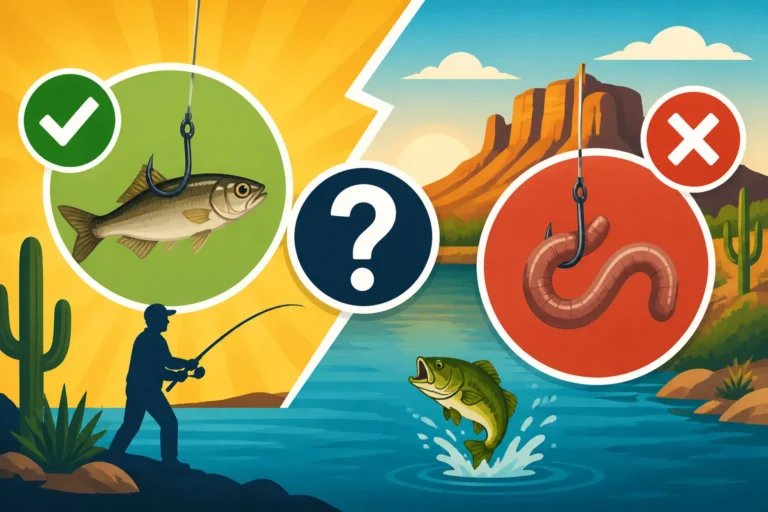
- No Live Bait Zones: In areas sensitive to invasive species, using live bait (especially minnows) might be illegal to prevent the introduction of new species. Always check the Live Bait Rules for Arizona Lakes before you head out.
- Catch-and-Release Only: Many native fish recovery areas are designated as catch-and-release only for specific species or all species, meaning no fish can be harvested.
It’s crucial to consult the most current Arizona Game and Fish Department fishing regulations booklet or their online resources before every fishing trip, especially if you're exploring a new area. Regulations can change annually or even mid-season to adapt to conservation needs.
Reporting Accidental Catches or Violations
Even the most careful angler can accidentally hook a protected species, especially if it's mixed with non-native fish. If this happens, follow the catch and release rules detailed above, and consider reporting the catch to AZGFD, especially if it's an unusually rare or significant find. This information can be valuable for biologists monitoring native populations.
If you witness someone intentionally harming or illegally keeping a protected native fish, or engaging in any other fishing violation, it's your responsibility to report it. AZGFD has a "Operation Game Thief" program where you can anonymously report wildlife violations. Providing as much detail as possible (location, time, description of individuals, vehicle information, type of violation) can help law enforcement protect these vulnerable species. The Penalty for Keeping a Protected Fish in Arizona can be severe, so it's a serious matter.
Best Practices for Responsible Anglers
Beyond simply following the rules, there are several "best practices" that truly elevate an angler to a conservationist. These actions help ensure the long-term health of Arizona's aquatic environments, benefiting both native fish and the fishing experience for everyone.
Minimizing Impact and Preventing the Spread of Invasive Species
Our presence at the water's edge, or in a boat, can have unintended consequences. Being mindful of these impacts is crucial:
- Clean, Drain, Dry: This mantra is paramount to preventing the spread of aquatic invasive species. Before leaving any body of water, meticulously inspect your boat, trailer, waders, boots, and all fishing gear. Remove any visible mud, plants, or debris. Drain all water from your boat, livewell, baitwell, and cooler. Finally, allow all your gear to thoroughly dry in the sun for at least five days before using it in another body of water. This simple act can stop the spread of microscopic invaders like quagga mussels or unwanted plant species.
- Proper Bait Disposal: Never release unused live bait into a body of water unless you are absolutely certain it came from that specific water. Foreign bait can introduce new fish species, diseases, or parasites. Dispose of unwanted bait in the trash, not the water.
- Don't Move Fish: It should go without saying, but never move live fish from one body of water to another. This is a primary way invasive species are spread, and it's illegal. Even if you think you're helping, you could be devastating an entire ecosystem.
- Stay on Designated Paths: When fishing from shore, try to stay on established trails or access points. Trampling vegetation can lead to erosion and degraded habitat for both aquatic and terrestrial wildlife.
Choosing the Right Gear and Techniques for Delicate Handling
Having the right tools can make all the difference in ensuring a successful and responsible catch and release.
- Barbless Hooks: We mentioned them before, but they are worth reiterating. Make the switch. If you can't find barbless hooks for your favorite lures, it's incredibly easy to crimp down the barb on any hook with a pair of pliers. This tiny modification drastically reduces harm to fish.
- Soft Landing Nets: A rubber-coated or knotless mesh net is far superior to traditional knotted nylon nets for landing fish destined for release. These nets are much gentler on a fish's slime coat and fins, minimizing injury. A variety of these nets are readily available on Amazon, often designed specifically with catch-and-release in mind.
- Appropriate Tackle: Using tackle that is appropriately matched to the size of fish you're targeting can help. Overly light tackle can lead to prolonged fights that exhaust the fish, making them less likely to survive release. Conversely, gear that is too heavy might not allow for subtle presentations in delicate native habitats. Think about your rod and reel setup, considering options like the Best Fishing Rods for Bass in Arizona or specific setups for trout, to ensure you're well-equipped.
- Essential Tackle Box Setup for Arizona Beginners: A well-organized tackle box should include not just hooks and lures, but also essential tools like a good pair of pliers, a line cutter, and maybe even a small measuring tape if you're fishing in waters with size limits.
Educating Yourself and Others
The best conservationists are often the most informed. Your commitment to learning and sharing that knowledge is a powerful force for good.
- Stay Informed: Regularly check the AZGFD website for updates on regulations, native fish conservation efforts, and stocking schedules. Join local fishing clubs or conservation groups that focus on Arizona's aquatic resources.
- Share Your Knowledge: When you encounter other anglers who might not be aware of native fish protection rules, gently and politely share what you've learned. Lead by example in your fishing practices. Remember, most people want to do the right thing; they just might not know how.
- Support Conservation: Consider purchasing an Arizona Combo Hunt and Fish License Cost as a way to contribute to conservation, or even volunteering for stream cleanups or habitat restoration projects. Your participation, no matter how small, makes a difference.
By embracing these responsible fishing practices, you're not just adhering to the letter of the law; you're actively participating in the vital effort to protect Arizona's unique and irreplaceable native fish populations. Every thoughtful cast and careful release contributes to a healthier future for our waters.
Summary of Native Fish Protection Rules
Here's a quick reference for some of the key native fish species in Arizona and the general rules surrounding them:
| Native Fish Species | Key Identification Features | Protection Status | General Rule for Anglers |
|---|---|---|---|
| Apache Trout | Yellowish-gold, large spots, small cutthroat marks | State & Federally Protected | Immediate, careful catch and release. Barbless hooks highly recommended. |
| Gila Trout | Silvery-gold, small scattered spots (mostly above lateral line), no cutthroat marks | Federally Protected | Immediate, careful catch and release. Barbless hooks highly recommended. |
| Razorback Sucker | Distinct sharp-edged bony keel (razorback) behind head, large body | Federally Protected | Immediate, careful catch and release. |
| Colorado Pikeminnow | Very large (up to 6ft), long slender body, large mouth, no barbels | Federally Endangered | Immediate, careful catch and release. |
| Bonytail Chub | Slender, elongated body, small head, deeply forked tail | Federally Endangered | Immediate, careful catch and release. |
| Humpback Chub | Pronounced fleshy hump behind head, sharply bent body shape | Federally Endangered | Immediate, careful catch and release. |
| General Best Practices | Wet hands, use pliers, minimize air exposure, support horizontally, revive. | Essential for all protected species | Always check specific regulations for the water you are fishing. |
Disclaimer
The information provided in this guide is for general informational purposes only and does not constitute legal advice. Fishing regulations in Arizona can be complex and are subject to change. Always consult the most current official Arizona Game and Fish Department (AZGFD) fishing regulations booklet or their official website before embarking on any fishing trip to ensure compliance with all state and local laws.