Bonytail Chub Conservation Status
It's always a bummer when you're out enjoying a day of fishing, and you hear whispers about endangered species. It can make you feel a little nervous, wondering if you're inadvertently doing something wrong or if you might encounter a fish you're not supposed to keep. Today, we're going to dive deep into the world of the Bonytail Chub, specifically its conservation status in Arizona, so you can fish with confidence and be part of the solution.
What Exactly is a Bonytail Chub?
When you think of fish in Arizona, you probably picture a big largemouth bass, a feisty trout, or a whiskered catfish. But Arizona is also home to some truly unique native species, and the Bonytail Chub is one of the most remarkable, albeit rarest, among them. It’s not your average sport fish, but its story is deeply intertwined with the health of our precious desert rivers.
Identifying a Bonytail Chub
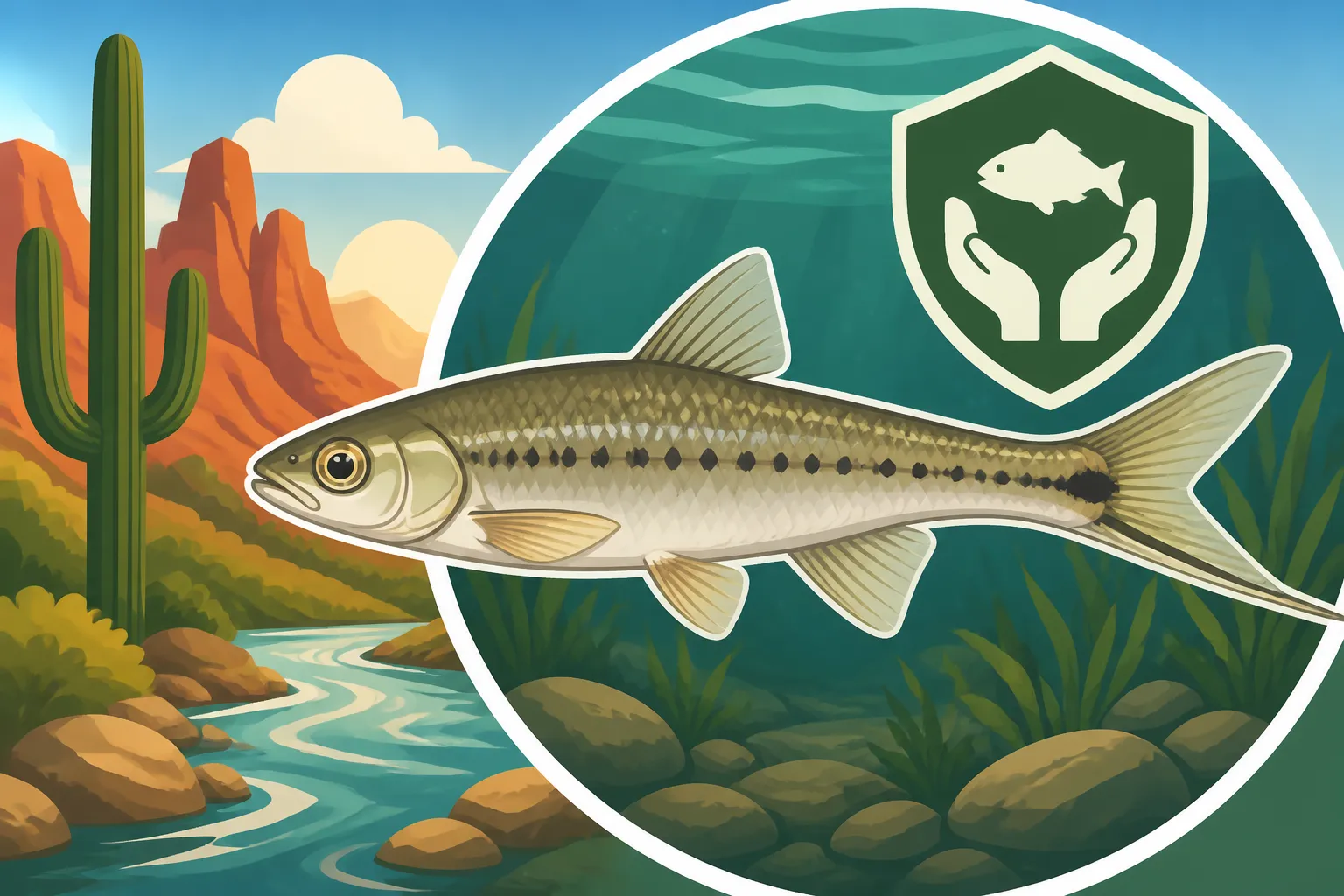
The Bonytail Chub, or Gila elegans, is a fascinating fish with a very distinctive look, once you know what to look for. These aren't the chunky, robust fish you typically pull from a stocked lake. Instead, they are quite slender, with a torpedo-shaped body that’s perfectly adapted for life in flowing rivers. They have a small, somewhat pointed head, and their mouths are generally small and located at the front or slightly below. Their coloring tends to be a drab olive or silvery-tan on the back, fading to white or silvery on the belly, which helps them blend into their riverine environment.
One of their most defining features, and where they get their name, is a noticeable bony keel along their caudal peduncle – that's the narrow part of their body right before the tail fin. This "bonytail" is a key identifier. They also have relatively large, sickle-shaped fins, especially the dorsal and anal fins, which are perfect for navigating strong currents. They can grow to be quite large for a chub, sometimes reaching over two feet in length, though smaller individuals are more commonly encountered now. When you're out on the water, accidentally catching one could happen, so knowing these distinguishing features is incredibly important for proper identification and immediate release.
Historical Range and Habitat
Imagine the Colorado River system before the massive dams and widespread human development. It was a vast, wild, and incredibly dynamic river, characterized by huge seasonal flows, warm turbid waters, and diverse habitats ranging from deep pools to swift rapids. This was the historical playground of the Bonytail Chub. They were once one of the most abundant large fish in the mainstem Colorado River and its major tributaries throughout the basin, stretching from Wyoming down through Arizona and into Mexico.
They thrived in these turbulent, warm-water environments, particularly favoring eddies, backwaters, and slower-moving areas along the main channels. These habitats provided them with places to forage, shelter from strong currents, and escape predators. They were perfectly adapted to the natural ebb and flow of a wild river, spawning in spring and utilizing flooded areas for their young to grow. Their presence was a strong indicator of a healthy, functioning river ecosystem. They were truly iconic natives, a testament to the raw, untamed beauty of the ancient Colorado River.
The Troubling Conservation Status
It's a stark reality that many of Arizona's native fish species face significant challenges, and the Bonytail Chub is unfortunately at the forefront of this struggle. Their dramatic decline over the last century paints a clear picture of the profound impact human development has had on our natural waterways. Understanding their conservation status means understanding the threats they face and the efforts being made to bring them back from the brink.
Why are Bonytail Chub Endangered?
The story of the Bonytail Chub's decline is a complex one, a tapestry woven from several interconnected threads of human impact. Perhaps the most significant factor is habitat loss and alteration. The construction of major dams like Glen Canyon Dam and Hoover Dam fundamentally changed the nature of the Colorado River. These dams transformed a warm, silty, seasonally fluctuating river into a cold, clear, stable system below the dams. The Bonytail Chub, adapted to warm, turbid waters, simply couldn't thrive in these new, colder, and more regulated environments. The natural flooding cycles that created vital backwater habitats for spawning and rearing young fish were also eliminated.
Beyond habitat alteration, the introduction of non-native fish species has been a devastating blow. Largemouth bass, channel catfish, crappie, and other species, many of which are popular with anglers today, were introduced for sport fishing or to control other introduced species. These non-native fish are often voracious predators of native fish, including Bonytail Chub eggs, larvae, and juveniles. They also compete directly with the chubs for food and resources. It's a classic case of introducing a few species with good intentions, only to find them outcompeting and preying on the original inhabitants. The combination of losing their preferred habitat and facing fierce competition and predation from introduced species proved to be too much for the Bonytail Chub.
Federal and State Protections in Arizona
Given the severity of their decline, the Bonytail Chub holds a very serious conservation status. Federally, it is listed as Endangered under the Endangered Species Act (ESA) of 1973. This designation is not taken lightly; it means the species is in danger of extinction throughout all or a significant portion of its range. This powerful law provides a suite of protections, prohibiting harm to the fish or its habitat, and mandates recovery efforts to bring the species back to a point where it no longer needs protection. For anglers, this means knowingly harming or keeping a Bonytail Chub is a federal offense with severe penalties.
In Arizona, the Arizona Game and Fish Department (AZGFD) works in conjunction with federal agencies to manage and protect the Bonytail Chub and other imperiled species. They implement state-level regulations that mirror and reinforce federal protections, making it illegal to harass, harm, pursue, hunt, shoot, wound, kill, trap, capture, or collect these fish. This includes accidental catches where the fish is not immediately and carefully released. Anglers should always be aware of Arizona Fishing Regulations Explained and Native Fish Protection Rules in Arizona to ensure they are compliant. The goal of these protections isn't to prevent fishing, but to ensure that our unique native fish have a fighting chance at survival and recovery.
Conservation Efforts and What Anglers Can Do
The story of the Bonytail Chub isn't just one of decline; it's also a testament to the dedication of conservationists, scientists, and state agencies working tirelessly to prevent their extinction. There's a lot of hope wrapped up in these efforts, and as anglers, we have a role to play too.
Recovery Programs and Restoration Efforts
Recovery efforts for the Bonytail Chub are truly a Herculean task, requiring collaboration across multiple states, federal agencies, and Native American tribes. A significant part of this effort involves hatchery programs. Biologists collect bonytail chub from remnant wild populations or captive breeding stocks, then carefully breed them in controlled environments. These hatcheries, such as the Dexter National Fish Hatchery in New Mexico, play a crucial role in producing a steady supply of young fish for reintroduction.
Once grown to a suitable size, these hatchery-reared fish are then released into specific, carefully chosen sections of the Colorado River system, primarily the lower Colorado River below Hoover Dam and within designated refuges. These areas often undergo habitat restoration projects to improve conditions, such as creating more natural backwater areas or removing barriers that impede fish movement. Think of it as trying to recreate some of the conditions of the historic river, even on a smaller scale. Programs like the Upper Colorado River Endangered Fish Recovery Program and the Lower Colorado River Multi-Species Conservation Program are leading the charge in these complex, long-term efforts. They focus not only on reintroducing fish but also on monitoring their survival, understanding their needs in a modified river, and managing competing non-native species.
Angler Responsibility: Catch and Release
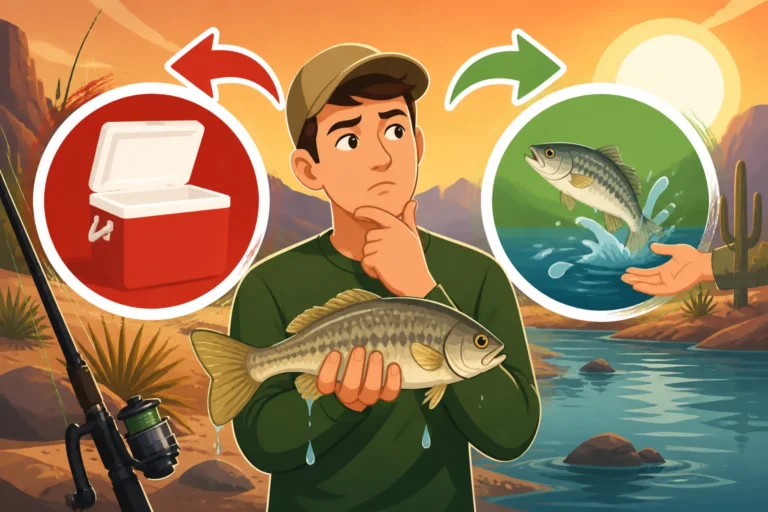
As an angler in Arizona, your responsibility towards the Bonytail Chub is clear: if you ever accidentally catch one, you must practice immediate, careful catch and release. This isn't just a suggestion; it's a legal requirement under federal and state endangered species laws. These fish are incredibly rare, and every single individual is vital to the species' survival.
So, what does proper catch and release look like for such a sensitive species?
- Minimize Fight Time: Bring the fish in as quickly as possible to reduce stress.
- Wet Hands Only: Always wet your hands before touching the fish. Dry hands can remove the fish's protective slime coat, making it vulnerable to disease.
- Handle Gently: Support the fish horizontally, never vertically by the jaw or gills. Avoid squeezing its body.
- Remove Hook Quickly: Use needle-nose pliers or a dehooking tool to remove the hook with minimal damage. If the fish is deeply hooked, cut the line as close to the hook as possible rather than trying to rip it out.
- Revive if Necessary: Hold the fish gently in the water, facing into a mild current, until it regains its strength and can swim away on its own. Don't just toss it back; make sure it's vigorous enough to survive.
Remember, the consequences of not properly releasing a protected species can be severe. Understanding and following Catch and Release Rules for Arizona Anglers is not just good sportsmanship; it's essential for conservation and to avoid potential Penalty for Keeping a Protected Fish in Arizona.
Where Might You Encounter a Bonytail Chub? And What to Do
The vast majority of Arizona anglers will likely never encounter a Bonytail Chub. These fish are so rare and restricted to specific habitats that stumbling upon one in your average fishing spot is incredibly unlikely. However, it's always best to be prepared and informed, especially if you venture into areas where they might potentially exist.
Unlikely Encounters in Public Waters
Let's be realistic: you're not going to pull a Bonytail Chub out of Tempe Town Lake, Lake Pleasant, or even most stretches of the Salt River. These popular recreational lakes and rivers, while fantastic for bass, catfish, and trout, generally do not provide the specific habitat conditions these highly specialized native fish need. The vast majority of Arizona's public fishing waters are dominated by non-native sport fish.
However, if you're fishing in very specific, more remote stretches of the lower Colorado River, particularly in areas designated as critical habitat or near known reintroduction sites, the chances, while still slim, are slightly higher. These might include certain sections of the river downstream from Hoover Dam, often within refuges or areas managed specifically for native fish recovery. Even then, an encounter is considered rare and a unique event. It's important to recognize that their populations are so critically low that they aren't a common target species, nor should they ever be kept.
Reporting an Accidental Catch
Despite how rare it is, imagine you're fishing a remote stretch of the Colorado River and you reel in a fish that matches the description of a Bonytail Chub. What do you do? First and foremost, as we discussed, practice immediate and careful catch and release. Get the fish back into the water with minimal stress and delay.
After ensuring the fish's safe release, if you are absolutely certain you've caught a Bonytail Chub or another endangered native fish, it's actually helpful to report the encounter to the Arizona Game and Fish Department (AZGFD). You can usually find contact information for their regional offices or game wardens on their official website. Provide as much detail as possible:
- Exact Location: GPS coordinates if you have them, or a very precise description of the river stretch.
- Time of Day: When did the encounter occur?
- Method of Capture: What lure or bait were you using?
- Description of the Fish: Reiterate the identifying features you observed. Photos (while keeping the fish wet and in the water) can be incredibly valuable if taken safely and quickly, but never at the expense of the fish's life.
This information helps biologists understand where these rare fish might be persisting and how their reintroduction efforts are progressing. Remember, reporting an accidental catch, especially after a proper release, demonstrates responsible angling and contributes to critical conservation data, without fear of penalty, as long as you followed all regulations. Knowing Fishing Violation Fines and Penalties in Arizona can help emphasize the importance of correct action.
Understanding the Bonytail Chub's Struggle
Here's a quick overview of the key aspects of the Bonytail Chub's conservation status:
| Aspect | Description | Angler Action |
|---|---|---|
| Conservation Status | Federally Endangered (ESA). Critically low wild populations. | Always identify your catch. If it's a Bonytail Chub, release immediately and carefully. |
| Primary Threats | Habitat loss/alteration (dams, altered flow), predation and competition from non-native fish. | Support conservation efforts. Consider targeting non-native species for harvest. |
| Key Identifying Features | Slender, torpedo-shaped body; small head; bony keel on caudal peduncle; large, sickle-shaped fins; olive/silvery coloration. | Familiarize yourself with these features. Be cautious if fishing in known native fish habitats. |
| Likely Habitats | Historically, mainstem Colorado River and major tributaries. Currently, mostly restricted to specific, protected reaches of the lower Colorado River and designated refuges, often near reintroduction sites. | Unlikely to encounter in popular sport fishing lakes. Exercise extra caution in remote Colorado River stretches. |
| Legal Implications | Illegal to possess, harm, or kill. Violation of federal and state endangered species laws can result in significant fines and penalties. | Adhere strictly to catch and release rules for protected species. Report accidental catches to AZGFD after release. |
| Conservation Efforts | Hatchery breeding, reintroduction into suitable habitats, habitat restoration, non-native species management, research and monitoring. | Practice responsible angling, educate yourself and others, support organizations involved in native fish conservation. |
This is a long-term battle, but with continued dedication from agencies and responsible behavior from anglers, there's hope that the Bonytail Chub will one day thrive again in its native waters.
Disclaimer
This article is for general informational purposes only and does not constitute professional advice. Laws, prices and regulations vary by location and change over time. Consult a qualified professional for guidance on your specific situation.