Nongame Fish Species Rules in Arizona
It can be incredibly confusing to hit the waters of Arizona and try to figure out what's what when you hook into a fish that isn't a bass or a trout. Many anglers, especially those new to the desert Southwest, grapple with understanding the distinctions between game fish, nongame fish, and protected species, and what the rules are for each. This comprehensive guide is here to untangle the complexities of Arizona's nongame fish species rules, ensuring you can enjoy your time on the water responsibly and legally.
What Exactly Are Nongame Fish in Arizona?
When you’re out on an Arizona lake or river, reeling in a fish, your first thought might be, “Is this a keeper?” But before you decide, it’s crucial to know what kind of fish you have. Arizona, like many states, categorizes its fish to help manage populations, protect native species, and regulate angling. Nongame fish are a distinct category, and understanding this classification is the first step to responsible fishing.
Defining Nongame Species by Arizona Law
The Arizona Game and Fish Department (AZGFD) clearly defines what constitutes a "nongame" fish. Essentially, game fish are those species that are highly sought after by anglers for sport, like largemouth bass, trout, crappie, and catfish, and they have specific bag and possession limits. Protected native species are those that are endangered or threatened and are strictly off-limits. Nongame fish fall into the remaining categories – generally, species that aren't typically targeted for sport in the same way, or that might even be considered invasive.
Historically, these classifications were developed to manage fishing pressure and conserve certain species, particularly the native ones that have struggled with habitat loss and competition from introduced species. For instance, common carp, various sucker species, and tilapia are all classic examples of fish you'll find on the nongame list. They might be abundant, or they might not be considered "sporting" enough to warrant the same level of management as a trout or bass. It's not a judgment on the fish itself, but a legal and biological designation for management purposes.
Why These Classifications Matter to Anglers
Understanding these distinctions isn't just a bureaucratic formality; it directly impacts how you fish and what you can do with your catch. If you’re targeting game fish, you’re often bound by size limits, daily bag limits, and specific seasons. For nongame fish, the rules are typically much more liberal, often with no bag limits or size restrictions. This difference in regulation means you can approach fishing for nongame species with a different mindset and different gear.
Misidentification can lead to serious consequences. Imagine accidentally keeping a protected native fish because you thought it was a common sucker, or releasing an invasive species into a new body of water, unknowingly causing ecological harm. Fines and penalties for violating fishing regulations can be steep, and ignorance of the law is rarely an excuse. That's why taking the time to learn about these classifications is so important. It helps protect Arizona's diverse aquatic ecosystems while ensuring you stay on the right side of the law. You can always consult the official Arizona Fishing Regulations Booklet Where to Find It for the most current information.
General Rules for Targeting and Catching Nongame Species
So, you’ve got your fishing license – which, by the way, is almost always required even for nongame fish, so make sure you have your Arizona Fishing License Guide handy! Now, what are the specific guidelines when you decide to target or accidentally hook a nongame species? The rules, while generally more relaxed than for game fish, are still present and designed to maintain ecological balance.
Statewide Regulations on Tackle and Methods
For the most part, standard fishing tackle is perfectly acceptable for catching nongame species. You can use your favorite spinning rod, a baitcaster, or even a fly rod, along with appropriate lines, hooks, and sinkers. The usual restrictions on the number of poles you can use at one time (typically two in Arizona, unless specified otherwise) still apply, regardless of what you’re fishing for.
However, certain methods that are restricted or prohibited for game fish might be allowed for nongame species. For example, bowfishing, which involves shooting fish with an arrow from a bow, is often specifically permitted for certain nongame species like carp and tilapia in designated waters. Similarly, techniques like snagging (hooking a fish anywhere other than in its mouth) are generally illegal for game fish but might be permitted for certain nongame species during specific times or in specific areas. Always check the current regulations for the specific body of water you plan to fish. When it comes to bait, using live bait has its own set of Live Bait Rules for Arizona Lakes, and sometimes, even certain nongame fish caught legally can be used as bait, provided they meet size and species criteria.
Common Misconceptions About Nongame Fishing
One of the biggest myths surrounding nongame fishing is the idea that there are "no rules." This couldn't be further from the truth. While the restrictions on bag limits and size might be absent for many nongame species, the general Arizona Fishing Regulations Explained still apply. You still need a valid Arizona fishing license, even if you’re only targeting carp. Think of it this way: your license allows you to fish, regardless of what you're trying to catch.
Another misconception is about where these rules apply. It's easy to assume that if you're fishing a small, out-of-the-way pond, the regulations might not be as strict. However, statewide regulations typically apply to all public waters. There can be specific nuances, especially when it comes to tribal lands, such as those of the San Carlos Apache Nation or Navajo Nation. Fishing on tribal lands almost always requires a separate tribal permit in addition to your state license, and their regulations may differ significantly regarding all fish species, including nongame. Always do your homework before heading out to new fishing grounds. A quick search on a site like Amazon for "Arizona fishing regulations book" might even yield an older but still informative guide to give you a foundational understanding.
Possession, Transport, and Use of Nongame Fish
You've successfully landed a nongame fish, maybe a big common carp or a feisty tilapia. Now what? The rules about possession, transport, and whether you can use these fish for bait or consumption are important to grasp, as they often differ from those for game fish.
Keeping and Releasing Nongame Species
For most designated nongame species in Arizona, there are generally no daily bag limits or possession limits. This means if you catch fifty carp, you could theoretically keep all fifty (if you have a good plan for them!). However, the "release" aspect is where things get critical, particularly for invasive nongame species. The Arizona Game and Fish Department strongly discourages, and in many cases prohibits, releasing invasive nongame species back into the water, especially if that water body doesn't already contain them.
For instance, if you catch an invasive tilapia in a lake where it's already established, you might be allowed to release it. But if you accidentally catch one in a stream where tilapia aren't known to exist, releasing it could introduce a new population and cause significant ecological damage. It’s often recommended to humanely dispatch and properly dispose of invasive species like tilapia and quagga/zebra mussels. Always handle fish carefully, regardless of species. For catch and release, understanding Catch and Release Rules for Arizona Anglers for any species is crucial to minimize stress and maximize survival rates. Using appropriate tools like long-nosed pliers to remove hooks quickly, which you can easily find on Amazon, can make a big difference.
Using Nongame Fish as Bait or for Consumption
The legality of using nongame fish as bait is a common question. In Arizona, it is generally permissible to use legally caught nongame fish as live or cut bait, provided they meet certain criteria and are used in the same body of water from which they were caught. This prevents the spread of diseases or invasive species to new waters. For example, if you catch a small green sunfish (often considered nongame or panfish) in Lake Pleasant, you could theoretically use it as live bait for a larger predator in Lake Pleasant. However, you absolutely cannot transport that same live sunfish to, say, Goldwater Lake for bait.
As for consumption, many nongame fish are surprisingly good to eat! Carp, for instance, are a staple in many cultures around the world. Tilapia is a popular food fish. However, it’s always wise to check for any fish consumption advisories issued by the Arizona Department of Environmental Quality (ADEQ) for specific water bodies. Like any fish, concentrations of certain contaminants can accumulate, especially in older, larger fish from certain areas. Proper disposal of fish carcasses is also important to maintain water quality and prevent attracting unwanted wildlife.
Identifying Common Nongame Fish in Arizona Waters
Successfully navigating Arizona's fishing regulations for nongame species hinges on one critical skill: identification. There are several species you're likely to encounter that fall into the nongame category. Knowing how to tell them apart, not just from game fish but also from protected native species, is key.
Spotting Carp and Tilapia
Two of the most prevalent and often targeted nongame fish in Arizona are carp and tilapia.
- Common Carp: These fish are easily recognized by their large, golden-brown scales and two pairs of barbels (whisker-like appendages) around their mouth. They have a distinctively sloped forehead and often grow quite large, making for a challenging fight. Carp are bottom feeders, usually found in slower, murkier waters, actively rooting around for food. You'll find them in many of Arizona's larger lakes and rivers, like the Colorado River and various urban fishing lakes. Their size alone can sometimes make them intimidating, but they are a fantastic species for anglers looking for a strong pull.
- Tilapia: There are several species of tilapia in Arizona, but the most common are usually Mozambique or Nile tilapia. They typically have a deep, laterally compressed body, and often exhibit a distinct dark spot on their dorsal fin or near the base of the tail. Their coloring can vary from silvery to olive-green. Tilapia are prolific breeders and thrive in warmer waters, making them common in community fishing ponds and some desert lakes. They are omnivores, feeding on algae, plants, and small invertebrates. They can be found in places like Tempe Town Lake and many Phoenix-area community lakes. Knowing these fish is crucial, as they are often considered invasive and are excellent candidates for removal when caught.
| Species | Key Identification Features | Typical Habitat | Common Regulation |
|---|---|---|---|
| Common Carp | Large, golden-brown scales; 2 pairs of barbels; sloped head | Slower, murkier lakes & rivers | No bag/size limits |
| Tilapia | Deep, compressed body; dark spot on dorsal fin/tail base | Warm lakes, community ponds | No bag/size limits |
| Razorback Sucker | Bony keel (razor-like ridge) on back; thick, fleshy lips | Large rivers (e.g., Colorado River) | Protected, Release |
| Sonora Sucker | Large, coarse scales; thick, fleshy lips; blunt snout | Rivers, streams, reservoirs | Nongame |
| Roundtail Chub | Rounded body; large mouth; fine scales | Rivers, larger streams | Protected, Release |
Recognizing Suckers and Other Native Nongame Species
Arizona is home to several species of suckers. While some, like the Sonora sucker or Desert sucker, are common nongame fish that can be kept (though they are not typically targeted for food), others are protected native species and must be immediately released if caught.
- Suckers (General): These fish are characterized by their distinctive ventral (downward-pointing) mouths with thick, fleshy lips adapted for bottom feeding. Their bodies are typically long and cylindrical, with varying scale sizes depending on the species. They are often found in both rivers and lakes, grubbing along the bottom for invertebrates and detritus.
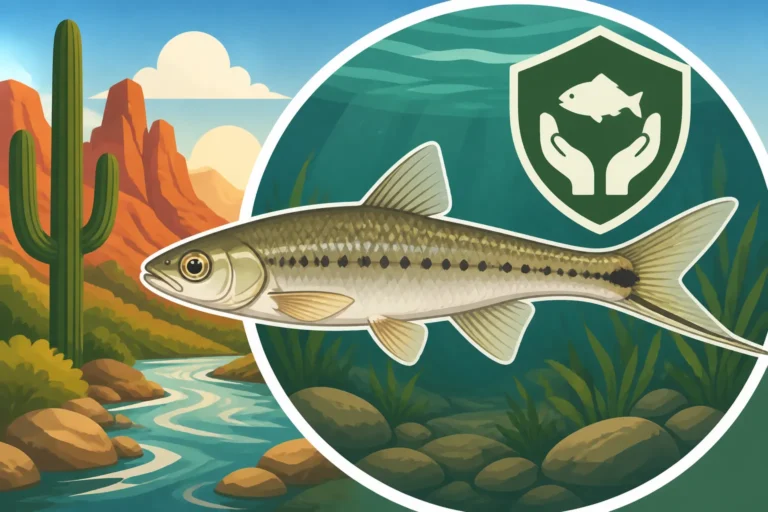
- Protected Native Species that Resemble Nongame: This is where careful identification is paramount. Arizona has several native fish species that are endangered or threatened, such as the Razorback Sucker, Bonytail Chub, and Colorado Pikeminnow. These fish might, to the untrained eye, resemble more common nongame suckers or chubs. For example, a Razorback Sucker has a distinctive bony keel or "razor" on its back that sets it apart. The Roundtail Chub, while technically a "game fish" in certain contexts, is heavily managed due to its native status and can be confused with other chubs. Native Fish Protection Rules in Arizona are very strict, and accidentally keeping one of these protected species can lead to significant penalties. It's always best to be overly cautious; if you're unsure, it's safer to release the fish unharmed. Knowing the Fish Species Guide for Arizona Lakes can be a huge asset in the field.
Avoiding Costly Mistakes: Nongame vs. Game vs. Protected
One of the biggest anxieties for any angler, especially in a state like Arizona with its diverse and sometimes fragile aquatic ecosystems, is the fear of making a mistake. Accidentally keeping a protected fish or misidentifying a game fish can turn a relaxing day of angling into a stressful encounter with wildlife authorities.
The Fine Line Between Game and Nongame
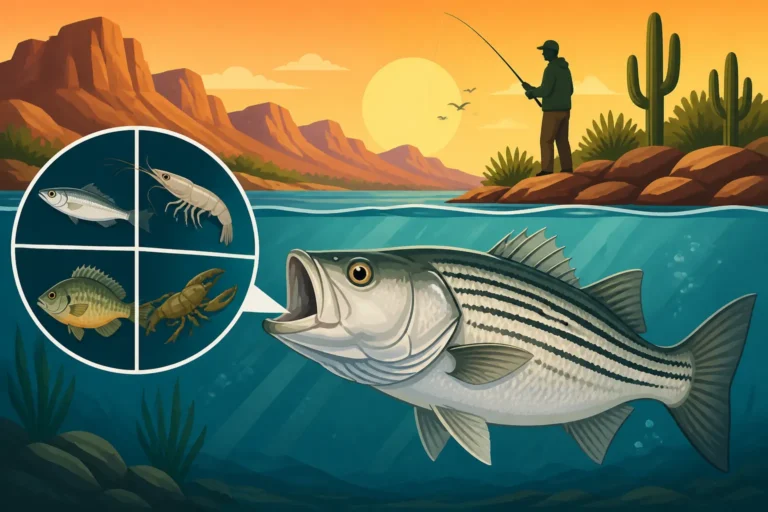
While many fish are clearly one or the other, there are a few species that can cause confusion. For instance, the yellow bass is a smaller cousin of the striped bass and white bass. While striped bass are definitely a game fish with specific rules, yellow bass are sometimes considered nongame or panfish, depending on the specific water body and current regulations. Similarly, some larger panfish like bluegill or sunfish, while typically not considered "game" in the same way as a largemouth bass, often have general limits or are part of the broader "panfish" category.
The key here is diligent education. Before you head to a new lake or river, make sure you've consulted the most recent AZGFD fishing regulations. Look specifically at the sections for the water body you intend to fish, as rules can vary. Having a laminated fish identification card, or even a good fish ID app on your phone (though signal might be an issue in remote areas), can be incredibly helpful. Websites like Amazon offer many waterproof fish identification guides that can be invaluable on the water. Taking the time to study the differences in fin counts, mouth placement, and body shape will save you a lot of grief.
Safeguarding Arizona's Protected Native Fish
Arizona is a hotspot for unique native fish species, many of which are endangered or threatened. Species like the Gila Trout, Apache Trout, Colorado Pikeminnow, and Humpback Chub are incredibly important for the state’s biodiversity and are protected by law. Catching one of these fish, even accidentally, comes with very strict protocols. If you do happen to hook a protected native fish, the rule is simple and absolute:
- Release it immediately. Do not remove it from the water if at all possible.
- Handle with extreme care. Minimize contact, use wet hands, and release it gently.
- Do not delay. Don't take photos, don't try to identify it further out of the water. Just release it.
These rules are not just suggestions; they are legal requirements designed to give these vulnerable populations the best chance of survival. Learning about Endangered Fish Species in Arizona Rivers is vital for any responsible angler in the state. By being aware of what these fish look like and where they might be found, you can adjust your angling methods to minimize the chance of hooking one, such as using larger lures or fishing in areas less likely to hold these delicate species. Your actions truly make a difference in their conservation.
The Ecological Importance of Nongame Fish
It's easy for anglers to dismiss nongame fish as simply "trash fish" or "bait stealers." After all, they don't always offer the same thrilling fight as a bass, nor the culinary appeal of a trout. However, this perspective overlooks their crucial and often underappreciated role in Arizona's diverse aquatic ecosystems. Nongame fish are far more than just incidental catches; they are integral components of healthy waterways.
Their Role in the Food Web
Many nongame fish species serve as a vital link in the food web. Smaller nongame fish, like various sunfish (some of which fall into broader panfish categories that overlap with nongame definitions), threadfin shad, and various sucker species, are primary forage for larger predatory game fish. Without a healthy population of these "baitfish," the coveted bass, crappie, and catfish that anglers actively seek would struggle to find enough food to grow large and healthy. Imagine a lake with plenty of big bass but no small fish for them to eat – it wouldn't be a thriving fishery for long.
Beyond providing sustenance for predators, nongame fish also play a role in nutrient cycling. They consume algae, detritus, and small invertebrates, helping to process organic matter and keep the ecosystem clean. However, it's a double-edged sword: invasive nongame species, like common carp and tilapia, can sometimes dominate ecosystems. They can outcompete native species for food and habitat, stir up bottom sediments, reduce water clarity, and even consume fish eggs, negatively impacting the very game fish we love to catch. Understanding this dynamic helps explain why regulations often encourage the removal of certain invasive nongame species. The overall Fish Species Guide for Arizona Lakes details these complex interrelationships.
Water Quality and Habitat Indicators
Certain nongame fish species are incredibly resilient and can thrive in a variety of water conditions, including those that might be less ideal for more sensitive game fish or protected native species. This makes them interesting indicators of environmental health. A sudden decline in even resilient nongame species might signal a larger problem with water quality, pollution, or habitat degradation.
Managing abundant invasive nongame populations presents unique challenges for fisheries managers. Methods like targeted removal, habitat manipulation, and even encouraging anglers to harvest these fish are all part of the strategy to reduce their impact. For example, Arizona's urban community fishing program sometimes encourages the harvest of tilapia, partly to control their numbers. These efforts highlight the ongoing battle to balance the needs of various species and maintain a healthy, diverse aquatic environment. By understanding the rules, you become an active participant in these conservation efforts, whether you're targeting a Largemouth Bass Fishing Guide for Arizona or simply pulling out a common carp. This collective responsibility is crucial for the future of Arizona fishing.
Disclaimer
This article is for general informational purposes only and does not constitute professional advice. Laws, prices and regulations vary by location and change over time. Consult a qualified professional for guidance on your specific situation.