Can You Catch Muskie Anywhere in Arizona?
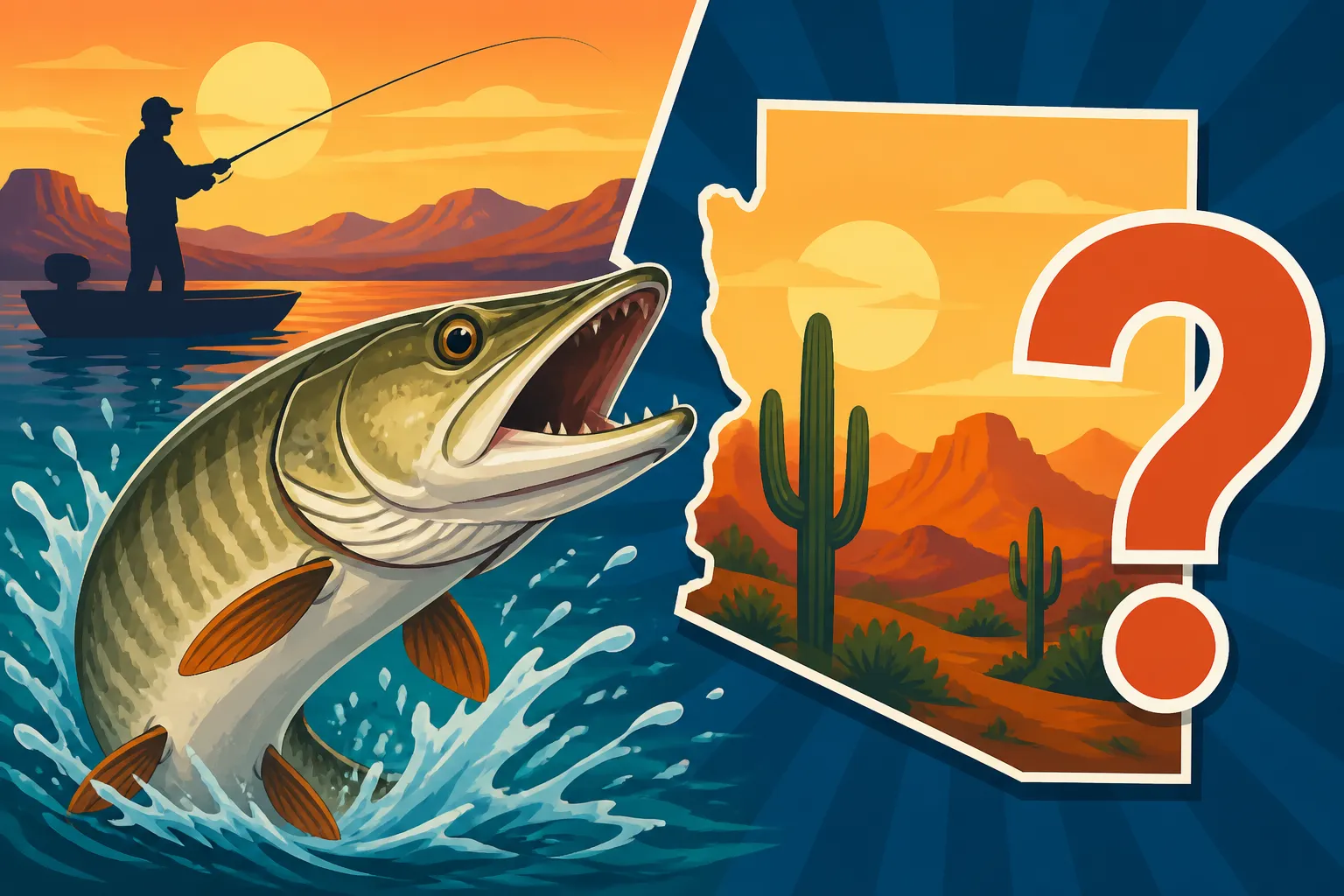
It's a common dream for anglers, isn't it? That idea of hooking into some massive, toothy predator that tests your gear and your grit. For many, that conjures images of the legendary Muskie – the "fish of a thousand casts." But if you're standing on the banks of an Arizona lake, wondering if you can chase that particular dream here, you're likely facing a frustrating reality check. This guide will dive into whether Muskie are found in Arizona waters and, more importantly, what incredible trophy fish opportunities do exist right here in our desert state.
The Reality of Muskie Fishing in Arizona
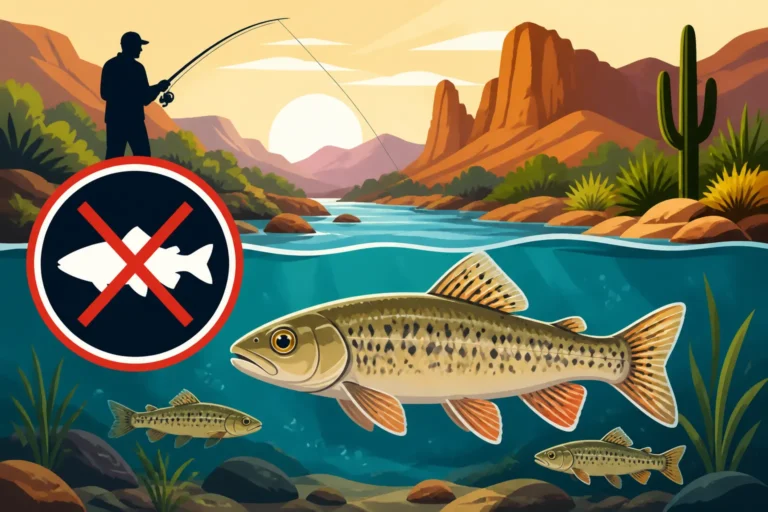
Let's cut right to the chase because false hope is no fun for an angler planning a trip. If you're hoping to cast for Muskie in Arizona, you'll need to adjust your expectations, as these formidable fish are not native to, nor are they regularly stocked in, Arizona's public waters. It's a common question, especially for those who've moved from states where Muskie are a prized catch, but the short answer is simply no.
The Short Answer: No Muskie in Arizona's Public Waters
While Arizona boasts an incredible diversity of fish species, from the hard-fighting largemouth bass to the massive flathead catfish, Muskie (Esox masquinongy) aren't part of that lineup. They're typically found in cooler, clear-water lakes and rivers across the Great Lakes region, the upper Mississippi Valley, and parts of the Northeast and Canada. Our desert lakes, while fantastic for many species, generally don't provide the specific, extensive cool-water habitat that Muskie require to thrive and reproduce naturally.
Sometimes, you might hear whispers or old tales about a Muskie sighting, but these are often misidentifications of other pike species or simply urban fishing legends. The Arizona Game and Fish Department (AZGFD) focuses its stocking efforts on species that are well-suited to our unique aquatic environments and that provide the best recreational opportunities for the largest number of anglers. This strategy ensures healthy fish populations that can withstand the challenges of a desert climate, like fluctuating water levels and intense summer heat.
Understanding Arizona's Stocking Priorities
Arizona's aquatic resources are precious and finite. The AZGFD, much like any state wildlife agency, operates with a clear mission: to conserve and protect Arizona's diverse wildlife and habitats, while also providing quality recreational opportunities for its residents and visitors. When it comes to fish stocking, this means carefully selecting species that will thrive in specific bodies of water and contribute positively to the ecosystem and angling experience.
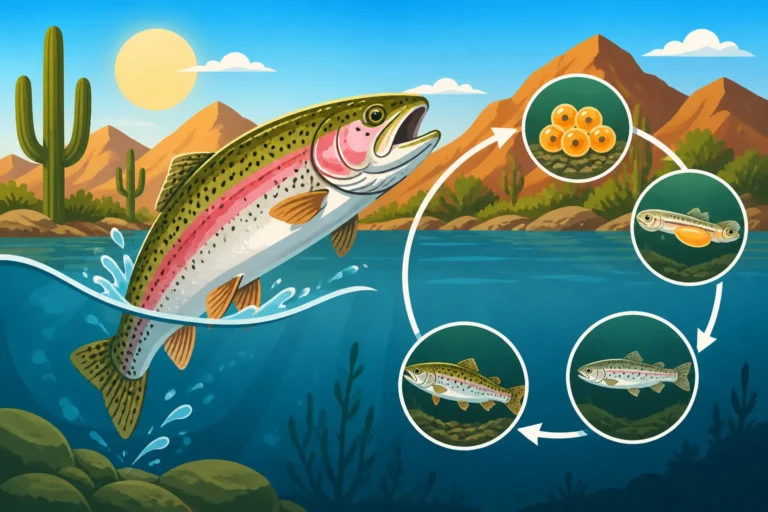
For instance, trout are regularly stocked in cooler, higher-elevation lakes and rivers, particularly during the winter months in many urban lakes to provide excellent cold-water fishing. Trout Stocking Season in Arizona is a highly anticipated time for many. Warm-water species like bass, catfish, and crappie are managed and thrive in our major reservoirs. These decisions are based on scientific research, habitat suitability, cost-effectiveness, and angler demand. Introducing a species like the Muskie, which has very specific and demanding habitat requirements, would likely be unsuccessful and could even negatively impact existing fisheries. Our desert environment, with its often-warm waters and specific food chains, just isn't a natural fit for them.
Why Muskie Aren't a Common Arizona Target
The reasons Muskie aren't found in Arizona are pretty straightforward when you look at their natural preferences versus our state's unique environment. It’s not a lack of desire from anglers, but a simple matter of biological suitability and management focus.
Muskie Habitat Requirements vs. Arizona's Climate
Muskellunge are ambush predators that prefer large, clear to slightly turbid, cool-to-cold water lakes and slow-moving rivers. They need abundant aquatic vegetation or submerged timber for cover, ample forage fish, and consistent water temperatures for successful spawning and growth. These are not conditions that are readily met in most of Arizona's lowland desert lakes and rivers.
Arizona's desert lakes, while large and productive, experience extreme temperature swings. Summer water temperatures can climb significantly, well into the 80s or even 90s in surface layers, which is often too warm for Muskie to comfortably survive, let alone reproduce. While deeper sections of some reservoirs might offer cooler refuges, the overall ecosystem, including available forage and spawning grounds, isn't typically aligned with Muskie needs. Think about places like Lake Pleasant or Roosevelt Lake – incredible bass and crappie fisheries, but their fluctuating levels and warm summers make them unsuitable for species that require more stable, cooler conditions.
Historical Stocking Efforts and Their Outcomes
It’s natural to wonder if there have ever been attempts to introduce Muskie to Arizona. While specific, large-scale Muskie stocking programs are not a part of Arizona's fisheries history, agencies occasionally experiment with species introduction. However, the general consensus and historical outcomes across many states show that introducing non-native species with very specific needs into vastly different environments often leads to failure.
Successful fisheries management focuses on enhancing existing populations and introducing species that have a high likelihood of success and a low risk of ecological disruption. For Arizona, that means focusing on species that can thrive in warm water, tolerate drought conditions, and integrate well into the existing food webs. The emphasis is on species like largemouth bass, various catfish species, crappie, and sunfish in our desert impoundments, and trout in our cooler mountain streams and urban winter fisheries. The vast majority of stocking efforts are dedicated to maintaining healthy populations of these established and successful game fish. This is why you'll find comprehensive guides on Largemouth Bass Fishing Guide for Arizona or Catfish Fishing Guide for Arizona, but nothing on Muskie.
Alternatives for Arizona Anglers Seeking Trophy Fish
Just because Muskie aren't lurking in Arizona's waters doesn't mean you can't find incredible trophy fishing experiences. Our state offers some truly exceptional opportunities to land big, powerful fish that will challenge any angler. You just need to know where to look and what techniques to employ.
Pursuing Largemouth and Smallmouth Bass
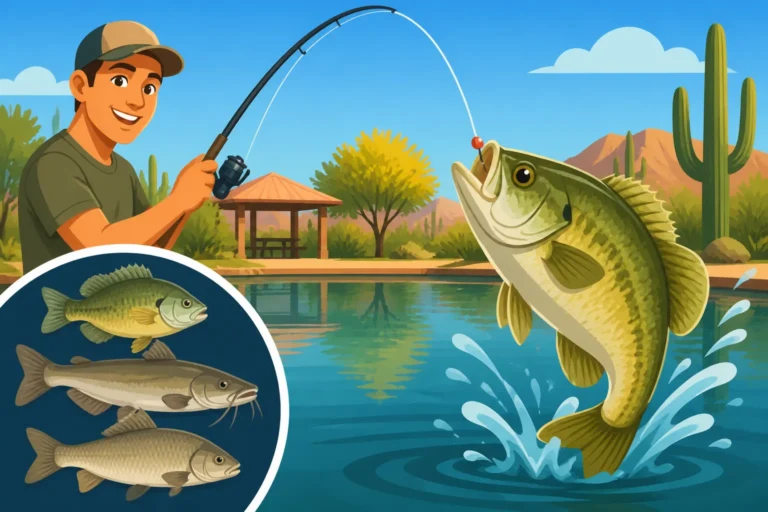
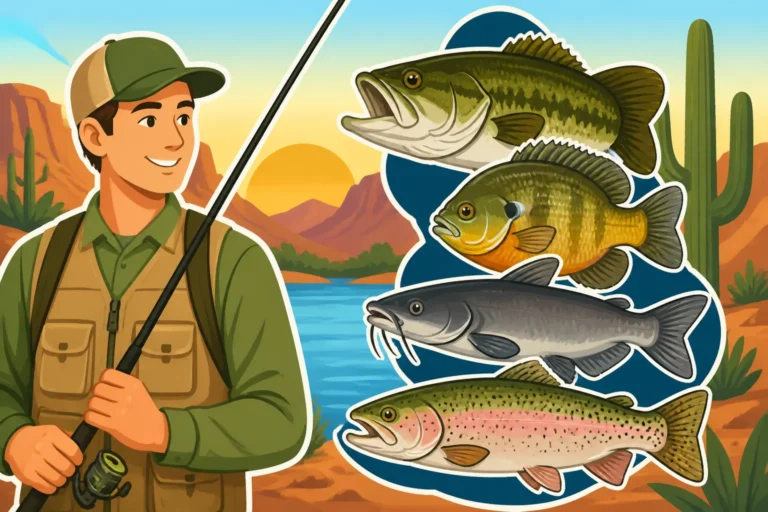
Arizona is a bass fishing paradise. Our desert lakes are famous for producing both impressive numbers and significant size. Largemouth bass are abundant in nearly every major reservoir, from Lake Pleasant to Roosevelt Lake, Canyon Lake, and Apache Lake. They get big, too, with the state record well over 16 pounds! Chasing these bucketmouths offers incredible topwater action in the mornings and evenings, powerful fights on jigs and plastics, and the thrill of sight-fishing during the spawn. Best Bass Fishing Techniques for Arizona Lakes can show you how to target them effectively.
For a different kind of bass challenge, head to places like Lake Powell or even portions of the Colorado River for smallmouth bass. These bronze beauties are feisty, hard-fighting, and often found around rocky structures, cliffs, and ledges. They hit hard and pull like crazy, making them a fantastic alternative for anglers who love aggressive strikes and strong battles. Understanding Smallmouth Bass Fishing Guide for Arizona is key to success here. You can find excellent gear for bass fishing, from rods and reels to a wide array of lures, on retailers like Amazon, making it easy to get equipped for your next trip.
Targeting Arizona's Trophy Catfish
If sheer size and raw power are what you crave, Arizona's catfish scene is second to none. Our lakes and rivers are home to giant flathead catfish and channel catfish, offering some of the most intense battles an angler can experience. The Colorado River, in particular, is renowned for its monster flatheads, with some exceeding 70 pounds! Imagine hooking into a fish that size at night – it's an experience that rivals any Muskie fight.
Channel catfish are more widely distributed, found in nearly all of our warm-water lakes and many community fishing ponds. While they don't reach the same immense sizes as flatheads, a 10 to 20-pound channel cat can still put up a tremendous fight. Night fishing for catfish is especially popular and productive during Arizona's warmer months. Catfish Night Fishing Techniques will give you a great starting point for rigging up and heading out. Make sure you've got stout tackle – heavy rods, strong line, and reliable reels are essential when targeting these big bottom dwellers.
The Thrill of Striped Bass Fishing
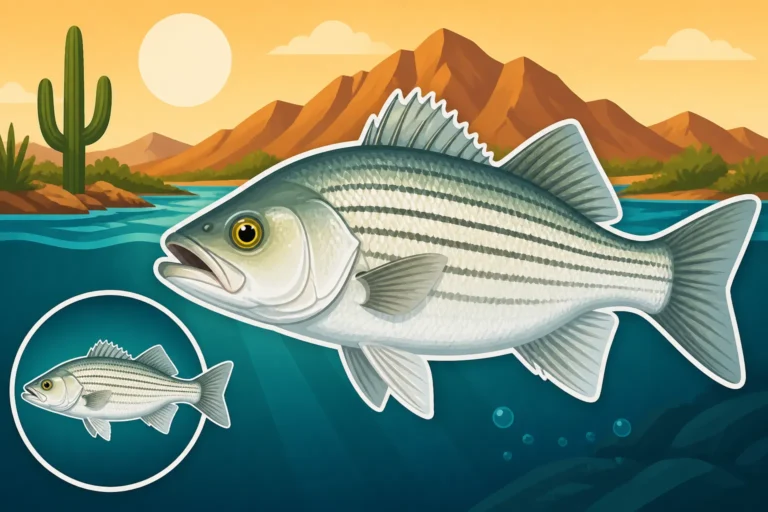
For a truly unique and often explosive trophy fishing experience, look no further than Arizona's striped bass. Lake Powell and Lake Mead are famous for their enormous populations of these hard-fighting predators. Stripers are known for their schooling behavior, aggressive feeding frenzies (often called "boils" when they push baitfish to the surface), and incredible strength. Landing a 10 to 20-pound striper, or even a larger one, is an absolute blast. They hit lures and bait with incredible force and will test your drag and your stamina.
During certain times of the year, particularly summer and fall, you can witness massive "boils" where thousands of stripers are crashing baitfish on the surface. It's a truly spectacular sight and offers some of the most fast-paced, exciting fishing imaginable. Trolling, casting swimbaits, or fishing cut bait are all effective methods. If you're looking for an adrenaline rush similar to what a Muskie fight might offer, a Striped Bass Fishing Guide for Arizona will point you in the right direction for chasing these powerful fish. Equipping yourself with the right lures and line, perhaps through a quick order on Amazon, will definitely give you an edge.
General Trophy Fishing Tips for Arizona's Apex Predators
Regardless of whether you're chasing a giant bass, a monster catfish, or a schooling striper, there are some universal principles that apply to landing any trophy fish in Arizona's challenging environments. These tips will help you maximize your chances and ensure you're prepared for the fight of a lifetime.
Essential Gear for Large Game Fish
When you're targeting big fish, your gear simply has to be up to the task. This means more than just a sturdy rod; it's about a balanced system that can withstand immense pressure.
- Heavy-Duty Rods and Reels: For larger bass, stripers, and certainly catfish, don't skimp. A medium-heavy to heavy action rod, coupled with a reel that has a smooth, powerful drag system, is crucial. For flatheads, some anglers even opt for saltwater conventional gear to handle the sheer force.
- Strong Line: Braided line is a popular choice for its strength, sensitivity, and lack of stretch, especially in higher pound tests (30-80 lb for these species). You might also want a fluorocarbon leader for abrasion resistance in rocky areas or for less visibility in clear water. Understanding How to Choose Line Weight for Striped Bass or Best Line for Catfish Fishing can make a huge difference.
- Appropriate Lures and Baits: Big fish often eat big meals. For bass, think larger swimbaits, deep-diving crankbaits, or substantial jigs. For stripers, big spoons, topwater plugs, and shad imitation lures are effective. For catfish, fresh cut bait (like shad or carp), live bluegill, or even hot dogs and prepared stink baits can be deadly. You can find an extensive selection of these on Amazon, often with reviews from other anglers that can guide your choices.
- Landing Gear: A sturdy, large landing net is indispensable for safely handling and landing big fish, especially if you plan to release them. Catfish anglers often use heavy-duty gloves for protection against their sharp fins and teeth.
| Species to Target | Typical Size Range (Arizona) | Key Characteristics | Recommended Gear |
|---|---|---|---|
| Largemouth Bass | 2-8 lbs (Trophy: 10+ lbs) | Aggressive, powerful leaps, habitat in cover | Medium-heavy rod, baitcasting reel, 12-20lb fluorocarbon/braid, jigs, crankbaits, swimbaits |
| Smallmouth Bass | 1-5 lbs (Trophy: 6+ lbs) | Hard fighters, prefer rocky structure, strong runs | Medium rod, spinning or baitcasting reel, 8-15lb fluorocarbon/braid, drop shot, tubes, crankbaits |
| Striped Bass | 5-20 lbs (Trophy: 30+ lbs) | Schooling, explosive strikes, incredible power | Medium-heavy rod, stout spinning/baitcasting reel, 20-50lb braid, swimbaits, spoons, topwater, cut bait |
| Channel Catfish | 2-15 lbs (Trophy: 20+ lbs) | Strong pullers, opportunistic feeders, night active | Medium-heavy to heavy rod, conventional/spinning reel, 20-40lb mono/braid, cut bait, stink bait, worms |
| Flathead Catfish | 10-50 lbs (Trophy: 60+ lbs) | Immense power, ambush predators, require live bait | Heavy to extra-heavy rod, conventional reel, 50-80lb braid, live bluegill/carp |
Patience and Persistence
Just like the "fish of a thousand casts" reputation for Muskie, trophy fishing in Arizona also demands patience and persistence. You might not hook a giant on every outing, and that's okay. The thrill often comes from the hunt itself – scouting locations, trying different techniques, and adapting to conditions.
- Study Your Target: Learn about the specific species you're chasing. Understand their seasonal movements, preferred habitats, and feeding patterns. Seasonal Movement Patterns of Arizona Bass can be incredibly helpful for largemouth anglers, for instance.
- Time of Day/Year: Large fish are often more active during certain times. For many species in Arizona, early mornings, late evenings, and night fishing can be incredibly productive, especially during the hotter months.
- Weather Conditions: Pay attention to how weather fronts, barometric pressure, and wind affect fish behavior. Sometimes, a slight change in conditions can trigger a bite.
- Never Give Up: The next cast could always be the one that connects you with that personal best. Keep learning, keep experimenting, and most importantly, keep enjoying the process. Arizona's waters hold incredible potential for those willing to put in the time.
Disclaimer
This article is for general informational purposes only and does not constitute professional advice. Laws, prices and regulations vary by location and change over time. Consult a qualified professional for guidance on your specific situation.