Is a Blue Catfish Found in Arizona?
It's an interesting question that often comes up in Arizona fishing circles, especially when you hear tales of monster catfish being pulled from rivers in other states. Many anglers dream of battling one of those colossal blue catfish, and it's natural to wonder if Arizona's diverse waterways might hold such a prize. This guide will dive deep into the world of Arizona's catfish, clarify which species call our desert lakes and rivers home, and explain why the elusive blue catfish isn't typically on that list, helping you focus your efforts on the fantastic angling opportunities we do have.
Understanding Catfish Species in Arizona
When most people think of catfish in Arizona, a few familiar faces usually come to mind. We have some truly incredible whiskered residents that offer fantastic sport and table fare, and it's easy to get them mixed up, especially with the sheer variety out there across the country. Let's break down who's who in our local waters.
The Common Arizona Catfish: Channel Catfish
Ah, the channel catfish! If you've ever fished an Arizona lake or river, chances are you've tangled with one of these beauties. They are, without a doubt, the most widespread and frequently encountered catfish species in our state. You'll find them thriving in most of our warm-water impoundments and rivers, from the Community Fishing Program lakes right up to massive reservoirs like Lake Pleasant or Roosevelt Lake.
Channel cats are recognizable by their sleek, often spotted bodies, forked tail, and barbels (whiskers) around their mouths. They're opportunistic eaters, which is why they're so much fun to catch – they'll go for everything from stink bait and chicken livers to hot dogs and even artificial lures. They are a staple of Arizona fishing, providing consistent action for anglers of all skill levels, and they can grow to respectable sizes, with plenty of fish in the 5-15 pound range being caught regularly. For more on these common catches, check out our Channel Catfish vs Flathead Catfish Identification guide.
The Giant of Arizona Waters: Flathead Catfish
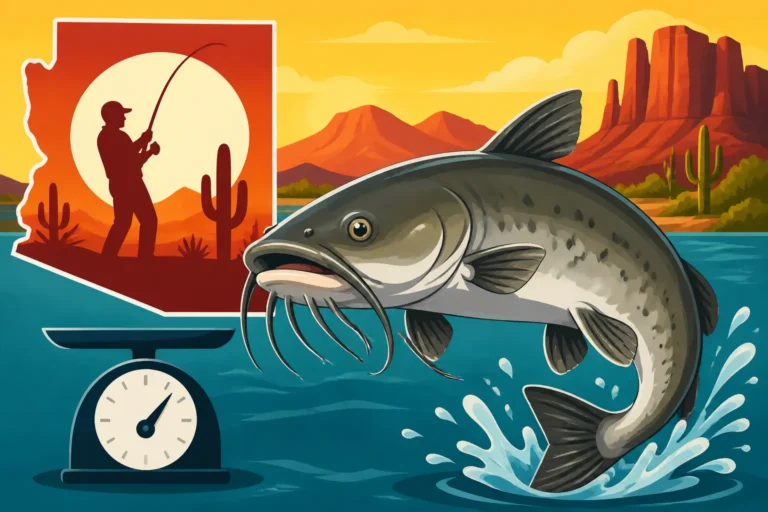
Now, if you're looking for a true monster in Arizona, the flathead catfish is your best bet. These aren't your average panfish; flatheads are the apex predators of our warm-water rivers and larger lakes, known for their immense size and powerful fights. Unlike the channel cat, flatheads have a more flattened head (hence the name!), a square or slightly rounded tail, and typically a mottled brown or yellowish coloration. They are strictly piscivorous, meaning they prefer live bait – think bluegill or carp – and they'll rarely touch the processed baits that channel cats love.
You'll find flatheads in the lower Colorado River, the Gila River, and in some of our larger reservoirs like Lake Pleasant and Bartlett Lake. Catching a flathead requires patience, heavy tackle, and often, night fishing techniques. But the reward? A true trophy fish that can weigh in at over 50 pounds, sometimes even pushing the state record. These are the fish that fuel angler dreams and inspire countless stories by the campfire. If you're ready to target these giants, our Flathead Catfish Average Weight on the Colorado River post has more info.
What About Blue Catfish?
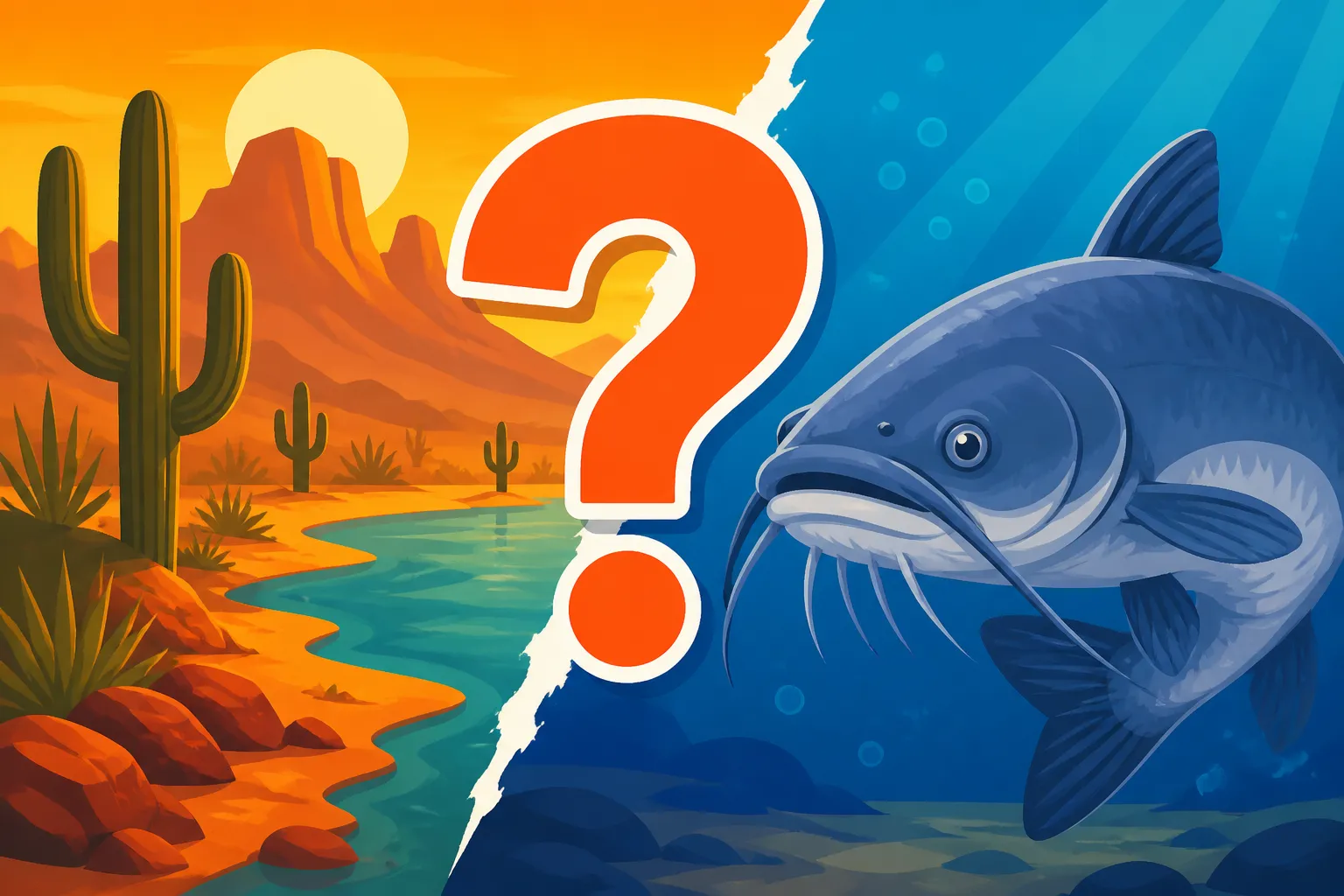
This is where we address the core of your question: Is a blue catfish found in Arizona? The short answer, generally speaking, is no. While some anglers might occasionally report a "blue" looking catfish, it's almost always a channel catfish or a hybrid, not a true blue catfish. Blue catfish, Ictalurus furcatus, are known for their distinctly humped back, deeply forked tail, and slate-blue to silvery-gray coloration, and they are native to the Mississippi River basin and other large rivers in the central and southern United States. They thrive in large, turbid rivers and reservoirs with strong currents.
Arizona's waters, while diverse, don't typically offer the ideal natural habitat for sustaining a robust blue catfish population, and more importantly, they haven't been widely stocked here. Our primary catfish stocking efforts focus on the abundant and adaptable channel catfish, which consistently provide excellent angling opportunities across the state.
Why Blue Catfish Aren't Typically Found in Arizona
It's not just a matter of "they haven't been stocked"; there are genuine ecological reasons why Arizona simply isn't a prime habitat for blue catfish, especially compared to states further east. Understanding these factors can help shed light on why our catfish populations look the way they do.
Habitat and Environmental Needs of Blue Catfish
Blue catfish are kings of big, flowing rivers. They prefer deep water, strong currents, and often large, rocky river bottoms. Think of the mighty Mississippi, Missouri, or James River – places where they can grow to truly epic proportions, reaching well over 100 pounds in some areas. Their diet is diverse, but they are highly adapted to feeding on a variety of fish and invertebrates found in these environments.
Arizona's main rivers, like the Colorado and Gila, while significant, have been heavily dammed and diverted. Many of our large lakes are reservoirs formed on these rivers, but they don't always replicate the continuous, high-volume flow and habitat diversity that blue catfish thrive in over the long term. The extreme heat of our desert summers can also play a role, as dissolved oxygen levels can become challenging in shallower, warmer waters, though channel cats and flatheads are remarkably adapted to these conditions.
Stocking Practices and Management in Arizona
The Arizona Game and Fish Department (AZGFD) plays a crucial role in managing our fisheries, and their stocking programs are carefully planned to enhance recreational fishing while maintaining ecological balance. When it comes to catfish, their focus has overwhelmingly been on channel catfish, which are prolific, adaptable, and provide excellent returns for angler effort. They're stocked in urban lakes, community ponds, and many larger reservoirs, creating opportunities for everyone from novice anglers to seasoned veterans.
There hasn't been a significant effort to introduce or establish blue catfish populations in Arizona, primarily because our waters are already well-served by native and established non-native species like the channel and flathead catfish. Introducing a new, large, predatory species like the blue catfish would require careful consideration of its potential impact on existing fish populations and the delicate aquatic ecosystems. This proactive approach ensures the health and sustainability of our fishing resources for generations to come.
Misidentification and Angler Experiences
It's common to hear anglers enthusiastically declare they've caught a "blue cat" in Arizona. This is usually a case of mistaken identity, and it's entirely understandable! Channel catfish can vary quite a bit in coloration depending on the water quality, diet, and age. Sometimes they can appear very silvery or even have a bluish hue, especially larger specimens caught from deep, clear water.
Here's a quick rundown of the key differences to help you tell them apart from true blue catfish:
| Feature | Channel Catfish | Flathead Catfish | Blue Catfish (Not in AZ) |
|---|---|---|---|
| Tail | Deeply forked | Square to slightly rounded | Deeply forked |
| Head | Conical, somewhat pointed | Broad, flattened | Conical, often with a slight hump |
| Body Color | Olive-brown to gray, often with dark spots (especially smaller fish) | Mottled brown/yellowish, dark | Slate-blue to silvery-gray, unspotted |
| Lower Jaw | Equal to or slightly protruding top jaw | Protruding lower jaw | Equal to or slightly protruding top jaw |
| Barbels | Darker | Darker | Darker |
If you've caught a catfish with a deeply forked tail and a uniform bluish-gray body with no spots, it's a dead ringer for a channel catfish that just happened to be particularly "blue." They are still fantastic catches! You can always consult a reliable fish identification guide, many of which are readily available on Amazon, to confirm your catch.
Where You Can Find Blue Catfish (and similar species)
While Arizona isn't home to a thriving blue catfish population, that doesn't mean you can't find them elsewhere or that you can't target other incredibly rewarding catfish species right here in the Grand Canyon State. Sometimes, knowing where not to find a species helps us appreciate what we do have even more!
Neighboring States and Their Blue Catfish Populations
If catching a blue catfish is on your bucket list, you'll need to venture beyond Arizona's borders. States like Texas, Oklahoma, Arkansas, and even California (in specific river systems where they've been introduced) boast healthy and often massive blue catfish fisheries. The lower Colorado River, for example, on the California side, has seen some blue catfish introductions, so if you're fishing near the border, it's not impossible to encounter one, but they aren't considered established in Arizona's portion of the river system.
These are places where the habitat truly supports their growth to impressive sizes, with records often topping 100 pounds. Many dedicated catfishing anglers make pilgrimages to these destinations specifically to chase these colossal fish, employing specialized techniques and heavy-duty gear designed to handle such immense power.
Targeting Other Large Catfish Species in Arizona
Fear not, Arizona anglers, for we have our own titans! As we discussed, the flathead catfish is the undisputed king of size and strength in Arizona's catfish realm. If you're after a truly massive fish, the flathead is your target. Lakes like Alamo Lake, Roosevelt Lake, and especially Lake Pleasant, along with the lower stretches of the Colorado River, are renowned for their flathead populations. These fish provide an incredible fight, and landing a trophy flathead is a highlight for any angler.
Channel catfish also grow quite large here, particularly in the major reservoirs. While they might not reach the sheer weight of a flathead, catching a 20-pound-plus channel cat is certainly an achievement and will test your tackle and skill. They are abundant and offer more consistent action than flatheads, making them an excellent choice for a dedicated catfish outing. For tips on where to find these giants, check out our Best Catfish Fishing Spots in Arizona guide.
How to Identify Different Catfish Species
Accurate identification is not just for bragging rights; it's also important for following fishing regulations, as size and bag limits can vary by species. Here’s a detailed look at how to tell our common Arizona catfish apart, and what a blue catfish looks like, just in case you ever travel to chase them.
-
Channel Catfish:
- Tail: Deeply forked, almost V-shaped.
- Body: Generally sleek, often with dark spots, especially on smaller fish. Color can range from olive-green to gray-blue, becoming darker on the back and lighter on the belly.
- Head: Conical, somewhat pointed.
- Mouth: Upper jaw typically protrudes slightly over the lower jaw.
- Barbels: Darker than the surrounding skin.
-
Flathead Catfish:
- Tail: Square or very slightly rounded, not forked.
- Body: Broad, robust, mottled yellow to brown with dark spots and blotches.
- Head: Distinctly wide and flattened.
- Mouth: Lower jaw visibly protrudes beyond the upper jaw, giving it a bull-dog like appearance.
- Barbels: Darker.
-
Blue Catfish (not typically in Arizona):
- Tail: Deeply forked, very similar to a channel catfish, but usually more pronounced.
- Body: Uniform slate-blue to silvery-gray, generally without spots. The back often has a noticeable "hump."
- Head: Conical, but often larger and with a steeper slope from the head to the dorsal fin compared to a channel cat.
- Mouth: Upper jaw typically protrudes slightly over the lower jaw, similar to a channel cat.
- Barbels: Darker.
When in doubt, take a clear photo of the fish, especially its tail and head profile, and compare it to identification charts found online or in a fishing regulations booklet. A good field guide, which you can easily purchase on Amazon, is an invaluable tool for any serious angler.
Fishing for Catfish in Arizona: What to Expect
Even without blue catfish, Arizona offers exceptional catfishing opportunities. Knowing what to expect, what gear to use, and where to go can make all the difference between a slow day and a memorable haul. Let's get you ready to hit the water.
Best Baits and Techniques for Arizona Catfish
Catfish are primarily bottom feeders with an incredible sense of smell, making bait choice paramount. However, the type of bait can vary greatly depending on whether you're targeting channel cats or flatheads.
For Channel Catfish, a wide array of smelly baits works wonders:
- Stink Baits: Commercial stink baits, dough balls, and punch baits are highly effective. Many anglers swear by these for their ease of use and strong odor.
- Cut Bait: Pieces of hot dog, chicken liver, shrimp, or even small pieces of other fish (check regulations for legality) are excellent. Chicken livers are notoriously messy but incredibly effective.
- Prepared Baits: Marshmallows, corn, and even soap can surprisingly tempt a channel cat!
- Techniques: Bottom fishing with a weight that holds your bait in place is the most common. A slip-sinker rig allows the line to run freely through the weight, so the fish doesn't feel resistance when it bites. You can also fish with bobbers in shallower areas. Catfish are often most active at dawn, dusk, and throughout the night, making Catfish Night Fishing Techniques a must-read for serious anglers.
For Flathead Catfish, it's a different ballgame. They are predatory and prefer live bait:
- Live Bait: Bluegill, carp, sunfish, or even large minnows are top choices. The key is to use bait that is lively and appealing. Always check local regulations on using live bait.
- Techniques: Again, bottom fishing is key, but with much heavier tackle. Use a large hook (often an 8/0 or bigger circle hook) and a stout rod and reel. Flatheads often hug structure like submerged logs, rock piles, or deep holes. Setting out multiple rods, rigged with different baits, can increase your chances. Patience is a virtue when targeting flatheads, as they are less common and more challenging to hook than channel cats.
Regardless of the species, always make sure your bait is presented on or very near the bottom where catfish do most of their feeding. You can find a vast selection of bait-specific hooks and weights on Amazon to help perfect your setup.
Top Arizona Lakes for Catfish
Arizona boasts a variety of fantastic spots for catfishing, catering to different preferences and desired species.
- Community Fishing Program Lakes: These urban ponds and lakes are regularly stocked with channel catfish, especially during the cooler months. They offer easy access, often have amenities, and are perfect for family outings or beginners. Popular spots include Kiwanis Park Lake in Tempe, Chaparral Lake in Scottsdale, and Kennedy Lake in Tucson. You'll find plenty of eating-size channel cats here.
- Larger Reservoirs: For bigger channel cats and flatheads, you'll want to head to Arizona's major impoundments.
- Roosevelt Lake: A prime spot for both channel and flathead catfish, particularly in the Tonto Creek and Salt River arms. The submerged timber and deep channels provide excellent flathead habitat.
- Lake Pleasant: Known for its massive flatheads and healthy populations of channel catfish. Night fishing here is extremely popular for catfish.
- Alamo Lake: Often hailed as one of Arizona's premier flathead lakes, offering excellent opportunities for trophy-sized fish in a more remote setting.
- Bartlett Lake: Another solid choice for both species, with good access and plenty of fish.
- Colorado River (Lower Sections): The calmer sections below the major dams offer excellent flathead fishing, especially at night.
Each of these lakes offers unique challenges and rewards. Do some research on the specific lake you plan to visit, as conditions and fishing hot spots can change seasonally. You can learn more about specific lake conditions and species in our Fish Species Guide for Arizona Lakes.
Regulations for Catfish Anglers
Fishing in Arizona, like any other state, comes with a set of rules designed to protect fish populations and ensure fair chase. It's absolutely crucial to familiarize yourself with the current Arizona Fishing Regulations Explained before you head out. These regulations cover:
- Fishing Licenses: Everyone aged 10 and older needs an Arizona fishing license to fish in public waters.
- Bag and Possession Limits: These specify how many fish of each species you can keep per day and how many you can have in your possession. Limits can vary by species and sometimes even by specific water body.
- Size Limits: For some species, there are minimum or maximum size limits to protect juveniles or large breeding adults.
- Bait Restrictions: There are rules about what kind of bait you can use, especially live bait. For instance, using game fish as bait is generally prohibited.
- Hook Restrictions: Certain waters might have specific hook rules, such as single-barbless hooks for trout.
Always consult the official Arizona Game and Fish Department regulations booklet, which is available online or at license dealers. Ignorance of the law is no excuse, and violations can result in hefty fines. Staying informed ensures a responsible and enjoyable fishing experience for everyone.
Disclaimer
This article is for general informational purposes only and does not constitute professional advice. Laws, prices and regulations vary by location and change over time. Consult a qualified professional for guidance on your specific situation.