Do Grass Carp Eat Other Fish?
It's a common question I hear out on the water, especially from folks new to Arizona's lakes and canals: "Do grass carp eat other fish?" There's a natural assumption that any large fish in the water might be a predator, but when it comes to grass carp, the answer isn't as simple as a yes or no. This guide is here to clear up those misconceptions, diving deep into what grass carp truly eat, their role in Arizona's aquatic ecosystems, and how they interact (or don't interact) with the sportfish we all love to pursue.
Understanding Grass Carp and Their Natural Diet
Grass carp, scientifically known as Ctenopharyngodon idella, are fascinating fish. They're often introduced into waterways with a very specific purpose in mind, and understanding that purpose is key to knowing what ends up on their menu.
What Exactly are Grass Carp?
Grass carp are native to eastern Asia, specifically rivers and lakes in China and Russia. They were brought to the United States in the early 1960s as a biological control agent to manage excessive aquatic vegetation. Imagine a lake completely choked with weeds, making it impossible to fish, swim, or even boat. That's where grass carp come in. They are herbivores, meaning their primary diet consists of plant matter.
In Arizona, you'll often find that the grass carp stocked in our public and private waters are "triploid" grass carp. This is a super important distinction! Triploid means they have three sets of chromosomes instead of the usual two, rendering them sterile. This is a deliberate measure taken by wildlife agencies to ensure these fish don't reproduce and overpopulate a waterway, which could lead to unintended ecological consequences. Grass Carp Stocking Purpose in Arizona Lakes goes into more detail about why we use these particular fish.
The Primary Diet: Aquatic Vegetation
Let's get straight to it: grass carp are vegetarians. Their mouths are designed for grazing, not for seizing and tearing apart other fish. They have a subterminal mouth, meaning it's located slightly below the snout, which is perfect for scraping vegetation off the bottom or munching on submerged plants.
Think of it like this: if you ordered a salad, would you then try to eat a steak with your salad fork? Probably not very effectively. Grass carp are equipped for eating plant material, and they do it with remarkable efficiency. They consume large quantities of submerged aquatic plants, filamentous algae, and even some terrestrial grasses that fall into the water. This insatiable appetite for plant matter is precisely why they are used for aquatic weed control. A single adult grass carp can consume its body weight in vegetation daily during warmer months! This makes them incredibly effective at clearing out nuisance weeds that can hinder fishing, boating, and overall water recreation.
For example, if you're fishing at a local community lake and notice the water is surprisingly clear of dense weeds, there's a good chance grass carp are at work. Their preference for lush, green plant life is what makes them such effective, albeit sometimes controversial, tools in aquatic management.
Dispelling the Myth: Do Grass Carp Eat Other Fish?
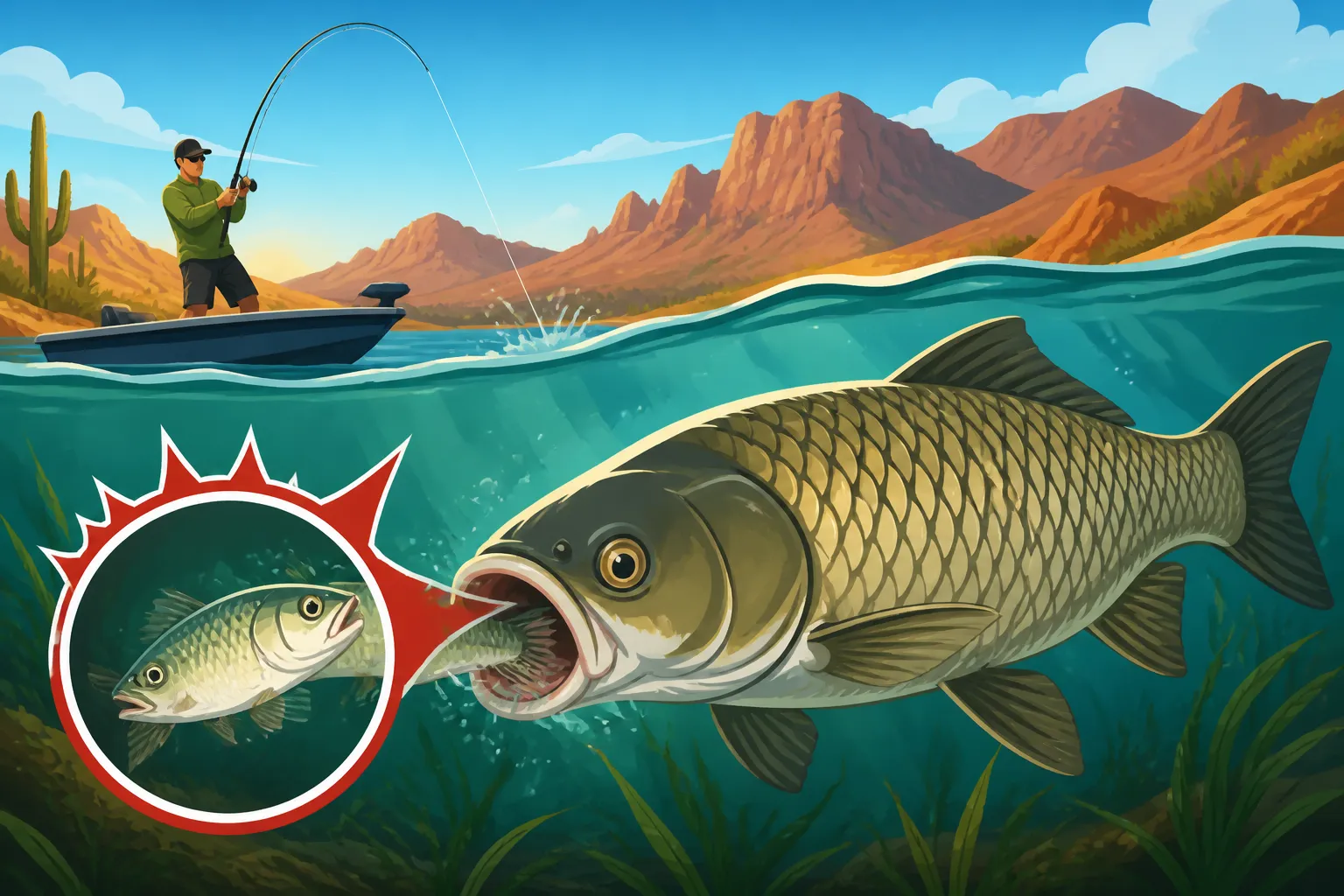
This is the big question, and the answer, in almost all practical and observed circumstances, is a resounding no. Grass carp are not predators in the conventional sense.
The Scientific Consensus
From a biological standpoint, grass carp are herbivores. Their digestive system is specifically adapted to break down cellulose and other plant materials. They lack the sharp teeth or powerful jaws that predatory fish, like largemouth bass or striped bass, possess. Instead, they have pharyngeal teeth located in their throat, which are used to grind up plant matter against a chewing pad on the roof of their mouth. It's like a built-in food processor for vegetation.
Multiple studies and extensive observations by fisheries biologists across the globe consistently show that grass carp do not actively hunt or consume other fish, fish eggs, or even fish fry as a primary food source. Their feeding behavior is centered around vegetation, and their physiological makeup supports this diet. If you've ever seen a large grass carp leisurely cruising through a patch of weeds, you're witnessing them doing exactly what they're designed to do: eating plants.
So, while it might seem plausible that a large fish could eat smaller fish, the biological facts simply don't support it for grass carp. They're not going after your bass, trout, or catfish.
Instances of Accidental or Opportunistic Feeding
Now, let's talk about the very rare exceptions that sometimes fuel the misconception. Could a grass carp ever accidentally ingest a tiny minnow or an insect? In extremely rare circumstances, it's possible for an accident to happen. Imagine a situation where a grass carp is aggressively slurping up a dense patch of algae, and a tiny insect larva or even a very small, inactive fish happens to be caught within that vegetation. It might be ingested purely by chance, not by active predation.
Think of it like a cow grazing in a field. While a cow's diet is grass, it might accidentally ingest an insect or two living on that grass. Does that make the cow a predator? Of course not. The same logic applies to grass carp. Their digestive system wouldn't even efficiently process such animal protein, and it certainly wouldn't sustain them. These are not instances of intentional hunting or a dietary shift; they are anomalies.
It's also worth noting that sometimes anglers might misidentify a fish or jump to conclusions. A large carp seen near a school of baitfish might be mistaken for a predator, when in reality, it could simply be in the same general area, or even be a different species of carp that might have a slightly broader diet (though still not typically piscivorous). Understanding Fish Species Guide for Arizona Lakes can help distinguish between different fish types and their feeding habits.
The Impact on Other Fish Populations
While grass carp don't eat other fish directly, they can certainly impact other fish populations, and this is where the real ecological considerations lie. Their primary impact comes from their job as vegetation removers.
- Habitat Alteration: Many sportfish, like bass and crappie, rely heavily on aquatic vegetation for cover, spawning grounds, and as hunting ambush points. Juvenile fish use weeds to hide from larger predators. When grass carp are introduced and do their job well, they can clear out vast amounts of these essential plants. Too much vegetation removal can lead to a loss of habitat, making it harder for other fish to reproduce successfully or find refuge. This is why the stocking of triploid grass carp is carefully managed, with biologists aiming for a balance that reduces nuisance weeds without completely eradicating vital habitat.
- Water Quality Changes: By consuming vegetation, grass carp can also influence water clarity and nutrient cycling. Reduced vegetation can sometimes lead to clearer water, which can be a double-edged sword: good for visibility for anglers, but sometimes less beneficial for fish that prefer murkier, more vegetated environments. The decomposition of consumed vegetation can also release nutrients back into the water, potentially affecting algal blooms.
It's a complex balance, and the goal is always to use grass carp as a tool to improve angling and recreation, not to harm existing fish populations. The idea isn't to create a barren lake but to reduce overgrowth to a manageable level.
Grass Carp in Arizona's Ecosystem
Arizona's aquatic environments are diverse, from our large desert reservoirs to smaller urban lakes and canals. Grass carp have a specific role within these systems, and their management is crucial for maintaining ecological balance.
How Grass Carp Affect Water Quality and Habitat
The primary function of grass carp in Arizona is to control aquatic weeds. As mentioned, excessive aquatic vegetation can be a real headache. It can snag fishing lines, entangle boat propellers, make swimming unpleasant, and even lead to oxygen depletion in extreme cases as plants decay. Grass carp offer an environmentally friendly alternative to chemical herbicides, which can have their own set of drawbacks.
When properly managed, grass carp can transform an inaccessible, weed-choked waterway into a thriving recreational spot. They improve access for anglers casting lures, creating open lanes for boats, and generally making the water more enjoyable. This indirect benefit to recreational fishing is significant. Imagine trying to throw a crankbait through a mat of hydrilla thick enough to walk on – it's impossible! By clearing these areas, grass carp indirectly support the fishing of other species by making their habitat more accessible to human anglers.
However, too many grass carp, or even normal numbers in a sensitive environment, can lead to the over-removal of vegetation. This is where the balance comes in. If all cover is removed, juvenile fish lose their hiding spots, and larger fish lose ambush points, potentially making them more vulnerable to predation from birds or larger fish, and less effective at hunting their own prey. It’s why environmental surveys are conducted before stocking.
Regulations and Stocking Practices
In Arizona, the stocking of grass carp is not a free-for-all. It's a carefully regulated process managed by the Arizona Game and Fish Department (AZGFD). They determine which waterways would benefit from grass carp, the appropriate number to stock, and ensure that only triploid (sterile) grass carp are used. This prevents them from reproducing uncontrollably and altering the ecosystem beyond the intended weed control.
If you're an angler, you'll want to be aware of the specific rules regarding grass carp. While general fishing licenses cover most species, there might be particular regulations regarding their harvest or handling in certain areas. It's always best to consult the current Arizona Fishing Regulations Explained booklet or the AZGFD website before heading out. Sometimes, specific lakes might have rules about keeping or releasing grass carp, depending on their management objectives for that body of water.
Angling for Grass Carp: What to Expect
While not typically sought after by sport anglers in the same way bass or trout are, grass carp can certainly be caught. They offer a unique challenge due to their size and power. They are notoriously shy and spooky, making them a worthy adversary for patient anglers.
If you do decide to target grass carp, don't expect them to bite on a typical bass lure or a piece of cut bait. Since they are herbivores, you'll need to think like a vegetarian. Common baits include corn, peas, bread, dough balls, and even pieces of fruit or specially formulated carp baits that you might find on Amazon. Some dedicated carp anglers use method feeders packed with chum to attract them. They have a surprisingly soft mouth, so a gentle hookset is usually required.
When you hook a grass carp, be prepared for a fight! They are powerful swimmers and can make long, strong runs. Landing a large one on light tackle is a memorable experience. Many anglers practice Catch and Release Rules for Arizona Anglers when targeting grass carp, as they are primarily managed for vegetation control rather than as a food fish, though some people do consume them.
Protecting Native Fish and Maintaining Balance
The health of Arizona's waterways depends on a delicate balance. Understanding the role of every species, including introduced ones like grass carp, is part of being a responsible angler and conservationist.
The Importance of a Balanced Ecosystem
Every creature, big or small, plays a part in an aquatic ecosystem. From the microscopic plankton to the apex predators, each species contributes to the overall health and stability of the environment. When one component is altered significantly, it can have ripple effects throughout the entire system.
Grass carp, by modifying the plant life, are undeniably altering their environment. The goal of using them is to bring an imbalance of vegetation back into a more desirable balance. However, if their impact goes too far, it could negatively affect the native species of Arizona. Our native fish, like the Apache trout or razorback sucker, have evolved to thrive in specific conditions, and drastic changes to their habitat can be detrimental. You can learn more about these fascinating fish in Native Fish Species of Arizona and Invasive and Protected Fish Species in Arizona.
Fisheries managers are constantly monitoring these impacts, striving to achieve a healthy equilibrium where recreational fishing, wildlife, and natural processes can coexist. This often means carefully calculating stocking rates, regularly assessing water conditions, and adapting strategies as needed.
Responsible Angling Practices
As anglers, we have a vital role in protecting our waterways and the fish within them. This means more than just knowing if grass carp eat other fish; it means practicing responsible habits every time we cast a line.
- Know the Regulations: Always be familiar with the latest Arizona fishing regulations for the specific body of water you're visiting. This includes bag limits, size restrictions, and any special rules for particular species or locations. A general guide like Arizona Fishing License Guide is a great starting point, but always check the specifics.
- Prevent Invasive Species: Never move fish or bait from one body of water to another. This is one of the quickest ways to introduce invasive species, diseases, or even unwanted grass carp into a new ecosystem where they could cause significant harm.
- Practice Catch and Release: If you're not planning to eat a fish, or if it's a protected species, handle it with care and release it quickly to minimize stress. Proper techniques, like using wet hands and removing hooks gently, are essential.
- Respect the Environment: Pack out everything you pack in. Don't leave trash, fishing line, or any other debris behind. Our beautiful Arizona lakes and rivers deserve our respect and protection.
Reporting Concerns
If you ever observe something unusual on the water – perhaps a large number of dead fish, an uncontrolled explosion of aquatic weeds, or what you believe to be an unauthorized fish stocking – don't hesitate to report it to the Arizona Game and Fish Department. They are the experts on our state's aquatic resources, and your observations can be invaluable in helping them maintain healthy fisheries. You can often find contact information for local offices on their official website. Your vigilance helps protect our precious fishing opportunities for years to come.
Disclaimer
This article is for general informational purposes only and does not constitute professional advice. Laws, prices and regulations vary by location and change over time. Consult a qualified professional for guidance on your specific situation.