Grass Carp Stocking Purpose in Arizona Lakes
Many Arizona anglers have experienced the frustration of casting a line only to pull back a tangle of thick, slimy weeds, or found their go-to fishing spot completely choked with vegetation. This isn't just an annoyance; excessive aquatic plant growth can severely hinder fish habitat, degrade water quality, and make recreational activities nearly impossible. This guide dives deep into the specific purpose behind stocking grass carp in Arizona lakes and ponds, explaining how these specialized fish help manage overgrown vegetation and keep our waterways healthy and fishable.
Understanding Aquatic Vegetation Challenges in Arizona Lakes
The Problem with Overgrowth
Arizona's desert lakes and community ponds, while vital oases, often grapple with persistent and aggressive aquatic vegetation. We're not talking about a few harmless lily pads here; we're referring to dense mats of Eurasian watermilfoil, hydrilla, coontail, and other invasive or fast-growing native plants that can completely take over significant portions of a lake or pond. Imagine trying to navigate a small boat or even cast from the shore when the water's surface is practically a green, impenetrable carpet. It makes fishing nearly impossible, clogs boat motors, and can even make swimming and other water sports unsafe or unpleasant. This isn't just a cosmetic issue; it's a serious ecological challenge that impacts the entire aquatic environment.
When these plants grow unchecked, they can deplete crucial oxygen levels at night, especially during the scorching summer months, which often leads to devastating fish kills. They also create a physical barrier that makes it incredibly difficult for predatory fish like bass to hunt effectively, disrupting the natural balance of the fish population. It's a frustrating cycle for everyone who cherishes our beautiful Arizona waters. This unchecked growth also affects water flow in irrigation canals and smaller community channels, creating maintenance nightmares for local municipalities and property owners. The sheer volume of biomass can be astounding, forming dense, almost impenetrable thickets beneath the surface that no amount of traditional boat-based fishing or shore casting can penetrate. You might spend hours just trying to find an open patch of water, only to realize the entire area is a botanical jungle. This is precisely why a targeted, sustainable solution becomes not just beneficial, but crucial. Without intervention, these areas quickly become unusable, transforming once-vibrant fishing spots into stagnant, weed-choked swamps.
Impact on Native Ecosystems and Recreation
Beyond the immediate frustration for anglers, rampant aquatic vegetation has profound impacts on the delicate ecosystems of Arizona's lakes. While a certain amount of vegetation is, of course, crucial for providing fish cover and essential food sources, an imbalance can drastically alter the habitat. Invasive species, in particular, have a notorious ability to outcompete native plants, leading to a reduction in biodiversity and a significant disruption of the natural food web. For example, dense mats of invasive weeds can block sunlight from reaching beneficial native submerged plants, effectively starving them out. This shift in plant communities can impact insect populations, which serve as a primary food source for many different fish species, and ultimately affect the health and overall population of sport fish. It’s a cascading effect that often goes unnoticed by the casual observer but has serious, long-term implications for the entire aquatic community.
From a recreational standpoint, the impact of overgrowth is immediately and painfully obvious. Fishing, which is a beloved pastime enjoyed by countless individuals across Arizona, suffers immensely. Areas once known for being productive for bass, crappie, or catfish become completely inaccessible. Boating becomes hazardous, with propellers constantly tangling in dense weeds, leading to costly repairs and endless headaches. Kayakers and paddleboarders find themselves pushing through thick vegetation rather than gliding gracefully across open water. Even simple activities like picnicking by the shore lose much of their appeal when the water's edge is an unsightly mess of decaying plant matter. Managing this overgrowth is not just about making fishing easier; it's about preserving the overall enjoyment, ecological integrity, and long-term health of our precious Arizona waterways for everyone. This is why solutions like understanding Arizona Fishing Regulations Explained become so important, as they often include details on various management strategies.
The Role of Grass Carp as a Biological Control
What are Grass Carp?
When we talk about grass carp, we are specifically referring to Ctenopharyngodon idella, a fascinating freshwater fish species native to eastern Asia. They are members of the minnow family, but don't let that common name mislead you; they can grow quite large, often reaching impressive lengths of several feet and weights of 50 pounds or more in favorable conditions. What makes them particularly interesting and valuable for lake management is their diet: they are primarily herbivorous, meaning they absolutely love to eat aquatic plants. Unlike many fish that might simply nibble on a few weeds, grass carp are truly voracious eaters, capable of consuming significant amounts of vegetation daily, sometimes even up to their own body weight in plant matter. This makes them an incredibly effective, natural, and entirely chemical-free tool for managing overgrown aquatic vegetation in lakes and ponds.
However, there's a crucial distinction regarding their use in places like Arizona. To prevent them from establishing breeding populations and potentially disrupting native ecosystems—a very common and valid concern when introducing any non-native species—Arizona, like many other states, primarily stocks triploid grass carp. The term "triploid" refers to a genetic modification where the fish have three sets of chromosomes instead of the usual two, which renders them completely sterile and unable to reproduce. This critical step ensures that while they effectively control vegetation, they don't become an invasive problem themselves. This careful and responsible management strategy is a testament to the comprehensive approach taken to maintain the delicate ecological balance of our state's waters. For instance, you won't find fertile grass carp mentioned in guides about Fish Species Guide for Arizona Lakes for general angling purposes, precisely because their use is so specialized.
How Grass Carp Manage Vegetation
The remarkable effectiveness of grass carp lies squarely in their insatiable appetite for submerged aquatic plants. When stocked in appropriate numbers, these fish act as highly efficient, living lawnmowers, constantly grazing on the vegetation. They typically prefer softer, more succulent plants first, but as those become scarcer, they'll readily turn their attention to tougher, coarser species, demonstrating their adaptability. This continuous grazing pressure consistently keeps plant growth in check, effectively preventing the formation of those dense, impenetrable mats that plague so many waterways. Imagine the profound difference: instead of relying on chemical treatments that can have unintended side effects and may require permits, or costly mechanical harvesting that demands heavy machinery and significant labor, you have a natural, self-sustaining (for a limited time) solution swimming quietly beneath the surface.
Their effectiveness is directly tied to proper stocking rates, which are meticulously determined by the size and depth of the water body, as well as the specific density and types of vegetation present. Stock too few grass carp, and they simply won't make a significant dent in the overgrowth; stock too many, and they might consume too much vegetation, potentially impacting beneficial native plant life that supports other aquatic species. This is precisely why careful planning, precise calculations, and ongoing monitoring are absolutely essential for any successful stocking program. But when executed correctly, grass carp can dramatically clear navigation channels, open up shorelines for easier access, improve vital water circulation, and restore access for both anglers and boaters. It’s a long-term, biological solution that works quietly, efficiently, and environmentally responsibly, transforming weed-choked nightmares back into healthy, fishable waters. They are a valuable tool in the wider approach to fishery health, alongside crucial considerations for Fishing Bag and Possession Limits Explained or even Arizona Fishing Season Dates and Limits, all of which contribute to the overall ecological balance and enjoyment of our outdoor resources.
Sterile Grass Carp – The Arizona Approach
The use of grass carp in Arizona waters is a meticulously managed endeavor, specifically utilizing triploid grass carp. As previously highlighted, the "triploid" designation signifies that these fish possess three sets of chromosomes instead of the typical two found in most fish, rendering them completely sterile. This sterility is absolutely paramount in preventing them from reproducing and potentially establishing wild populations, which could have unforeseen and detrimental negative impacts on the state's native fish species and delicate aquatic ecosystems. Imagine if a non-native species, known for its voracious appetite, were allowed to breed unchecked in a fragile desert environment – the ecological consequences could be disastrous for local biodiversity and the long-term health of our waters. Arizona understands this inherent risk, and thus, every single grass carp introduced into public or regulated private waters undergoes rigorous testing to confirm its triploid status.
This scientific and cautious approach allows Arizona to harness the incredible weed-eating capabilities of grass carp without introducing a new, self-perpetuating invasive threat. It's a common and highly effective practice across many states facing similar vegetation challenges. The guaranteed sterility ensures that the impact of the grass carp is entirely controllable and temporary; once their job is done or their numbers naturally decline over their lifespan, their influence on the ecosystem wanes without leaving a self-sustaining population behind. This provides fishery managers with the vital flexibility to re-evaluate conditions and restock as needed, thereby maintaining a delicate balance in the aquatic environment. This strategy underscores the state's commitment to using scientifically sound methods for environmental management, a concept that underpins many regulations, including aspects of the Arizona Fishing License Guide. If you're looking for gear to help you observe changes in your local lake after stocking, Amazon is a great place to find things like aquatic cameras or water quality testing kits.
Benefits and Considerations of Grass Carp Stocking
Positive Impacts on Lake Health and Angling
The benefits of a well-executed grass carp stocking program ripple throughout the entire aquatic ecosystem and directly and significantly benefit anglers. First and foremost, by actively reducing excessive aquatic vegetation, the overall water quality often experiences a marked improvement. Stagnant, heavily weed-choked areas can suffer from dangerously low oxygen levels, especially at night when plants respire, which severely stresses fish populations. Clearing out these dense vegetation mats allows for much better water circulation and increased sunlight penetration, both of which are critical factors that help maintain healthier and more consistent oxygen levels throughout the water column. Beyond the ecological improvements, the aesthetic appeal of the lake or pond also dramatically improves, transforming what might have been an ugly, unusable mess into a pristine and inviting body of water.
For anglers, the transformation brought about by grass carp is often immediate and quite dramatic. Where once casting was nearly impossible due to dense growth, now there are open lanes, allowing for unimpeded presentations. Lures can be retrieved freely without constantly snagging every few feet, and boaters can navigate without fear of tangling their propellers. This increased accessibility opens up significantly more fishable water, which can help distribute fishing pressure more evenly and make it considerably easier to target popular sport fish such as bass, crappie, and catfish that might have been hidden or simply impossible to reach within dense cover. While a healthy balance of vegetation is undoubtedly good, offering vital cover and food sources, extreme overgrowth is unequivocally detrimental. Grass carp help to restore that crucial balance, leading to healthier, more robust fish populations that are ultimately more accessible and easier to catch. Many anglers actively seeking new fishing adventures often search for Best Fishing Lakes in Arizona, and a well-managed lake with controlled vegetation is almost always a top choice for its reliability and enjoyability.
Potential Concerns and Management Strategies
While grass carp undoubtedly offer a powerful and natural solution to aquatic vegetation problems, their use is not without important considerations, and careful, ongoing management is absolutely key to their success and environmental responsibility. One primary concern, as we've discussed, is the potential for non-triploid (fertile) grass carp to reproduce and become an invasive species in Arizona's waters. This is precisely why strict testing protocols are rigorously in place to ensure that only sterile triploid fish are ever stocked. Another significant consideration is the potential impact on beneficial native vegetation. If too many carp are stocked, or if they consume an overly aggressive amount of vegetation, it could inadvertently strip the lake of essential cover and critical food sources for other fish and local wildlife. This is particularly relevant for vulnerable species like juvenile bass or small panfish that heavily rely on submerged plants for protection from predators and as nursery grounds.
Therefore, truly effective management strategies involve thorough pre-stocking surveys to meticulously assess the specific vegetation types and densities present, careful and precise calculation of stocking rates, and ongoing, continuous monitoring of both vegetation levels and the overall health of the fish population. Regular surveys help determine if additional carp are needed in the future or if their existing population should be allowed to decline naturally over their lifespan. Furthermore, some lakes might harbor specific sensitive plant species that require protection, necessitating a more nuanced and tailored approach. It’s a dynamic process that demands ongoing attention, scientific expertise, and a steadfast commitment to maintaining ecological balance. Understanding these intricate dynamics is an integral part of being a responsible and informed angler, much like knowing your Arizona Fishing License Types Compared or abiding by the Catch and Release Rules for Arizona Anglers. Resources found on platforms like Amazon can even include specialized tools, such as underwater cameras or robust mapping software, that can assist in these vital monitoring efforts for individuals or managers of smaller private ponds.
Where and How Grass Carp Are Stocked in Arizona
Identifying Suitable Lakes and Ponds
Not every body of water in Arizona is a suitable candidate for grass carp stocking, and thankfully, the process isn't a free-for-all. The Arizona Game and Fish Department (AZGFD), and similar agencies overseeing private pond permits, undertake a thorough and rigorous evaluation process to determine a water body's suitability. Key factors that are meticulously considered include the size and depth of the water body, the specific type and density of nuisance aquatic vegetation (with a particular focus on invasive species), and critically, the presence of any unique or sensitive native plant or fish species that might be negatively impacted. For instance, smaller, enclosed ponds or lakes that are heavily choked with non-native invasive plants are often identified as prime candidates. These particular environments tend to benefit most directly and immediately from the carp's efficient grazing, and the relatively contained nature of the water body makes it significantly easier to manage their population and observe their effects.
Conversely, large, free-flowing river systems or expansive lakes with significant, uncontrolled outlets might not be suitable candidates for grass carp stocking, primarily because the carp could potentially escape into other interconnected waterways where their presence is not desired, regulated, or beneficial. The department also carefully considers the overall ecological profile of the water body, ensuring that the introduction of grass carp aligns harmoniously with broader conservation goals and does not pose a risk to the existing ecosystem. It's truly about finding the right problem for the right solution, where grass carp can deliver maximum benefit in terms of vegetation control without inadvertently causing harm or creating new ecological imbalances. This selective and scientific process is a critical component of responsible aquatic ecosystem management in Arizona, ensuring that precious resources are deployed effectively and sustainably for the long-term health of our waters. Understanding these nuances can even help inform decisions about where to find Best Bass Fishing Lakes in Arizona or Best Trout Fishing Spots in Arizona, as healthy, managed environments often provide better fishing opportunities.
The Stocking Process and Monitoring
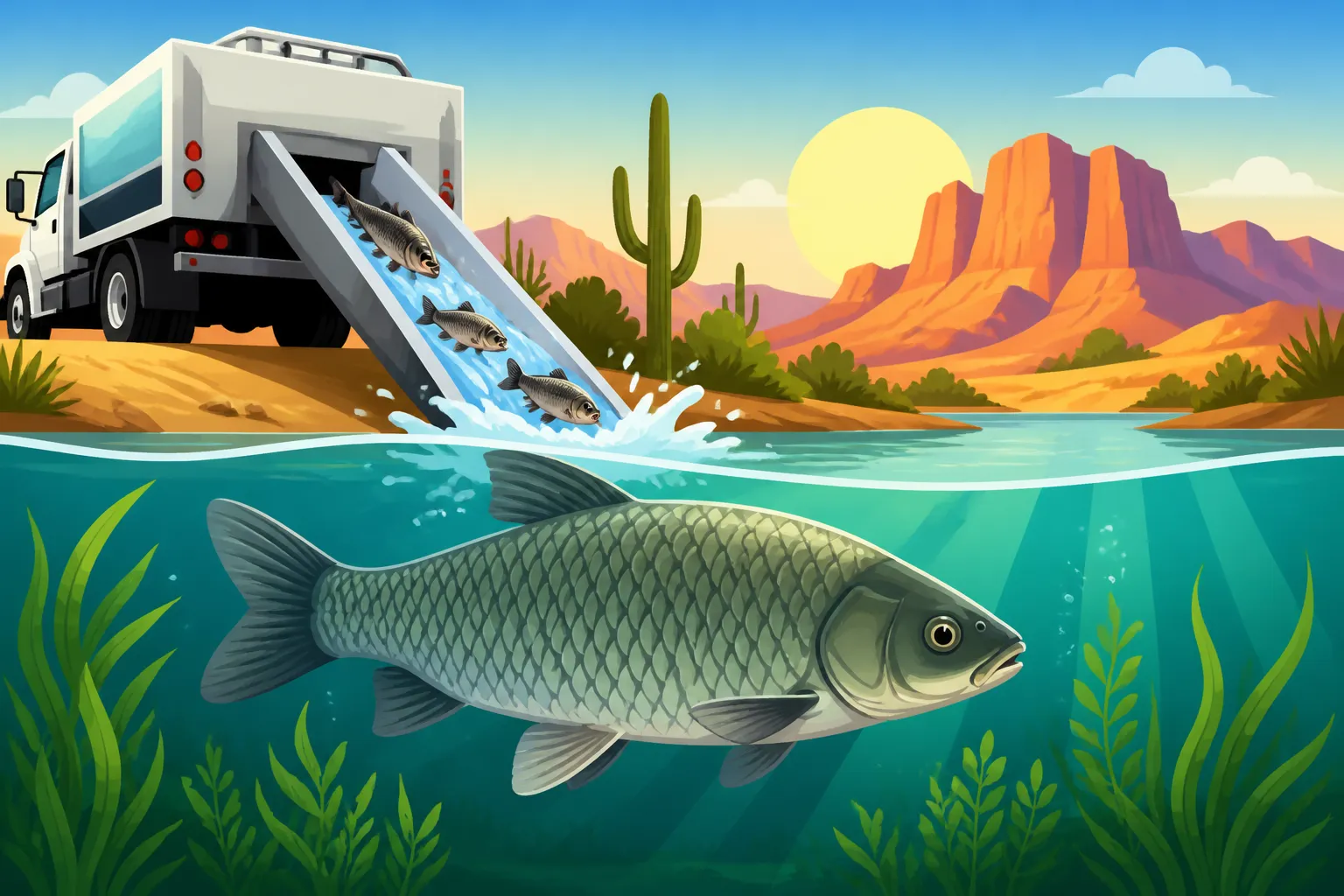
Once a lake or pond has been thoroughly identified and approved as suitable for grass carp, the actual stocking process is meticulously planned and executed with great care. It's certainly not as simple as just randomly dumping a truckload of fish into the water. The triploid grass carp are sourced exclusively from certified hatcheries that can rigorously guarantee their sterility, a non-negotiable requirement. Before transport to their final destination, the fish are often held in special tanks and gradually acclimated to the specific water temperature of the receiving water body. This crucial acclimation process helps minimize stress to the fish during their transition. Upon arrival at the lake or pond, they are gently and carefully released into the target water body, further ensuring minimal stress and maximizing their survival rates. The number of fish stocked is precisely calculated based on the earlier, detailed vegetation assessment – enough to make a significant and noticeable difference in vegetation control, but critically, not so many as to cause undesirable overgrazing of beneficial plant life.
Following the initial stocking event, continuous and ongoing monitoring is absolutely crucial for the long-term success of the program. This involves regular and systematic surveys of the aquatic vegetation to accurately track the effectiveness of the carp's grazing activity. Managers diligently look for specific reductions in the target nuisance weeds and carefully monitor for any unintended or negative impacts on desirable native plant species. The health, growth, and general well-being of the grass carp themselves are also closely observed. This long-term commitment to comprehensive monitoring ensures that the program remains successful, adaptive, and environmentally responsible. If environmental conditions or vegetation levels change significantly, stocking rates can be adjusted in the future, or other complementary management techniques might be introduced to maintain optimal balance. It’s a dynamic, science-based approach to keeping Arizona's waters vibrant, healthy, and perpetually accessible for fishing and a myriad of other recreational activities. For anglers, staying informed about these detailed management practices can significantly deepen their appreciation for the extensive efforts that go into maintaining their favorite fishing spots. You might even find informational resources or specific gear on Amazon for local lake health reports or educational materials related to aquatic plant management.
Here's a table to summarize common vegetation control methods, helping to put grass carp stocking into perspective:
| Method | Description | Pros | Cons | Best Use Case |
|---|---|---|---|---|
| Grass Carp Stocking | Introducing sterile, herbivorous fish to consume aquatic plants. | Natural, long-term, no chemicals, cost-effective over time, improves fishing access, minimal human intervention. | Slow acting, requires careful calculation, potential for overgrazing if mismanaged, not suitable for all waters. | Lakes/ponds with persistent submerged vegetation; long-term solution. |
| Chemical Herbicides | Applying specific chemicals to kill or inhibit plant growth. | Fast-acting, can target specific plants, effective for widespread issues. | Can impact non-target organisms, potential water use restrictions, environmental concerns, repeated application needed. | Rapid control of invasive species; spot treatments, accessible areas. |
| Mechanical Harvesting | Using specialized boats or equipment to cut and remove vegetation. | Immediate results, no chemicals, removes biomass from the system. | Expensive, labor-intensive, temporary relief, can fragment plants, disturbs habitat, limited by depth. | Urgent clearing of navigation channels; dense surface mats. |
| Dredging | Removing sediment and vegetation from the bottom of the water body. | Long-term solution for deep-seated problems, increases depth, improves water quality. | Extremely costly, highly disruptive, requires permits, disposal of material, can destroy benthic habitat. | Severely silted or shallow ponds with persistent problems. |
| Drawdowns | Lowering water levels to expose and dry out aquatic plants. | Cost-effective, can kill many plant species by desiccation, consolidates sediments. | Dependent on weather, can impact fish populations, limits recreational use during drawdown, may not kill all plants. | Reservoirs where water level manipulation is feasible; winter months. |
The decision to stock grass carp in Arizona lakes is a strategic and carefully considered one, primarily aimed at creating and maintaining healthier, more enjoyable, and more accessible aquatic environments for everyone. It's a proactive and biologically sound approach to addressing a very common and challenging problem, reflecting a deep commitment to sustainable resource management and the continued enjoyment of Arizona's invaluable outdoor resources.
Disclaimer
This article is for general informational purposes only and does not constitute professional advice. Laws, prices and regulations vary by location and change over time. Consult a qualified professional for guidance on your specific situation.