Average Size of Stocked Trout in Arizona
One of the most common questions I get from folks new to fishing in our beautiful state, or even seasoned anglers trying a new spot, is "How big are the trout they stock here?" It's a fair question! We all dream of that lunker, but it's important to set realistic expectations, especially when you're targeting those hatchery-raised beauties. This guide will dive into the average size of stocked trout in Arizona, what influences those sizes, and what you can generally expect to reel in from our diverse waters.
Understanding Arizona's Stocked Trout Program
Arizona is a land of extremes, and our fishing opportunities reflect that. From the high mountain streams to the urban community lakes, trout stocking is a critical part of providing consistent angling experiences. But not all stocked trout are created equal, and understanding the program helps you appreciate what you're catching.
What Species Are Stocked?
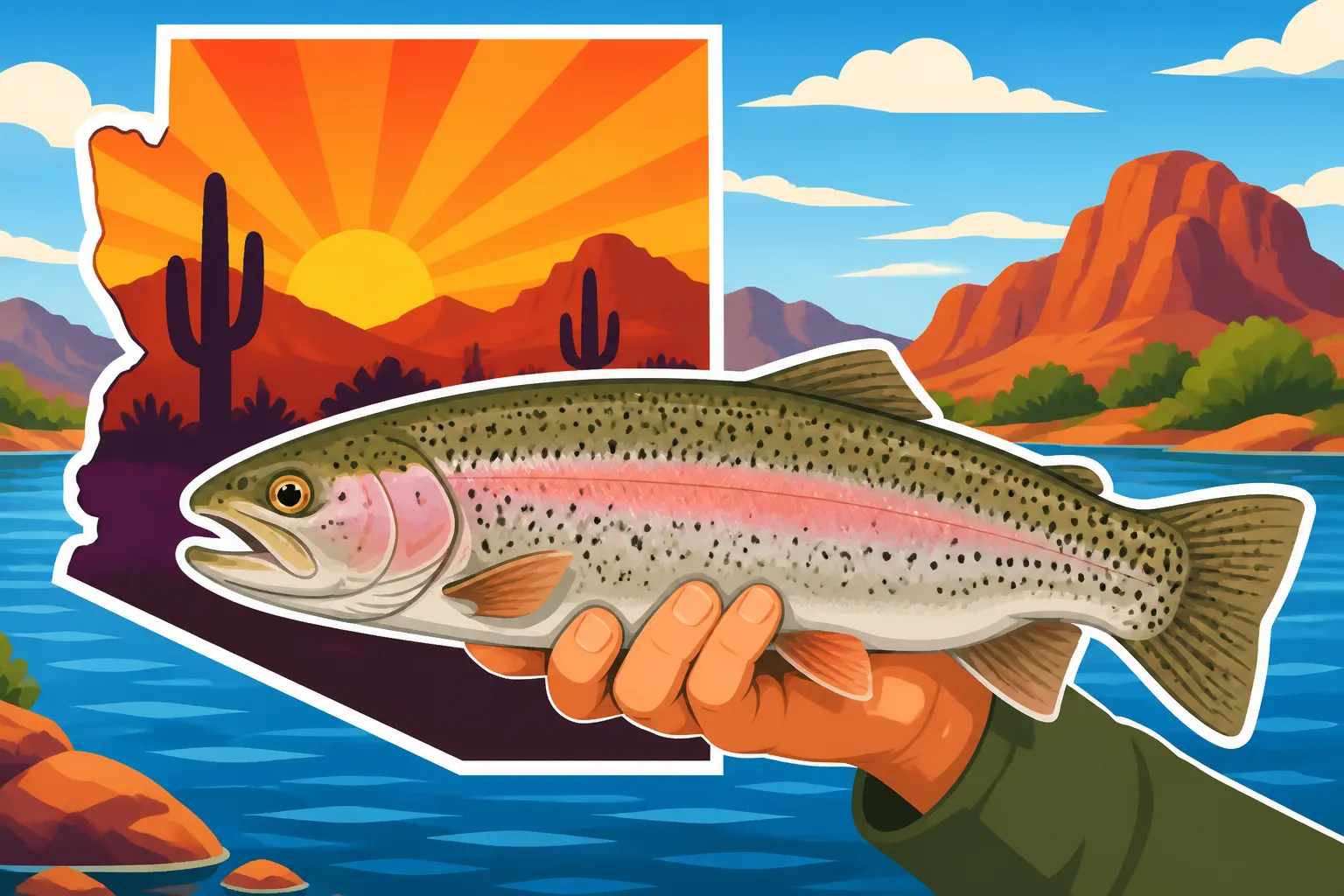
When we talk about "stocked trout" in Arizona, the vast majority of the time, we're referring to Rainbow Trout. These resilient fish are fantastic for stocking programs because they grow relatively quickly in hatchery environments, are eager to bite, and adapt well to a variety of water conditions, making them perfect for both our cool mountain lakes and streams, and even our warmer urban ponds during cooler months. You might occasionally find other species, like Brown Trout, particularly in some of the higher elevation waters, but Rainbows are the workhorses of the stocking program. They provide that consistent opportunity many anglers crave, especially families looking for a fun day out. To learn more about this popular species, check out our Rainbow Trout Fishing Guide for Arizona.
Where Do These Trout Come From?
Our stocked trout are primarily raised in state-run hatcheries. These facilities are incredible operations, designed to produce healthy, catchable-sized fish. The trout start as eggs, hatch into fry, and then are carefully nurtured in raceways and ponds, fed a specialized diet, and monitored for health and growth. This controlled environment means they're accustomed to a consistent food source and relatively stable conditions, which translates to a pretty uniform size when they're released. It's a science-backed process aimed at giving anglers the best chance at success, and it's a huge undertaking that supports fishing across the state. Without these hatcheries, many of our favorite fishing spots simply wouldn't have the vibrant trout populations we enjoy.
The Average Size of Stocked Trout in Arizona
Let's get down to brass tacks: what kind of fish are you likely to be holding up for that photo? It's not always about breaking state records, but definitely about having a good time and perhaps putting some fresh fish on the dinner table.
Typical Length and Weight Ranges
For the vast majority of stocked trout in Arizona, you're generally looking at fish in the 8 to 12-inch range. These are often referred to as "pan-sized" trout, and for good reason—they fit perfectly in a skillet! In terms of weight, these fish typically range from about a half-pound to a full pound, sometimes a little more if they've had some extra time in the hatchery or found some good grub in the lake before you caught them.
Think about it this way: these are fish raised specifically to be caught, and they're put into the water at a size that provides a fun fight for light tackle and a decent meal. While it's rare to pull out a multi-pound monster right after a stocking truck has left, these smaller, feisty fish make for an incredibly enjoyable and often productive outing. They're ideal for teaching kids how to fish, or for an experienced angler just looking for some relaxing action.
Factors Influencing Initial Stocking Size
Several factors determine the size of trout released into Arizona's waters. It's not a random process; it's a carefully managed one.
- Age and Growth Rate: Trout are typically stocked at a certain age, usually when they've reached that "catchable" size. The growth rate is influenced by the water temperature in the hatchery, the quality and quantity of their feed, and even the specific strain of rainbow trout. Faster growth means they can be stocked sooner.
- Hatchery Capacity: Hatcheries have limits on how many fish they can raise and how large they can let them get before they need to be released to make room for the next batch. This often dictates a general target size for stocking.
- Angler Demand and Program Goals: The primary goal of stocking is to provide fishing opportunities. For urban programs, the emphasis is often on frequent stocking of smaller, catchable fish to maintain high success rates, especially for beginners and families. For some mountain lakes, there might be a "trophy trout" program that aims to stock a certain percentage of larger fish, or waters where fish can grow naturally for longer.
- Transportation Logistics: Larger fish require more space and oxygen during transport, which can limit the number of fish that can be moved efficiently. Stocking fish at a consistent, manageable size helps ensure they arrive at their destination healthy and ready to bite.
What to Expect at Different Arizona Waters
Arizona offers a variety of fishing environments, and the size of the stocked trout can vary depending on where you cast your line. Knowing the type of water you're fishing can help you predict the size of your catch.
Urban Community Fishing Lakes
These lakes are angler powerhouses, especially for families and those living in the Phoenix and Tucson metro areas. The focus here is on high-frequency stocking to ensure consistent action. Consequently, the trout you'll find in these waters are almost always going to be in that typical 8-12 inch, half-to-one-pound range. They're perfect for a quick, fun outing.
These waters are often stocked during the cooler months, generally from about November through March or April, when the water temperatures are suitable for trout. The fish are put in at a size that allows for immediate catchability, and due to high angler pressure and the warmer summer temperatures that aren't ideal for trout, they typically don't have a chance to grow much larger. You're catching them soon after they've been introduced, which makes them eager to bite! It's an excellent way for beginners to get into the sport. Trout Stocking Frequency at Urban Lakes in Arizona can give you an idea of how often these spots are replenished.
Mountain Lakes and Streams
Venture up to Arizona's high country, and things can get a bit more interesting. While many of these waters also receive regular stockings of pan-sized rainbow trout, there's a greater chance of encountering "carryover" fish. Carryover trout are those stocked fish that survive the initial angler pressure and the winter, finding natural food sources and growing larger over time.
In lakes like Big Lake, Woods Canyon Lake, or even certain stretches of the Mogollon Rim streams, you might find stocked rainbows that have grown into the 14-18 inch range, sometimes even pushing a couple of pounds. These fish are tougher fighters and have often developed a more natural feeding instinct. Fishing in these areas often requires a bit more finesse and knowledge of Best Trout Fishing Techniques for Arizona Waters, but the reward of a larger, wilder-feeling trout can be immense. These waters also benefit from cooler year-round temperatures, allowing trout to thrive and grow for extended periods.
Special Regulation Waters
Arizona also has specific waters managed under "special regulations" designed to create quality fishing experiences, often for larger trout. These might include catch-and-release only sections, or waters with specific gear restrictions. Lees Ferry on the Colorado River, for example, is renowned for its trophy-sized rainbow trout, many of which are wild but benefit from managed populations and protective regulations. While not strictly "stocked" in the same way as community lakes, the principles of managing populations for size apply.
In these areas, you're intentionally targeting fish that are often much larger than the average stocked trout, potentially ranging from 16 inches up to several pounds. This type of fishing is typically more challenging and requires different gear and techniques, but it offers the chance at a truly memorable fish. Understanding these rules is crucial, so definitely look up Arizona Fishing Regulations Explained before you go.
Here's a quick overview of typical size expectations across different water types:
| Water Type | Typical Length Range (inches) | Typical Weight Range (pounds) | Chance of "Trophy" Size (2+ lbs) | Primary Angler Target |
|---|---|---|---|---|
| Urban Community Fishing Lakes | 8 – 12 | 0.5 – 1.0 | Low | High-volume, easy catch for families |
| Mountain Lakes (Standard Stock) | 8 – 14 | 0.5 – 1.5 | Medium (via carryover) | Consistent action, potential for larger |
| Mountain Streams (Standard Stock) | 7 – 12 | 0.4 – 0.8 | Low | Numbers, stream fishing experience |
| Mountain Lakes (Quality Program) | 12 – 20+ | 1.0 – 5.0+ | High | Larger, challenging sport fish |
| Special Regulation Waters | 16 – 24+ | 2.0 – 8.0+ | Very High | Trophy-class, expert anglers |
Beyond the "Average": Finding Bigger Trout
While the average stocked trout might be pan-sized, it doesn't mean you can't aim for something bigger. There's an art and a science to finding those elusive, larger fish, even in waters that are regularly stocked.
Carryover Fish and Natural Growth
The secret to larger trout in many stocked Arizona waters lies in the concept of "carryover." These are fish that were stocked months, or even a year or two prior, and managed to evade anglers and survive in the lake or stream. They transition from a hatchery diet to natural forage like insects, crayfish, and smaller baitfish, leading to more robust growth.
In mountain lakes with good deep-water habitat and abundant natural food, these carryover rainbows can put on significant size. They become warier, smarter, and stronger. Catching a carryover trout feels different—they fight harder and often have brighter, more vibrant colors than their freshly stocked cousins. To increase your chances, look for waters that are stocked heavily but also have good structure (like submerged timber, rock piles, or deeper channels) where fish can hide and mature. Understanding the Arizona Fishing Seasons Explained can also help you predict when these fish might be more active.
Tactics for Targeting Larger Trout
If you're specifically hoping to hook into a rainbow that's well above the average, you'll need to adjust your approach.
- Go Big with Baits and Lures: While PowerBait and corn work great for fresh stockers, bigger trout are often looking for a more substantial meal. Try larger spoons, swimbaits, or even fly patterns that imitate larger insects or small fish. For those who prefer bait, a live minnow (where legal) or a chunk of nightcrawler can entice a wary carryover. You can find a fantastic selection of these on platforms like Amazon if you're looking to expand your tackle box.
- Fish During Off-Peak Times: The crowds often target trout right after a stocking. Waiting a week or two, or fishing during weekdays, can give the fish a chance to disperse and become more acclimated.
- Seek Out Deeper Water and Structure: Larger trout, especially those that have been in the lake for a while, will often gravitate towards deeper, cooler water and hide among submerged structures. Using a fish finder can be immensely helpful here, or simply knowing the contours of the lake bottom.
- Finesse and Patience: Bigger fish are smarter. Use lighter lines (fluorocarbon can be almost invisible in clear water), smaller hooks (if using bait), and subtle presentations. Patience is key; sometimes, you have to wait out the smaller, more aggressive fish to get a chance at a true trophy. Our Best Trout Fishing Techniques for Arizona Waters article offers more in-depth advice.
Why Size Matters (But Isn't Everything!)
It's natural to care about the size of your catch. The bragging rights, the photo, the pure thrill of a big fish on the line – it's all part of the allure. But let's be real, especially when it comes to stocked trout in Arizona, there's more to a successful fishing trip than just the inches on your ruler.
Table Fare vs. Sport Value
For many, stocked trout are destined for the dinner plate, and those 8-12 inch fish are absolutely perfect for eating. Their flesh is typically delicate and flavorful, and they're just the right size for a single serving. There's a real satisfaction in catching a limit of these "pan-sized" trout and bringing them home for a fresh meal. They're easy to clean and prepare, making them an ideal choice for a campfire cookout or a simple family dinner.
On the other hand, the sport value of a larger trout is undeniable. A 3-pound rainbow will put up a fight that you'll remember, bending your rod and peeling line. These are the fish that test your skill and provide an adrenaline rush. Some anglers practice catch and release, especially with larger fish, to allow them to continue growing and to preserve the gene pool. Understanding Catch and Release Rules for Arizona Anglers is vital if this is your goal.
Ultimately, whether you're looking for a meal or a thrilling fight, Arizona's stocked trout program offers something for everyone. It's about personal preference and what you hope to get out of your time on the water.
Managing Expectations for a Fun Outing
The most important thing is to manage your expectations. If you head to an urban community lake expecting to catch a 5-pound rainbow every cast, you're likely to be disappointed. Go with the mindset of enjoying the outdoors, spending time with friends or family, and appreciating the opportunity to catch fresh fish. Those consistent 8-12 inch trout are incredibly fun to catch, especially for kids. They provide steady action and build confidence, which is invaluable.
Embrace the joy of the tug on the line, the beautiful Arizona scenery, and the simple pleasure of a day spent fishing. If you happen to hook into a larger carryover trout, that's just an extra bonus to an already great day. Remember, sometimes the best catches aren't the biggest, but the ones that bring the biggest smiles. And hey, if you're missing some essential gear like a reliable tackle box or a comfortable fishing chair for those longer waits, checking out options on Amazon can make your next trip even more enjoyable.
Disclaimer
This article is for general informational purposes only and does not constitute professional advice. Laws, prices and regulations vary by location and change over time. Consult a qualified professional for guidance on your specific situation.