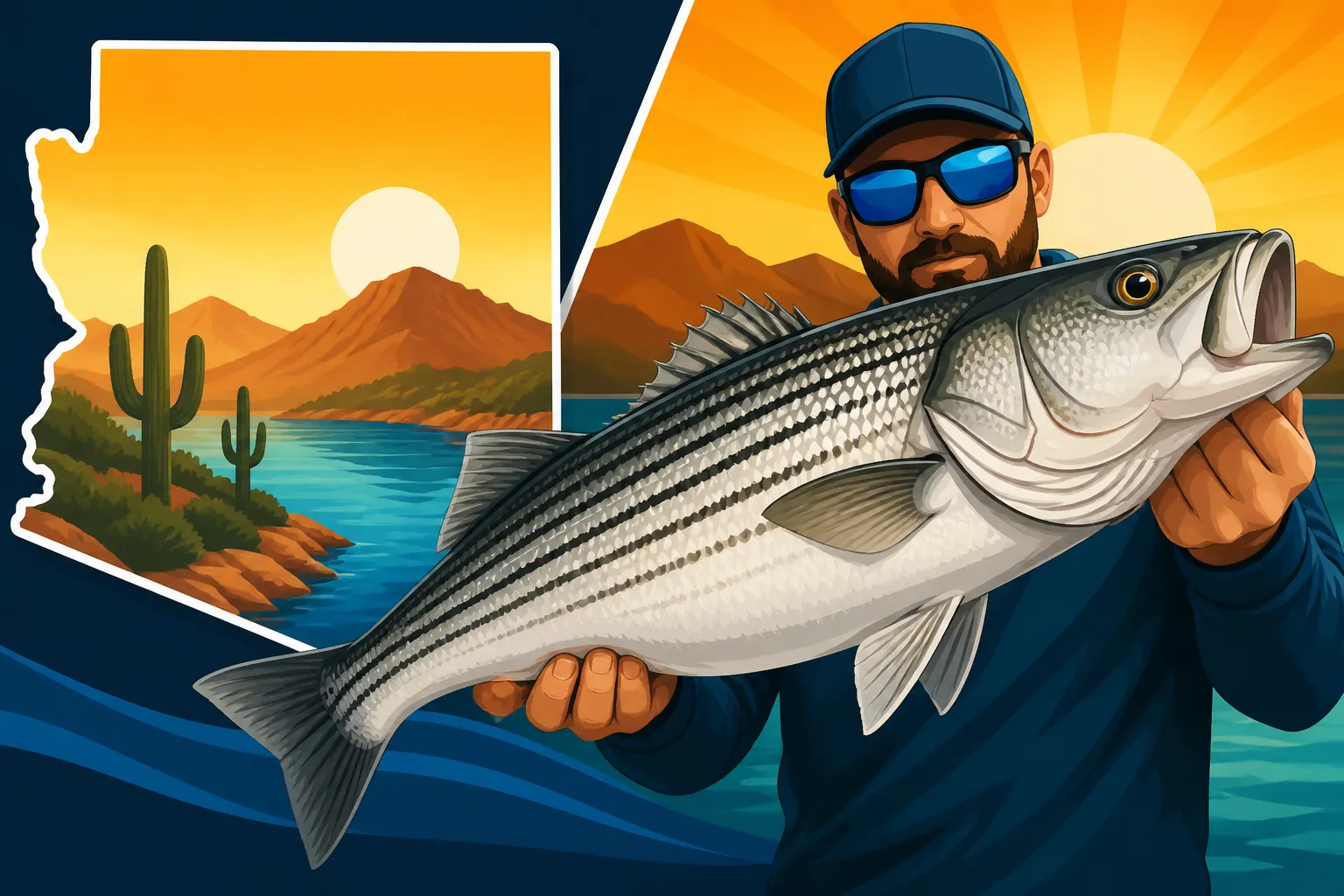
Arizona State Record Striped Bass Weight and Location
It's incredibly frustrating when you hear whispers of legendary fish, colossal catches that make your own biggest fish feel like bait, but you can't pin down the exact details. You know Arizona has some incredible fisheries, especially for hard-fighting striped bass, and you've probably wondered just how big they get and where those giants truly come from. This guide is all about cutting through the rumors and giving you the definitive scoop on the Arizona state record striped bass, including its impressive weight and the hallowed waters it called home, so you can fuel your own trophy dreams.
The Allure of Trophy Striped Bass in Arizona
There's something uniquely captivating about striped bass, isn't there? They're powerful, beautiful, and when they hit your lure, you know you're in for a fight. For many anglers, catching a truly big striper is a lifetime goal, a testament to skill, patience, and a bit of luck. Arizona might be a desert state, but its expansive lakes and stretches of river offer some of the best striped bass fishing anywhere, drawing passionate anglers from all over.
Why Stripers Capture Anglers' Imagination
Striped bass aren't just fish; they're an experience. Their sheer power and aggressive feeding habits make them a thrill to pursue, whether they're busting bait on the surface in a chaotic "boil" or lurking in deep water, waiting to ambush prey. Hooking into a strong, healthy striper means your drag will scream, your rod will bend, and your arms will get a workout. There's a true sense of accomplishment in landing one of these formidable fish, and the bigger they get, the more that feeling intensifies.
For many, the quest for a trophy striper becomes almost an obsession. It’s not just about the size, but the challenge of understanding their behavior, finding their haunts, and presenting the perfect bait or lure to tempt them. Arizona's diverse waters, from the vastness of Lake Powell to the flowing sections of the Colorado River, provide varied conditions that keep anglers on their toes, constantly adapting their strategies.
Arizona's Unique Striped Bass Fisheries
Arizona offers a fascinating dichotomy when it comes to striped bass. You have the massive desert reservoirs like Lake Powell, where stripers can grow to immense sizes thanks to abundant forage and vast, deep waters. Then there's the Colorado River, a lifeline through the desert, which also holds impressive populations, particularly in the lower stretches near Lake Mead. Each environment presents its own challenges and rewards, making Arizona a truly special destination for striper enthusiasts.
These waters are incredibly productive, thanks to healthy populations of baitfish like threadfin shad, which serve as the primary food source for growing stripers. When conditions are right, you can witness incredible feeding frenzies that get the blood pumping. Understanding these unique fisheries is key to unlocking their potential, whether you're chasing the state record or just looking for a memorable day on the water.
Unveiling the Arizona State Record Striped Bass
Every state has its legendary fish, those monumental catches that define what's possible in its waters. For striped bass in Arizona, there's one fish that stands above the rest, a true leviathan that sets the benchmark for all other anglers. It’s the kind of catch that gets talked about for generations, inspiring new anglers to dream big.
The Record-Setting Catch
The Arizona state record striped bass is a truly monumental fish, a testament to the incredible potential of Arizona's waters. This legendary catch weighed in at a staggering 67 pounds, 10 ounces. Imagine reeling in a fish of that size – it's the kind of battle that pushes your gear and your endurance to their limits. This incredible striper was landed on Lake Powell, a body of water renowned worldwide for its exceptional striped bass fishing.
While official records evolve and are updated, the sheer size of this particular fish has etched it into the annals of Arizona angling history. It highlights Lake Powell's capacity to produce not just numerous stripers, but truly gargantuan specimens that can compete with records from saltwater fisheries. This record isn't just a number; it's a beacon for every angler who casts a line into Arizona's waters, proving that world-class fish are indeed swimming in our desert lakes.
The Angler Behind the Legend
Behind every great fish is an angler who put in the time, effort, and skill to make the catch. While the specific details of the record angler are often kept low-key in general discussions, the accomplishment speaks volumes. It’s a testament to someone's dedication to the sport and their ability to be in the right place at the right time with the right gear and technique. This achievement elevates them to a special place in Arizona fishing lore, forever linked to that colossal striped bass.
Their success isn't just personal; it serves as inspiration for countless others. It proves that the dream of landing a true trophy fish in Arizona is not just a fantasy but a tangible goal within reach for those who are willing to learn, adapt, and persevere. Arizona Fishing Regulations Explained can give you a deeper understanding of the rules that keep our fisheries healthy for such magnificent catches.
Where Giants Roam: Prime Striped Bass Locations in Arizona
Knowing the record is one thing, but knowing where such a fish could potentially come from is what truly ignites the angler's spirit. While the state record has a home, the potential for other giants exists in several key locations across Arizona. These spots offer the habitat, forage, and depth that allow striped bass to reach incredible sizes.
Lake Powell: The Striped Bass Mecca
It's no surprise that the record came from Lake Powell. This vast, complex reservoir, straddling the Arizona-Utah border, is arguably the premier striped bass fishery in the Southwest. With its endless canyons, deep channels, and abundant threadfin shad, Lake Powell provides the perfect environment for stripers to thrive and grow to immense proportions. The sheer volume of water and the intricate structure offer endless hiding and feeding grounds.
Anglers targeting big stripers on Lake Powell often focus on deep water trolling with large plugs, spoons, or live bait near prominent points, ledges, and submerged timber. During the warmer months, especially early morning and late evening, watching for "boils" where stripers aggressively school and push bait to the surface is key. These frenzies are legendary and can offer some of the most exciting fishing imaginable. Understanding Lake Powell Arizona Fishing Guide can significantly improve your chances here.
The Colorado River: Another Big Striper Hotspot
While Lake Powell gets much of the attention for stripers, don't overlook the powerful Colorado River, particularly the stretches below its major impoundments. Downstream from Lake Mead, for example, the river maintains a healthy population of striped bass that can also reach impressive sizes. These riverine stripers often exhibit different behaviors than their lake-dwelling cousins, adapting to the current and river structure.
Sections of the Colorado River near cities like Bullhead City or Yuma can produce some fantastic striper fishing. Anglers here might employ different tactics, such as drift fishing with cut bait or live shad, or casting large swimbaits and topwater lures along current breaks and deep holes. The key is often finding areas with good current, structure, and baitfish concentrations. Colorado River Fishing Guide in Arizona offers more specific insights into these river sections.
What It Takes to Catch a Trophy Striper
Chasing a fish like the Arizona state record isn't for the faint of heart or the ill-prepared. It requires specialized gear, refined techniques, and a deep understanding of striped bass behavior. This isn't just casual fishing; it's a strategic pursuit.
Essential Gear for Monster Stripers
When you're targeting fish that can weigh dozens of pounds, your gear needs to be up to the task. Light tackle simply won't cut it. You'll want heavy-duty spinning or baitcasting setups capable of handling powerful runs and the strain of fighting a large fish in deep water.
Here’s a quick rundown of essential gear:
| Gear Type | Recommendation | Why it Matters |
|---|---|---|
| Rod | Heavy-action, 7-8 feet, fast tip | Provides leverage for fighting big fish, sensitive enough to detect subtle bites, powerful enough for heavy lures/weights. Best Fishing Rods for Bass in Arizona offers more details. |
| Reel | High-capacity conventional (baitcasting) or large spinning reel (4000-6000 size) | Holds ample line for long runs, strong drag system for stopping powerful fish. Look for durable options on Amazon. |
| Line | 20-50 lb braided mainline with a 30-60 lb fluorocarbon leader | Braid offers strength, sensitivity, and casting distance; fluorocarbon leader provides abrasion resistance and low visibility in clear water. |
| Lures/Baits | Large swimbaits, deep-diving crankbaits, topwater plugs, fresh cut bait (shad/anchovy), live gizzard shad | Mimics natural forage, triggers aggressive strikes. Vary your offerings based on conditions. |
| Fish Finder | Advanced sonar with side-imaging/down-imaging | Crucial for locating baitfish schools, deep-water structure, and suspended stripers. Finding a good one on Amazon can be a game changer. |
| Net/Gaff | Large, sturdy landing net or a heavy-duty gaff | Essential for safely landing and securing a trophy-sized fish, minimizing stress on both the fish and the angler. |
| Cooler | Large, high-capacity, insulated cooler with ice | If you plan to keep a trophy, keeping it fresh is vital, especially in Arizona's heat. You can find excellent options for Best Coolers for Hot-Weather Fishing in Arizona online. |
This robust setup ensures you have the backbone to not only hook but also land a fish of record proportions. Skimping on gear when chasing giants will almost always lead to heartbreak.
Strategies for Targeting Big Striped Bass
Catching big stripers, especially those record-class fish, requires more than just good gear; it demands strategic thinking and adaptability. Striped bass are nomadic, constantly following their food source and reacting to environmental changes.
1. Locate the Baitfish: This is paramount. Big stripers are where the food is. Use your fish finder to locate large schools of shad. Often, the stripers will be just below or on the edges of these bait balls. Knowing How to Read a Fish Finder for Bass is a huge advantage.
2. Deep Water Trolling: In large reservoirs like Lake Powell, big stripers often hold in deeper water during the day, especially in warmer months. Trolling large, deep-diving crankbaits or swimbaits at various depths, often over submerged points, humps, and canyon ledges, can be incredibly effective. Pay attention to your electronics to dial in the correct depth.
3. Live Bait Dominance: If legal and available, live gizzard shad or large threadfin shad are almost irresistible to big stripers. You can drift them under a balloon or slow-troll them in areas where you've marked fish. The natural movement of live bait often triggers strikes from even the most lethargic stripers.
4. Chase the Boils: When stripers push schools of baitfish to the surface, it creates a chaotic feeding frenzy known as a "boil." These events are thrilling and often indicate large, aggressive fish. Be ready to cast topwater lures, spoons, or swimbaits into the boil as quickly as possible. Knowing How to Fish During a Striper Boil can turn a good day into an unforgettable one.
5. Night Fishing: During the heat of summer, night fishing can be incredibly productive for larger stripers. They often move shallower under the cover of darkness to feed. Look for areas with artificial light or strong moonlight, and use large glow-in-the-dark lures or cut bait on the bottom. Catfish Night Fishing Techniques can offer some transferable insights here, as many techniques overlap.
Beyond the Record: The Impact and Future of Striped Bass Fishing
While the focus on a state record is exciting, it's also important to remember the broader context of Arizona's fisheries. The health of these populations ensures that future generations of anglers will also have the chance to pursue their own trophy striped bass.
Conservation and Management
Arizona's impressive striped bass fisheries don't just happen; they are the result of careful management and conservation efforts by the Arizona Game and Fish Department. This includes monitoring populations, managing forage bases, and setting appropriate Fishing Bag and Possession Limits Explained to ensure sustainable fishing pressure. While striped bass are not native to Arizona, they have become an integral part of the state's sport fishing landscape, and their management is crucial for maintaining their health and size potential.
Anglers play a vital role in this conservation. Practicing responsible catch and release, especially for fish you don't intend to keep, and adhering to all regulations helps ensure the continued health of these trophy fisheries. Every angler contributes to the legacy of Arizona's fishing opportunities.
Your Own Quest for a Trophy
The Arizona state record striped bass stands as a monumental achievement and a testament to the incredible fish swimming in our desert waters. While breaking the record is an extraordinary feat, the pursuit itself is what truly enriches the fishing experience. The planning, the scouting, the learning, and the anticipation are all part of the adventure.
Whether you're heading to the vast expanses of Lake Powell or exploring the depths of the Colorado River, the dream of hooking into a monster striper is a powerful motivator. Equip yourself with the right knowledge and gear, spend time on the water, and who knows? You might just be the next angler to tell the tale of an Arizona giant.
| Location | Peak Season | Primary Forage | Common Tactics | Unique Challenges |
|---|---|---|---|---|
| Lake Powell | Spring, Fall, Summer (night) | Threadfin Shad | Trolling, Live Bait, Boils (Topwater) | Vastness, Deep Water, Fluctuating Water Levels |
| Colorado River | Spring, Fall | Shad, Smaller Fish | Drift Fishing, Cut Bait, Swimbait Casting | Current, River Structure, Access Points |
Disclaimer
This article is for general informational purposes only and does not constitute professional advice. Laws, prices and regulations vary by location and change over time. Consult a qualified professional for guidance on your specific situation.