Best Soft Plastic Colors for Clear Water
There's nothing quite like the stunning clarity of many of Arizona's beautiful lakes, but let's be honest, those crystal-clear waters can sometimes feel like a double-edged sword for us anglers. While it’s gorgeous to look at, it often means the fish can see your line, your hook, and every single detail of your lure, making them notoriously finicky. Trying to pick the right soft plastic color can feel like a guessing game, leading to frustration when your go-to bait just isn't getting any bites. This comprehensive guide is here to unravel the mystery, helping you confidently choose the best soft plastic colors to entice those clever fish in Arizona's clear water environments.
Understanding Clear Water Conditions in Arizona
When you're out on a lake like Lake Pleasant or the deep, clear sections of Lake Powell, you immediately notice how far down you can see. This incredible water clarity is a blessing and a curse. It allows fish to be more selective, and frankly, makes our job as anglers a bit tougher. But understanding why these waters are clear and how light behaves in them is the first step to turning that challenge into a triumph.
What Makes Arizona's Waters So Clear?
Many of Arizona's larger reservoirs and mountain lakes boast exceptional clarity. This isn't just by chance; several factors contribute to it. For one, many of our desert lakes are formed by rivers that often carry less sediment once they settle into the vast reservoirs. The sheer size and depth of these lakes also allow suspended particles to settle out, leaving behind that gin-clear appearance. Lakes fed by snowmelt or spring sources, especially those in higher elevations, are naturally pristine. This low turbidity means there’s less "muddiness" to hide your offerings, forcing fish to rely heavily on their eyesight, which in turn means your lure choice needs to be spot-on. If you're wondering about specific locations, you might want to check out our Best Fishing Lakes in Arizona guide for more insights into these clear-water gems.
How Light Penetration Affects Lure Visibility
In clear water, light penetrates much deeper and more effectively than in stained or murky conditions. This has a profound impact on how fish perceive your soft plastics.
Firstly, fish can see your lure from a greater distance, giving them more time to inspect it. This is why a natural, subtle presentation often outperforms something too flashy.
Secondly, the spectrum of light changes as it goes deeper. Red light is absorbed quickly, meaning a bright red worm might look dull grey at twenty feet down. Blue and green wavelengths penetrate the furthest. This scientific reality plays a huge role in why certain colors excel in clear, deep water. What looks vibrant to you on the surface might be invisible to a fish below. That's why considering the depth you're fishing is crucial; a color that works in five feet of water might be completely different from what works in forty feet.
The Impact of Forage Base and Natural Coloration
Fish in clear waters are often highly attuned to their local forage. They've evolved to recognize the subtle color patterns and profiles of the baitfish, crawfish, and other prey that populate their environment. If your soft plastic doesn't closely resemble their natural food source, it's far more likely to be ignored. Think about the prevalent shad species in many Arizona lakes – they often have a silvery, translucent appearance. Or the vibrant red and brown hues of crawfish hiding among the rocks. Bass, for instance, are incredibly predatory and will key in on these specific characteristics. Paying close attention to the local ecosystem can give you a significant edge, and understanding Fish Species Guide for Arizona Lakes can help you determine what natural forage is available.
Top Soft Plastic Colors for Clear Water and Why They Work
Alright, let's get down to the brass tacks: what colors should you be reaching for when the water is so clear it looks like an aquarium? The general rule of thumb for clear water is "less is more" in terms of flash and intensity, but there are nuances.
Natural and Translucent Hues (Greens, Browns, Watermelon)
These are your bread and butter for clear water. Natural colors blend in seamlessly with the environment, mimicking common forage like small baitfish, crawfish, or even aquatic insects without alarming the fish.
- Green Pumpkin: This is arguably the most versatile soft plastic color ever created, and for good reason. It's a muted, earthy green that often has subtle flecks of black or red. It perfectly imitates crawfish, bluegill, and various other bottom-dwelling creatures that bass and other predatory fish feast on. In clear water, its natural tone makes it look like part of the scenery, allowing fish to approach without suspicion. It’s effective for finesse techniques like drop-shotting or Texas rigging.
- Watermelon: Another staple, watermelon is a slightly lighter green, often with black flecks. It's fantastic for mirroring the subtle green hues of aquatic vegetation or the natural camouflage of small panfish. The transparency of many watermelon shades in clear water allows light to pass through, creating a very lifelike effect that doesn't scream "artificial." You’ll find these colors in everything from worms to creature baits.
- Brown and Earth Tones: From deep, rich browns to lighter "dirt" or "peanut butter and jelly" (brown with purple or green flecks) combinations, these colors are excellent for imitating various crawfish species and other invertebrates found on the bottom. In clear water, they appear understated and natural, especially when fished along rocky bottoms or ledges. Consider these for jigs, tubes, or craw imitations. When you're trying to replicate what's naturally in the water, these subtle shades from brands like those you find at Bass Pro Shops are often the first choice.
Subtle Sparkles and Flakes (Silver, Gold, Copper)
While "flashy" generally means "no-go" in clear water, subtle sparkles and flakes are an exception. They don't create an overwhelming, unnatural glare; instead, they mimic the natural shimmer of scales on baitfish or the reflective properties of crustaceans.
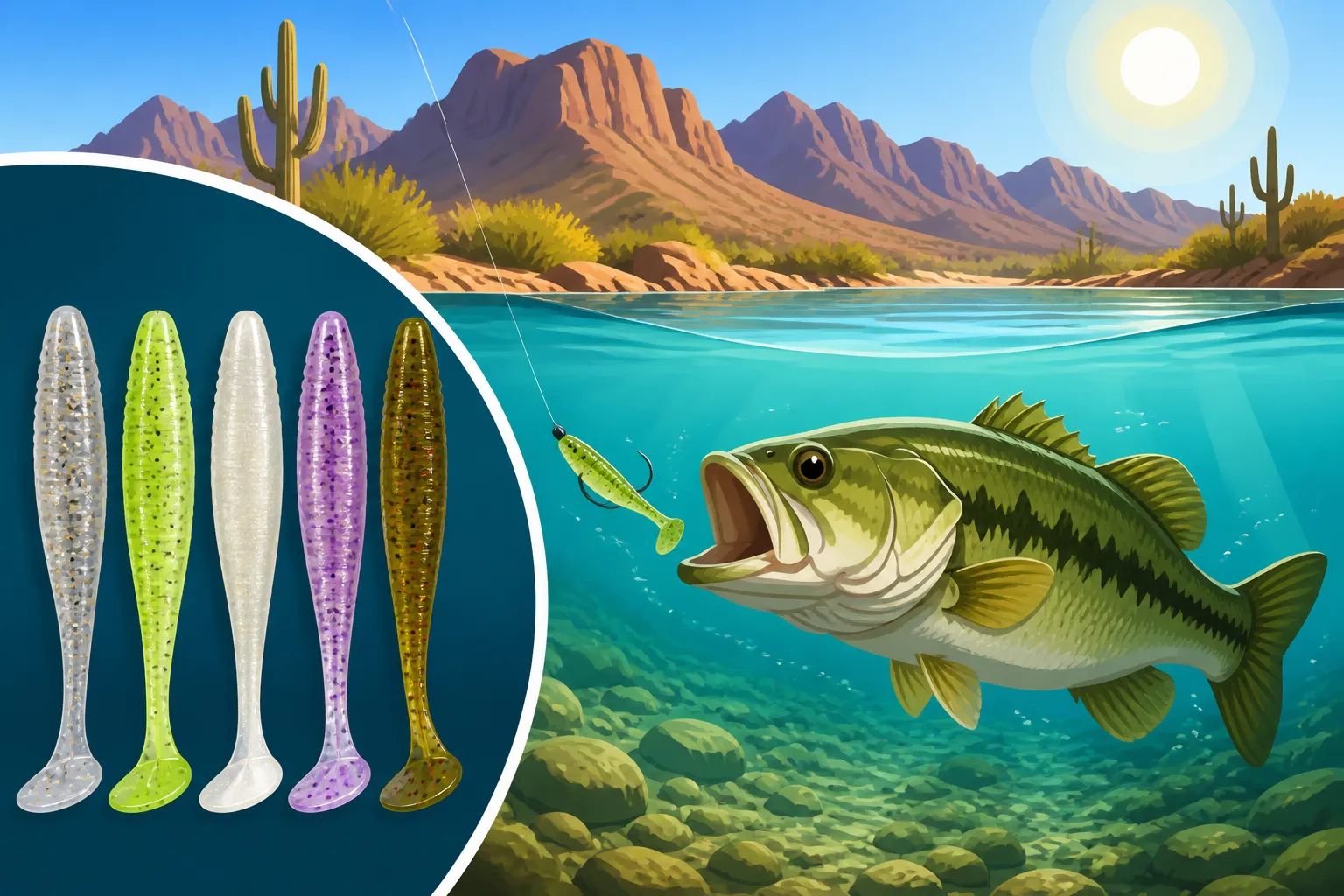
- Silver Flake: A common additive to many clear or translucent soft plastics (like a clear plastic with silver flakes, or a green pumpkin with silver flake), this offers just a hint of flash. It's meant to imitate the fleeting glint of a passing shad or minnow. This works particularly well on sunny days when the light can catch those flakes and create a natural sparkle.
- Gold and Copper Flake: These warmer tones are fantastic when you want to mimic forage that might have a slightly bronzed or coppery sheen, like certain types of sunfish or even some crawfish species. They offer a more subdued shimmer than silver, making them perfect for those slightly overcast clear water days or when fishing deeper where less light penetrates. Many manufacturers, including options readily available on Amazon, integrate these micro-flakes into their plastics.
- Pearl or White with Micro-Sparkle: For pure baitfish imitations in clear water, a pearl white or translucent white with very fine silver or holographic flakes can be deadly. When light hits it, it creates a subtle, almost ethereal glow, much like a wounded or disoriented baitfish struggling in the water column.
Occasionally Bright and Contrasting Colors (When and Where to Use Them)
"Wait," you might be thinking, "I thought we were going subtle!" And you'd be right, mostly. But there are specific times and situations in clear water where a bright or contrasting color can be incredibly effective. These are often used as "reaction baits" to trigger an aggressive strike rather than a curious investigation.
- Chartreuse or Hot Pink (as accents): You wouldn't typically throw an entire hot pink worm in clear water, but a chartreuse tail on a green pumpkin jig, or a hot pink soft plastic jig trailer, can be a game-changer. These bright accents provide a small "pop" of color that can grab a fish's attention from a distance, especially if they're aggressive or competing with other fish. This is often effective in high-pressure situations or when trying to locate active fish quickly.
- Red or Orange (for crawfish imitation): While natural browns and greens are great for crawfish, a bright red or orange can imitate an injured or molting crawfish. Crawfish turn red when molting, making them vulnerable and highly visible to predators. In clear water, this color can stand out just enough to trigger a strike from a bass looking for an easy meal. This is particularly effective in rocky areas where crawfish hide.
- Blue and Black (for contrast): Sometimes, especially on very bright, sunny days, a darker, more silhouetted bait can be effective. A black or dark blue soft plastic worm or jig can create a strong silhouette against the bright sky when viewed from below, making it an easy target for an opportunistic bass. This isn't about natural mimicry but about creating a distinct profile that fish can't ignore, often working well in deep, clear lakes. For more about targeting specific species, check out our Best Bass Fishing Techniques for Arizona Lakes guide.
| Water Clarity | Primary Soft Plastic Colors | Best Forage Mimicked | Typical Retrieve Speed | Examples of Soft Plastic Types |
|---|---|---|---|---|
| Clear | Green Pumpkin, Watermelon, | Shad, Crawfish, Sunfish, Minnows | Slow to Medium | Worms, Lizards, Craws, Senkos, Grubs |
| Brown, Translucent White/Silver | ||||
| Slightly Stained | Junebug, Black/Blue, Candy Bug | Crawfish, Panfish, Larger Baitfish | Medium | Jigs, Creature Baits, Larger Worms |
| Murky/Muddy | Black/Blue, Chartreuse, White | Anything that stands out | Fast to Medium | Spinnerbait Trailers, Paddle Tails |
| (emphasis on vibration/profile) |
Matching the Hatch and Local Forage
The concept of "matching the hatch" isn't just for fly anglers; it's a golden rule for all fishing, especially with soft plastics in clear water. Fish in clear environments are expert observers, and presenting something that closely resembles their natural food source is your strongest play.
Mimicking Shad and Baitfish (Silver, White, Pearl)
Many of Arizona's lakes, from Roosevelt Lake to Lake Havasu, are teeming with various shad species like Threadfin Shad and Gizzard Shad, which are primary forage for bass, stripers, and crappie. These baitfish are typically silver, white, or a translucent pearl color.
- Subtle Shimmer: When you're trying to imitate shad, look for soft plastics that are predominantly white, pearl, or clear with a heavy dose of silver or iridescent flakes. Flukes, swimbaits, and small jerkbaits made of soft plastic are excellent choices for this.
- Size and Profile: Beyond color, pay attention to the size and profile. A 3-4 inch slender swimbait in a pearl or silver flake finish can be incredibly effective when bass are actively feeding on shad. The key is to make it look as natural as possible, even down to the subtle wobbling action on the retrieve. Consider exploring Best Baits and Lures for Arizona Fishing for more ideas on baitfish imitations.
Imitating Crawfish and Bottom Dwellers (Red, Orange, Pumpkinseed)
Crawfish are a dietary staple for many predatory fish in Arizona, particularly largemouth and smallmouth bass. They inhabit rocky bottoms, submerged timber, and brush piles, making them accessible targets.
- Earthy Tones: For a healthy crawfish, green pumpkin, brown, and natural mottled patterns like "watermelon red" (green with red flakes) are excellent. These colors blend with the natural rocky and earthy environments where crawfish live. Creature baits, craw imitations, and jigs with soft plastic trailers excel here.
- Molting Crawfish: As mentioned earlier, crawfish turn vibrant red or orange when they molt, making them soft and vulnerable. This is when colors like "chartreuse pumpkin," "red bug," or even pure red soft plastics can trigger aggressive strikes. Fish these around rocky points, ledges, and submerged timber, especially in lakes like Alamo Lake or Canyon Lake where crawfish thrive. For specific techniques, our Jig Fishing Techniques for Bass article might offer more insights.
Adapting to Panfish and Other Prey (Bluegill, Chartreuse)
While shad and crawfish are common, fish also prey on smaller panfish like bluegill and sunfish, as well as various insects and amphibians.
- Bluegill Patterns: Many soft plastic creature baits and even some larger swimbaits come in "bluegill" patterns, featuring mottled greens, blues, and oranges. These can be highly effective, especially around shallow cover where bluegill congregate. Bass are opportunistic predators and won't pass up an easy meal.
- Subtle Greens and Yellows: For mimicking smaller insects or even frogs (especially in lily pad or heavy vegetation areas), subtle greens, olive tones, and even pale yellows can work. Think about small finesse worms or creature baits for these situations. The key is to match the general color profile and movement of what the fish are naturally feeding on in that specific area.
Tips for Success with Soft Plastics in Clear Arizona Waters
Choosing the right color is a huge step, but it's only part of the equation when fishing clear water. Presentation, line choice, and a willingness to adapt are equally vital.
Presentation and Retrieve Speed (Subtlety is Key)
In clear water, fish have a lot of time to inspect your bait, and any unnatural movement can send them fleeing.
- Slow and Deliberate: Generally, a slower retrieve works best. This gives the fish ample time to examine the lure and decide to strike. For soft plastic worms, let them sink naturally, then use subtle twitches of your rod tip rather than aggressive jerks.
- Finesse Tactics: Techniques like drop-shotting, Ned rigging, and weightless wacky rigging truly shine in clear water. These methods offer incredibly natural presentations, making your soft plastic appear like an easy, unassuming meal. You're trying to trick sophisticated fish, so subtlety is your best friend. For a deeper dive, check out Drop Shot Techniques for Smallmouth Bass.
- Mimic Natural Movement: Whether it's a fluttering worm imitating a dying baitfish or a hopping craw imitating a real one, focus on making your soft plastic move as naturally as possible. Avoid jerky, erratic movements unless you're specifically trying to elicit a reaction strike with a bright accent color.
Line Choice and Leader Materials (Fluorocarbon for Invisibility)
Your fishing line can make or break your success in clear water.
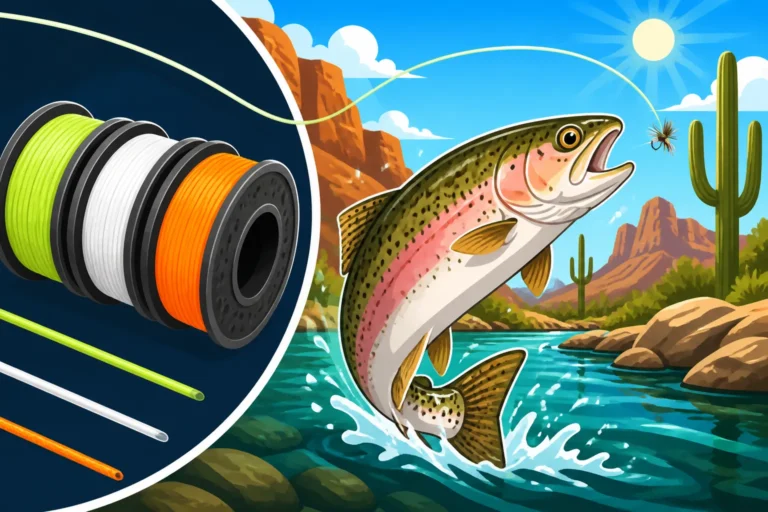
- Fluorocarbon Leader: This is non-negotiable for clear water. Fluorocarbon has a refractive index very close to that of water, making it virtually invisible underwater. Tie a fluorocarbon leader (typically 6-10 feet) to your braided mainline. The braid gives you sensitivity and strength, while the fluoro leader provides the stealth.
- Lighter Line Test: Opt for the lightest line test you can get away with for the species you're targeting. Lighter line is less visible and allows for a more natural presentation of your soft plastic. For bass, this might mean 6-10 lb test fluorocarbon leaders, whereas for crappie, you might go even lighter.
- Avoid Brightly Colored Line: If you're using monofilament or fluorocarbon as your mainline, choose clear or low-visibility green or brown colors. Anything bright will be easily spotted by wary fish. Many anglers rely on specific brands of fluorocarbon that are known for their low visibility and strength, often found at reputable tackle shops or online retailers.
Experimentation and Local Knowledge (Don't be Afraid to Change)
Even with the best advice, fishing remains an art that requires adaptability.
- Start with Naturals, Then Adjust: Always start with proven natural colors like green pumpkin or watermelon. If those aren't producing, don't be afraid to experiment. Try a variation with a different flake color, or perhaps introduce a subtle bright accent like chartreuse.
- Observe and Learn: Pay attention to the conditions. Is it sunny or overcast? What's the water temperature? Are you seeing any baitfish jumping or crawfish scurrying? These observations provide clues as to what the fish might be feeding on and what colors might be most effective.
- Talk to Local Anglers and Tackle Shops: This is invaluable. Local tackle shops (like a Bass Pro Shops in Mesa or Glendale, or even smaller local outfits) are treasure troves of information. The folks working there fish the local waters and know what's biting and on what colors. They can tell you about specific patterns or forage unique to that particular lake or river. Don't be shy; ask them what colors are hot! Often, online retailers like Amazon also have reviews mentioning effective colors for certain regions, which can be helpful supplementary information. Learning Seasonal Movement Patterns of Arizona Bass can also guide your color choices throughout the year.
Fishing clear water in Arizona with soft plastics can be incredibly rewarding once you crack the code. By understanding the environment, carefully selecting natural and subtle colors, and refining your presentation, you'll greatly increase your chances of fooling those finicky fish.
Disclaimer
This article is for general informational purposes only and does not constitute professional advice. Laws, prices and regulations vary by location and change over time. Consult a qualified professional for guidance on your specific situation.