Best Hook Size for Live Minnows
Trying to figure out the perfect hook size for live minnows can feel like a real puzzle, can't it? You stand there at the tackle shop, staring at rows of tiny, shiny hooks, wondering if a #4 is too big or a #8 is too small, and if it even matters. It absolutely does! Using the wrong hook can lead to lost bait, missed bites, or even worse, gut-hooked fish that you can't release successfully. This guide will walk you through the nuances of selecting the best hook size for live minnows, helping you match your setup to your target species and fishing conditions here in Arizona.
The Art and Science of Hook Sizing for Live Minnows
Choosing the right hook for a live minnow isn't just about what "looks right." It's a delicate balance of biology, presentation, and practicality. You want a hook that's small enough not to impede the minnow's natural swimming action, but strong enough and large enough to get a solid hookset in your target fish's mouth. It's a fundamental part of the Essential Tackle Box Setup for Arizona Beginners.
Understanding the Hook Sizing System
One of the first frustrations new anglers face is the seemingly backward hook sizing system. The general rule is: the larger the number, the smaller the hook. So, a size #12 hook is much smaller than a size #1 hook. Once you get to sizes like 1/0, 2/0, 3/0, and so on, the system reverses again: 1/0 is smaller than 2/0, which is smaller than 3/0, and these "aught" sizes are generally much larger than the numbered hooks.
- Numbered Hooks (#14 to #1): These are your smaller hooks, typically used for panfish, trout, and smaller game fish. A #12 might be perfect for a tiny minnow targeting crappie, while a #1 could be good for a larger minnow targeting bass.
- "Aught" Hooks (1/0, 2/0, 3/0, etc.): These are your larger hooks, moving up in size as the number increases. You'll use these for bigger minnows and larger game fish like bigger bass, catfish, or striped bass. A 2/0 might be ideal for a beefy shiner meant for a trophy largemouth, whereas a 6/0 could be necessary for a substantial live bait targeting a monster flathead catfish.
This system can be a head-scratcher, but once you get the hang of it, it makes more sense. The key is knowing what size minnow you'll be using and what species you're after, as their mouth sizes vary drastically.
Why Hook Size Matters with Live Bait
Live minnows are all about their action. They swim, they dart, they try to hide – and that's what triggers a predatory strike. If your hook is too big or too heavy, it can kill the minnow quickly, weigh it down, or severely restrict its movement, turning it into a lifeless lump. On the other hand, a hook that's too small might not have enough gap to properly penetrate the fish's mouth, leading to pulled hooks or only skin-deep hooksets that don't hold.
Consider the following:
- Minnow Survival and Action: A tiny hook gently threaded through the minnow's lip or back allows it to swim freely and naturally. This translates to more enticing action and a longer lifespan for your bait. A heavy hook will tire it out or drown it.
- Hookset Success: The hook needs to clear the minnow's body and firmly grab hold of the fish's jaw. If the minnow is too big for the hook, its body might block the hook point from penetrating correctly. If the hook is too small, even if it penetrates, there might not be enough material to hold against a strong fight.
- Avoiding Gut-Hooking: Especially if you're practicing catch and release, using a hook that's too small can allow the fish to swallow the bait and hook too deeply before you feel the bite. A slightly larger hook, appropriately matched to the minnow, often sets in the lip or corner of the mouth, making for easier and safer release. This is crucial for maintaining healthy fish populations in our Arizona waters.
Matching Hook Size to Arizona's Target Species
Arizona offers a diverse range of fishing opportunities, and what works for crappie in a small lake definitely won't work for a monster flathead in the Colorado River. Let's break down the ideal hook sizes for live minnows when targeting our most popular game fish. This often ties into the general Best Baits and Lures for Arizona Fishing considerations.
Largemouth and Smallmouth Bass
Bass are opportunistic predators, and live minnows can be incredibly effective. The type and size of minnow you use will often dictate your hook choice, but generally, you'll be looking at hooks ranging from #2 to 3/0.
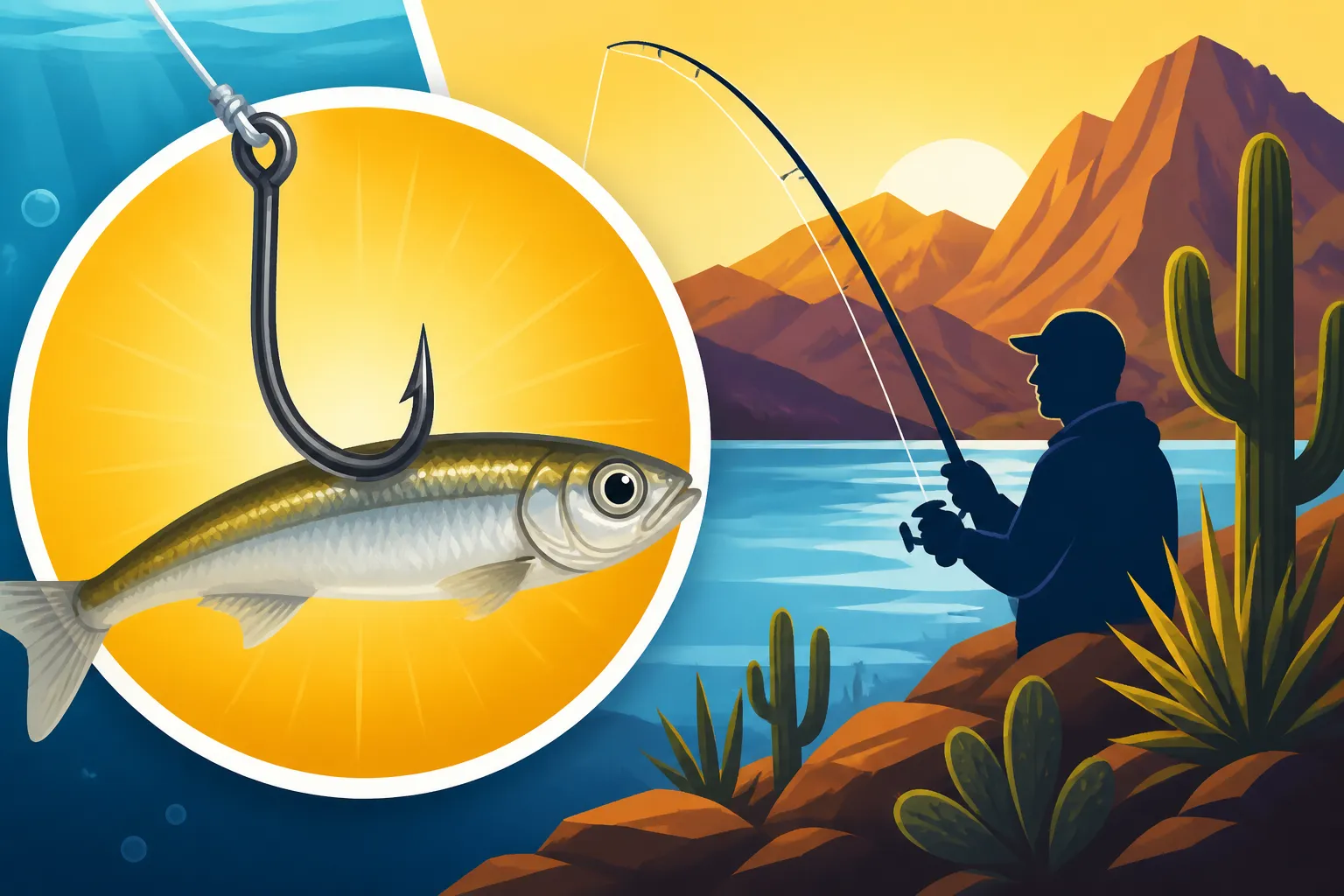
- Smaller Minnows (1-3 inches): If you're using small shiners or fathead minnows, perhaps for finicky bass or in colder water, a size #2 or #1 hook is usually perfect. This allows the minnow to swim naturally without being weighed down. I often rig these just through the upper lip for maximum movement. This setup is fantastic for targeting Largemouth Bass Fishing Guide for Arizona in various lakes.
- Medium Minnows (3-5 inches): This is the sweet spot for many bass anglers. For minnows in this range, moving up to a 1/0 or 2/0 hook gives you more hooking power. You can lip-hook these or, for more aggressive presentations, gently hook them behind the dorsal fin to make them dive when retrieved. This works well in places like Lake Pleasant or Roosevelt Lake.
- Larger Minnows (5+ inches): If you're hunting for a true trophy bass, larger minnows or small bluegill (where legal) can be the ticket. For these, a 3/0 or even 4/0 hook might be necessary. With larger baits, ensure your rod and line are matched to handle both the bait and the potential catch. For Smallmouth Bass Fishing Guide for Arizona in clear canyon lakes like Lake Powell, lighter line and a smaller hook can be key for stealth.
Remember, bass have fairly large, strong mouths, so a robust hook is important. You don't want a flimsy hook bending out when you finally hook that lunker.
Crappie
Crappie are masters of the light bite and have delicate mouths, requiring a more finesse approach with live minnows. They're often caught on tiny minnows, which means small hooks.
- Tiny Minnows (1-2 inches): For crappie, tiny hooks are the name of the game. Sizes #8, #6, or even #4 are generally appropriate. You'll typically be using fathead minnows or similar small bait. Hook them gently through the upper lip, allowing them to swim naturally. This is especially effective when crappie are schooling up or during their spawning season. Learning about Crappie Spawning Season Tactics can further improve your success.
- Presentation: Because crappie bites can be incredibly subtle, a light wire hook is often preferred. This allows for better penetration with minimal pressure and doesn't weigh the small minnow down. However, don't go too flimsy, or a larger crappie or accidental bass might straighten it. Look for quality, sharp hooks from reputable brands that you can find at Bass Pro Shops or on Amazon.
When fishing for crappie, especially in brush piles or around submerged timber, you might need to adjust your approach to minimize snags while still presenting your minnow effectively.
Catfish (Channel, Flathead, Blue)
Catfish are less about finesse and more about getting a substantial meal in front of them. For flatheads, especially, live bait is often the most effective.
- Medium to Large Minnows/Baitfish: For channel catfish, you can use medium-sized minnows (3-6 inches) on hooks ranging from 1/0 to 3/0. They'll also readily take cut bait, but for live bait, these sizes work well.
- Big Baits for Flatheads: Flathead catfish are ambush predators that prefer live prey. For these giants, you'll need substantial bait, like larger sunfish, carp, or even small stocked trout (check regulations carefully regarding baitfish legality). This means hooks from 5/0 up to 8/0 or even larger. You want a heavy-duty, strong hook that won't bend under the immense power of a large flathead. Often, these hooks are circle hooks, which help with gut-hook prevention, especially when the fish takes the bait and runs.
- Hook Placement: For larger live baits, you might hook them behind the dorsal fin to keep them off the bottom or through the tail to maximize their struggling action. Bottom fishing techniques are paramount for catfish. You can find robust options for Best Hooks for Live Bait Fishing that can withstand a catfish fight.
When fishing for catfish, particularly flatheads, make sure your entire setup—rod, reel, and line—is geared for a powerful fight. The Colorado River, for example, is famous for its monster flatheads.
Trout
While trout are often caught on artificial lures or powerbait, live minnows can be incredibly effective, especially for larger trout.
- Small to Medium Minnows (1-3 inches): For rainbow trout or brown trout, especially in lakes or larger streams where minnows are naturally present, hooks from #8 to #4 are usually sufficient. Again, light wire hooks are often preferred for presentation.
- Trout Hooking: Trout have relatively delicate mouths compared to bass or catfish, so a sharp, thin-wire hook is essential for a clean hookset. Lip-hooking minnows is standard practice.
- Regulations: Always check local regulations before using live minnows for trout. Some waters have restrictions on live bait or specific baitfish species to prevent the spread of disease or invasive species. Understanding Trout Stocking Season in Arizona can also help you predict when trout might be most active and receptive to minnows.
Here's a quick reference table for common species and recommended hook sizes:
| Species | Minnow Size (inches) | Recommended Hook Size (Approx.) | Hook Type Suggestion | Rigging Notes |
|---|---|---|---|---|
| Crappie | 1-2 | #8 to #4 | Aberdeen, Kahle | Lip hook; light wire for finesse |
| Largemouth Bass | 1-3 | #2 to #1 | Octopus, Worm Hook | Lip hook for active minnow |
| 3-5 | 1/0 to 2/0 | Octopus, Circle, Worm | Lip or light dorsal hook | |
| 5+ | 3/0 to 4/0 | Octopus, Circle, Heavy WF | Dorsal or tail hook for larger bait | |
| Smallmouth Bass | 1-4 | #2 to 2/0 | Octopus, Drop Shot | Finer wire, lip hook for clearer water |
| Channel Catfish | 3-6 | 1/0 to 3/0 | Circle, Octopus | Lip or dorsal hook, often fished on bottom |
| Flathead Catfish | 6+ | 5/0 to 8/0+ | Circle (heavy wire) | Dorsal or tail hook for large live bait |
| Rainbow Trout | 1-3 | #8 to #4 | Baitholder, Octopus | Lip hook; very sharp, delicate mouth |
| Striped Bass | 4-8 | 3/0 to 6/0 | Circle, Octopus (heavy) | Dorsal or tail hook; for bigger baitfish like shad |
Factors Beyond Species: Minnow Size, Presentation, and Water Conditions
It's not just about the type of fish you're after. Several other variables play a significant role in determining the optimal hook size for your live minnows. Ignoring these can lead to frustration and a lack of bites.
The Actual Size of Your Minnow
This might seem obvious, but it's often overlooked. Minnows, even of the same species, come in a range of sizes. A "small shiner" from one bait shop might be significantly different from another. Always match your hook to the individual minnow you're using.
- Minnow-to-Hook Proportion: The hook's point and barb should extend beyond the minnow's body. If the minnow is so large that it completely engulfs the hook, you'll have trouble getting a proper hookset. Conversely, a tiny minnow on a huge hook will die quickly or swim so unnaturally that no fish will touch it. Aim for a hook that looks proportionate to the minnow's head or back, depending on where you're hooking it.
Your Chosen Presentation Method
How you intend to present your live minnow dramatically impacts the best hook choice. Are you still fishing under a bobber, slow-trolling, or casting and retrieving?
- Bobber Fishing (Still or Drifting): For suspending a minnow under a bobber, you want the lightest possible hook that still ensures a good hookset. This allows the minnow to swim as freely as possible, attracting attention. Hooking through the lip is common here.
- Bottom Fishing: When fishing on the bottom, especially for catfish, a sturdier hook (often a circle hook) is preferred. You might hook the minnow through the back or tail to keep it lively and struggling off the bottom, or if you're using a heavier sinker, through the lip.
- Trolling or Casting/Retrieving: If you're moving your minnow, hooking it through the back, just behind the dorsal fin, can be very effective. This makes the minnow dive and dart, mimicking an injured baitfish. For this method, ensure the hook isn't too heavy, as it will impede the natural action you're trying to achieve.
Each presentation has its advantages and disadvantages, and experimenting with hook placement can make a big difference.
Water Clarity and Conditions
The environment you're fishing in also plays a role in your hook choice.
- Clear Water: In Arizona's often crystal-clear desert lakes, fish can be very wary. A large, obvious hook can deter bites. Opt for lighter wire hooks and smaller sizes whenever possible to maintain a more natural presentation. Stealth is key.
- Murky Water: In turbid or muddy water, fish rely more on scent and vibration. A slightly larger, heavier hook might not be as much of a deterrent, as visibility is low. Here, you might prioritize a stronger hook for bigger fish without worrying as much about the visual impact.
- Current: If you're fishing in moving water, like parts of the Salt River or Colorado River, a slightly heavier hook might help keep your minnow in the strike zone, though it will reduce its natural movement. Balance this with the need for action.
Types of Hooks Best Suited for Live Minnows
Beyond size, the type of hook also matters. Each design has advantages for live bait. When browsing the aisles at Bass Pro Shops or searching for tackle on Amazon, you'll see a bewildering array of options.
Octopus Hooks
These are arguably the most popular and versatile hooks for live bait. They feature a short shank, a wide gap, and a slightly turned-up eye.
- Advantages: Their wide gap allows for good hooksets even with larger minnows, and the short shank helps them remain subtle. The offset point can improve hookup ratios. They are ideal for lip-hooking minnows as the design allows the minnow to swim naturally.
- Best For: Most species when using live minnows, from crappie (smaller sizes) to bass and even smaller catfish. They provide a good balance of strength and finesse.
Circle Hooks
Gaining immense popularity, especially for conservation-minded anglers and those targeting larger fish, circle hooks are designed to hook fish in the corner of the mouth, making release easier.
- Advantages: Virtually eliminates gut-hooking, which is fantastic for catch and release. They often set themselves as the fish swims away, requiring less of a dramatic hookset from the angler. They are incredibly effective for species like catfish and striped bass that tend to swallow bait.
- Best For: Larger game fish like catfish, striped bass, and larger bass, especially when using larger live minnows or whole baitfish. They're excellent for anglers who prefer to let the fish "eat" the bait for a moment before reeling. Catch and Release Rules for Arizona Anglers often recommend circle hooks.
Aberdeen Hooks
Known for their fine wire and round bend, Aberdeen hooks are excellent for light tackle and delicate presentations.
- Advantages: The fine wire allows for minimal damage to the minnow, keeping it livelier. It also penetrates easily into the delicate mouths of fish like crappie or trout. If snagged, the fine wire can often be bent open to retrieve your rig, then bent back (though this weakens the hook).
- Best For: Crappie, panfish, and trout, especially when using very small minnows and light line. Not recommended for larger, stronger fish that could easily straighten the hook.
Baitholder Hooks
These hooks feature one or two small barbs on the shank, designed to hold natural bait (like worms or cut bait) in place. While not specifically designed for live minnows, they can be used.
- Advantages: The barbs can help keep a minnow from sliding down the shank during aggressive casting or retrieving, especially if hooked through the back.
- Best For: When you need a little extra security for your minnow. However, the barbs can cause more trauma to a live minnow, potentially shortening its life. Generally, an octopus hook is preferred for live minnows.
Practical Tips for Rigging and Fishing Live Minnows with the Right Hook
Getting the hook size right is one thing; using it effectively is another. Here are some actionable tips to maximize your success with live minnows in Arizona.
Proper Hooking Techniques
Where you place the hook on the minnow is just as important as the hook's size and type. The goal is to maximize the minnow's natural action and lifespan.
- Through the Lips: This is perhaps the most common and versatile method. Gently thread the hook through both upper and lower lips, ensuring it doesn't impede the minnow's mouth from opening. This allows the minnow to swim freely and naturally. It's excellent for suspended presentations or when drifting. How to Rig a Live Minnow for Bass often utilizes this method.
- Behind the Dorsal Fin: Hooking the minnow just under the dorsal fin, being careful not to hit the spine, causes the minnow to swim downwards when retrieved or pulled. This can be great for covering water, trolling, or mimicking an injured baitfish trying to escape. However, it can tire the minnow out faster.
- Through the Tail: Less common, but sometimes effective. Hooking through the hard part of the minnow's tail causes it to swim in frantic circles, creating a lot of commotion. This can be good for drawing strikes from aggressive predators, especially for catfish or striped bass.
Experimentation is key! Different fish on different days might react better to different presentations.
Line and Leader Considerations
Even with the perfect hook, your overall setup needs to be balanced.
- Light Line for Finesse: For crappie or wary trout in clear water, pair your small hooks with light monofilament or fluorocarbon line (4-8 lb test). This ensures maximum sensitivity and a natural presentation.
- Stronger Line for Power: When targeting bass or catfish with larger minnows and hooks, beef up your line to 10-20 lb test (or even heavier for flatheads) to handle the fight. A fluorocarbon leader can be a good choice for abrasion resistance and invisibility.
- Leader Material: Consider a fluorocarbon leader in clear water for added stealth, as it's nearly invisible underwater. For toothy fish, a wire leader might be necessary, but this is less common with minnow fishing for our typical Arizona species.
Managing Your Minnows
Keeping your live minnows healthy and active directly impacts your success.
- Aeration and Water Temperature: Use a good aerator in your bait bucket to keep oxygen levels high. In Arizona's heat, keeping the water cool is crucial. Add ice (slowly, to avoid shocking the minnows) to your bait water to prolong their life. Dead or sluggish minnows rarely catch fish.
- Hooking Gently: Practice hooking your minnows quickly and gently to minimize stress and injury. The less trauma, the longer they'll stay lively on your hook.
- Replacing Spent Minnows: If your minnow isn't swimming actively, or it's been on the hook for a while without a bite, replace it. A fresh, lively minnow is almost always more effective.
The world of live minnow fishing is incredibly rewarding, offering a dynamic approach to catching fish. By understanding the nuances of hook sizing and applying these practical tips, you'll be well on your way to more successful and enjoyable fishing trips across Arizona. Whether you're chasing crappie at Bartlett Lake or hunting for bass at Lake Pleasant, the right hook can make all the difference.
Disclaimer
This article is for general informational purposes only and does not constitute professional advice. Laws, prices and regulations vary by location and change over time. Consult a qualified professional for guidance on your specific situation.