Best Kayak Length for Lake Fishing
Choosing a fishing kayak can feel like a daunting task, especially with so many options out there. Many anglers find themselves staring at rows of kayaks, wondering if a shorter, nimble boat is best for those tight coves or if a longer, faster one will serve them better on wide-open waters. The truth is, the length of your kayak significantly impacts your fishing experience on Arizona’s diverse lakes, affecting everything from stability to speed, and getting it wrong can lead to frustration on the water. This guide will help you understand how kayak length influences your fishing adventures and how to select the perfect vessel for your preferred Arizona angling style.
Why Kayak Length Isn't Just a Number: Impact on Your Arizona Fishing Experience
When you're out on the water, whether it's the calm glassy surface of an urban pond at sunrise or the choppy, wind-swept expanse of Lake Pleasant in the afternoon, your kayak's length plays a starring role in how you move, fish, and even how comfortable you are. It's not just about fitting it on your car; it's about the physics of the boat and how it interacts with the water and your fishing style.
Stability and Maneuverability on Arizona Lakes
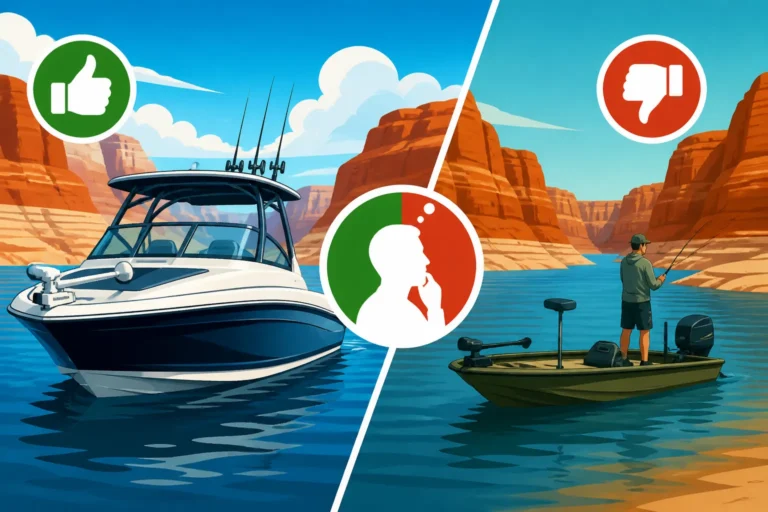
Think about the difference between a nimble little sports car and a long, stable pickup truck. Shorter kayaks, generally under 12 feet, are the sports cars of the fishing world. They spin on a dime, making them incredibly easy to maneuver in tight spaces like the back of a shallow cove on Saguaro Lake or when you're weaving through submerged timber on Roosevelt Lake. This quick responsiveness is fantastic for targeting specific structures or fishing smaller, more intimate waters. However, that agility often comes at the cost of stability. While modern shorter fishing kayaks are designed to be quite stable, they generally won't offer the same rock-solid platform for standing and casting that a longer, wider boat might. On a windy day on a large lake, a shorter kayak can feel a bit more like a cork, requiring more effort to stay on course.
Longer kayaks, typically 13 feet and up, are the stable workhorses. They track straighter with less effort, which is a huge advantage when you're trying to cover long distances or fish vast open areas like the main channel of Lake Powell. Their length provides more surface area in contact with the water, increasing their inherent stability. This extra stability is a game-changer if you prefer to stand and sight fish for bass in clear water or if you're fighting a big striped bass that wants to pull you around. However, that length makes them less agile. Trying to turn a 14-foot kayak in a tight spot can feel like trying to parallel park a limousine. If your fishing style involves a lot of precise positioning around cover, a longer boat might test your patience.
Speed and Tracking for Covering Water
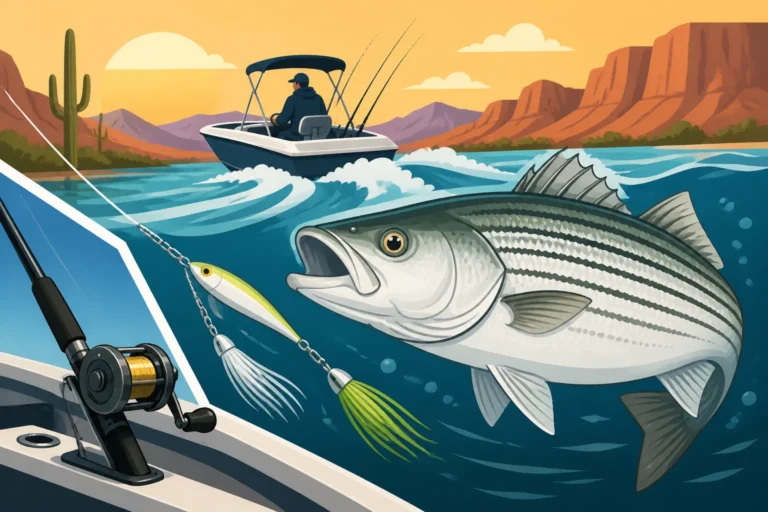
Arizona's larger reservoirs, like Lake Havasu or Alamo Lake, demand kayaks that can cover significant distances efficiently. Here, kayak length directly correlates with speed and tracking. Longer kayaks generally have a narrower beam relative to their length, allowing them to glide through the water with less resistance. This means you can paddle faster with less effort, making those long treks to your favorite fishing spot much more manageable. They also track exceptionally well, meaning they hold a straight line without constant corrective strokes. This is invaluable when you're trolling for stripers in open water or paddling against a steady breeze. Imagine trying to paddle a short, wide kayak for miles across a sprawling lake; you'd be exhausted and frustrated.
Conversely, shorter kayaks tend to be slower and require more effort to maintain a straight line. Their shorter waterline creates more drag, and they are more prone to weathercocking – turning into the wind – which can be exhausting on a long paddle. For anglers who focus on fishing one area thoroughly or who primarily stick to smaller bodies of water, this isn't a major issue. But if your fishing strategy involves chasing boils across Lake Pleasant or exploring distant canyons on Lake Powell, the lack of speed and tracking in a shorter kayak will become a noticeable hindrance. It really boils down to how much ground you plan to cover and how quickly you want to get there.
Decoding Kayak Length Categories: Short, Medium, and Long for Arizona Waters
Understanding the general categories of kayak length can help you narrow down your choices considerably. Each category offers a distinct set of advantages and disadvantages that become more pronounced depending on the type of fishing you do and where in Arizona you plan to do it.
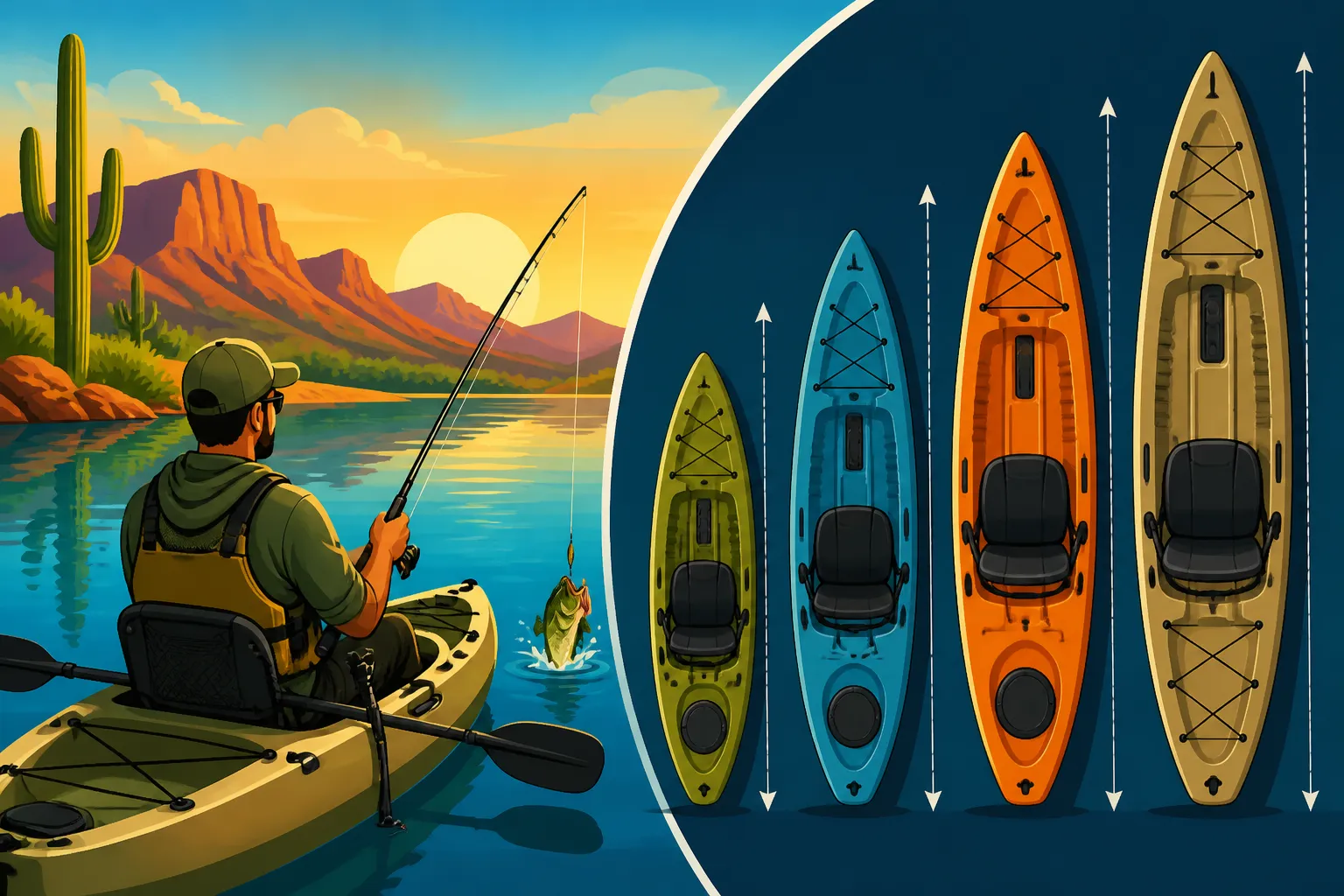
Shorter Kayaks (Under 12 Feet)
These compact kayaks are often the go-to for beginners or those who prioritize easy transport and maximum maneuverability. They're fantastic for small, calm bodies of water like many of Arizona's community fishing lakes or smaller ponds and slow-moving stretches of rivers.
- Pros:
- Excellent Maneuverability: Perfect for navigating tight spaces, dense vegetation, or intricate shorelines where precision casting is key. Think fishing for bass in the reeds of a community pond or targeting panfish under overhanging trees.
- Easy to Transport and Store: Much lighter and shorter, they fit in more vehicles, are easier to load solo, and require less storage space at home. This is a big plus if you have limited garage space or are frequently moving your kayak between different fishing spots.
- Good for Calm Waters: On a still morning, these kayaks provide a perfectly stable platform for a relaxing day of fishing. They are less affected by light breezes or boat wakes on smaller lakes.
- Cons:
- Slower Speed and Poor Tracking: Covering long distances can be a real chore. You'll spend more energy paddling and constantly correcting your course, especially in wind.
- Less Storage Capacity: Limited space for gear, coolers, and multi-day trip essentials. If you're someone who likes to bring a lot of tackle, a bigger cooler, or camping gear, you'll quickly run out of room.
- Reduced Stability (Generally): While some shorter fishing kayaks are incredibly stable, their overall footprint on the water means they can feel tippier than longer counterparts, particularly in choppier conditions or when attempting to stand.
- Best Use Cases in Arizona: Ideal for urban fishing at places like Tempe Town Lake, exploring the quiet coves of Canyon Lake, or fishing smaller, riverine sections of the Salt River. They are perfect for targeting smaller species or just enjoying a casual day on the water.
Medium-Length Kayaks (12 to 14 Feet)
This is often the sweet spot for many Arizona anglers, offering a versatile balance between maneuverability and performance. These kayaks are often considered the all-arounders, capable of handling a variety of conditions.
- Pros:
- Balanced Performance: They offer a good compromise of speed, tracking, and maneuverability. You can cover decent distances without excessive effort and still navigate reasonably tight areas.
- Improved Stability and Storage: Generally more stable than shorter kayaks, allowing for more comfortable standing (for many models) and more generous storage for tackle, a larger cooler, and even some camping gear for an overnight trip.
- Adaptable to Various Waters: Capable of handling both smaller lakes and moderate sections of larger reservoirs without feeling overwhelmed. A 13-foot kayak, for example, could be comfortable on Bartlett Lake's open water while still being manageable in its coves.
- Cons:
- Heavier and Larger to Transport: While still manageable for one person, they are noticeably heavier and longer than smaller kayaks, making loading onto roof racks or truck beds a bit more challenging.
- Not as Nimble as Short Kayaks: You'll feel the difference when trying to make sharp turns compared to a 10-footer.
- Not as Fast as Long Kayaks: While good, they won't compete with the pure speed or tracking of dedicated long touring or offshore fishing kayaks.
- Best Use Cases in Arizona: Excellent for exploring mid-sized lakes like Saguaro Lake, Canyon Lake, or parts of Roosevelt Lake where you might paddle a bit but also want to fish varied structure. A great choice for targeting both bass and crappie, or even smaller catfish. Many anglers find great deals on these versatile models at retailers like Bass Pro Shops.
Longer Kayaks (Over 14 Feet)
These are the big guns, built for speed, tracking, and carrying capacity. They are designed for serious anglers who spend extended periods on vast, open waters.
- Pros:
- Maximum Speed and Tracking: If you need to cover miles across Lake Powell or target fast-moving striped bass boils, a longer kayak will get you there efficiently. They slice through the water with minimal resistance and maintain a straight line effortlessly.
- Superior Stability and Capacity: These kayaks often have the highest weight capacities, allowing you to bring abundant gear, large coolers, and even multi-day camping setups. Their length inherently provides a very stable platform, ideal for standing, casting, and fighting larger fish in rougher conditions.
- Handles Rougher Water: The longer hull is better equipped to handle chop and wakes on expansive, windy lakes, providing a smoother, drier ride.
- Cons:
- Challenging Maneuverability: These are not designed for quick turns. Navigating tight coves, small creeks, or densely packed docks can be a struggle.
- Difficult to Transport and Store: Their size and weight make them the most challenging to load, unload, and store. You'll likely need a dedicated kayak trailer, a large truck, or a robust roof rack system.
- Higher Cost: Generally, longer, more specialized fishing kayaks command a higher price point due to their construction and features.
- Best Use Cases in Arizona: Indispensable for serious multi-day trips on Lake Powell, targeting big striped bass or lake trout on the Colorado River, or any time you need to make long paddles across large, open reservoirs such as Lake Pleasant Arizona Fishing Guide or Roosevelt Lake Arizona Fishing Guide. If you're looking for stability to fish for trophy species, this is your category.
Matching Your Kayak's Length to Arizona's Diverse Fishing Grounds
Arizona's fishing landscape is incredibly varied, from high-desert mountain lakes to vast, deep reservoirs and meandering river sections. The "best" kayak length isn't universal; it truly depends on where you plan to spend most of your time wetting a line.
Urban and Community Lakes (e.g., Tempe Town Lake, Phoenix Community Ponds)
These smaller, often calmer waters are perfect for a relaxing fishing session. They're typically stocked with a variety of species like trout, catfish, bass, and sunfish, and fishing is often done from the bank or small boats.
- Ideal Length: Shorter kayaks (10-12 feet) excel here. Their maneuverability is great for working along the shorelines, around docks, or near aeration fountains. You're unlikely to need blazing speed, and their lighter weight makes them easier to launch and retrieve from urban parks.
- Why it Works: You don't have vast distances to cover, and precision casting into tight spots is often more productive. Their easy handling allows for quick adjustments when you spot a fish or want to change locations without much fuss. Plus, transportation and storage are simplified, which is a big deal if you live in the city. For these smaller environments, checking reviews on Amazon for popular compact models can be very helpful.
Mid-Sized Reservoirs and River Lakes (e.g., Saguaro Lake, Canyon Lake, Bartlett Lake)
These lakes offer a mix of open water and numerous coves, submerged structure, and varied shorelines. They can experience moderate wind and boat traffic, requiring a more versatile vessel.
- Ideal Length: Medium-length kayaks (12-14 feet) are often the best fit. They strike a great balance, allowing you to paddle comfortably across open sections to reach distant coves while still offering enough maneuverability to explore those coves effectively.
- Why it Works: A 13-foot kayak, for instance, provides better tracking and speed than a 10-footer when you're crossing a mile-wide section to get to your favorite bass haunt on Saguaro Lake. Yet, it's not so long that it becomes cumbersome when you're trying to fish tight to the cliffs or submerged brush. This length also typically offers better weight capacity for a day's worth of gear and a cooler, which is essential for a full day under the Arizona sun.
Large Reservoirs and Expansive Waters (e.g., Lake Powell, Roosevelt Lake, Lake Havasu)
These are vast bodies of water, often windy, with long stretches of open water, huge canyons, and potential for significant boat wakes. Covering miles and dealing with challenging conditions are common.
- Ideal Length: Longer kayaks (14+ feet) truly shine in these environments. Their superior speed, tracking, and inherent stability are crucial for safely and efficiently navigating these massive lakes.
- Why it Works: Imagine paddling five miles up a canyon on Lake Powell Arizona Fishing Guide or chasing a striper boil across the main lake body on Roosevelt. A shorter kayak would be an exhausting and potentially unsafe endeavor. Longer kayaks handle chop better, allowing you to stay drier and more comfortable. The added storage capacity is also invaluable for packing extra water, food, and emergency gear when you're far from the ramp. For these demanding waters, you'll want to review your Boating Safety Gear Requirements in Arizona as well.
Here's a quick comparison table to help you visualize the trade-offs:
| Kayak Length Category | Typical Length Range | Best Use Cases in Arizona | Key Advantages | Key Disadvantages |
|---|---|---|---|---|
| Short | 8-11.5 feet | Community ponds, small urban lakes, calm river sections | Excellent maneuverability, easy to transport/store | Slower, poor tracking, less stable in chop |
| Medium | 12-14 feet | Mid-sized reservoirs (Saguaro, Canyon, Bartlett), mixed fishing styles | Good balance of speed, tracking, and maneuverability, decent capacity | Heavier than short kayaks, less nimble than short, not as fast as long |
| Long | 14+ feet | Large reservoirs (Powell, Roosevelt, Havasu), open water, long trips | High speed, excellent tracking, superior stability, large capacity | Difficult to maneuver in tight spots, heavy/hard to transport/store |
Beyond the Water: Practicalities of Kayak Length for Arizona Anglers
Choosing a kayak isn't just about how it performs on the water; it's also about how it fits into your life off the water. The practical aspects of transporting, storing, and even launching your kayak are significantly influenced by its length and can make or break your overall enjoyment of the sport.
Transport and Storage Considerations
Let's be real, many of us don't have a dedicated trailer for our fishing kayak, especially when starting out.
- Roof Racks: Shorter kayaks (under 12 feet) are generally easier to lift and secure onto a roof rack, even for a single person. As the length increases, so does the weight and awkwardness. Imagine trying to hoist a 14-foot, 90-pound beast onto the roof of your SUV after a long day of fishing under the Arizona sun—it's not for the faint of heart! Make sure your vehicle's roof rack system is rated for the weight and length of your chosen kayak.
- Truck Beds: If you have a truck, a shorter kayak might fit entirely within the bed with the tailgate down. Medium and longer kayaks will almost certainly extend beyond the tailgate, requiring a red flag or light extension, which is a legal requirement. You'll need to consider how far it extends and if it interferes with your hitch if you're also towing a boat or camper.
- Trailers: For longer, heavier kayaks, a dedicated kayak trailer or a utility trailer with kayak bunks becomes almost a necessity. This makes transport incredibly easy, as you just load and go, but it's an additional investment and another piece of equipment to store.
- Home Storage: A 10-foot kayak can often be hung vertically in a garage or stored horizontally against a wall without taking up too much space. A 14-foot kayak, on the other hand, demands more significant floor or wall space. Before you buy, measure your storage area to ensure your new vessel will fit without causing a major headache. Many outdoor retailers like Bass Pro Shops offer a variety of storage solutions for different kayak sizes.
Ease of Loading and Unloading at Arizona Launches
Arizona lakes have a mix of launch facilities. Some have beautiful, gentle ramps, while others might be rocky, sandy, or have tricky access points, especially if water levels fluctuate.
- Smaller, Simpler Launches: For launching from a sandy beach, a rocky shoreline, or a designated "kayak launch" area (often just a small patch of clear bank), a shorter, lighter kayak is much easier to manage. You can simply drag it to the water's edge and push off.
- Full Boat Ramps: Even at large boat ramps, longer kayaks can be more cumbersome, especially if you're launching solo and don't have a trailer. Maneuvering a long kayak over concrete and down a potentially slick ramp takes more effort and care. The sheer weight and length can be tricky to control, especially if there's any wind.
- Solo vs. Tandem Loading: If you plan to fish alone, the ability to load and unload your kayak by yourself is a critical factor. Shorter, lighter kayaks are generally more solo-friendly. While some seasoned anglers can manage a long, heavy kayak by themselves with clever techniques, it's certainly more physically demanding. Remember to always prioritize your safety and physical well-being. Looking up instructional videos for Kayak Fishing Techniques for Desert Lakes might also give you an idea of the types of boats commonly used.
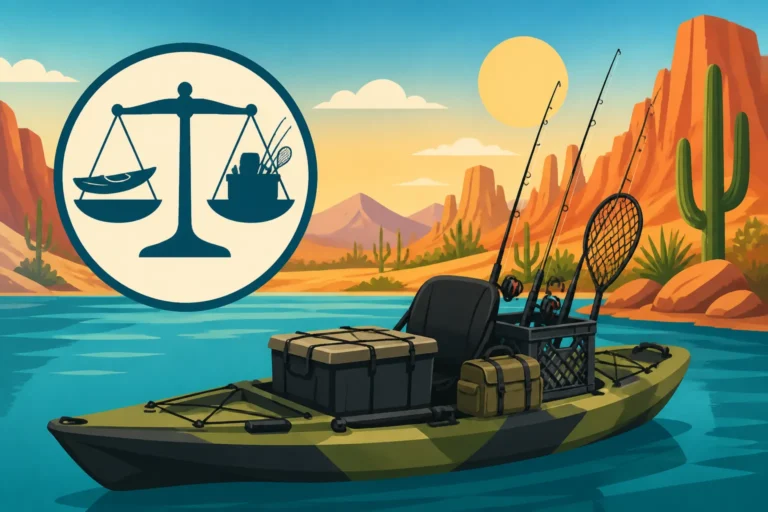
In essence, the "best" kayak length for lake fishing in Arizona is truly the one that best suits your typical fishing location, your personal strength, your transportation setup, and your home storage situation. Don't let the allure of a super-fast, long kayak lead you to buy something that becomes a hassle to transport and limits your fishing days. Conversely, don't sacrifice on-water performance if you truly plan to tackle those massive, windy Arizona reservoirs. A thoughtful assessment of both your angling ambitions and your practical limitations will guide you to the perfect length for your Arizona adventures.
Disclaimer
This article is for general informational purposes only and does not constitute professional advice. Laws, prices and regulations vary by location and change over time. Consult a qualified professional for guidance on your specific situation.