Bartlett Lake Arizona Fishing Guide
The vastness of Arizona's desert lakes can be both incredibly appealing and a little overwhelming when you're planning a fishing trip. You see those stunning photos of towering saguaros reflecting in calm waters, or maybe a friend caught a monster bass, and you just know you want a piece of that action. But where do you even begin at a place like Bartlett Lake, especially if you're not intimately familiar with its contours and quirks? This comprehensive guide is here to cut through that uncertainty, offering you an in-depth look at what makes Bartlett Lake a prime Arizona fishing destination and how you can make your next outing a success.
Why Bartlett Lake is a Premier Arizona Fishing Destination
Nestled in the Tonto National Forest, Bartlett Lake often gets overshadowed by its larger, more famous neighbors like Roosevelt Lake or Lake Pleasant, but that's precisely part of its charm. This reservoir on the Verde River offers a unique blend of accessibility, diverse fish populations, and breathtaking scenery that appeals to anglers of all skill levels. It’s a place where you can escape the city hustle without traveling too far, offering a different vibe than the busy main recreation hubs.
A Natural Retreat in the Sonoran Desert
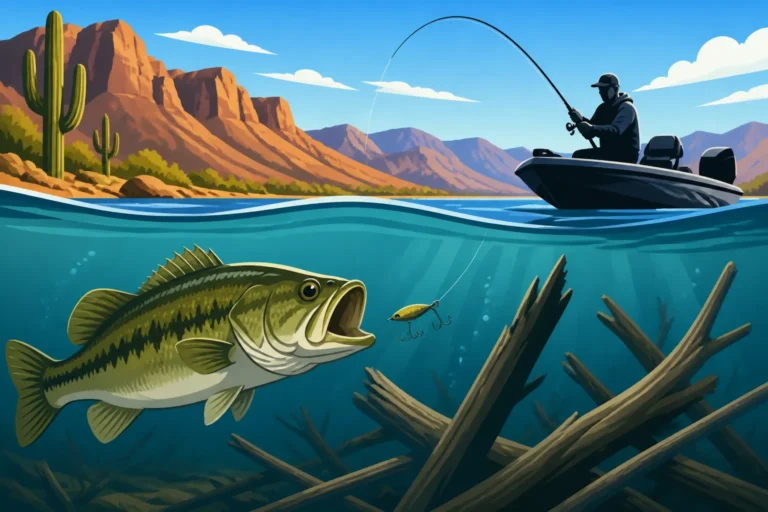
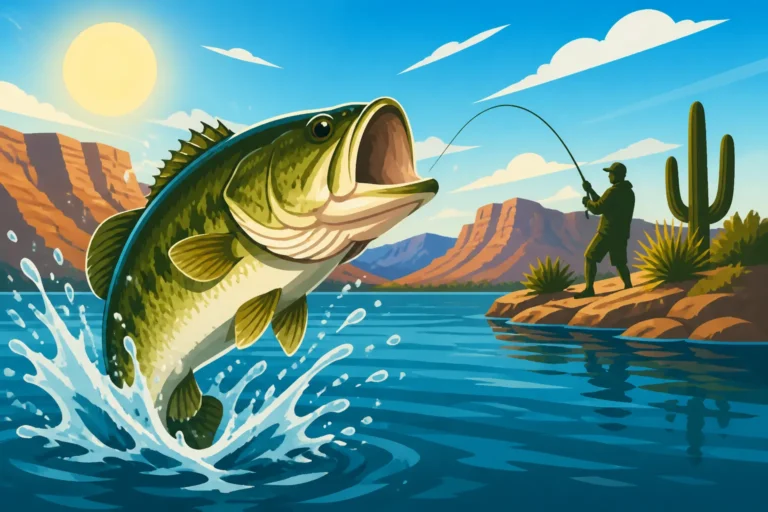
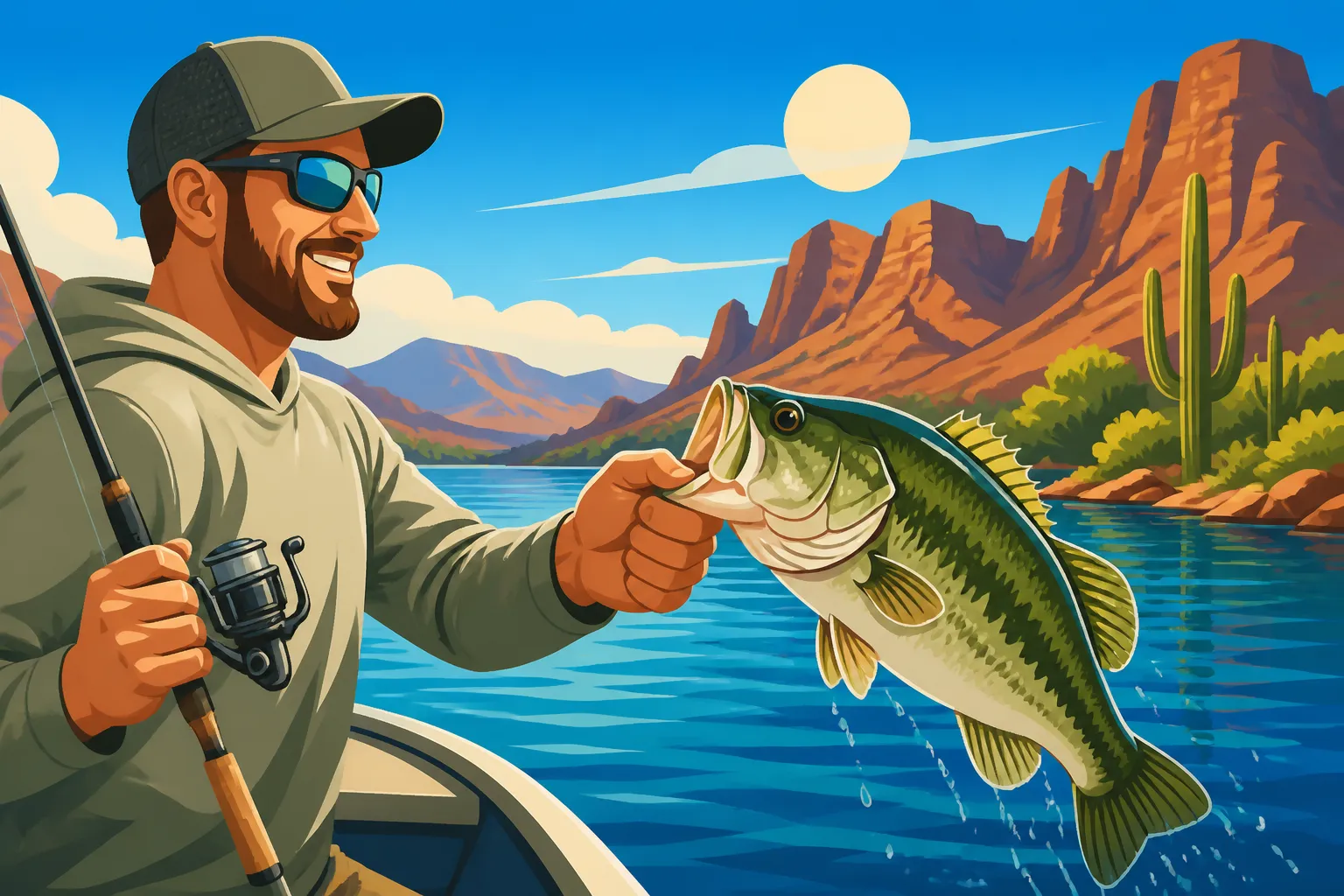
Bartlett Lake truly embodies the essence of Arizona's desert fishing experience. The surrounding landscape is classic Sonoran Desert, with saguaro cacti dotting the hillsides, rugged mountains forming a dramatic backdrop, and the vibrant hues of sunrise and sunset painting the sky over the water. Unlike some highly developed lakes, Bartlett retains a more natural, wild feel. This ecological richness means not only great fishing but also opportunities for wildlife viewing, from bald eagles soaring overhead to wild burros grazing near the shore. It’s a place to truly connect with nature while pursuing your passion for angling.
The lake itself is characterized by deep canyons and a mix of rocky points, submerged timber, and gradual sandy slopes, providing a variety of habitats for different fish species. Its relatively clear waters, especially in deeper sections, can make for challenging but rewarding fishing, demanding a more nuanced approach to lure presentation and technique.
Diverse Angling Opportunities for All
One of Bartlett Lake's biggest draws is the sheer diversity of its fishery. While it's widely known as a fantastic bass lake, it also offers excellent opportunities for catfish, crappie, and various panfish. This means you’re not putting all your eggs in one basket; if the bass aren't biting, you can easily switch gears and target something else. This versatility makes it ideal for family outings where everyone has a chance to catch something, or for serious anglers looking to hone multiple techniques.
Whether you prefer casting topwater lures at dawn, dropping jigs for crappie in brush piles, or setting out stink baits for catfish under the stars, Bartlett has a spot and a season for it. The lake's structure, from its main channel to numerous coves and arms, ensures there’s always new water to explore and new challenges to tackle. It really is one of the Best Fishing Lakes in Arizona for its accessibility and variety.
Key Fish Species You'll Encounter at Bartlett Lake
Bartlett Lake is home to a robust population of popular sport fish, each offering its own unique challenge and reward. Knowing what fish lurk beneath the surface and understanding their habits is the first step to a successful day on the water.
Largemouth and Smallmouth Bass
When people talk about bass fishing at Bartlett, they’re usually talking about its healthy populations of both largemouth and smallmouth bass. The largemouth thrive in the lake's abundant submerged vegetation, rocky structure, and brush piles, particularly in the shallower coves and feeder creek arms. These fish are known for their aggressive strikes and powerful fights, making them a favorite target for many anglers. You'll often find them lurking around cover, ready to ambush unsuspecting prey.
Smallmouth bass, on the other hand, prefer the cooler, deeper, rockier areas of the lake, often congregating around main lake points, bluff walls, and submerged ledges. They are tenacious fighters, pound-for-pound often putting up a more acrobatic fight than their largemouth cousins. Targeting smallmouth requires a slightly different approach, often involving finesse techniques and a keen eye for subtle structure. Bartlett Lake offers a fantastic opportunity to chase both species, often in the same outing, truly cementing its reputation as one of the Best Bass Fishing Lakes in Arizona.
Channel Catfish and Flathead Catfish
If you're after some excellent table fare or just a good fight, Bartlett Lake's catfish population won't disappoint. Channel catfish are abundant throughout the lake and are relatively easy to catch, especially in the warmer months. They'll readily take a variety of baits, making them a great target for beginners or those looking for consistent action. You’ll find them in most areas of the lake, often near deeper holes or where creeks feed into the main body of water.
The lake also boasts a thriving population of flathead catfish, known for their immense size and incredible fighting power. These predatory fish prefer live bait and often inhabit deeper, snaggier areas, particularly around large submerged timber or rocky crevices. Catching a trophy flathead at Bartlett Lake is a monumental achievement and a thrilling experience for any serious catfisherman. For more details, check out our Catfish Fishing Guide for Arizona.
Crappie and Other Panfish
For those who enjoy a more relaxed day of fishing with the potential for a full stringer, Bartlett Lake offers excellent crappie fishing, particularly black crappie. These schooling fish congregate around submerged brush, standing timber, and bridge pilings. They're delicious to eat and can provide fast-paced action once you locate a school. Crappie fishing often involves light tackle and small jigs or minnows, making it a delicate but rewarding pursuit.
Beyond crappie, you'll also find various panfish species like bluegill and sunfish, especially in the shallower, vegetated areas of the lake. These smaller fish are perfect for introducing kids to fishing, as they're usually eager biters and provide continuous entertainment. A simple worm under a bobber is often all it takes to get these guys biting, making for a fun and easy family fishing experience. Discover more spots in our Best Crappie Fishing Spots in Arizona article.
Top Fishing Spots and Access Points at Bartlett Lake
Navigating a new lake can be tough, but Bartlett offers several prime locations and convenient access points that can help you get right into the action. Knowing where to launch, where to cast from shore, and which areas tend to hold fish is half the battle.
Marina and Boat Ramps
The primary access point for boaters is the Bartlett Lake Marina, which offers a full-service experience with multiple boat ramps, boat rentals, a store, and even a restaurant. This is your go-to for launching larger boats and accessing the main body of the lake. The ramps are well-maintained, but they can get busy, especially on weekends and holidays.
- Bartlett Flat Boat Ramp: Located just north of the marina, this is a popular option, especially for smaller boats and kayaks. It provides direct access to some excellent coves and main lake points that hold bass and crappie. The approach can sometimes be a bit bumpy depending on road conditions, so keep that in mind.
- Yellow Cliffs Boat Ramp: Further up the lake, this ramp provides access to the upper Verde River arm of the lake, which can be fantastic for both bass and catfish, particularly when water levels are high. This area often has more submerged timber and a different character than the lower lake. It’s a bit more remote, offering a quieter experience for those willing to make the drive.
Always check current lake levels before heading out, as they can significantly impact ramp accessibility. The Arizona Game and Fish Department website is an excellent resource for this.
Prime Shore Fishing Locations
You don't need a boat to have a successful fishing trip at Bartlett Lake. There are several spots perfect for bank anglers, offering good access and the chance to catch a variety of species.
- Jojoba Day Use Area: This area near the dam offers easy access to the shoreline with plenty of rocky points and coves. It's a popular spot for casting jigs for bass or setting up for catfish. The varied structure here means fish have plenty of places to hide and feed close to shore.
- Near the Marina Parking Area: Believe it or not, the areas immediately surrounding the marina parking lot and access roads can offer decent shore fishing opportunities. Anglers often find success targeting panfish and smaller bass here, especially early in the morning or late in the evening when boat traffic is low. It’s convenient for a quick trip or for those bringing young children.
- Forest Road 24 to the Verde River Arm: For the more adventurous shore angler, driving along Forest Road 24 to where it parallels the Verde River arm of the lake can reveal numerous secluded spots. These areas often have less pressure and can yield some impressive catches, particularly for flathead catfish lurking in deeper pockets or bass cruising the shallows. Just be prepared for potentially rougher terrain and respect private property signs. You can find excellent Shore Fishing Access Points at Canyon Lake and other similar desert lakes if you enjoy this style of fishing.
Noteworthy Coves and Points for Boaters
For those with a boat, Bartlett Lake truly opens up, offering a vast array of productive fishing grounds.
- Rattlesnake Cove: This large cove often holds excellent populations of largemouth bass, particularly around its submerged brush and rocky points. It’s a great place to throw spinnerbaits, crankbaits, or soft plastics. During the spawn, the shallower pockets can be particularly productive.
- Yellow Cliffs Area: As mentioned with the boat ramp, the Yellow Cliffs themselves and the coves surrounding them are fantastic. The sheer rock walls and deeper drop-offs create ideal habitat for smallmouth bass. This area is also known for producing some large flathead catfish, especially in the deeper channels.
- Twin Buttes Area: Located on the western side of the lake, the Twin Buttes feature intricate rock formations, submerged ledges, and small coves. It's a versatile area that can hold both bass and crappie, depending on the season and water levels. Look for changes in depth and structure for the best results.
- The Verde River Arm: This upper section of the lake, where the Verde River flows in, is often teeming with nutrients and baitfish, attracting all species. It's a prime spot for catfish, especially after rains, and can hold impressive numbers of bass. The timber and debris washed down from the river create excellent cover. If you're using a service like FishingBooker to find a guide, they'll likely have specific honey holes in these well-known areas.
Seasonal Fishing Strategies for Bartlett Lake
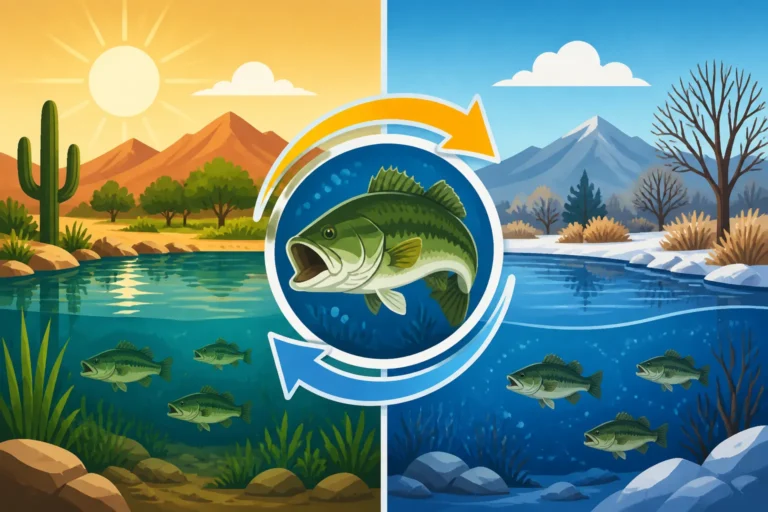
Bartlett Lake fishes differently throughout the year, driven by water temperature, fish spawning cycles, and the intense Arizona weather. Understanding these seasonal shifts is crucial for planning a successful trip.
Spring: Pre-Spawn and Spawning Frenzy
Spring at Bartlett Lake is often considered the prime time for bass fishing. As water temperatures rise into the 50s and 60s Fahrenheit (around 10-20°C), largemouth and smallmouth bass move from their deeper winter haunts towards shallower staging areas. This pre-spawn period sees them actively feeding to bulk up for the spawn, making them highly susceptible to a variety of lures. Look for them on points, humps, and the edges of coves.
Once water temperatures hit the mid-60s, the bass move onto their beds to spawn. This is when they become highly territorial and aggressive towards anything entering their nesting sites. Sight fishing for bedding bass can be incredibly effective, but remember to practice responsible catch-and-release to protect the spawn. Crappie also become very active in spring, moving into shallower brush piles and standing timber to spawn. This is a fantastic time for light tackle crappie jigging. Don't forget that spring weather can still be unpredictable, so bring layers and be ready for anything. You'll find similar Spring Bass Fishing Tactics in Arizona useful for many other desert lakes.
Summer: Early Morning and Night Fishing Tactics
Arizona summers mean scorching temperatures, and Bartlett Lake is no exception. While the heat can be intense, excellent fishing is still very possible, you just have to adjust your approach. Fish move to deeper, cooler water during the day, seeking refuge in the thermocline (a layer of rapid temperature change in the water column) or around deep structure. Early mornings, just after sunrise, and evenings are often the most productive times. Topwater action for bass can be explosive during low light conditions.
Night fishing truly shines in summer, especially for catfish and striped bass (though less common for stripers at Bartlett). Flatheads and channel cats become much more active after dark, feeding heavily on baits presented on the bottom in deeper holes or along channels. For bass, try fishing deep points and ledges with jigs, Texas rigs, or drop-shots. Hydration is absolutely key during summer; always bring more water than you think you’ll need, and take breaks in the shade. Learn more about Heat Safety Tips for Summer Fishing in Arizona.
Fall: Transition and Cooler Water Bites
As autumn arrives, the desert heat slowly recedes, and water temperatures at Bartlett Lake begin to cool. This signals a transition period for most fish species. Bass, sensing the approaching winter, often move shallower and begin to feed aggressively, mimicking their pre-spawn behavior. They’ll chase schools of baitfish, and you can often find them busting on the surface in open water or along points. Crankbaits, spinnerbaits, and topwater lures can be incredibly effective during this feeding frenzy.
Crappie will also start to school up and move to more predictable depths as baitfish become a primary target. Fall can be a fantastic time for both quantity and quality of fish. The weather is generally pleasant, making for comfortable fishing conditions. As leaves change in the surrounding mountains, the scenery is also particularly beautiful, adding to the enjoyment of your trip.
Winter: Deep Structure and Finesse Fishing
Winter at Bartlett Lake might seem slow, but it can offer some of the most rewarding fishing if you know how to approach it. Fish, especially bass, move to deep water, often congregating around main lake points, submerged humps, and deep ledges. Their metabolism slows down, making them less active, so finesse techniques become paramount. Slow presentations with drop-shots, shaky heads, or small jigs are often the ticket.
Crappie can also be found in deeper brush piles or suspended over deep water, often requiring electronics to locate. Catfish might be less active but can still be caught on cut bait or stink bait in deeper holes. The key to winter fishing is patience, precise bait presentation, and a good understanding of your electronics to locate those deep-holding fish. While the bite might be tougher, the rewards can be substantial, with many anglers catching larger, healthier fish that haven't seen much pressure.
| Season | Primary Target Species | Best Techniques | Typical Depths | Notes |
|---|---|---|---|---|
| Spring | Largemouth Bass, Smallmouth Bass, Crappie | Crankbaits, Spinnerbaits, Jigs, Texas Rigs, Live Minnows | Shallower coves (5-15 ft), Points (10-25 ft) | Pre-spawn feeding frenzy, spawning activity. |
| Summer | Catfish, Largemouth Bass, Smallmouth Bass | Night Fishing (Cut Bait), Deep Jigs, Drop-Shots, Topwater (Early/Late) | Deeper channels (20-40+ ft), Shaded areas | Intense heat, focus on low-light hours. |
| Fall | Largemouth Bass, Smallmouth Bass, Crappie | Crankbaits, Spinnerbaits, Topwater, Jigs | Mid-range depths (10-30 ft), Baitfish schools | Fish actively feeding, comfortable weather. |
| Winter | Largemouth Bass, Smallmouth Bass, Catfish | Finesse Jigs, Drop-Shots, Carolina Rigs, Live Bait (slow) | Deep structure (25-50+ ft), Main lake points | Slower bite, precision and patience are key. |
Essential Gear and Techniques for Bartlett Lake Success
Having the right tools and knowing how to use them can make all the difference at Bartlett Lake. You don't need to break the bank, but a few key pieces of gear and an understanding of effective techniques will significantly boost your chances.
Rods, Reels, and Line Choices
For bass fishing at Bartlett, a versatile medium-heavy spinning or baitcasting rod (6'6" to 7'6") is a great starting point. This setup allows you to throw a wide range of lures, from lighter jigs to heavier crankbaits. For finesse techniques, a medium-light spinning rod is invaluable, allowing for better feel and lighter line. Our guide on Best Fishing Rods for Bass in Arizona offers more specific recommendations.
When it comes to reels, a reliable spinning reel in the 2500-3000 size range or a baitcasting reel with a medium gear ratio (6.4:1 to 7.1:1) will cover most situations. For line, a 10-15 lb fluorocarbon or monofilament main line is typical for bass. Consider a braid-to-fluorocarbon leader setup for increased sensitivity and strength in challenging cover, especially when targeting larger fish. For catfish, a heavier setup with 20-30 lb monofilament or braided line is recommended to handle their power and prevent break-offs in snags.
Top Baits and Lures for Bartlett Lake
The "best" bait always depends on the day, but a few staples consistently produce at Bartlett Lake:
- Soft Plastics: Worms (Texas-rigged, Carolina-rigged, Neko-rigged), Senkos, creature baits, and swimbaits are incredibly versatile for bass. Watermelon, green pumpkin, and natural shad colors are always good bets.
- Crankbaits: Medium-diving crankbaits that mimic shad or crawfish work well along points and submerged humps. Deeper diving crankbaits can be effective in summer.
- Jigs: Flipping and pitching jigs (especially in black/blue or green pumpkin) into heavy cover is a classic technique for largemouth. Finesse jigs or shaky heads are great for smallmouth on rocky bottoms.
- Spinnerbaits & Chatterbaits: Excellent for covering water, especially in spring and fall. White, chartreuse, and shad patterns are popular.
- Topwater Lures: Poppers, walk-the-dog baits, and frog patterns can create explosive strikes during low light conditions, especially over submerged vegetation.
- Live Bait: For catfish, live sunfish, shad, or stink baits (like PowerBait Catfish Bait or dip baits) are highly effective. For crappie, live minnows suspended under a bobber or small jigs are hard to beat. Check out our comprehensive guide on Best Baits and Lures for Arizona Fishing for even more options.
Effective Fishing Techniques
- Flipping and Pitching: Essential for targeting bass in dense cover like brush piles, submerged timber, or heavy vegetation. It involves short, accurate casts to drop your lure silently into tight spots.
- Drop-Shotting: A finesse technique perfect for smallmouth bass and finicky largemouth in deeper, clearer water. The weight is tied below the hook, allowing your bait to hover at a desired depth.
- Trolling: While not as common for bass, trolling with deep-diving crankbaits can be effective for covering large areas and locating schools of fish, particularly for crappie or if you suspect suspended bass.
- Bottom Fishing for Catfish: A straightforward yet highly effective method. Use a slip-sinker rig with a bait of choice, cast to deeper holes or channels, and wait for the bite. This is especially good for night fishing.
- Reading Your Electronics: A good fish finder is invaluable at Bartlett, helping you locate submerged structure, brush piles, baitfish schools, and even individual fish, especially in deeper water or when targeting crappie. Understanding how to interpret sonar readings will drastically improve your success.
Arizona Fishing Regulations and Safety Considerations
Before you even think about casting a line, understanding the rules and prioritizing your safety is paramount. Arizona has specific regulations designed to protect its fisheries, and the desert environment presents unique challenges.
Understanding Arizona Fishing Licenses and Regulations
First and foremost, you need an Arizona Fishing License Guide. Anyone 10 years or older must possess a valid Arizona fishing license to fish in public waters. Licenses can be purchased online through the Arizona Game and Fish Department website, at authorized dealers (like sporting goods stores or even some local Walmart locations), or over the phone. Make sure you understand the different license types, whether you need a resident or non-resident license, and if any additional stamps (like a trout stamp, though less likely for Bartlett's primary species) are required. You can learn more in our detailed article on How to Buy an Arizona Fishing License Online.
Beyond the license, familiarize yourself with the general statewide Arizona Fishing Regulations Explained, as well as any specific rules for Bartlett Lake. This includes:
- Bag and Possession Limits: These specify the maximum number of fish you can keep per day and have in your possession. These limits vary by species.
- Size Limits: Some species have minimum or maximum size limits to protect juvenile or trophy fish.
- Legal Bait: Understand what types of bait are legal. For example, using live baitfish typically has restrictions to prevent the spread of invasive species.
- Number of Rods: There are limits to how many rods an individual angler can use simultaneously.
Always carry a copy of the current Arizona Game and Fish Department fishing regulations booklet (available online or at license dealers) or have access to the digital version on your phone. Ignorance of the law is not an excuse for violations, and penalties can include fines and loss of fishing privileges. If you are ever unsure, contacting the Arizona Game and Fish Department directly is the best course of action.
Boating Safety Requirements
If you're heading out on Bartlett Lake in a boat, be sure you understand Arizona's boating safety requirements. All vessels must carry appropriate safety equipment, including:
- Personal Flotation Devices (PFDs): You must have a wearable PFD (life jacket) for every person on board, and children 12 years and under must wear a PFD when the vessel is underway.
- Fire Extinguisher: Required for most motorized boats.
- Sound-Producing Device: A whistle, horn, or other device capable of producing an audible signal.
- Navigation Lights: Required for operation between sunset and sunrise.
- Registration: All motorized boats must be registered with the Arizona Game and Fish Department.
Boating Under the Influence (BUI) laws are strictly enforced, mirroring DUI laws on the road. Always boat sober and safely. Consider taking a boating safety course, especially if you're new to operating a boat, as it can significantly enhance your skills and awareness on the water.
Essential Desert Fishing Safety Tips
Fishing in the Arizona desert, while beautiful, comes with its own set of environmental hazards.
- Hydration: This cannot be stressed enough. The desert heat, especially in summer, can quickly lead to dehydration. Bring far more water than you think you’ll need, and drink it frequently. Electrolyte drinks can also be beneficial.
- Sun Protection: Wear broad-brimmed hats, UV-protective clothing (long sleeves, long pants), and high-SPF sunscreen. The Arizona sun is intense and relentless. Polarized sunglasses are also crucial for both eye protection and seeing into the water.
- Wildlife Awareness: Bartlett Lake is wild country. Be aware of snakes (rattlesnakes are common), scorpions, javelina, and other wildlife. Give them space. Never put your hands where you can't see them.
- Weather Changes: Desert weather can change rapidly. Clear skies can turn into intense thunderstorms (monsoons) with heavy rain, strong winds, and lightning, especially in late summer. Keep an eye on the forecast and be prepared to seek shelter or get off the water if storms approach. Flash floods can also be a danger in washes and low-lying areas, even if it's not raining directly where you are.
- Navigation: While Bartlett is well-trafficked, it's a large lake with many coves. Carry a reliable map, GPS, or a fully charged phone with mapping capabilities, especially if you're exploring unfamiliar areas. Cell service can be spotty in some parts of the lake.
- Emergency Preparedness: Inform someone of your float plan (where you're going and when you expect to return). Carry a basic first-aid kit, extra food, and a way to charge your phone in an emergency.
By respecting the regulations and taking common-sense safety precautions, you can ensure your Bartlett Lake fishing adventure is not only successful but also safe and enjoyable. For those seeking a deeper dive into techniques and strategies, a guided trip can be invaluable. Services like FishingBooker can help you connect with experienced local fishing guides who know Bartlett Lake inside and out, offering invaluable insights into the best spots, baits, and seasonal patterns for a truly rewarding experience.
Disclaimer
The information provided in this guide is for general informational purposes only and is subject to change. Always consult the official Arizona Game and Fish Department regulations and local authorities for the most current rules, conditions, and safety advisories before planning your fishing trip to Bartlett Lake. Fishing involves inherent risks, and adherence to safety guidelines is the sole responsibility of the individual.