Apache Lake Arizona Fishing Guide
If you've ever gazed at a map of Arizona's vast and varied landscape, you know that finding truly wild, untamed fishing opportunities can be both exhilarating and a little daunting. Apache Lake is one of those places—a rugged, remote gem that promises incredible catches but demands respect and preparation. This guide will cut through the uncertainty, offering seasoned advice and practical tips to help you conquer this stunning desert reservoir and make your next fishing adventure unforgettable.
Unveiling Apache Lake's Unique Fishing Environment
Apache Lake isn't your average, easily accessible urban fishery. Nestled deep within the Tonto National Forest, it's a testament to Arizona's raw, natural beauty and presents a truly unique challenge for anglers. Getting there is part of the adventure, and understanding its distinct characteristics is key to unlocking its fishing potential.
The Rugged Beauty and Remote Setting
Apache Lake is the second largest of the four reservoirs on the Salt River chain, formed by the Stewart Mountain Dam. Its sheer cliffs, deep canyons, and scattered saguaros create a dramatic backdrop that feels a world away from the hustle and bustle of city life. The journey to Apache Lake often involves traversing a significant portion of the unpaved, winding Apache Trail (State Route 88). This isn't a quick drive; expect rough patches, steep grades, and the need for a reliable vehicle, especially if towing a boat. Many first-time visitors are surprised by the remoteness, the limited cell service, and the sheer scale of the landscape. However, for those willing to make the trek, the reward is an unparalleled sense of solitude and the chance to fish some of the cleanest, most pristine waters in central Arizona.
The ruggedness means fewer crowds compared to some other popular Arizona lakes, particularly during weekdays. This translates to more elbow room on the water and a greater sense of immersion in nature. Whether you're a seasoned boater, a kayak angler, or prefer to explore the limited shore fishing opportunities, the environment itself is a major draw. Just remember that its wild nature also means you need to be self-sufficient; amenities are sparse, so pack everything you need and then some. This includes extra water, snacks, first-aid, and an emergency plan.
Lake Characteristics and Water Conditions
Apache Lake boasts an impressive 17,000 acres of surface area and over 70 miles of shoreline, much of it characterized by steep, rocky canyon walls dropping into deep, clear water. The lake reaches depths of over 200 feet in places, offering diverse habitats for various fish species. Unlike some of its muddier counterparts downstream, Apache Lake typically maintains excellent water clarity, which can be both a blessing and a curse for anglers. Clear water often means fish are more wary and spook easily, requiring stealthier approaches and more natural bait presentations.
Water levels in Apache Lake can fluctuate significantly depending on upstream releases and rainfall, which in turn impacts fish locations and accessible fishing spots. During periods of lower water, certain coves and points become exposed, revealing structures that might be submerged at higher levels. Conversely, rising water can push fish into newly flooded vegetation, creating new opportunities. Understanding these dynamics by checking current lake conditions before your trip is crucial. The lake's clear, deep waters also mean distinct thermal stratification during the warmer months, with fish retreating to cooler depths, requiring different tactics than in spring or fall.
Primary Fish Species Flourishing Here
Apache Lake is renowned for its diverse fishery, appealing to anglers targeting various species. While it's particularly famous for its robust bass population, other species offer excellent fishing opportunities and make for a well-rounded angling experience.
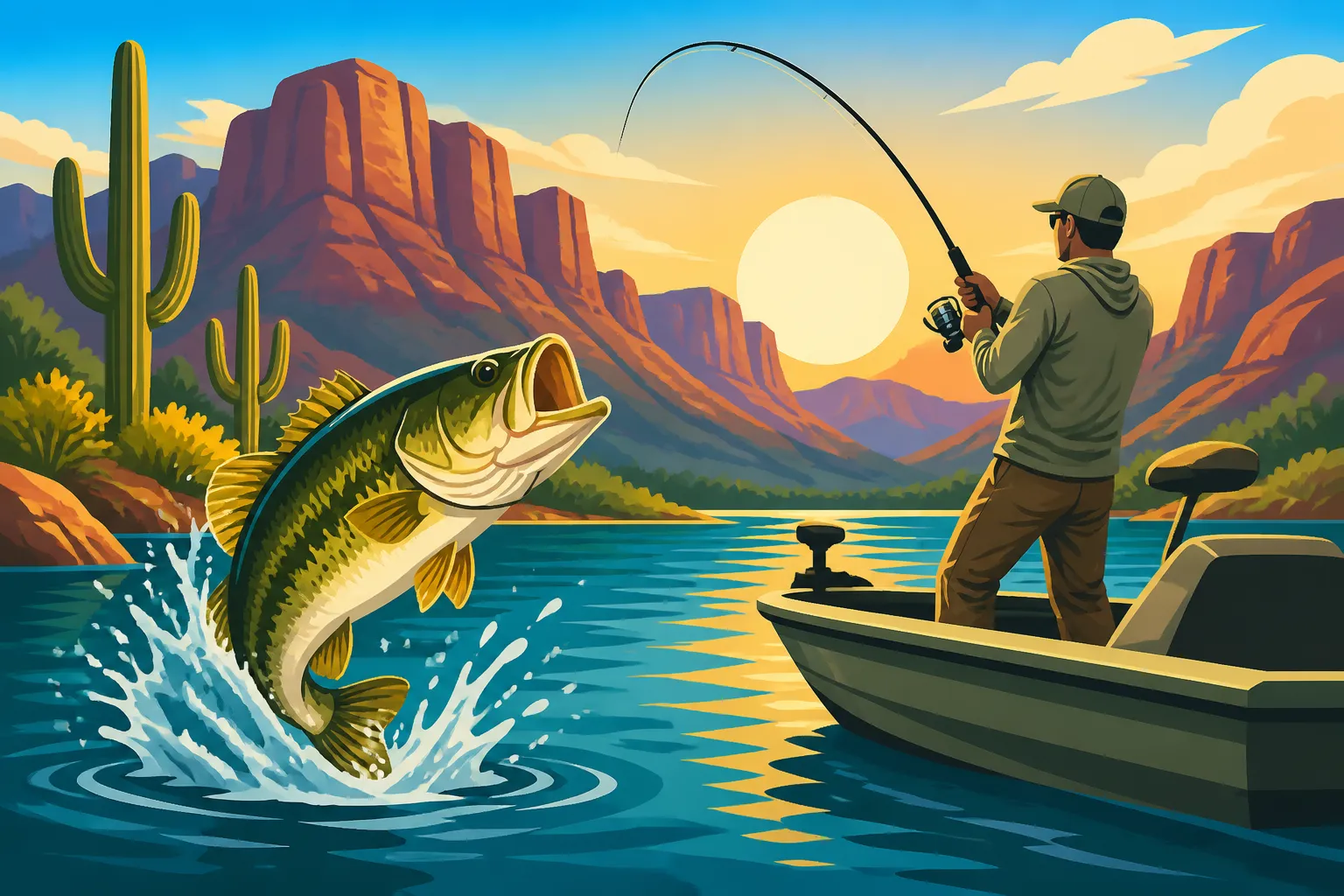
The undisputed kings of Apache Lake are the black bass: Largemouth Bass and Smallmouth Bass. Largemouths tend to inhabit the shallower, warmer coves with submerged brush and rocks, while Smallmouths prefer the deeper, rocky main lake points and canyon walls. Apache Lake consistently produces quality bass, with many anglers reporting fish in the 3-5 pound range, and the potential for larger trophies is always there.
Another highly sought-after species, and one of Apache's true gems, is the Walleye. These elusive, delicious fish are less common in Arizona's desert lakes, making Apache Lake a prime destination for targeting them. They prefer cooler, deeper water and typically feed during low light conditions. Beyond bass and walleye, anglers can find excellent numbers of Crappie (both black and white), often schooling around submerged timber and brush piles. Catfish, including both Channel and Flathead species, are also abundant, offering powerful fights, especially during nighttime excursions. Rounding out the fishery are various sunfish and bluegill, providing consistent action, especially for younger anglers or those looking for a relaxing day with lighter tackle. This diverse mix ensures there's always something biting, no matter your preferred style or target.
Top Fish Species to Target in Apache Lake
Apache Lake is a veritable smorgasbord for anglers, offering a diverse array of fish species. However, some stand out as primary targets due to their abundance, size, and the thrilling challenge they present. Knowing where to find them and what they prefer is half the battle.
Largemouth and Smallmouth Bass Strategies
Apache Lake is a phenomenal bass fishery, attracting anglers from all over for its healthy populations of both largemouth and smallmouth bass. While they are both "bass," their preferred habitats and feeding behaviors differ, requiring slightly adjusted strategies.
Largemouth Bass at Apache Lake typically gravitate towards the shallower, warmer coves, especially those with some form of cover like submerged brush, rock piles, or sparse vegetation. During the pre-spawn and spawn periods (late winter through spring), they move into these shallower areas, making them prime targets. Look for points leading into coves, rocky banks with scattered timber, and any areas where the bottom composition changes. Topwater lures like poppers and walk-the-dog baits can be incredibly exciting at dawn and dusk. As the day progresses, switch to Texas-rigged or Carolina-rigged soft plastics (worms, lizards, creature baits) fished slowly along the bottom or around submerged structure. Spinnerbaits and chatterbaits are also excellent for covering water and triggering reaction strikes, especially when fish are actively feeding or after a wind event. Don't be afraid to experiment with different colors, but natural tones like green pumpkin, brown, and watermelon tend to be consistent producers in Apache's clear waters.
Smallmouth Bass, on the other hand, are the true rock dwellers of Apache Lake. You'll find them primarily along the main lake points, steep canyon walls, rocky ledges, and deep underwater humps. They prefer cooler, clearer water and are often found deeper than largemouths, especially during the warmer months. Drop shot rigs with small finesse worms or goby imitations are deadly for smallmouth, allowing you to present a bait precisely in their strike zone. Jigs, especially football jigs in brown or green, worked slowly along rocky bottoms, are also highly effective. Crankbaits that mimic shad or crawfish, particularly those designed to dive deep and deflect off structure, can provoke aggressive strikes. The clear water here means long casts are often necessary, and fluorocarbon line can provide the invisibility needed to entice these wary fighters. Many seasoned anglers find that early mornings and late afternoons offer the best action for both bass species, particularly when they move shallower to feed.
The Elusive Walleye and How to Catch Them
Walleye are a true prize in Arizona, and Apache Lake is one of the few places you can consistently target them. Known for their delicious fillets and nocturnal, elusive nature, catching an Apache Lake walleye is a memorable experience.
Walleye are light-sensitive fish, so they typically inhabit deeper, cooler parts of the lake during the day, moving shallower to feed under low light conditions—dawn, dusk, and especially at night. Look for them around main lake points, submerged humps, and rocky ledges where they can ambush prey. Their eyes are specially adapted for low light, giving them a distinct advantage over forage fish. The key to catching walleye in Apache Lake is often patience and persistence. Trolling with deep-diving crankbaits is a popular and effective method. Use lures that dive to the depth where you're marking fish, often between 15-40 feet, and choose colors that mimic the local baitfish like shad or crawfish. Brands like Berkley Flicker Shad or Rapala Deep Husky Jerk are often good starting points.
Jigging with a lead head jig tipped with a plastic grub or a live nightcrawler is another highly effective technique, especially when you've located a school of walleye on your fish finder. Work the jig slowly along the bottom, imparting small hops or drags. Live bait, particularly a nightcrawler on a bottom-bouncing rig, can be incredibly productive, especially during the darker hours. Many anglers opt for night fishing for walleye, as they become much more active and less wary. When the sun dips below the horizon, these fish often move into shallower areas, around 10-20 feet, to actively feed. Utilizing a guide service found through platforms like FishingBooker that specializes in Apache Lake can significantly increase your chances of finding and catching these prized fish, as local knowledge of their patterns is invaluable.
Crappie and Catfish for Consistent Action
For anglers seeking consistent bites and a good meal, Apache Lake's crappie and catfish populations offer plenty of action. These species are often more predictable and less finicky than their bass and walleye counterparts, making them great targets for a fun day on the water.
Crappie at Apache Lake are often found schooling around submerged structure such as brush piles, standing timber, and rock formations. Their spawning season in spring (typically March-May) sees them move into shallower coves and creek channels, often near cover, making them easier to target. During other times of the year, they'll hold deeper, often suspended over brush piles or along ledges. The most popular and effective methods for crappie include small jigs (1/16 to 1/8 ounce) tipped with soft plastic bodies, often in chartreuse, white, or black-and-chartreuse combinations. Live minnows, fished under a bobber or on a crappie rig, are also incredibly effective, especially when fish are finicky. A fish finder is invaluable for locating submerged brush and schools of crappie. Once you find a school, you can often catch multiple fish from the same spot.
Catfish, particularly Channel Catfish and Flathead Catfish, are abundant in Apache Lake and offer a strong fight. Channel cats are widespread and can be caught throughout the lake, often preferring softer bottoms, creek channels, and the mouths of coves. Flathead Catfish, known for their larger size and predatory nature, tend to hang around deeper, rocky areas, submerged timber, and along the main river channel. For Channel Catfish, traditional bottom-fishing rigs with stink baits, cut bait (like shad or hot dogs), or nightcrawlers are very effective. They are scavengers and will readily pick up scents. Flatheads, on the other hand, prefer live bait. Small bluegill, carp, or even large minnows fished on a heavy-duty bottom rig in known flathead haunts can produce monstrous fish. Night fishing is particularly productive for both species, as they are primarily nocturnal feeders. Anchor up in a promising cove or along a channel edge, cast out several lines, and enjoy the peace and quiet under the Arizona stars. Just be prepared for a strong pull when a big one bites!
Essential Gear and Techniques for Apache Lake
Success on Apache Lake hinges not just on knowing where the fish are, but also on having the right tools and strategies. Its clear, deep waters and diverse fishery require a thoughtful approach to gear and technique.
Recommended Rods, Reels, and Line
Choosing the right tackle is crucial for adapting to Apache Lake's varied fishing scenarios. You'll likely encounter a range of species and conditions, so versatility or specialized setups are key.
For bass fishing, a medium-heavy power, fast-action spinning rod (6'6" to 7'2") paired with a 2500-3000 series spinning reel is a versatile choice for throwing plastics, jigs, and lighter crankbaits. If you prefer baitcasting, a similar rod and a medium-speed baitcaster (6.3:1 to 7.1:1 gear ratio) will handle most bass presentations. For your line, consider a 10-15 lb fluorocarbon main line, which offers low visibility in Apache's clear waters and good sensitivity for feeling subtle bites. Alternatively, 20-30 lb braided line with a 10-15 lb fluorocarbon leader provides excellent casting distance, strength, and sensitivity, especially when fishing around submerged timber.
When targeting walleye, a medium power, fast-action spinning rod (6'6" to 7'0") is ideal, offering enough backbone for hooksets and sensitivity for light bites. Pair this with a 2500 series spinning reel spooled with 8-10 lb fluorocarbon or braided line with a fluorocarbon leader. The low stretch of fluorocarbon is excellent for detecting those faint walleye "thumps." For crappie, a lighter setup is preferred: a light to medium-light power, fast-action spinning rod (5'6" to 6'6") and a 1000-2000 series spinning reel. Spool it with 4-6 lb monofilament or a thin braided line with a 4 lb fluorocarbon leader for maximum sensitivity and natural bait presentation. Lastly, for catfish, particularly the larger flatheads, you'll want a stout medium-heavy to heavy power, moderate-fast action rod (7'0" to 8'0") with a strong baitcasting reel or a large spinning reel (4000-6000 series). Load it with 15-30 lb monofilament or 30-65 lb braided line to handle powerful runs and rough terrain. Remember that your choice of Best Fishing Rods for Bass in Arizona can significantly impact your success and enjoyment.
Must-Have Baits and Lures
Your tackle box for Apache Lake should be well-stocked to handle the variety of species and conditions you'll encounter. Having a diverse selection of baits and lures will allow you to adapt on the fly.
For bass, soft plastics are indispensable. Texas rigs with 7-inch worms (green pumpkin, watermelon red flake) or creature baits are excellent for working brush and rocks. Drop shot rigs with smaller finesse worms (4-inch) are perfect for clear water and pressured fish. Crankbaits that dive to various depths (from shallow runners for coves to deep divers for points and ledges) are also crucial, mimicking the abundant shad. Jerkbaits are fantastic when bass are active, and various jigs (football jigs for rocky bottoms, swim jigs for cover) should always be in your box. Don't forget topwater lures for those magical dawn and dusk bites!
Walleye fishing calls for a specific arsenal. Deep-diving crankbaits (shad or crawfish patterns) for trolling are a must. Jigs, tipped with soft plastics (grubs, paddle tails) or live nightcrawlers, are also incredibly effective. Blade baits and spoons can work well when jigged vertically over schools of fish. For crappie, stick to small jigs (1/16 to 1/8 ounce) with plastic tubes or grubs in bright colors (chartreuse, pink, white). Small spinnerbaits and live minnows are also highly effective, especially when fished under a bobber near submerged structure. Finally, for catfish, your go-to baits will be smelly options. Prepared stink baits, chicken liver, cut bait (shad or carp), and live bluegill (for flatheads) are all excellent choices. Pack an assortment of appropriate hooks and weights for bottom fishing rigs. Exploring the Best Baits and Lures for Arizona Fishing will provide even more tailored options.
Navigating and Fishing From a Boat or Kayak
Apache Lake's expansive, rugged shoreline makes boat or kayak access a game-changer for serious anglers. While some limited shore fishing exists near public access points and campgrounds, truly exploring the lake's potential requires getting on the water.
Boating is arguably the most effective way to fish Apache Lake. Bass boats offer speed and specialized electronics for finding fish, while pontoon boats provide stability and comfort for family outings or leisurely crappie and catfish sessions. There are several boat ramps available, though checking their condition and water levels before your trip is essential, as the rugged terrain and fluctuating water can impact usability. Having a reliable boat with a good motor is vital due to the lake's size and the potential for strong winds, which can whip up quickly and make navigation challenging. Ensure your boat is equipped with all necessary safety gear as per Boating Safety Gear Requirements in Arizona, including life jackets, fire extinguishers, and sound-producing devices. A quality fish finder is almost a necessity on Apache, helping you locate deep structure, baitfish schools, and target species in the clear, deep water.
For a more intimate experience, kayak fishing on Apache Lake can be incredibly rewarding. Kayaks allow you to sneak into tight coves and along steep banks that larger boats cannot access, providing a stealthy approach that can be very effective for wary bass and walleye. However, the sheer size of Apache Lake, its open water, and potential for strong winds present unique challenges for kayakers. It's crucial to check wind forecasts before launching and stick to protected coves if conditions are rough. A stable, fishing-specific kayak with good tracking is recommended. Ensure you have a personal flotation device (PFD) and plenty of water. Bringing an anchor and a small electric trolling motor can greatly enhance your kayak fishing experience on such a large body of water. Considering the size and remoteness, hiring a local fishing guide, perhaps through a platform like FishingBooker, can be an excellent way to experience Apache Lake's fishing from a specialized craft, benefiting from their expertise without needing your own boat. They often know the best spots for specific species based on current conditions. More information on suitable vessels can be found in our guide to the Best Kayaks for Fishing in Arizona.
Seasonal Fishing Strategies for Apache Lake
Fishing Apache Lake is a year-round affair, but understanding how fish behave with the changing seasons is critical for consistent success. Each season presents unique opportunities and challenges.
Springtime Spawn and Active Feeding
Spring is arguably the most exciting time to fish Apache Lake, as fish become highly active and move into shallower waters for spawning. This period typically runs from late February through May, depending on water temperatures.
As water temperatures climb into the 50s and 60s Fahrenheit, Largemouth and Smallmouth Bass move out of their deep winter haunts and begin their pre-spawn ritual. They'll stage on points and ledges adjacent to spawning coves, feeding aggressively to build energy. During this time, crankbaits, spinnerbaits, and jerkbaits worked along these staging areas can be incredibly effective. Once water temperatures hit the mid-60s, bass move onto beds in shallower, protected coves. Look for them visually in clearer water and target them with soft plastics, jigs, or even weightless worms. After the spawn, bass often linger in these areas, guarding fry or recuperating, still offering good opportunities with slower presentations.
Crappie also become very active in the spring, moving into shallower brush piles and submerged timber in coves to spawn. This is prime time for catching them in large numbers. Small jigs and live minnows fished under a bobber are deadly. Look for brush and cover in 5-15 feet of water. Walleye also become more active in spring as they move to shallower, rocky areas to spawn. Trolling crankbaits or jigging with live nightcrawlers during low-light conditions can be very productive. The key to spring success is to follow the fish as they transition from deep winter haunts to shallow spawning grounds and then back to post-spawn recovery areas.
Summer Deep Water Tactics
Arizona summers are notoriously hot, and Apache Lake is no exception. While the heat might deter some anglers, it simply means adapting your tactics and fishing during the cooler parts of the day. Fish move deeper to seek cooler, more oxygenated water.
During the scorching summer months (June-September), bass will generally move to deeper structure—submerged humps, deep points, canyon ledges, and creek channels. Early mornings and late evenings offer brief windows where bass might move shallower to feed, making topwater lures or fast-moving baits effective. For the bulk of the day, focus on deep presentations: drop shot rigs, deep-diving crankbaits, heavy football jigs, and Carolina rigs worked slowly along the bottom in 20-50 feet of water. Look for baitfish schools on your fish finder, as bass will often be close by.
Catfish become a primary target during summer, particularly at night. Both Channel and Flathead Catfish are highly active after sunset, moving into shallower areas to feed. Anchor in a promising cove or along a channel, set up your bottom rigs with smelly baits, and enjoy the cooler evening air. Walleye also remain deep during the day but become significantly more active at night. Trolling deep crankbaits or jigging with live bait in 20-40 feet of water around prominent points can yield excellent results. Remember to stay hydrated and take precautions against the sun if fishing during the day. Consider exploring Night Fishing Techniques and Safety for added comfort and success.
Fall Transition and Aggressive Bites
Fall (October-November) is another fantastic season for fishing Apache Lake. As air and water temperatures begin to cool, fish become highly active, feeding aggressively to fatten up for the coming winter.
Bass begin to move shallower again, chasing baitfish that are pushed towards the surface and into coves. This means they are often more accessible and willing to strike. Look for them on points, secondary points, and in the backs of coves where shad schools are congregating. Crankbaits, spinnerbaits, jerkbaits, and topwater lures can all be incredibly effective as bass key in on baitfish. The bite can be aggressive and consistent throughout the day, not just during low light. As the water cools further, bass will start to hold closer to structure, making jigs and soft plastics excellent choices.
Crappie also get into a fall feeding frenzy, often schooling up tightly around brush piles and submerged timber. They'll be shallower than in summer but might still be deeper than in spring. Small jigs and minnows remain the top baits. Walleye can offer some great action in the fall as well, as they become more active feeders. Trolling deep crankbaits along main lake points and ledges, or jigging with live bait, can produce good catches. The comfortable weather and active fish make fall an incredibly enjoyable time to be on Apache Lake, and often less crowded than spring.
Winter Slowdowns and Trophy Opportunities
Winter (December-February) at Apache Lake might slow down the bite, but it often presents the best opportunity for catching larger, trophy-sized fish, particularly bass and walleye. The key is to fish slowly and precisely.
Bass will retreat to their deep winter haunts, often holding tight to structure in 30-60 feet of water or even deeper. They become lethargic and less willing to chase fast-moving baits. Finesse techniques are paramount: slow-rolling football jigs, drop shot rigs with small worms, and spoon fishing vertically over deep structure are effective methods. Look for schools of baitfish and bass congregated on points, humps, and ledges using your fish finder. A subtle presentation is often what it takes to coax a bite from a cold-water bass.
Walleye can be a surprisingly good target in winter, as they tend to be more stable in their deep-water patterns. Trolling deep-diving crankbaits or vertical jigging with spoons or blade baits in 30-50 feet of water can be very productive. Focus on the main lake channels and deep points. Catfish will also be slower, but larger flatheads can still be caught by presenting live bait very slowly in their deep wintering holes. Crappie will be tightly schooled in deep brush piles. Winter fishing requires patience and a willingness to brave the cooler temperatures, but the reward can be a personal best catch from the depths of Apache Lake. Our guide on Ice-Free Winter Fishing Techniques might offer additional insights, although Apache rarely freezes over.
Navigating Apache Lake's Challenges and Regulations
Apache Lake is a fantastic fishery, but its remote location and wild nature come with specific challenges. Being prepared for these, as well as understanding the rules, is vital for a safe and successful trip.
Access, Weather, and Safety Considerations
Getting to Apache Lake is part of the adventure, but it's crucial to understand the realities of the journey and the environment. The Apache Trail (State Route 88), particularly the unpaved section between Tortilla Flat and Apache Lake, can be rough. It's winding, narrow, and often has steep drop-offs. A high-clearance vehicle is recommended, and if you're towing a boat, ensure your trailer and tow vehicle are up to the task. Always check road conditions before you go, especially after heavy rains, which can make the dirt sections impassable. Cell service is minimal to nonexistent on much of the Apache Trail and around the lake, so be prepared for a lack of communication in an emergency.
Weather in Arizona can be extreme and change rapidly. Summers bring intense heat, easily reaching over 100°F. Sun protection (hats, long sleeves, sunscreen) and abundant hydration are non-negotiable. Sudden monsoon storms in late summer can bring torrential rain, lightning, and strong winds that can make boating dangerous. Always keep an eye on the sky and weather forecasts. In winter, temperatures can drop significantly, especially overnight, so pack layers. High winds are a common occurrence on Apache Lake, often picking up unexpectedly. These winds can create large, dangerous chop on the open water. Always check wind forecasts and be prepared to seek shelter in a protected cove or cut your trip short if conditions become too rough.
Safety should be your top priority. Always wear a life jacket, especially if you're on a kayak or a smaller boat. Inform someone of your float plan, including where you're going and when you expect to return. Carry a well-stocked first-aid kit, extra water, food, and an emergency signaling device (like a satellite messenger) due to the lack of cell service. Familiarize yourself with your boat and its capabilities. Apache Lake is vast and remote, so self-reliance is key.
Understanding Arizona Fishing Regulations
Fishing on Apache Lake, like all public waters in Arizona, requires adherence to the rules set forth by the Arizona Game and Fish Department (AZGFD). These regulations are in place to manage fish populations and ensure sustainable fishing for everyone.
First and foremost, everyone 10 years of age and older needs a valid Arizona fishing license. You can purchase these online through the AZGFD website, at various dealers across the state, or by visiting a regional AZGFD office. It's always a good idea to have a copy of your license (physical or digital) on you while fishing. For a detailed breakdown, check out our Arizona Fishing License Guide. Beyond the general license, specific regulations apply to different species concerning bag limits, possession limits, and sometimes even size limits. For example, there are specific limits for bass, crappie, catfish, and walleye. These rules can change, so always consult the most current Arizona Game and Fish Department Fishing Regulations booklet or their website before your trip.
Apache Lake does not typically have special permits beyond the standard fishing license, but it's always wise to verify. Pay attention to any regulations regarding live bait, as rules can vary by water body. Understanding the Arizona Fishing Regulations Explained will provide a comprehensive overview. Compliance isn't just about avoiding fines; it's about being a responsible angler who contributes to the health of the fishery for future generations.
Conservation and Responsible Angling Practices
Apache Lake is a precious resource, and practicing responsible angling ensures its beauty and productivity for years to come. Conservation isn't just a suggestion; it's a responsibility we all share.
One of the most important aspects of conservation is catch and release, especially for larger, breeding-size fish. If you plan to release fish, handle them with care. Minimize their time out of the water, use wet hands when handling, and support their body weight. Consider using barbless hooks or crimping down barbs to make release easier and reduce injury. Our guide on Catch and Release Rules for Arizona Anglers offers detailed best practices. For fish you intend to keep, be sure to adhere strictly to all bag and possession limits. Only keep what you can realistically consume, and avoid wasteful practices.
Protecting the environment around Apache Lake is equally important. Practice "leave no trace" principles: pack out everything you pack in, including all trash, discarded fishing line, and bait containers. Never leave litter on the shore or in the water. Avoid disturbing wildlife or damaging vegetation. Be mindful of your boat's wake in coves and near shorelines, as excessive wake can erode banks and disturb spawning areas. By respecting the rules and the environment, we can all contribute to keeping Apache Lake one of Arizona's premier fishing destinations.
| Species | Preferred Habitat | Top Baits/Lures | Ideal Seasons |
|---|---|---|---|
| Largemouth Bass | Shallow coves, submerged brush, rocky points | Soft plastics (worms, creature baits), crankbaits, spinnerbaits, topwater | Spring, Fall, Summer (deep) |
| Smallmouth Bass | Steep canyon walls, rocky ledges, deep humps | Drop shot rigs, jigs, crankbaits, tubes | Spring, Fall, Summer (deep) |
| Walleye | Deeper, cooler water, rocky bottoms, main channel | Deep-diving crankbaits (trolled), jigs with nightcrawlers/grubs, blade baits | Spring, Summer (night), Fall, Winter |
| Crappie | Submerged timber, brush piles, creek channels | Small jigs (tubes, grubs), live minnows (under bobber), small spinnerbaits | Spring, Fall |
| Channel Catfish | Softer bottoms, cove mouths, creek channels | Stink baits, cut bait, nightcrawlers | Spring, Summer (night), Fall |
| Flathead Catfish | Deep rocky areas, submerged timber, main river channel | Live bluegill, carp, large minnows | Summer (night), Spring, Fall |
Disclaimer
The information provided in this Apache Lake Arizona Fishing Guide is for general informational purposes only. Fishing conditions, regulations, and access can change. Always consult the official Arizona Game and Fish Department website or their current regulations booklet before your trip to ensure you have the most up-to-date information regarding licenses, bag limits, and specific lake rules. Be aware of weather conditions and prioritize safety on the water.