Fishing Near the California Border on the Colorado River
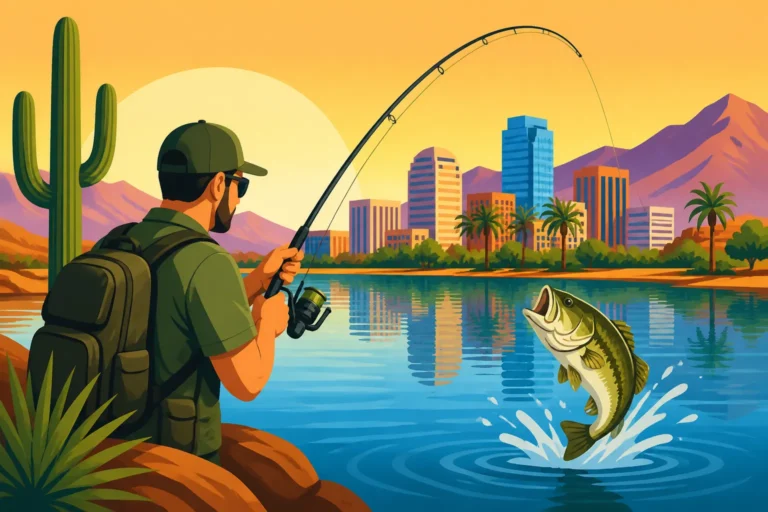
Trying to figure out where you can legally cast a line along the California border on Arizona's mighty Colorado River can feel like deciphering ancient hieroglyphs, especially with two states' regulations potentially in play. It's a common headache for anglers, whether you're a seasoned local or an out-of-state visitor hoping to experience some legendary river fishing. This guide aims to untangle those complexities, highlighting the best spots, what you can expect to catch, and how to make sure your fishing adventure on the Arizona side of the Colorado River, right near California, is both successful and fully compliant with all the rules.
Navigating the Unique Border Waters of the Colorado River
Fishing the Colorado River where Arizona meets California is an incredible experience, but it comes with a few extra considerations. It's not as simple as just showing up with your rod and reel. The river acts as a natural boundary, and that means you're dealing with regulations from two different states, which can sometimes be reciprocal, and sometimes not. Getting this right from the start is crucial for a stress-free trip.
Understanding Reciprocal Agreements and Licenses
One of the biggest questions I hear from fellow anglers is about licenses. "Do I need an Arizona license, a California license, or both?" The good news is that for specific stretches of the Colorado River that form the border between Arizona and California, there are reciprocal agreements in place. This means that with a valid Arizona fishing license, you can fish from either the Arizona or California shore, or from a boat on the river, within these designated boundary waters. The same generally applies if you have a California license. However, there are nuances that can trip you up.
For instance, an Arizona license typically covers you on the Arizona side of the river and while you're on the water that constitutes the border. If you step onto the California bank or launch your boat from a California ramp and fish exclusively in California waters outside the designated reciprocal zones, you generally need a California license. It's truly a dance between state lines! It's always best to check the latest Arizona fishing regulations explained to be absolutely sure, as these agreements can have specific geographic limits and species rules. For a detailed breakdown of different permits, you might want to look into the various types offered in the Arizona Fishing License Guide. If you're coming from out of state, understanding the Out-of-State Angler Rules in Arizona will be key to ensuring you have the correct documentation before you even wet a line. Always confirm these details with the Arizona Game and Fish Department (AZGFD) or the California Department of Fish and Wildlife (CDFW) directly before your trip, especially since regulations can change.
Key Fishing Zones and Access Points Near the Border
The Arizona-California border stretch of the Colorado River isn't just one long, continuous fishing ground. It's segmented into various zones, each with its own characteristics, access points, and popular species. From bustling lake communities to more remote riverine environments, there’s a spot for every type of angler.
One of the most well-known and heavily fished areas is around Lake Havasu City. This vibrant community on the Arizona side provides ample access to Lake Havasu, a prime spot for bass and striper. Further south, the Parker Strip offers diverse fishing, from calm backwaters to faster currents, attracting anglers seeking everything from trout to catfish. Access here is abundant, with numerous public ramps and shoreline opportunities. As you head even further south towards Yuma, the river changes character again, becoming wider and often slower, perfect for targeting catfish and carp. The Yuma area boasts multiple parks and designated fishing spots, making it accessible for both boat and bank anglers. Knowing these distinct zones helps you tailor your trip and ensures you're heading to the right place for your target species and preferred fishing style.
Top Fishing Spots Near the California Border
When you're looking at the Colorado River near the California border, you're spoiled for choice. From vast reservoirs to intimate river stretches, each area offers something unique for the eager angler. Let's dive into some of the most popular and productive fishing spots.
Lake Havasu and the Parker Strip
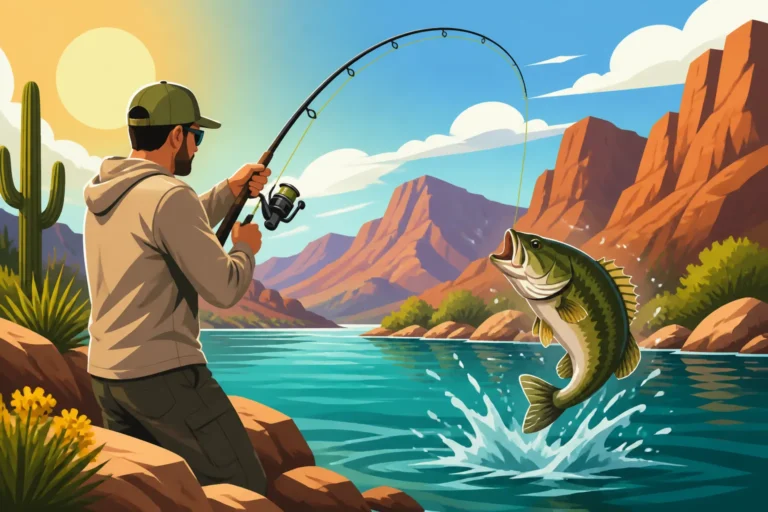
Lake Havasu is undoubtedly a crown jewel of the Lower Colorado River, famous for its crystal-clear waters, impressive rock formations, and, of course, its incredible fishing. Nestled between Arizona and California, it's a massive reservoir created by Parker Dam. The lake itself is a mecca for largemouth bass and smallmouth bass, often producing trophy-sized fish. Anglers frequently target these bass around submerged structures, rocky points, and weed beds. The clear water means finesse techniques often shine, but topwater action can be explosive during low-light conditions. Beyond bass, Lake Havasu is renowned for its burgeoning striped bass population. These hard-fighting fish can be found schooling in open water, often ambushing baitfish. Trolling with spoons or swimbaits is a popular method, as is casting to "boils" when stripers are actively feeding on the surface.
The Parker Strip, a scenic 16-mile stretch of the Colorado River immediately downstream from Parker Dam, offers a slightly different fishing experience. Here, the river is narrower and flows more consistently, making it ideal for targeting a diverse array of species. You'll still find plenty of largemouth and smallmouth bass, particularly around riprap and submerged brush. But the cooler, moving water also sustains a decent population of rainbow trout, especially during the cooler months when they are stocked. Catfish, including channel and flathead, are also abundant, making the Parker Strip a versatile spot for anglers of all preferences. Bank access is plentiful along both sides, with numerous resorts, campgrounds, and public parks offering convenient spots to cast a line. For a more general overview of fishing opportunities, you can explore a comprehensive Colorado River Fishing Guide in Arizona.
Yuma Area and Below Laguna Dam
Further south, near the city of Yuma, the Colorado River takes on a different personality. This section is generally wider, slower, and often warmer, making it prime habitat for catfish and carp. The area just below Laguna Dam is particularly popular. This dam, one of the oldest on the Colorado, creates turbulent water and eddies that attract various fish species, especially flathead and channel catfish. Anglers here often use cut bait, stink baits, or live bait fished on the bottom to target these whiskered fighters. Night fishing for catfish is exceptionally productive in this area, especially during the warmer months when they become more active.
Beyond the main river channel, the Yuma area is crisscrossed with numerous canals and agricultural drains that feed into the Colorado. These smaller waterways can be hidden gems, offering excellent fishing for tilapia, carp, and even some impressive largemouth bass, especially in areas with vegetation or structure. Access can be a bit more challenging in some of these canals, often requiring a bit of exploration to find the best spots. But for those willing to venture off the beaten path, the rewards can be substantial. The city of Yuma itself offers several community ponds and parks, like West Wetlands Park, that provide easily accessible fishing opportunities, often stocked with catfish and rainbow trout depending on the season. If you're looking for more local insights, check out Best Fishing Spots Near Yuma.
The Lower Colorado River from Blythe to Ehrenberg
Between the vibrant communities of Parker and Yuma lies a stretch of the Lower Colorado River that’s often overlooked but incredibly productive: the area from Blythe (on the California side) to Ehrenberg (on the Arizona side). This section features a mix of broad river channels, tranquil backwaters, and oxbow lakes, offering a more serene and less crowded fishing experience.
This part of the river is a haven for largemouth bass, especially in the quieter backwater sloughs and coves where lily pads, submerged timber, and reeds provide ample cover. Flipping and pitching jigs or soft plastics into these dense areas can be highly effective. Flathead catfish are also a dominant species here, growing to impressive sizes. Targeting them with large live baits like sunfish or carp in deeper holes or near submerged logs is a common and successful strategy. You'll also find healthy populations of channel catfish, bluegill, and redear sunfish, offering consistent action for anglers using lighter tackle or targeting panfish for bait.
Access points in this stretch include various public boat ramps and campgrounds on both sides of the river, such as the Ehrenberg Sandbowl Recreation Area in Arizona or the Palo Verde Lagoon area in California. While not as developed as Lake Havasu or Parker, these areas provide excellent opportunities for both boat and bank fishing, perfect for those seeking a more rustic and intimate connection with the river. When considering a trip, especially if you're looking to book a guided experience, platforms like FishingBooker can connect you with local guides who specialize in these less-traveled, highly productive river sections, offering insights you might not find otherwise.
Targeted Species and Techniques for Border Waters
The diverse environments of the Colorado River near the California border mean you'll find a wide variety of fish species, each requiring its own approach. Understanding what bites where and how to entice them is key to a successful outing.
Bass Fishing Strategies
The Colorado River system, particularly the border waters, is a bass angler's paradise, offering three distinct species: largemouth, smallmouth, and striped bass. Each prefers different habitats and responds to different techniques.
Largemouth Bass: These are often found in the calmer, weedier backwaters, oxbows, and coves of Lake Havasu, the Parker Strip, and the lower river sections near Blythe and Ehrenberg. They love cover – think submerged brush, docks, cattails, and rocky points. Popular techniques include flipping and pitching jigs, Texas-rigged soft plastics (worms, creature baits), and spinnerbaits in stained water. Topwater lures like poppers, frogs, and walking baits can be incredibly exciting during early mornings and late evenings, especially around lily pads. Crankbaits are also effective for covering water and targeting submerged structure.
Smallmouth Bass: These feisty fighters prefer rocky areas, current, and clear water, making them abundant in the main channel of Lake Havasu and parts of the Parker Strip. Look for them around riprap, rocky ledges, and current breaks. Drop shot rigs with small plastic worms or tubes, Ned rigs, and small crankbaits that mimic crawfish are highly effective. When the current is strong, a Carolina rig can also be a great way to present bait near the bottom. Smallmouths are aggressive and will often strike repeatedly.
Striped Bass: Known for their schooling behavior and powerful runs, stripers are a major draw in Lake Havasu and parts of the main river. They chase baitfish (like threadfin shad) relentlessly, often creating surface "boils." When you see a boil, cast topwater lures, spoons, or swimbaits into the frenzy. Trolling with deep-diving crankbaits or large swimbaits is also a very popular and effective method for locating schools in open water. Live bait, particularly anchovies or shad, can also be deadly when fished on a paternoster rig or under a bobber. For more detailed strategies, check out Best Bass Fishing Techniques for Arizona Lakes.
Catfish and Panfish Opportunities
While bass often steal the spotlight, the Colorado River's border waters also offer fantastic fishing for catfish and various panfish, providing consistent action and delicious table fare.
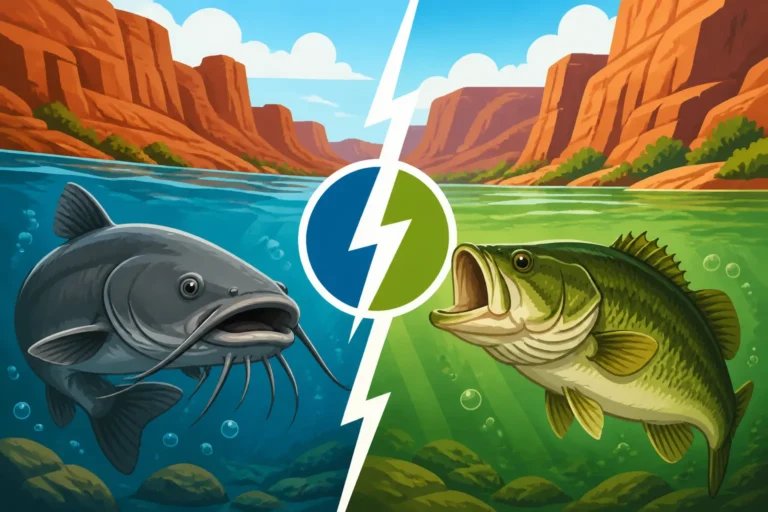
Catfish: The river is home to abundant channel catfish and impressive flathead catfish. Channel cats are widespread and can be caught almost anywhere, particularly in slower currents, deeper holes, and near structure. They respond well to a variety of baits, including stink baits, cut bait (like shad or hot dogs), and prepared baits. A simple bottom rig with a weight and a hook is often all you need. Flatheads, on the other hand, are apex predators that prefer live bait. Large sunfish, carp, or even small bass are excellent choices, fished on stout tackle in deep holes, near submerged timber, or below dams like Laguna Dam. Night fishing is prime time for both species, especially in the warmer months. When thinking about what to bring for bait, remember to consult Best Bait for Catfish in Arizona for local recommendations.
Panfish (Bluegill, Redear Sunfish, Tilapia): These smaller, but no less fun, species offer great opportunities for anglers of all ages and skill levels. Bluegill and redear sunfish are plentiful in most backwaters, coves, and slower-moving sections of the river, especially around aquatic vegetation, docks, and submerged brush. They are eager biters and can be caught with small hooks baited with worms, crickets, or mealworms fished under a bobber. Light spinning tackle or even a cane pole is perfect for panfish. Tilapia, an introduced species, can also be found in many of the warmer, slower sections of the river and canals near Yuma. They often respond to corn, small bits of bread, or even tiny jigs. Catching a cooler full of panfish can make for a delightful meal.
Essential Gear and Safety for River Fishing
Before you head out to these exciting border waters, it's vital to be prepared with the right gear and knowledge of safety practices. The Arizona desert climate and the river environment present unique challenges.
Your fishing gear checklist for desert lakes will serve as a great starting point, but consider specific additions for river fishing. For bass, a medium-heavy rod with a baitcasting reel is versatile for flipping and pitching, while a medium-light spinning rod is excellent for finesse techniques and smallmouth. For catfish, a heavy-action rod and a sturdy baitcasting reel spooled with strong braided or monofilament line are essential. Always carry a variety of hooks, sinkers, and swivels to adapt to changing conditions.
Beyond fishing tackle, sun protection is paramount. The Arizona sun is intense year-round. Wide-brimmed hats, polarized sunglasses, long-sleeved UPF-rated shirts, and plenty of high SPF sunscreen are non-negotiable. Hydration is also critical; carry more water than you think you'll need, especially during summer. A good cooler stocked with ice and water is a must. If boating, ensure you have all required safety equipment, including life jackets (PFDs) for everyone on board, a throw cushion, a whistle or horn, and navigation lights if you'll be out after dark. River currents can be deceptively strong, so always be aware of your surroundings, especially if wading. Let someone know your float plan or where you intend to fish, and when you expect to return. Local guides, easily found through services like FishingBooker, can also provide invaluable safety advice tailored to current conditions, making your trip much safer and more enjoyable.
Planning Your Trip and Staying Legal
A successful fishing trip on the Colorado River's border waters isn't just about knowing where the fish are; it's also about thorough planning and ensuring you're compliant with all regulations. Nobody wants a fishing trip to end with a hefty fine or a revoked license.
Checking Current Regulations and Water Conditions
This is perhaps the most critical step. Regulations for fishing, especially in border waters, can be dynamic. Bag limits, size restrictions, season dates, and even bait restrictions can vary by species and specific stretches of the river. What applies to Lake Havasu might be different downstream near Yuma. Always make it a habit to check the most current regulations before each trip. The Arizona Game and Fish Department (AZGFD) website is your primary resource for Arizona-specific rules, while the California Department of Fish and Wildlife (CDFW) handles the California side. Both departments usually publish annual fishing regulations booklets, which are available online and at many license vendors. Paying close attention to specific sections like Arizona Fishing Regulations Explained will help you avoid common pitfalls.
Beyond regulations, monitoring water conditions is equally important. River flows can change, impacting water clarity, temperature, and fish behavior. High flows from upstream dams or recent rainfall can muddy the water and alter fishing spots. Conversely, low water levels can expose new hazards or make certain areas inaccessible. Websites like the Bureau of Reclamation often provide real-time data on river flows and reservoir levels, which can be invaluable for planning. Weather forecasts, especially during monsoon season, should also be on your radar. A sudden storm can quickly turn a calm day into a dangerous one on the water.
Guided Trips and Local Expertise
For many anglers, especially those new to the Colorado River or specifically the border waters, hiring a local fishing guide can be an absolute game-changer. Guides spend countless hours on the water, intimately knowing the best spots, the current patterns, and the most effective techniques for the time of year. They can put you on fish faster, teach you valuable skills, and ensure you're fishing legally within the complex border regulations.
A guided trip is an investment in your experience. A good guide will provide all the necessary gear, bait, and often even clean your catch. They're also a fantastic source of local lore and conservation insights. If you're considering a guided trip on the Colorado River, especially near Lake Havasu or Parker, platforms like FishingBooker are excellent resources. You can browse local guides, read reviews, compare prices, and book directly. Many guides specialize in specific species, so you can find someone who truly excels at putting clients on trophy bass, hard-fighting stripers, or giant flathead catfish. Hiring a guide is particularly beneficial when exploring complex areas like the Arizona-California border, as they understand the nuances of the reciprocal license agreements and will ensure you stay within legal fishing zones. It's often the quickest way to unlock the full potential of fishing in this unique and abundant waterway. When planning for a truly memorable experience, exploring options for Guided Fishing Trips on the Colorado River can be a great first step.
Comparative Look at Border Fishing Zones
To help you visualize the differences between the prime fishing areas along the Arizona-California border, here's a quick comparison:
| Fishing Zone | Primary Location | Target Species | Typical Conditions | License Considerations | Recommended Tackle |
|---|---|---|---|---|---|
| Lake Havasu | Lake Havasu City (AZ/CA) | Largemouth Bass, Smallmouth Bass, Striped Bass | Clear, deep, rocky, open water | AZ or CA (reciprocal in border waters) | Med-Heavy Bass Rods, Trolling Gear |
| Parker Strip | Parker (AZ/CA) | Bass (all), Catfish, Rainbow Trout (seasonal) | Moderate current, mixed cover | AZ or CA (reciprocal in border waters) | Med Spinning & Baitcasting |
| Blythe to Ehrenberg | Blythe (CA), Ehrenberg (AZ) | Largemouth Bass, Flathead Catfish, Panfish | Slower current, backwaters, cover | AZ or CA (reciprocal in border waters) | Heavy Catfish Rods, Finesse Bass |
| Yuma Area (below Laguna Dam) | Yuma (AZ/CA) | Catfish (Channel, Flathead), Tilapia, Carp | Slow current, muddy, deep holes | AZ or CA (reciprocal in border waters) | Heavy Bottom Rigs, Live Bait |
This table provides a snapshot, but remember that specific conditions and species availability can vary throughout the year. The beauty of these border waters is their diversity, offering something for every angler at almost any time.
Disclaimer
Please remember that fishing regulations, water conditions, and local access can change without notice. Always consult the official websites of the Arizona Game and Fish Department (AZGFD) and the California Department of Fish and Wildlife (CDFW) for the most current information before planning any fishing trip. This guide is for informational purposes only and should not be considered a substitute for official regulations.