Best Fishing Spots Near Yuma
Trying to find those prime fishing spots near Yuma, Arizona, can feel like searching for an oasis in the desert. While the surrounding landscape might seem arid, the lifeblood of the mighty Colorado River, combined with several impressive reservoirs and community ponds, offers a surprisingly diverse and rewarding angling experience. This comprehensive guide will navigate you through the best fishing locations in and around Yuma, detailing what you can expect, what species to target, and the best ways to tackle these unique desert waters.
The Mighty Colorado River: Yuma's Lifeline for Anglers
The Colorado River is, without a doubt, the heart of fishing opportunities in the Yuma area. This isn't just a narrow stream; it's a significant waterway that supports a fantastic variety of fish species, from hard-fighting bass to massive catfish. The river's character changes as it flows, offering different experiences depending on where you cast your line.
Laguna Dam and Imperial Dam: Prime River Fishing
When you think of accessible, productive river fishing near Yuma, the areas around Laguna Dam and Imperial Dam immediately come to mind. These structures create impoundments that slow the river's flow, allowing for a build-up of baitfish and creating ideal habitat for larger predators. The backwaters and eddies around these dams are hotspots, especially during cooler months when fish might be less active in faster currents. You'll find plenty of public access here, whether you're bank fishing or launching a small boat or kayak.
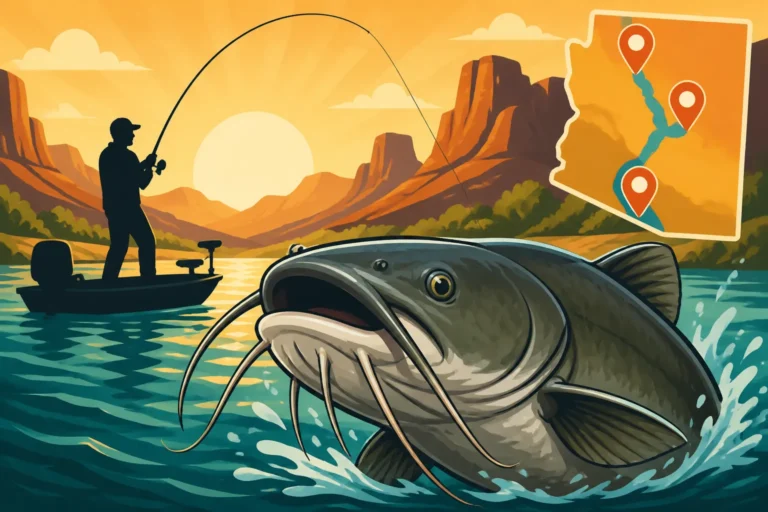
Anglers frequently target largemouth bass, channel catfish, and flathead catfish in these stretches. Bass tend to hold around submerged vegetation, rocky points, and current breaks, eager to ambush passing prey. Using Texas-rigged plastic worms, jigs, or crankbaits that mimic shad can be highly effective. For catfish, especially the larger flatheads, fresh cut bait or live bluegill fished on the bottom works wonders. Remember that the current can be strong in some areas, so heavier sinkers might be necessary to keep your bait in the strike zone. The stretch of river below Imperial Dam, often referred to as the "Imperial Division," is particularly renowned for its excellent catfishing.
Martinez Lake and Mittry Lake: Backwater Havens
Just north of Yuma, you'll find Martinez Lake and Mittry Lake, which are essentially large backwater lakes connected to the Colorado River. These areas offer a completely different vibe than the main river channel. They are generally calmer, shallower, and packed with dense stands of reeds, cattails, and submerged timber, making them prime habitat for an array of warm-water species. These are fantastic spots for those who enjoy exploring by kayak or small jon boat, slipping into quiet coves that are inaccessible to larger vessels.
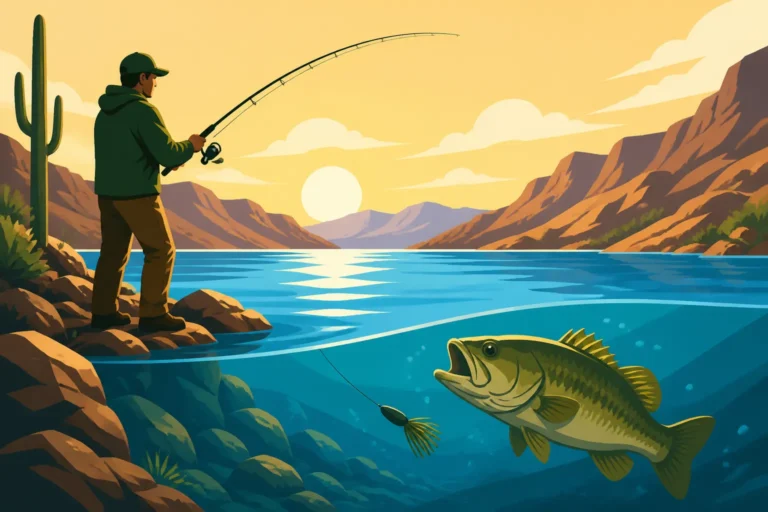
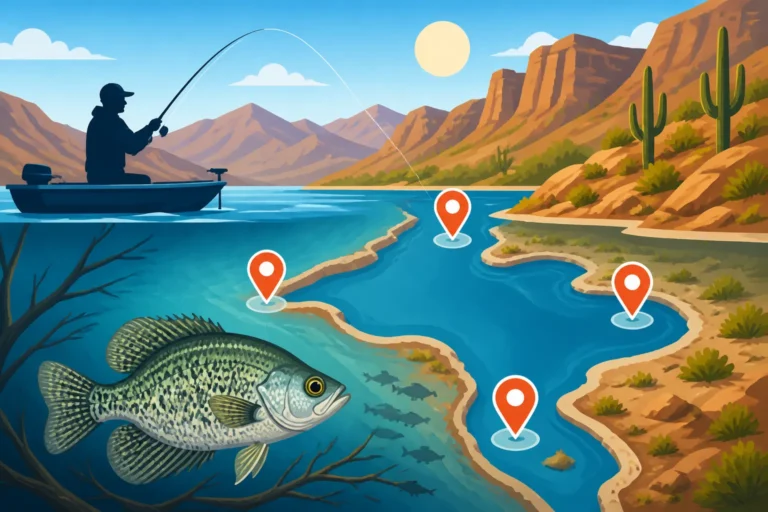
Martinez Lake, in particular, is a legendary spot for largemouth bass fishing. The shallow, weedy environment provides perfect cover for bass, which grow to impressive sizes here. Topwater lures fished early in the morning or late in the evening can be explosive, as bass will aggressively strike anything moving across the surface amidst the thick cover. Spinnerbaits, frogs, and weedless jigs are also go-to choices. Beyond bass, these lakes are teeming with crappie, bluegill, and various catfish species. Crappie often school around brush piles and submerged trees, making them a fun target with small jigs or live minnows. When planning your trip, consider reaching out to local guides through platforms like FishingBooker, as their expertise can be invaluable for navigating these unique backwaters and finding the hottest bites.
Border Waters: Fishing the Arizona-California Line
The Colorado River forms the natural boundary between Arizona and California, and in the Yuma area, this means you often have access to fishing on both sides. This brings up an important point: understanding the specific licensing requirements. While an Arizona fishing license will cover the Arizona side, if you cross into California waters – even inadvertently while drifting – you'll need a California license as well. Many anglers opt for a Colorado River Special Use Validation or a non-resident California license if they plan to fish extensively in this border region.
The fishing along these border stretches can be incredibly productive. Below Imperial Dam, the river widens and meanders, offering numerous coves and sandbars that are perfect for bank fishing or launching kayaks. This section is known for its excellent catfish, particularly robust channel cats, but also offers good opportunities for bass. The slow-moving sections are great for soaking baits, while the main channel can be trolled for various species. Always consult the latest Arizona Fishing Regulations Explained and California regulations to ensure you're compliant, as rules can vary regarding bag limits and specific gear.
Desert Reservoir Gems Beyond the Immediate River
While the Colorado River dominates the Yuma landscape, a short drive can open up access to some of Arizona's premier desert reservoirs, offering different fishing challenges and rewards. These lakes, often carved out of rugged desert canyons, provide stunning backdrops for your angling adventures and hold some truly trophy-sized fish.
Alamo Lake State Park: Bass and Catfish Paradise
Roughly two hours northeast of Yuma, Alamo Lake State Park is a destination that every serious Arizona angler should experience. This vast reservoir, formed by the Big Sandy River, is consistently ranked among the best bass fishing lakes in Arizona. The lake's fluctuating water levels and abundant submerged brush, trees, and rock structure create an ideal environment for largemouth bass to thrive and grow exceptionally large. Many anglers consider it a pilgrimage for trophy bass.
Spring and fall are particularly productive seasons for bass at Alamo Lake. During the spawn in spring, bass move into shallower coves, making them accessible to both boat and bank anglers. Plastic worms, jigs, and spinnerbaits worked slowly through the cover are highly effective. In the summer, as the water heats up, bass retreat to deeper, cooler waters, often congregating around submerged timber and creek channels, making techniques like deep cranking and drop-shotting crucial. Beyond bass, Alamo Lake is also renowned for its phenomenal catfishing, particularly channel catfish and flathead catfish. Night fishing for catfish with cut bait or stink bait can yield incredible results, with many anglers reporting catches of multiple large fish in a single outing. It's truly one of the Best Catfish Fishing Spots in Arizona.
Lake Havasu: A Little Further, A Lot of Opportunity
A bit further north, about two and a half to three hours from Yuma, lies Lake Havasu, an iconic Arizona lake famous for its clear waters, beautiful scenery, and world-class fishing. While it's a longer drive than Alamo, Lake Havasu offers a unique fishing experience, particularly for smallmouth bass and striped bass. Its rocky coves, ledges, and offshore structures are perfect smallmouth habitat, contrasting with the brushy habitat found in many other desert lakes.
Smallmouth bass fishing at Lake Havasu is fantastic year-round, with spring and fall being peak times. Targeting rocky points, drop-offs, and submerged humps with jigs, tubes, and drop-shot rigs will often produce bites. The clear water here means stealth and subtle presentations are often key. Lake Havasu is also one of the prime locations for striped bass. These hard-fighting fish can be found throughout the lake, often schooling in open water chasing shad. Trolling deep-diving crankbaits or casting swimbaits when boils occur can lead to exhilarating action. If you're keen on a guided trip to maximize your chances, a quick search on FishingBooker can connect you with experienced Lake Havasu guides who know the lake inside and out. For a comprehensive guide to this incredible fishery, check out our Lake Havasu Arizona Fishing Guide.
Local Ponds and Community Fishing in Yuma
Not everyone has the time or equipment for a full-blown reservoir trip, and that's perfectly okay! Yuma also offers accessible, family-friendly fishing opportunities right within the city limits through its involvement in the Arizona Game and Fish Department's Community Fishing Program. These urban lakes are regularly stocked, providing easy access to angling fun for residents and visitors alike.
Yuma's Community Pond Locations
The Arizona Game and Fish Department (AZGFD) partners with cities like Yuma to maintain and stock community fishing waters, making fishing accessible to a wider audience, especially beginners and families with kids. These ponds are typically located in local parks, offering amenities like restrooms, picnic areas, and paved pathways, which make them very convenient. For Yuma, the primary community fishing location is Centennial Beach on the Colorado River, part of the West Wetlands Park complex. While technically part of the river, it's managed to provide a community fishing experience with relatively calm waters and good access.
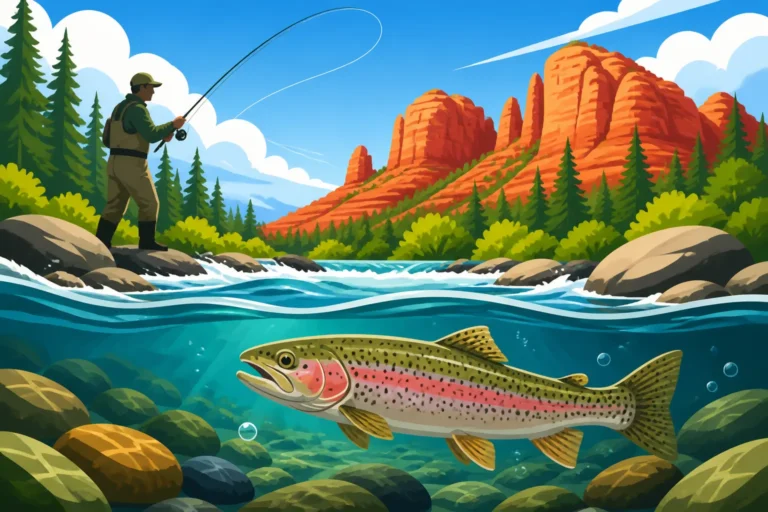
At Centennial Beach, anglers can expect to catch a variety of species depending on the stocking schedule. During the cooler months (fall through spring), AZGFD regularly stocks rainbow trout, providing excellent action for those using power bait, worms, or small spinners. As temperatures warm up, species like channel catfish, largemouth bass, and various sunfish become the primary targets. Catfish are often caught on stink baits or cut bait, while bass will hit jigs, plastic worms, and small crankbaits. Sunfish are abundant and eager biters, making them perfect for young anglers using small hooks with bits of worm or corn. Finding Community Pond Locations in Yuma is usually as simple as checking the AZGFD website or local park signage.
Urban Fishing Program Stocking
The success of the Community Fishing Program hinges on consistent stocking schedules, which bring fresh fish into these urban waters. The Arizona Game and Fish Department carefully plans these stockings to ensure there are always fish available for anglers, especially during peak seasons. For Yuma's Centennial Beach, this means regular deliveries of rainbow trout in the fall, winter, and spring, when water temperatures are suitable for trout survival. Once the heat of summer sets in, the focus shifts to warmer-water species like catfish and sometimes bass, which can tolerate higher water temperatures.
Keeping an eye on the AZGFD's stocking schedule is a game-changer for maximizing your success at these community ponds. They typically post weekly or bi-weekly updates on their website, letting you know exactly when and where fish have been released. Arriving shortly after a stocking can lead to some incredibly fast-paced action, as the newly introduced fish are often eager to bite. This program is designed to create easy and enjoyable fishing experiences, fostering a love for the outdoors in people of all ages. Remember, even on these urban waters, an Arizona fishing license is still required for anglers 10 years and older.
Essential Gear and Techniques for Yuma Fishing
Fishing in the Yuma area presents a unique set of challenges and opportunities, largely dictated by the desert environment and the specific characteristics of the Colorado River and its surrounding lakes. Having the right gear and understanding effective techniques will significantly boost your success and comfort on the water.
Tackle Considerations for River and Lake Species
The diversity of fish species and fishing environments around Yuma means a versatile tackle setup is beneficial. For general purpose angling, especially if you're targeting bass, a medium-heavy spinning or baitcasting rod (6'6" to 7'6") paired with a matching reel spooled with 10-15 lb fluorocarbon or braided line is a great starting point. This setup can handle everything from finesse techniques for wary bass to pulling respectable catfish out of submerged brush. For those really targeting big flathead catfish in the river, bumping up to a heavy action rod with 20-30 lb mono or braided line is a must, as these fish are incredibly powerful.
When it comes to lures and baits, variety is key. For largemouth bass, especially in lakes like Martinez or Alamo, have a selection of plastic worms (darker colors for stained water, natural colors for clear), jigs (skirted and weedless), spinnerbaits, and topwater frogs or poppers. Crankbaits that dive to different depths are also essential for covering water. For smallmouth bass in rocky areas like Lake Havasu, stick with jigs, tubes, and drop-shot rigs in natural crawfish or shad patterns. Catfish anglers should always have plenty of cut bait (such as shad or tilapia), chicken livers, or commercial stink baits on hand. Live bluegill can be extremely effective for large flatheads. For trout, when they are stocked in community ponds, power bait, salmon eggs, or small inline spinners are typically all you need. Don't forget basic terminal tackle like hooks (various sizes, including circle hooks for catfish), sinkers, bobbers, and a good pair of pliers or a hook remover. A comprehensive selection of Best Baits and Lures for Arizona Fishing can make a huge difference.
Beating the Heat and Monsoon Season Tactics
Arizona's desert climate means heat is a significant factor for much of the year, particularly from late spring through early fall. Fishing during these periods requires strategic planning and a strong focus on safety. The best times to fish during hot weather are typically dawn, dusk, and even into the night. Fish, much like people, become less active during the hottest parts of the day and seek deeper, cooler water. Early mornings can offer fantastic topwater action for bass before the sun gets too high, while night fishing is prime for catfish and often productive for bass and stripers in deeper lakes.
Hydration is paramount. Always bring more water than you think you'll need, along with electrolyte drinks. Wear light-colored, long-sleeved clothing with UPF protection, a wide-brimmed hat, and polarized sunglasses. Sunscreen is non-negotiable. During monsoon season (typically July to September), brief but intense thunderstorms can roll through, bringing heavy rain, lightning, and strong winds. While these storms can sometimes trigger a bite due to changes in barometric pressure and cooler water, safety is always first. If you see dark clouds building or hear thunder, it's time to get off the water. Post-monsoon, the influx of fresh, cooler water and new food sources can sometimes lead to an incredible bite, but muddy water might require brighter lures or baits with strong scent.
Regulations, Licenses, and Responsible Angling
Before you even cast a line in the Yuma area, or anywhere in Arizona for that matter, it's crucial to understand and adhere to the state's fishing regulations. These rules are in place to conserve fish populations, protect aquatic habitats, and ensure fair and sustainable fishing for everyone. Ignoring them can lead to hefty fines and loss of privileges.
Arizona Fishing License Requirements
The most fundamental requirement for any angler aged 10 and older in Arizona is a valid Arizona fishing license. This applies whether you're a resident or a nonresident, and it's necessary for fishing in any public waters across the state, including the Colorado River and all the lakes and community ponds near Yuma. There are various types of licenses available, from annual passes to shorter-term options like a 1-day or 5-day license, which can be perfect for visitors. You can purchase your license online through the Arizona Game and Fish Department website, at authorized license dealers across the state, or even at some local bait shops. Knowing How to Buy an Arizona Fishing License is the first step in any successful fishing trip.
Residents often qualify for lower license fees, and there are specific exemptions and discounts for certain groups, such as youth under 10 (who don't need a license), active-duty military personnel, and disabled veterans. If you're planning to fish for extended periods or also hunt, consider a combo hunt and fish license, which can be a cost-effective option. It's also worth noting that if you plan to fish the California side of the Colorado River, you'll need a California fishing license or a special Colorado River stamp in addition to your Arizona license, depending on where exactly you're fishing. Always carry your license with you while fishing, either a physical copy or a digital version on your phone, as it can be requested by game and fish officers at any time.
Understanding Bag Limits and Special Regulations
Beyond the general license, every angler needs to be familiar with the specific bag and possession limits for the species they are targeting, as well as any special regulations that apply to particular bodies of water. These limits dictate how many fish of a certain species you can keep per day and how many you can have in your possession. For example, while the statewide bag limit for largemouth bass might be X, a specific lake might have a slot limit or a different daily bag limit to protect its fishery. This is particularly true for trophy bass lakes or sensitive conservation areas. Checking the Fishing Bag and Possession Limits Explained in the current Arizona Fishing Regulations booklet is non-negotiable before each trip.
The Colorado River and its associated lakes, due to their unique ecology and shared borders, often have their own set of rules. For instance, specific stretches might have bait restrictions, size limits for certain fish, or catch-and-release only zones. The Arizona Game and Fish Department publishes a yearly regulations booklet that details all these rules, including special regulations for specific waters and species. You can find this booklet online or pick up a physical copy at license dealers. Always err on the side of caution; if you're unsure about a regulation, it's best to release the fish or seek clarification. Being a responsible angler means not only having a great time but also contributing to the health and sustainability of Arizona's precious fisheries for future generations.
| Fishing Spot | Primary Species Targeted | Best Time of Year | Common Techniques | Notes |
|---|---|---|---|---|
| Colorado River (General) | Largemouth Bass, Catfish, Stripers | Year-round | Bottom fishing, casting jigs/worms, trolling | Current can be strong; watch for border regulations. |
| Laguna/Imperial Dam | Largemouth Bass, Catfish | Cooler months | Cut bait, live bait, Texas-rigged plastics | Good bank access, slower currents. |
| Martinez/Mittry Lake | Largemouth Bass, Crappie, Catfish | Spring/Fall for Bass | Topwater, spinnerbaits, jigs, live minnows | Weedy, shallow backwaters; ideal for kayaks. |
| Alamo Lake State Park | Largemouth Bass, Catfish | Spring/Fall for Bass | Plastic worms, jigs, deep crankbaits, cut bait | Renowned for trophy bass; a bit of a drive but worth it. |
| Lake Havasu | Smallmouth Bass, Striped Bass | Year-round | Jigs, tubes, drop-shot, swimbaits, trolling | Clear, rocky water; excellent smallmouth. |
| Centennial Beach (Yuma) | Trout (winter), Catfish, Bass, Sunfish | Year-round (seasonal stocking) | Power bait, worms, small spinners, cut bait, jigs | Urban community pond; family-friendly, regularly stocked. |
Disclaimer
The information provided in this guide is for general informational purposes only and is subject to change. Fishing regulations, stocking schedules, and lake conditions in Arizona can vary, sometimes without prior notice. Always consult the latest official Arizona Game and Fish Department regulations booklet and local authorities before planning any fishing trip to ensure compliance and safety. This guide does not constitute legal advice.