Best Fishing Spots Near Flagstaff
Oh, the sheer joy of escaping the summer heat in Phoenix or Tucson and heading up to the cool pines of Flagstaff! But let's be real, while the crisp mountain air is a welcome change, finding those truly prime fishing spots amidst all the options can feel like searching for a needle in a haystack. You want to cast a line, not spend half your precious weekend driving around aimlessly or ending up at an overcrowded spot where the fish are as stressed as you are in traffic. This guide is all about cutting through the noise, providing you with the real scoop on the best fishing spots near Flagstaff, what you can expect, and how to make the most of your time on the water.
Embracing the High-Country Angling Experience Near Flagstaff
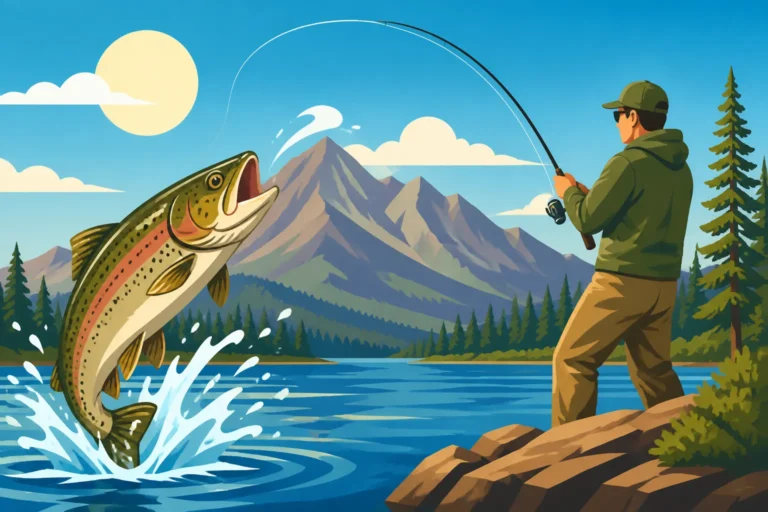
Fishing near Flagstaff isn't quite like casting in the desert lakes down south. Up here, you're looking at higher elevations, cooler waters, and often a distinctly different range of fish species, primarily trout and some colder-water bass and panfish. The landscape itself is a huge part of the experience – towering Ponderosa pines, fresh mountain air, and sometimes even snow-capped peaks in the distance, even into late spring. But this beauty comes with its own set of challenges, from unpredictable weather to varying water levels in some of the smaller lakes. It’s about knowing where to go and when to go to maximize your chances of a successful and enjoyable outing.
Unique Charms and Challenges of Northern Arizona Waters
What makes fishing near Flagstaff so special? For starters, many of these lakes are relatively small, which can mean more accessible shore fishing compared to the massive reservoirs further south. They're often surrounded by national forest land, offering stunning scenic views and a genuine sense of escape. You might even spot elk or deer watering at the edges of the lake in the early mornings or late evenings. The primary draw for many anglers is the opportunity to catch rainbow trout, brook trout, and sometimes even brown trout, which thrive in these cooler environments.
However, these waters aren't without their quirks. Water levels can fluctuate dramatically depending on snowmelt and monsoon rains, making some spots less viable at certain times of the year. Some of the smaller, shallower lakes can also experience winterkill if ice cover is prolonged and oxygen levels drop too low. And, while it's a blessing for scenery, the forest setting can mean tricky access roads after heavy rain or snow, so a high-clearance vehicle might be your best friend. Always check the latest conditions with the Arizona Game and Fish Department (AZGFD) before you head out, especially for remote lakes.
General Tips for Success in Flagstaff's Fishing Grounds
To give yourself the best shot at a great day on the water, consider these tried-and-true tips. First, pack layers – mountain weather can change in an instant, from sunny and warm to chilly and windy. Second, subtle presentations often work best for trout in these clearer waters. Think lighter lines, smaller hooks, and natural baits or lures. Third, if you're targeting trout, especially recently stocked ones, PowerBait, worms, or small spinners like Rooster Tails and Panther Martins are usually solid choices. For fly anglers, nymph patterns, small streamers, and dry flies during hatches can be incredibly effective. Finally, remember that these are popular spots, especially on weekends and holidays. Arriving early can make a huge difference in securing a good fishing spot and enjoying some tranquility before the crowds arrive.
The Lake Mary Complex: Flagstaff's Go-To Fishing Destination
When people talk about fishing near Flagstaff, the Lake Mary complex is usually the first thing that comes to mind, and for good reason. It’s incredibly accessible, just a short drive south of town, and offers two distinct bodies of water: Upper Lake Mary and Lower Lake Mary. While they share a name and general location, they offer quite different angling experiences.
Upper Lake Mary: The Big Fish Playground
Upper Lake Mary is the larger and more consistently full of the two, stretching for about five miles. It’s a true multi-species lake, making it a fantastic destination if you’re hoping for a variety of catches. You’ll find healthy populations of rainbow trout, channel catfish, largemouth bass, and even some northern pike – a species not commonly found in many other Arizona lakes. The depth here can reach over 30 feet in some areas, providing excellent habitat for larger fish.
Boat fishing is incredibly popular on Upper Lake Mary, with several ramps available, including the one at Lake Mary Road and Forest Road 132. Trolling with spoons, crankbaits, or even nightcrawlers behind a dodger is a go-to method for trout and pike. For bass anglers, the submerged timber and rocky points can hold some impressive largemouth, especially in the warmer months. You might have luck with Texas-rigged worms, spinnerbaits, or topwater lures around dawn and dusk. Night fishing is also a favorite for targeting the lake's abundant channel catfish, often yielding some sizable whiskered warriors. If you're planning a trip and prefer a guided experience, services can be found, and sometimes you can even book them through platforms like FishingBooker to ensure you're getting local expertise for those elusive northern pike.
Lower Lake Mary: The Seasonal Gem
Lower Lake Mary is a completely different beast. It’s much shallower and often dries up during periods of drought, which has happened quite a bit in recent years. When it does hold water, usually from a good snowmelt season or heavy monsoons, it becomes a phenomenal fishery, especially for rainbow trout. The AZGFD frequently stocks it when conditions are favorable, making it a hotspot for eager anglers, particularly families and beginners.
Because it's shallower, shore access is generally excellent, and it's a popular spot for simple bait fishing with PowerBait or worms. Small spinners and spoons can also be very effective here for the stocked trout. When water levels are good, you might also find some sunfish and small bass. The downside, of course, is its inconsistent water level. Always check the current status of Lower Lake Mary before planning a trip, as it can go from a thriving fishery to a dusty basin surprisingly quickly. It’s a great example of why checking the latest conditions is crucial for Arizona fishing. For specific details on its stocking schedule or what to expect, a quick search for "Lake Mary Fishing Guide Near Flagstaff, Arizona" would be highly beneficial.
Serene High-Elevation Lakes: Ashurst and Kinnikinick
Venturing a little further east and south from Flagstaff will lead you to some truly picturesque, high-elevation lakes that offer a more secluded and tranquil fishing experience compared to the bustling Lake Mary. These lakes, often nestled in dense pine forests, are primarily known for their trout fishing and provide a perfect escape into nature.
Ashurst Lake: A Family-Friendly Trout Haven
Located about 20 miles southeast of Flagstaff, Ashurst Lake is a popular destination for families and those looking for a peaceful day on the water. It sits at an elevation of around 7,000 feet, which means cool, crisp air and often fantastic trout fishing. The lake is regularly stocked by the AZGFD with rainbow trout, and it also holds populations of brown trout and brook trout. The lake itself is relatively shallow, typically ranging from 10 to 20 feet deep, but its clear waters and surrounding forest make for a beautiful setting.
Ashurst Lake is well-suited for both boat and shore fishing. There are two boat launches, and many anglers enjoy using kayaks, canoes, or small aluminum boats to explore its coves and deeper sections. Trolling with small spoons or spinners is effective for targeting cruising trout, while bait fishing with PowerBait, corn, or worms fished off the bottom is a reliable method from shore. Fly fishing can also be productive, especially during insect hatches in the spring and fall. The lake has campgrounds nearby, making it an ideal spot for a weekend fishing and camping trip. It's truly one of the best spots if you're looking for a relaxing day with a good chance of catching trout, especially during the "Trout Stocking Season in Arizona".
Kinnikinick Lake: The Secluded Brook Trout Gem
Roughly 35 miles southeast of Flagstaff, Kinnikinick Lake offers an even more remote and wilder fishing experience. This lake is less frequently visited due to its slightly longer drive on unpaved roads, but for those willing to make the journey, it often rewards with solitude and excellent fishing for a different species: brook trout. While rainbow trout are also present, Kinnikinick is particularly renowned for its brookies, which are beautiful, brightly colored fish that thrive in its cold, clear waters.
Kinnikinick is a small, relatively deep lake, reaching depths of about 40 feet. Its remote setting means fewer amenities, but more natural beauty. Shore fishing is possible in many areas, but a small boat, kayak, or float tube will allow you to access the best spots, particularly around the deeper drop-offs and submerged structures. For brook trout, small spinners, traditional wet or dry flies, and even tiny jigs tipped with a worm can be incredibly effective. The challenge of reaching Kinnikinick is part of its appeal, offering a genuine wilderness fishing experience. Just be prepared for rougher roads and pack everything you need, as services are few and far between. This lake truly offers a chance to experience the "Rainbow Trout Fishing Guide for Arizona" in a more natural, less urban setting.
Beyond the Mainstream: Exploring Lesser-Known Flagstaff Fisheries
While the Lake Mary complex and the larger high-country lakes get most of the attention, there are a few other excellent fishing opportunities near Flagstaff that are worth exploring. These might be smaller, more susceptible to water level changes, or just a little off the beaten path, but they can offer unique experiences and productive days for anglers looking for something different.
Dogtown Lake: A Quiet Escape with Bass and Trout
Situated about 6 miles south of Williams (which is about a 30-minute drive west of Flagstaff), Dogtown Lake is another lovely high-country option that often flies under the radar. It's managed by the Kaibab National Forest and offers a quieter fishing experience compared to the more popular lakes closer to Flagstaff. Dogtown Lake is regularly stocked with rainbow trout and also boasts a healthy population of largemouth bass, providing diverse angling opportunities.
The lake is small, approximately 50 acres, and features a forested shoreline with several coves and points. There's a single boat ramp, making it suitable for small boats, kayaks, and canoes. Many anglers find success targeting trout from shore using PowerBait or worms, especially near the dam or campground areas. For bass, try casting jigs, plastic worms, or spinnerbaits around any visible structure like submerged logs or weed lines. The lake also has a campground, making it another great choice for a multi-day outdoor adventure. Because it's a bit further out, it tends to be less crowded, particularly on weekdays, offering a more peaceful angling environment. Consider taking a look at a comprehensive "Arizona Fishing License Guide" before you head out, as all these spots require one.
Kaibab Lake: Camping and Fishing Fun
Just a few miles east of Williams, and thus still within a reasonable drive from Flagstaff, is Kaibab Lake. This small, scenic lake is primarily a trout fishery, stocked regularly with rainbow trout, and also contains some largemouth bass, channel catfish, and sunfish. It's a popular spot for families, partly due to the excellent Kaibab Lake Campground managed by the National Forest Service, which provides convenient access to the water.
Kaibab Lake is ideal for leisurely days of fishing from the shore or from small non-motorized boats. The shoreline is generally accessible, and there are designated fishing piers that are great for kids or those with mobility challenges. Bait fishing with traditional trout baits like PowerBait, salmon eggs, or worms is highly effective here. For bass, try targeting the weed edges with soft plastics or small crankbaits. The presence of multiple species means there's usually something biting, making it a rewarding spot for anglers of all skill levels. If you're looking for an all-around pleasant fishing and camping experience with easy access and good trout action, Kaibab Lake is definitely worth considering. It's one of those spots where the whole family can enjoy the outdoors together.
Seasonal Dynamics: Maximizing Your Catch
Understanding the seasonal flow is crucial for fishing in the Flagstaff area. The high-country lakes experience distinct seasons that heavily influence fish behavior and accessibility.
Spring (March-May): This is prime time for trout fishing as snowmelt fills the lakes and stocking efforts begin in earnest. Fish are active closer to shore as water temperatures rise. Bass and pike also become more active as they shake off winter lethargy. Look for the "Best Time of Year to Fish Lake Mary" during this period.
Summer (June-August): While the air temperature is fantastic, the shallower lakes can warm up quickly, pushing trout into deeper, cooler waters if available, or making them less active during the heat of the day. Bass fishing can be excellent early mornings and late evenings. Monsoon season in late summer can bring heavy rains, which might muddy waters but also provide a refreshing cool-down.
Fall (September-November): Many consider fall to be the best time for fishing in Northern Arizona. Water temperatures are ideal for trout, and they become very active, feeding aggressively before winter. Brown trout, in particular, become more vibrant and aggressive during their spawning season. The cooler weather means fewer crowds and stunning fall foliage around the lakes.
Winter (December-February): Ice fishing can be an option on some of these lakes when conditions allow, particularly on Ashurst Lake and Upper Lake Mary. Always exercise extreme caution and check ice thickness before venturing out. Otherwise, fishing is slow, with open water fishing limited to warmer days and deeper presentations.
Essential Gear and Best Practices for Flagstaff Fishing
Just like you wouldn't hike the Grand Canyon without the right boots, you shouldn't head to Flagstaff's lakes without the proper gear. The specific conditions of these mountain fisheries call for a thoughtful approach to tackle, bait, and safety.
Recommended Tackle and Lures for High-Country Waters
For trout, a light to medium-light spinning rod (6-7 feet) paired with a small spinning reel spooled with 4-6 lb monofilament or fluorocarbon line is ideal. This setup allows for sensitive presentations and enjoyable fights with trout. When it comes to bait, the classics are king: PowerBait (in various colors like rainbow, chartreuse, or garlic), worms (nightcrawlers, mealworms), and salmon eggs. For lures, small inline spinners (Rooster Tail, Panther Martin, Mepps) in sizes #0 to #2 are consistently effective, as are small spoons (Kastmaster, Little Cleo) in silver or gold finishes. Fly anglers will want a 4-6 weight fly rod with a floating line, and a selection of nymph patterns (Prince Nymph, Hare's Ear), dry flies (Elk Hair Caddis, Adams), and small streamers (Woolly Bugger) to match the hatch.
For bass and northern pike in Upper Lake Mary, you'll want to step up your gear slightly. A medium-action spinning or baitcasting rod with 8-12 lb line is appropriate. For bass, consider jigs, plastic worms, crankbaits, and spinnerbaits. For pike, larger spoons, swimbaits, and even large crankbaits can entice a strike. Always remember to check the "Best Baits and Lures for Arizona Fishing" for species-specific recommendations.
Safety and Regulations You Can't Afford to Ignore
Safety first, always! Especially in the high country, weather can change rapidly. Always bring extra layers, rain gear, and plenty of water, even if it's just for a day trip. Sun protection is critical at higher altitudes – hats, sunglasses, and sunscreen are non-negotiable. If you're heading out on a boat, even a kayak, ensure you have proper personal flotation devices (PFDs) for everyone on board, and that all your boat's safety gear is up to snuff.
When it comes to regulations, a valid Arizona fishing license is required for anyone 10 years of age and older. You can purchase these online, at various sporting goods stores like Bass Pro Shops or Cabela's, or through authorized license dealers across the state. Always be aware of the specific bag and possession limits for each species, which can vary by lake. For instance, some waters might have special regulations for native fish or slot limits for bass. The Arizona Game and Fish Department publishes a yearly fishing regulations booklet that you can usually find online or at license dealers. Familiarize yourself with these rules to ensure you're fishing legally and sustainably. A great resource is the comprehensive "Arizona Fishing Regulations Explained".
Consider a Guided Trip
If you're new to the area or simply want to maximize your chances of success, especially for targeting trophy fish like northern pike in Upper Lake Mary or learning specific techniques, considering a guided fishing trip can be an excellent investment. Local guides know the waters intimately, understand fish patterns, and can provide all the necessary gear. You can often find reputable guides through local tackle shops or by searching online platforms. Services like FishingBooker can connect you with experienced local guides near Flagstaff who specialize in these high-country lakes, ensuring you get the most out of your fishing adventure. It’s a fantastic way to learn the ropes and discover hidden gems you might otherwise miss.
| Lake Name | Primary Species | Boat Access | Shore Access | Camping Nearby | Best Season | Notes |
|---|---|---|---|---|---|---|
| Upper Lake Mary | Rainbow Trout, Pike, Bass, Catfish | Excellent (Ramps) | Good | Yes | Spring, Fall | Largest lake, diverse fishing |
| Lower Lake Mary | Rainbow Trout | Limited/Seasonal | Excellent | Yes | Spring | Water levels highly variable, check first |
| Ashurst Lake | Rainbow Trout, Brown Trout, Brook Trout | Good (Ramps) | Good | Yes | Spring, Fall | Family-friendly, scenic |
| Kinnikinick Lake | Brook Trout, Rainbow Trout | Small Boats/Kayak | Moderate | Limited (Primitive) | Spring, Fall | More remote, unpaved roads |
| Dogtown Lake | Rainbow Trout, Largemouth Bass | Good (Ramp) | Good | Yes | Spring, Fall | Quieter, west of Flagstaff |
| Kaibab Lake | Rainbow Trout, Bass, Catfish, Sunfish | Small Boats/Kayak | Excellent | Yes | Spring, Fall | Great for families, easy access |
Conclusion: Casting Your Line in Flagstaff's Pristine Waters
Fishing near Flagstaff offers a refreshing and diverse angling experience, a true high-country escape from the desert heat. Whether you're chasing trophy pike in Upper Lake Mary, enjoying a tranquil afternoon catching trout at Ashurst Lake, or seeking the solitude of Kinnikinick, there's a body of water waiting to welcome your line. The key to a successful trip lies in understanding the unique characteristics of each lake, being prepared for mountain weather, and respecting the local regulations.
Don't let the sheer number of options overwhelm you. Start with a plan, check those water conditions, and remember that even a quiet day of casting amidst the Ponderosa pines is a successful day. The serene beauty and the thrill of a tug on your line in Arizona's high country are experiences that keep anglers coming back year after year. So pack your gear, grab your license, and get ready to discover your new favorite fishing spot near Flagstaff! And if you're ever looking for a quick and easy way to find a fishing guide who knows these specific lakes inside and out, remember that platforms like FishingBooker can be a handy tool.
Disclaimer
The information provided in this guide is for general informational purposes only and is subject to change. Always consult the official Arizona Game and Fish Department (AZGFD) regulations and local conditions before planning any fishing trip. Fishing carries inherent risks, and it is the responsibility of each individual to ensure their own safety and comply with all applicable laws and regulations.