Lake Mary Fishing Guide Near Flagstaff, Arizona
There's nothing quite like packing up your gear, heading north, and anticipating a day of peaceful angling in Arizona's cooler climes, only to realize you're not sure which Lake Mary everyone is talking about, or what fish you can even hope to catch. It’s a common mix-up, and honestly, it can be frustrating to plan a trip without clear expectations. This comprehensive guide is designed to clear up all that confusion, offering detailed insights into fishing both Upper and Lower Lake Mary near Flagstaff, what species you'll find, the best times to go, and how to maximize your chances for a successful, memorable outing.
Understanding Lake Mary: The Two Lakes Near Flagstaff
When folks talk about "Lake Mary" in the Flagstaff area, they're actually referring to two distinct bodies of water: Upper Lake Mary and Lower Lake Mary. While they share a name and are connected, they offer very different fishing experiences. It’s crucial to understand these differences before you even think about loading up the car, because what works for one won't necessarily work for the other.
Upper Lake Mary's Charms and Challenges
Upper Lake Mary is the larger, more consistent of the two lakes, stretching out for about five miles. It's truly a gem in the high desert, often holding enough water even through Arizona's drier periods to provide excellent recreational opportunities. This lake is a long, narrow reservoir, fed by Walnut Creek and snowmelt from the surrounding mountains, which keeps its water levels relatively stable. For anglers, this stability is a huge plus, as it means fish habitats aren't constantly changing, and access points generally remain reliable.
However, Upper Lake Mary isn't without its challenges. Because it's a popular spot for powerboating, water skiing, and paddleboarding, especially on weekends, you might find yourself sharing the water. Early mornings or weekdays are often best for a more serene fishing experience. The lake features varied depths, from shallow coves perfect for stalking bass in the spring to deeper channels where trout might suspend during warmer months. Understanding the structure, from submerged brush to rocky ledges, is key to finding where the fish are holding.
Lower Lake Mary's Unique Fluctuations
Lower Lake Mary is a completely different beast. It's situated below Upper Lake Mary and is significantly shallower and much more prone to dramatic water level fluctuations. In years of heavy snowfall and good monsoons, Lower Lake Mary can be a thriving fishery, bursting with life. But in drier years, it can shrink considerably, sometimes even drying up completely. This makes it a less predictable destination for consistent fishing, but also one that offers incredible, albeit sometimes fleeting, opportunities when the conditions are right.
When Lower Lake Mary is full, it spreads out into vast, shallow flats with plenty of aquatic vegetation, providing excellent habitat for warm-water species. The fluctuating nature means that fish populations can boom and bust. For instance, after a few good water years, it can be an exceptional spot for northern pike. However, you'll always want to check current conditions with the Arizona Game and Fish Department (AZGFD) before planning a trip specifically to Lower Lake Mary. Its unique character means that when it’s good, it’s really good, but when it’s low, you might be better off focusing on its bigger sibling upstream.
Key Fish Species to Target at Lake Mary
Both Upper and Lower Lake Mary offer a diverse array of fish species, but the prevalence and size of these fish can vary greatly between the two lakes, and even year-to-year in Lower Mary. Knowing what you're likely to encounter will help you gear up appropriately and set realistic expectations for your day on the water.
Catching Rainbow Trout and Northern Pike
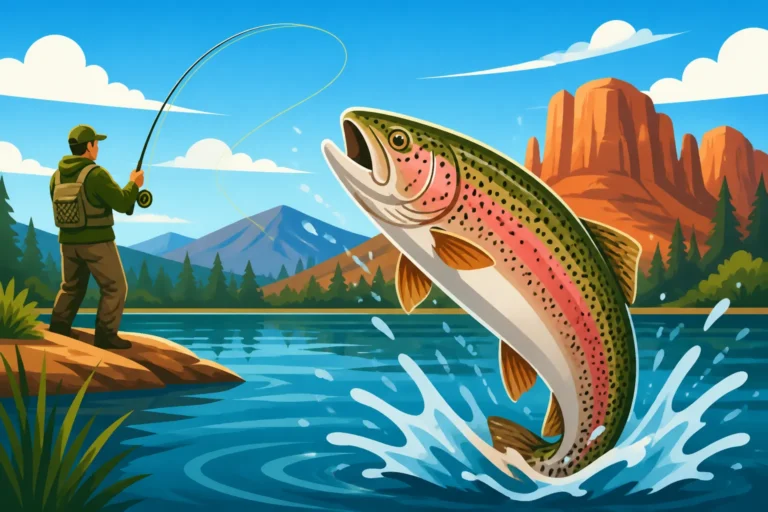
Rainbow trout are a perennial favorite at Upper Lake Mary, primarily thanks to regular stockings by the Arizona Game and Fish Department. These eager biters provide consistent action, especially during the cooler months of spring and fall, and even through milder summer days when they move to deeper, cooler water. You'll often find them cruising the shorelines, especially near drop-offs or points. They're not typically massive trout here, but catching a stringer of 10-14 inchers for dinner is a common and very satisfying experience. For a deeper dive into targeting these beauties, check out our Rainbow Trout Fishing Guide for Arizona.
Northern pike, on the other hand, are the undisputed kings of Lower Lake Mary when water levels permit. These aggressive, toothy predators are a blast to catch and offer a completely different challenge than trout. While they can sometimes be found in Upper Lake Mary, they truly thrive in the shallower, weedy conditions of Lower Mary. When the lake is full, pike can grow to impressive sizes, offering intense fights and making for some fantastic angling stories. Be prepared with heavy leaders and stout tackle if you're specifically targeting these freshwater sharks. Their sheer ferocity is why many anglers flock to Lower Lake Mary when conditions are right, hoping to land a trophy.
Pursuing Channel Catfish and Walleye
Channel catfish are another prominent species found in both lakes, though they tend to be more abundant in Upper Lake Mary. These whiskered bottom-dwellers are known for their strong fights and excellent table fare. Catfish are especially active during the warmer months, making summer evenings and nights prime time for targeting them. They feed primarily by smell, so stink baits, cut bait, or even chicken livers are incredibly effective. Setting up a comfortable camp and fishing into the night can lead to some truly memorable catches.
Walleye, often considered a prized game fish, also call Upper Lake Mary home. They are a bit more elusive than trout or catfish, but their delicious, flaky white meat makes them highly sought after. Walleye are light-sensitive, so the best times to target them are usually at dawn, dusk, or on overcast days. They often hold to submerged structure and drop-offs, making a good fish finder invaluable for locating them. While not as abundant as in some northern states, catching a Lake Mary walleye is definitely a badge of honor for Arizona anglers. They present a rewarding challenge for those willing to put in the time to understand their habits.
Bass and Panfish Opportunities
While Lake Mary isn't primarily known as a trophy bass fishery, both largemouth and smallmouth bass can be found, particularly in Upper Lake Mary. Largemouth tend to prefer the shallower, weedier coves, while smallmouth might be found around rocky points and deeper structure. They offer exciting action, especially in the spring and fall when they are more active. While you might not land a state record, catching a feisty bass on light tackle is always a thrill. For those interested in pursuing their larger cousins in other parts of the state, our Largemouth Bass Fishing Guide for Arizona has plenty of tips.
Panfish, including bluegill and sunfish, are also present and are fantastic for introducing beginners and kids to fishing. They are abundant, eager to bite, and can be caught with very simple tackle – often just a bobber, a small hook, and a piece of worm or corn. These smaller fish provide continuous action, which is perfect for keeping spirits high during a family outing. They often congregate around docks, submerged vegetation, or shaded areas, making them relatively easy to locate and catch, ensuring that even the youngest anglers can experience the joy of reeling in a fish.
Prime Seasons and Best Fishing Times
Understanding the seasonal patterns and daily habits of fish is critical, especially in a dynamic environment like Lake Mary. The high-desert climate near Flagstaff means distinct seasons, each offering unique opportunities and challenges for anglers.
Spring and Fall: Peak Activity
Without a doubt, spring and fall are the golden seasons for fishing at Lake Mary. The water temperatures are ideal during these times, hovering in that sweet spot where most fish species are actively feeding and less lethargic than in the extremes of summer or winter. In spring, as the water warms, fish begin to move into shallower areas, preparing for or undergoing their spawning rituals. This makes them easier to locate and often more aggressive. Trout, in particular, will be very active, and pike in Lower Mary (if full) will be on the prowl. This is also when bass become more accessible, moving up to protect beds.
Fall, similarly, brings cooler temperatures after the summer heat. Fish, sensing the approaching winter, enter a feeding frenzy to fatten up. This "fall bite" can be incredibly productive for nearly all species. Trout are actively feeding on insects and baitfish, while bass and pike aggressively strike at lures. The weather is often pleasant for anglers too, with crisp air and fewer crowds than in the peak summer. These transitional periods offer the best chance for diverse catches and active fishing throughout the day. For general guidance on the year-round picture, take a look at our Arizona Fishing Seasons Explained.
Summer Strategies: Beating the Heat
Summer fishing at Lake Mary can be fantastic, but it requires a strategic approach, especially with Arizona's intense sun. The key is to adapt to the fish's behavior in warmer water. As surface temperatures rise, many species, particularly trout and walleye, will retreat to deeper, cooler sections of the lake. This means you'll need to focus your efforts on fishing drop-offs, submerged structures, and areas with access to deeper water. Early mornings and late evenings, right around dawn and dusk, become the prime bite windows. During these times, fish will often move shallower to feed under the cover of low light or cooler temperatures.
For warm-water species like channel catfish and bass, summer nights can be incredibly productive. Catfish are naturally nocturnal feeders, and bass will often move into the shallows to hunt baitfish after the sun goes down. Night fishing can be a truly unique and rewarding experience at Lake Mary, but always ensure you have proper lighting, safety gear, and are aware of your surroundings. While the midday sun can be brutal, smart anglers can still find great success by adjusting their timing and tactics.
Winter Wonders: Cold-Weather Opportunities
While many assume Arizona fishing shuts down in winter, the reality at Lake Mary is quite different. The higher elevation means temperatures drop, and ice can form on both lakes, especially Lower Mary. However, even without ice, winter can offer unique fishing experiences. For those brave enough to bundle up, the cold months can provide some fantastic fishing for trout and, surprisingly, even larger bass who slow down but still feed. The fish are often concentrated in deeper areas, making them easier to locate with a fish finder.
For dedicated ice anglers, when the ice is thick enough (always verify local conditions and safety with AZGFD), Lake Mary transforms into an ice fishing paradise. Trout and pike are popular targets through the ice, offering a different kind of challenge. Remember that safety is paramount when ice fishing. Always go with a buddy, have proper safety equipment, and check ice thickness regularly. If you're looking for tips on fishing when it's chilly but not frozen, our guide on Cool-Weather Fishing at Lake Mary could be really helpful.
Effective Techniques and Baits for Lake Mary Success
Having the right techniques and baits in your arsenal is just as important as knowing where and when to fish. Lake Mary's diverse fish population means you'll need a range of approaches to maximize your chances of success.
Trolling and Still Fishing Strategies
Trolling is a highly effective technique, especially for covering a lot of water and locating active fish in Upper Lake Mary. This method involves slowly moving a boat while dragging lures or baits behind it. It's particularly productive for catching rainbow trout and walleye, as these fish often suspend at certain depths or cruise open water in search of food. For trout, small spoons, spinners, or even bait like PowerBait trolled behind a dodger or flasher can be deadly. Walleye will often hit crankbaits or worm harnesses trolled near the bottom or along submerged structure. Varying your speed, depth, and lure presentation until you find what the fish are responding to is key.
Still fishing, on the other hand, is a more relaxed, stationary approach that works wonders from shore, docks, or anchored boats. It's incredibly popular for targeting trout, catfish, and panfish. For trout, PowerBait, corn, or worms fished on the bottom with a sliding sinker rig or suspended under a bobber are classic go-to setups. Catfish respond well to stink baits, chicken liver, or cut bait, again, fished on the bottom. For panfish, a tiny hook with a piece of worm, corn, or a small grub under a bobber can provide non-stop action. Still fishing is also perfect for family outings, allowing everyone to relax and enjoy the scenery while waiting for a bite.
Lure and Bait Selection for Different Species
Choosing the right lure or bait can make all the difference. For rainbow trout, the staples like PowerBait (in various colors, especially bright ones like rainbow, chartreuse, or even garlic-scented) and small spoons (Kastmasters, Super Dupers) or spinners (Mepps, Panther Martins) are consistently effective. Trolling a Rapala or similar minnow imitation can also entice larger trout and walleye.
When it comes to northern pike, you need something big and flashy that can withstand their sharp teeth. Large spoons (Daredevils, Five of Diamonds), spinnerbaits with big blades, or swimbaits that imitate baitfish are excellent choices. Using a steel or heavy fluorocarbon leader is non-negotiable to prevent bite-offs. For catfish, the scent is paramount. Prepared stink baits, chicken livers, shrimp, or cut bait from smaller fish are highly attractive. Rig these on a large hook (size 2 to 4/0) on the bottom. Walleye often prefer jigs tipped with a minnow or a soft plastic grub, deep-diving crankbaits, or even nightcrawlers fished on a worm harness.
Fly Fishing and Advanced Techniques
While Lake Mary isn't a traditional fly-fishing destination like some of Arizona's high-country streams, it certainly offers opportunities, especially for trout. When trout are actively feeding on insects near the surface, or if you can locate schools, presenting small nymphs, streamers, or even dry flies can be very productive. The key is to match the hatch or use patterns that mimic prevalent baitfish. This can be a challenging but incredibly rewarding experience for the dedicated fly angler.
Advanced techniques like drop-shotting for bass around submerged structure, or using specialized rigs for walleye, can also pay dividends. Employing a fish finder to locate schools of baitfish or deep-holding predators can dramatically increase your success rate, especially when fish are less active. Local tackle shops in Flagstaff can be an invaluable resource for current hot baits and techniques, as conditions can change rapidly. Don't be afraid to ask for their latest recommendations, or consider hiring a local guide through platforms like FishingBooker for an expert perspective on Lake Mary.
Access, Facilities, and Important Regulations
Getting to Lake Mary and knowing what to expect in terms of facilities and rules is crucial for a smooth and enjoyable fishing trip. Both lakes are part of the Coconino National Forest, which means certain guidelines are in place to protect the environment and ensure everyone has a good time.
Getting There and On the Water
Lake Mary is conveniently located just a short drive south of Flagstaff, Arizona, making it easily accessible for a day trip or a longer stay. Access points for both Upper and Lower Lake Mary are well-marked off Lake Mary Road (FH3). For Upper Lake Mary, there are several paved boat ramps and designated shoreline access points. The Lake Mary Country Store and Marina (sometimes referred to as Flagstaff Marine on Upper Lake Mary) offers boat rentals, supplies, and bait, making it a convenient stop for anglers. This marina is a great resource, especially if you're looking to rent a pontoon or a small fishing boat to get out onto the larger lake.
Lower Lake Mary's access can be a bit more unpredictable due to its fluctuating water levels. When water levels are good, there are primitive launch areas suitable for smaller boats, kayaks, and canoes. However, large motorboats are generally not recommended due to potential shallow hazards. Shoreline access is plentiful around both lakes, with numerous pull-offs and trails leading to promising fishing spots. Always check road conditions, especially after heavy rains or snow, as some unpaved access roads can become challenging. For those who prefer guided experiences, checking with services like FishingBooker can help you find local charters familiar with Lake Mary.
Available Amenities and Camping Options
When it comes to amenities, Upper Lake Mary generally offers more. Besides the marina services, you'll find restrooms, picnic areas, and several campgrounds run by the National Forest Service, such as Pine Grove Campground and Lakeview Campground, right along its shores. These campgrounds provide developed sites with amenities like picnic tables, fire rings, and often potable water, perfect for turning your fishing trip into an overnight adventure. Reservations are often recommended, especially during peak seasons.
Lower Lake Mary is more rustic. While there are some picnic areas, facilities are minimal, reflecting its more wild and less developed character. Dispersed camping (camping outside of designated campgrounds) might be allowed in certain areas around Lower Lake Mary, but always check with the Coconino National Forest office for current regulations and restrictions. Regardless of where you choose to set up, remember to practice Leave No Trace principles, packing out everything you pack in, to preserve the beauty of these lakes for future generations.
Essential Regulations and Permits
Fishing in Arizona requires a valid Arizona Fishing License Guide. This is non-negotiable for anyone aged 10 and older. You can purchase licenses online through the AZGFD website, at authorized dealers (like Walmart, sporting goods stores, or the Lake Mary Country Store), or at AZGFD offices. While Lake Mary itself does not require any additional special permits beyond a state fishing license, it’s always a good idea to familiarize yourself with the statewide Arizona Fishing Regulations Explained booklet.
Pay close attention to bag and possession limits for each species, as these can vary. For instance, northern pike often have generous or no bag limits due to their invasive status in some waters, but trout and walleye will have specific limits. Always consult the most current regulations, which are updated annually. If you're planning to fish from a boat, remember that all watercraft must adhere to Arizona's boating regulations, including having appropriate safety gear like life jackets for all occupants, especially children. Understanding these rules ensures a legal, safe, and enjoyable experience for everyone.
Insider Tips for an Unforgettable Lake Mary Fishing Trip
Beyond the basics of where and what to fish, a few insider tips can truly elevate your Lake Mary experience. These are the kinds of nuggets that seasoned locals often learn through years on the water, and they can make a significant difference in your success and enjoyment.
Monitoring Water Levels and Weather
For Lower Lake Mary especially, monitoring water levels is paramount. Its notoriously fluctuating nature means that a prime fishing spot one year might be a dry basin the next. Before you head out, always check the Arizona Game and Fish Department's online resources or call local bait shops for the most current conditions. If Lower Mary is low, adjust your plans and focus on Upper Lake Mary. Don't waste precious fishing time driving to a dry lakebed!
Weather conditions also play a huge role. Flagstaff's elevation means weather can change rapidly. A sunny morning can quickly turn into an afternoon thunderstorm, especially during the summer monsoon season. Always check the forecast, and be prepared for sudden drops in temperature, wind, and precipitation. Dress in layers, and have rain gear readily accessible. Strong winds can make boating on Upper Lake Mary challenging and even dangerous, so exercise caution and consider staying close to shore or rescheduling if high winds are predicted. Our guide on Cool-Weather Fishing at Lake Mary also touches on preparing for the unpredictable mountain climate.
Leveraging Local Knowledge and Guides
One of the best ways to shorten the learning curve at Lake Mary is to tap into local knowledge. Strike up conversations with other anglers at the boat ramp, bait shops, or campgrounds. Most anglers are happy to share a tip or two about what's biting and where, especially if you're respectful and genuinely interested. The Lake Mary Country Store is an excellent starting point; their staff often have the most up-to-date information on lake conditions and successful tactics.
For those looking for a more intensive learning experience or who want to maximize their chances of catching specific species, consider hiring a local fishing guide. Guides who specialize in Lake Mary know the ins and outs of both lakes, from secret spots to seasonal patterns and the most effective presentations. They provide all the necessary gear and can teach you techniques specific to the local fishery. This can be an invaluable investment, especially if you're new to the area or targeting a challenging species like walleye or trophy pike. Services like FishingBooker can connect you with experienced guides in the Flagstaff area who can tailor a trip to your preferences.
Safety First and Respecting the Environment
Fishing, like any outdoor activity, carries inherent risks. At Lake Mary, some specific safety considerations come into play. Staying hydrated is critical, especially in Arizona's dry climate, even when temperatures are cooler. Always carry plenty of water. If boating, ensure all required safety gear is aboard and in good working order. Tell someone your float plan, especially if you're heading out alone. Be aware of other water users, as Upper Lake Mary can get busy.
Beyond personal safety, respecting the natural environment is paramount. Lake Mary is a beautiful resource, and it's up to all of us to keep it that way. Practice catch and release, especially for larger breeding fish, if you don't intend to eat them, or if local regulations encourage it. Dispose of all trash properly, and never leave fishing line or hooks behind, as they can be hazardous to wildlife. Learn about Native Fish Protection Rules in Arizona to understand how to handle and identify sensitive species. By adhering to regulations and practicing responsible angling, you contribute to the health and sustainability of this wonderful fishery for everyone.
Disclaimer
The information provided in this guide is for general informational purposes only and is subject to change. Fishing regulations, stocking schedules, and lake conditions can vary. Always consult the official Arizona Game and Fish Department website or local authorities for the most current rules, safety guidelines, and conditions before planning your fishing trip to Lake Mary. Fishing involves inherent risks, and personal safety is the responsibility of each individual.