Is Apache Lake Good for Kayak Fishing?
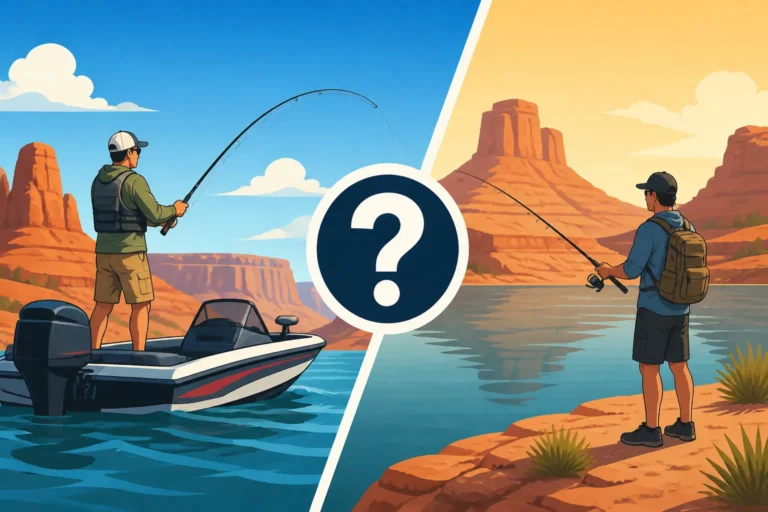
Many Arizona anglers dream of exploring the state's vast, beautiful lakes from the quiet solitude of a kayak, but often wonder if challenging waters like Apache Lake are truly suitable. It's a valid concern; the unpredictable winds and rugged terrain of the desert can make any outing daunting, let alone one on a small craft. This guide will dive deep into whether Apache Lake is a good choice for kayak fishing, exploring both the hurdles and the immense rewards, and equipping you with the knowledge to make your trip safe and successful.
Understanding Apache Lake's Unique Challenges for Kayak Anglers
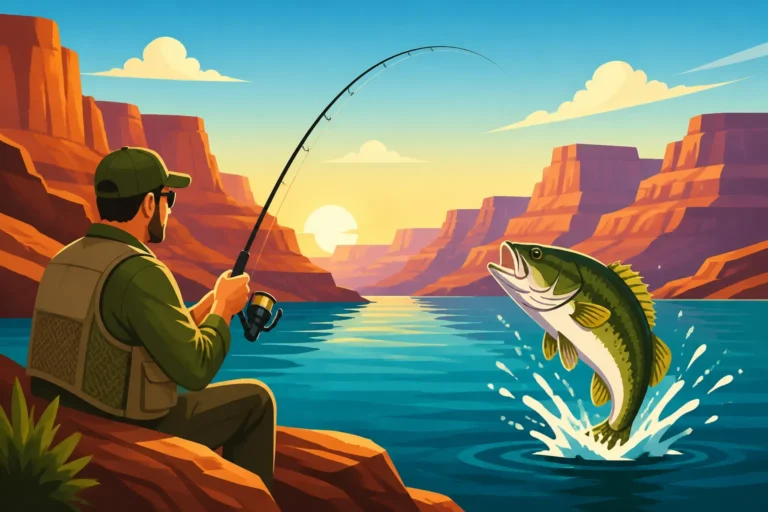
Apache Lake, nestled in the Tonto National Forest, is undeniably stunning with its dramatic canyon walls and clear blue waters. However, its very beauty presents significant challenges for those looking to explore it by kayak. It's not your average calm pond, and understanding these quirks is the first step to a successful trip.
Navigating the Canyon Walls and Exposed Water
One of the most striking features of Apache Lake is its deep, winding canyons. While breathtaking, these geological formations create natural wind tunnels. A calm morning can quickly transform into a blustery ordeal as winds pick up and funnel through the canyons, turning tranquil waters into choppy waves. For a kayaker, this means constant vigilance and a strong paddling arm. It's not just about getting to your fishing spot; it's about getting back safely. The sheer scale of the lake, stretching over 17 miles, means you can be a long way from your launch point when conditions change, making those exposed sections between protected coves feel incredibly vast and intimidating. The potential for strong currents in narrower sections, particularly around inflows or outflows, also adds another layer of navigational complexity that a traditional motorboat might power through but a kayaker must respect.
Wind, Waves, and Weather Considerations
The Arizona desert is infamous for its sudden and dramatic weather shifts. Strong, unpredictable winds are perhaps the biggest adversary for kayak anglers on Apache Lake. These winds can materialize seemingly out of nowhere, whipping up whitecaps that can easily swamp a smaller, less stable kayak. What starts as a pleasant paddle can quickly become a serious safety concern, pushing you off course or making forward progress nearly impossible. Beyond the wind, remember that Arizona summers bring intense heat and the potential for severe monsoon storms, often heralded by dramatic thunderheads building on the horizon. Fishing during these periods demands extreme caution. If you're heading out during the warmer months, it’s absolutely critical to understand the nuances of the Arizona Monsoon Season Fishing Guide to ensure your safety. These storms can bring not just heavy rain and lightning, but also powerful downbursts that can flip a kayak in an instant, even in seemingly protected areas. Always check multiple weather forecasts before heading out and keep an eye on the sky.
Limited Shoreline Access and Launch Points
Unlike many smaller lakes or rivers, Apache Lake's shoreline is largely rugged and steep, characterized by rocky cliffs and dense brush. This makes finding easy launch and retrieve points for kayaks a significant hurdle. While there are designated boat ramps, hauling a kayak (especially a heavier fishing kayak laden with gear) down a steep, uneven path to the water's edge can be exhausting and, frankly, a little dangerous. Unless you have a lightweight, inflatable kayak, you'll likely be restricted to the official launch ramps at Burnt Corral, Apache Lake Marina, or the nearby Schoolhouse Point Recreation Site. These ramps can also get busy, particularly on weekends, meaning you'll be contending with larger, faster boats during launch and retrieval. For the solo kayaker, this limited, often challenging access can be a real logistical headache, making it difficult to find a quiet spot to slip into the water without a major effort.
The Rewards of Kayak Fishing Apache Lake for the Prepared Angler
Despite the challenges, many dedicated anglers swear by kayak fishing on Apache Lake. The very remoteness and ruggedness that make it tough also contribute to its unique allure, offering experiences you simply can't get from a larger, noisier boat. For those willing to prepare, the rewards are truly outstanding.
Unparalleled Access to Secluded Coves and Structure
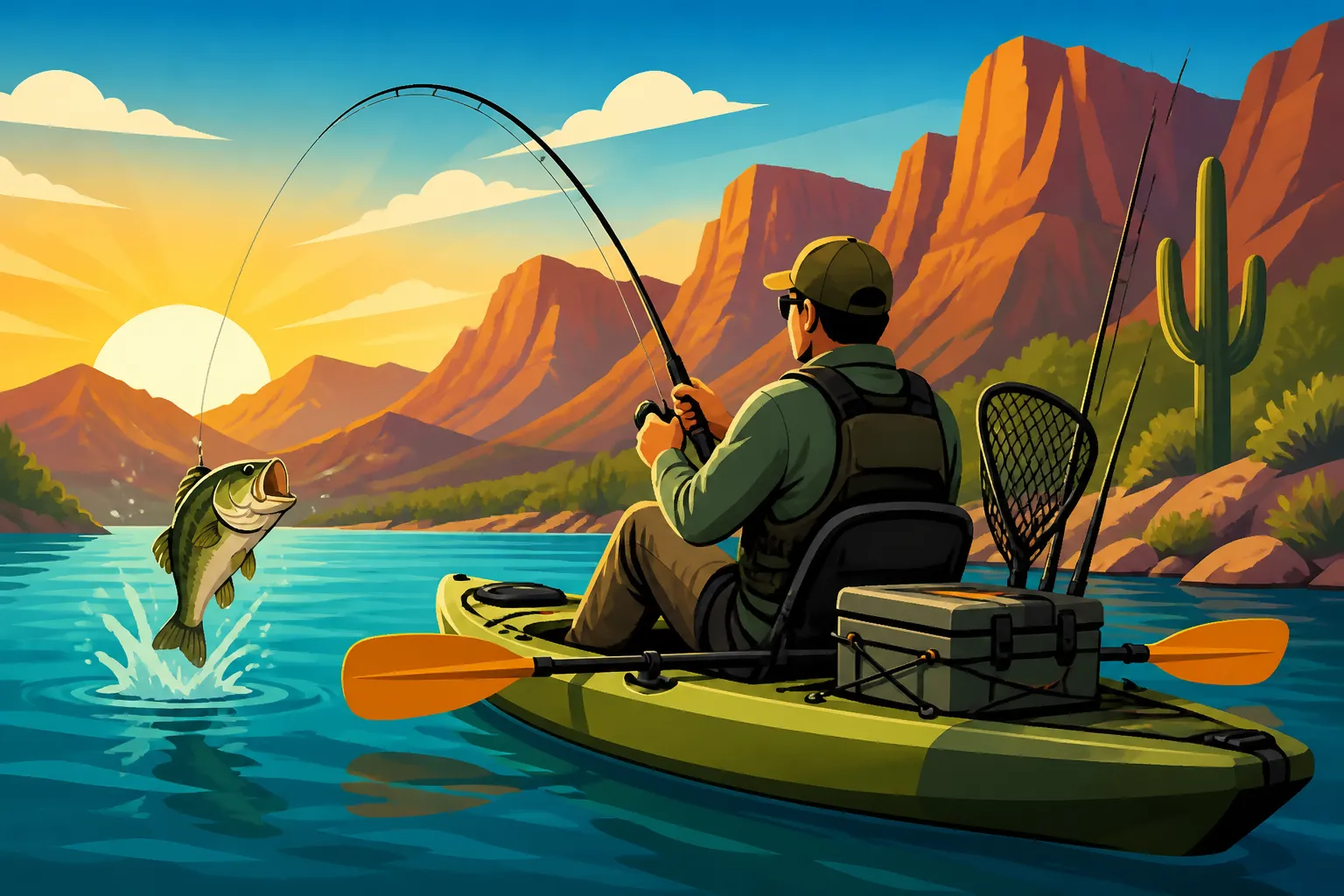
This is where kayak fishing on Apache Lake truly shines. Those narrow canyons and rocky shorelines that deter larger vessels become your secret weapon. Kayaks can effortlessly slip into hidden coves, navigate shallow channels, and creep up to submerged timber and rocky outcroppings that are otherwise unreachable. These are the prime hideouts for Apache Lake's diverse fish population. Imagine silently paddling into a calm, sun-drenched cove, perfectly positioned to cast your lure into a brush pile that a bass boat could only dream of reaching. This intimate access to untouched structure often leads to less pressured fish and some truly spectacular catches. If you want to dive deeper into the general fishing landscape, checking out the comprehensive Apache Lake Arizona Fishing Guide can give you a great overview of what fish to expect and where they typically hold.
Targeting Diverse Fish Species from a Kayak
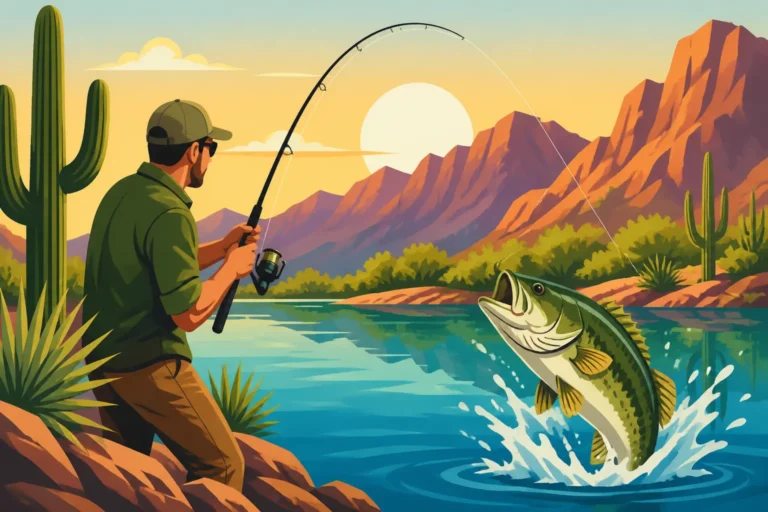
Apache Lake boasts a healthy population of several sport fish, and kayak fishing puts you in an excellent position to target them all. Largemouth and smallmouth bass thrive in these waters, especially in the rocky structure and submerged vegetation that kayaks can easily access. With stealth, you can get incredibly close to bedding bass in the spring or ambush predatory bass lurking in shaded pockets. Crappie also abound, often schooling around brush piles and standing timber, which are again, prime kayak territory. Sunfish, like bluegill and redear, offer fantastic action for lighter tackle and make for a great meal. The low profile and quiet approach of a kayak allow you to get right on top of these fish without spooking them. For targeting bass, particularly, understanding different approaches like those detailed in the Best Bass Fishing Techniques for Arizona Lakes can be incredibly effective when applied from a kayak, allowing you to present baits naturally and precisely in tight spots. The thrill of hooking into a feisty bass or a slab crappie from a kayak is an experience every angler should have, providing an exhilarating fight that feels magnified from a small craft.
The Serenity and Connection with Nature
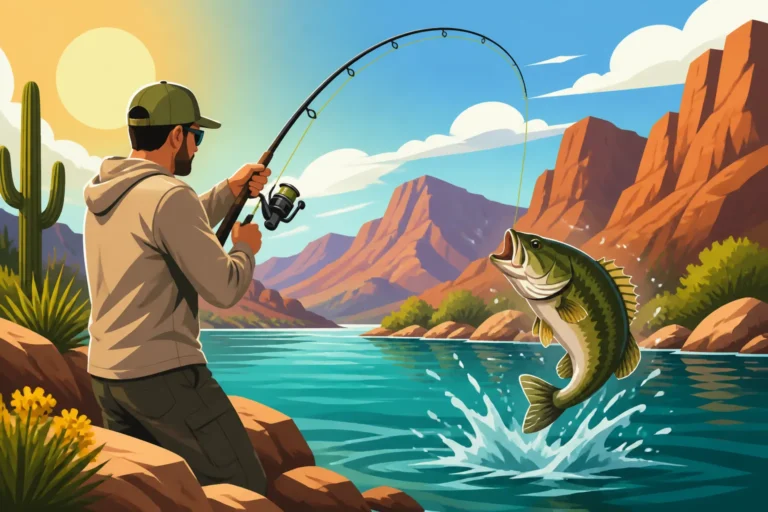
Beyond the fish, kayak fishing on Apache Lake offers a profound sense of peace and connection with the natural world. Far from the roar of boat motors and the bustle of crowded ramps, you can glide silently across the water, the only sounds being your paddle dipping and the calls of ospreys overhead. The stunning desert landscape, with its ancient saguaros clinging to red rock cliffs, provides a majestic backdrop to your angling adventure. It’s an opportunity for quiet contemplation, to truly soak in the raw beauty of Arizona. Many anglers find this meditative aspect as rewarding as the catches themselves. Being eye-level with the water, observing the subtle movements of wildlife along the shore, and feeling the warmth of the sun on your face creates a deeply immersive experience that rejuvenates the spirit. It's an escape where the focus shifts from the daily grind to the rhythm of nature.
Essential Gear and Safety for Kayak Fishing Apache Lake
Successfully and safely tackling Apache Lake in a kayak requires thoughtful preparation. It's not just about having a fishing rod; it's about having the right tools and a solid plan to handle whatever the lake throws your way.
Recommended Kayak Types and Stability
For Apache Lake, stability is king, especially given the potential for unpredictable winds and waves. While recreational kayaks can work in calm conditions, a dedicated fishing kayak, particularly a sit-on-top (SOT) model, is highly recommended. SOTs offer greater stability, easier re-entry if you capsize, and more room for gear. Longer kayaks (12 feet or more) tend to track better in choppy water and offer more storage. Pedal-drive kayaks, like those from Hobie or Old Town, are a game-changer for larger lakes like Apache, freeing up your hands for fishing and making long-distance paddling against wind much more manageable. They allow you to maintain position while casting or fighting a fish, which is invaluable. Before you invest, do some research on Best Kayaks for Fishing in Arizona to find a model that balances stability, storage, and your budget. Remember, a comfortable and stable platform will make your long hours on the water much more enjoyable and productive.
Safety Equipment and Emergency Preparedness
Safety should always be your top priority on a large, remote lake like Apache. A Coast Guard-approved Personal Flotation Device (PFD) is non-negotiable – and wear it, don't just stow it. A loud whistle, a paddle leash (so you don't lose your paddle if you capsize), and a basic first-aid kit are also essential. Given the vastness and limited cell service in some areas, a fully charged cell phone (in a waterproof bag), a VHF radio, or even a satellite messenger like a Garmin InReach can be a lifesaver. Always tell someone your float plan: where you're launching, your intended route, and when you expect to return. Pack plenty of water, especially in warmer months, as dehydration is a serious risk. Sun protection, including a wide-brimmed hat, sunglasses, and high-SPF sunscreen, is critical in the intense Arizona sun. Remember, understanding Boating Safety Gear Requirements in Arizona isn't just about following rules; it's about staying alive. For those scorching summer days, it's also wise to brush up on Heat Safety Tips for Summer Fishing in Arizona to prevent heat-related illnesses.
Navigational Tools and Fishing Electronics
Apache Lake's complex shoreline, with its numerous coves and fingers, can be disorienting, especially if the weather turns. A waterproof map, a compass, or better yet, a GPS unit (either handheld or on your phone with downloaded maps) is invaluable for navigation. For fishing, a compact, kayak-friendly fish finder can dramatically increase your success. These devices help you locate submerged structure, identify depth changes, and mark schools of fish. Many modern kayak fish finders are portable and integrate well with kayak rigging. Understanding How to Read a Fish Finder for Structure will give you a significant advantage, allowing you to pinpoint those elusive bass and crappie hiding spots. While not strictly necessary, having a fish finder will enable you to explore more efficiently and confidently, turning unproductive paddling into productive fishing time.
Tackle and Techniques Tailored for Kayaks
When fishing from a kayak, less is often more. You have limited space, so choose your tackle wisely. Opt for a few versatile rods (medium-light to medium-heavy action for bass and crappie) and smaller tackle boxes or bags that can be easily secured. Soft plastics, jigs, and smaller crankbaits are highly effective in Apache Lake's waters and don't require heavy casting gear. Given the kayak's stealth, focus on precise casting into structure. Flipping and pitching techniques work exceptionally well from a kayak, allowing you to drop baits silently into tight spots where fish are holding. When considering a guided trip to maximize your success on unfamiliar waters, platforms like FishingBooker can connect you with local Arizona fishing guides who specialize in kayak excursions and can provide invaluable insights into the best tackle and techniques for Apache Lake's unique conditions. Don't forget a pair of fishing pliers, a line cutter, and a small landing net – these are universal necessities. A good checklist for Best Tackle for Desert Lake Fishing can help ensure you don't forget any crucial items for your kayak adventure.
Planning Your Kayak Fishing Trip to Apache Lake
A well-planned trip is a successful trip, especially when dealing with the remote and challenging environment of Apache Lake. Thinking ahead about timing, regulations, and logistics will make all the difference.
Best Times of Year and Day
The ideal times to kayak fish Apache Lake are generally spring (March to May) and fall (October to November). During these seasons, the weather is milder, making for more comfortable paddling and better fish activity. Bass are often shallower in spring for spawning, and active in the fall as they feed heavily. Crappie also become more active in the spring. Summer can be productive, but the extreme heat and potential for monsoon storms require very early morning or late evening trips. Winter offers fantastic fishing opportunities for species like bass and crappie, but be prepared for cold mornings and plan for shorter days. For a deeper dive into seasonal patterns, refer to the Arizona Fishing Seasons Explained. Regardless of the season, early mornings are almost always best for kayak fishing on Apache Lake. The winds are typically calmer, and fish are often more active during low-light conditions. As the sun climbs, fish tend to move deeper, and the wind usually picks up. For more precise timing, consult Best Time of Day to Fish in Arizona Heat to plan your outings effectively during warmer months.
Permits, Regulations, and Local Knowledge
Before you even think about launching your kayak, ensure you have an up-to-date Arizona fishing license. You can easily acquire one online or from authorized dealers. Apache Lake is managed by the Arizona Game and Fish Department (AZGFD), so standard statewide regulations apply, but always check for any lake-specific rules regarding bag limits or special zones. While Apache Lake itself is not primarily tribal land, being aware of and respecting any potential tribal land boundaries in surrounding areas is crucial if you explore beyond the main lake. For precise details on what you need, consult the Arizona Fishing License Guide. If you're new to Apache Lake, consider leveraging local expertise. Websites like FishingBooker allow you to find and book experienced local guides who know the lake inside and out. They can provide invaluable insights into current fishing conditions, hot spots, and kayak-specific strategies, ensuring a more productive and safer trip. A knowledgeable guide can help you navigate the lake's complexities and put you on fish faster.
Lodging and Camping Options
Given its remote location, Apache Lake offers a few excellent options for extending your kayak fishing adventure. Burnt Corral Campground and Apache Lake Marina and Resort both provide access to the lake. Burnt Corral offers rustic camping sites, many with stunning lake views, suitable for tents or RVs. Apache Lake Marina and Resort offers cabins, boat slips, a store, and a restaurant, providing more amenities. There are also dispersed camping opportunities available in the Tonto National Forest surrounding the lake, but these require self-sufficiency and adherence to "leave no trace" principles. Choosing a campsite with easy access to the water for kayak launching and retrieval will significantly enhance your experience. For those looking for a truly immersive experience, combining a kayak fishing trip with an overnight stay under the stars, away from city lights, is an unforgettable experience. More information on available facilities can be found in our guide to Camping Options Near Apache Lake.
| Feature | Kayak Fishing on Apache Lake: Pros | Kayak Fishing on Apache Lake: Cons |
|---|---|---|
| Access | Reaches secluded coves and shallow structure inaccessible to boats. | Limited, often challenging shoreline access for launching/retrieving kayaks. |
| Stealth | Silent approach, less likely to spook fish. | Slow speed, long travel times across large, open water. |
| Experience | Peaceful, intimate connection with nature and stunning scenery. | Vulnerable to sudden high winds, large waves, and extreme weather. |
| Fishability | Excellent for targeting bass, crappie, and sunfish in tight spots. | Limited capacity for gear; reduced ability to cover vast expanses of water quickly. |
| Cost | Lower upfront and operational costs compared to motorboats. | Higher physical exertion required, especially when contending with wind or long distances. |
| Safety | Generally safe with proper gear and planning. | Remote location means slower emergency response; limited cell service in some areas. |
Disclaimer
Please remember that fishing conditions and regulations can change. Always consult the latest Arizona Game and Fish Department regulations before heading out. This guide is for informational purposes only and does not constitute professional advice. Always prioritize safety on the water.