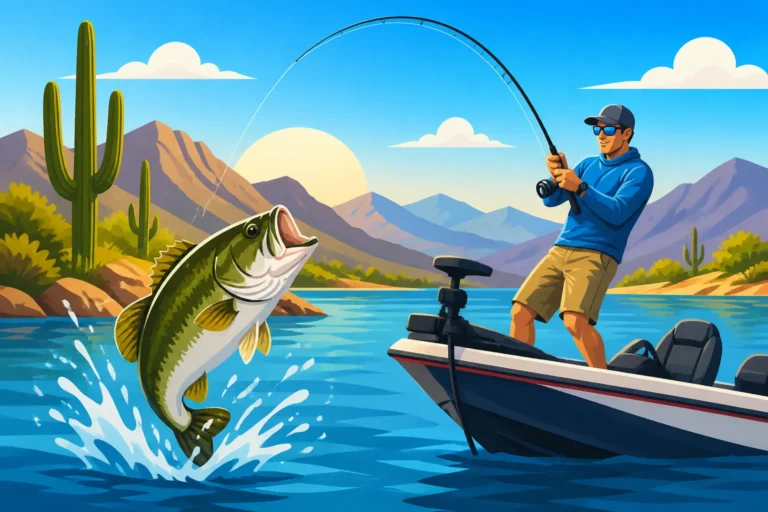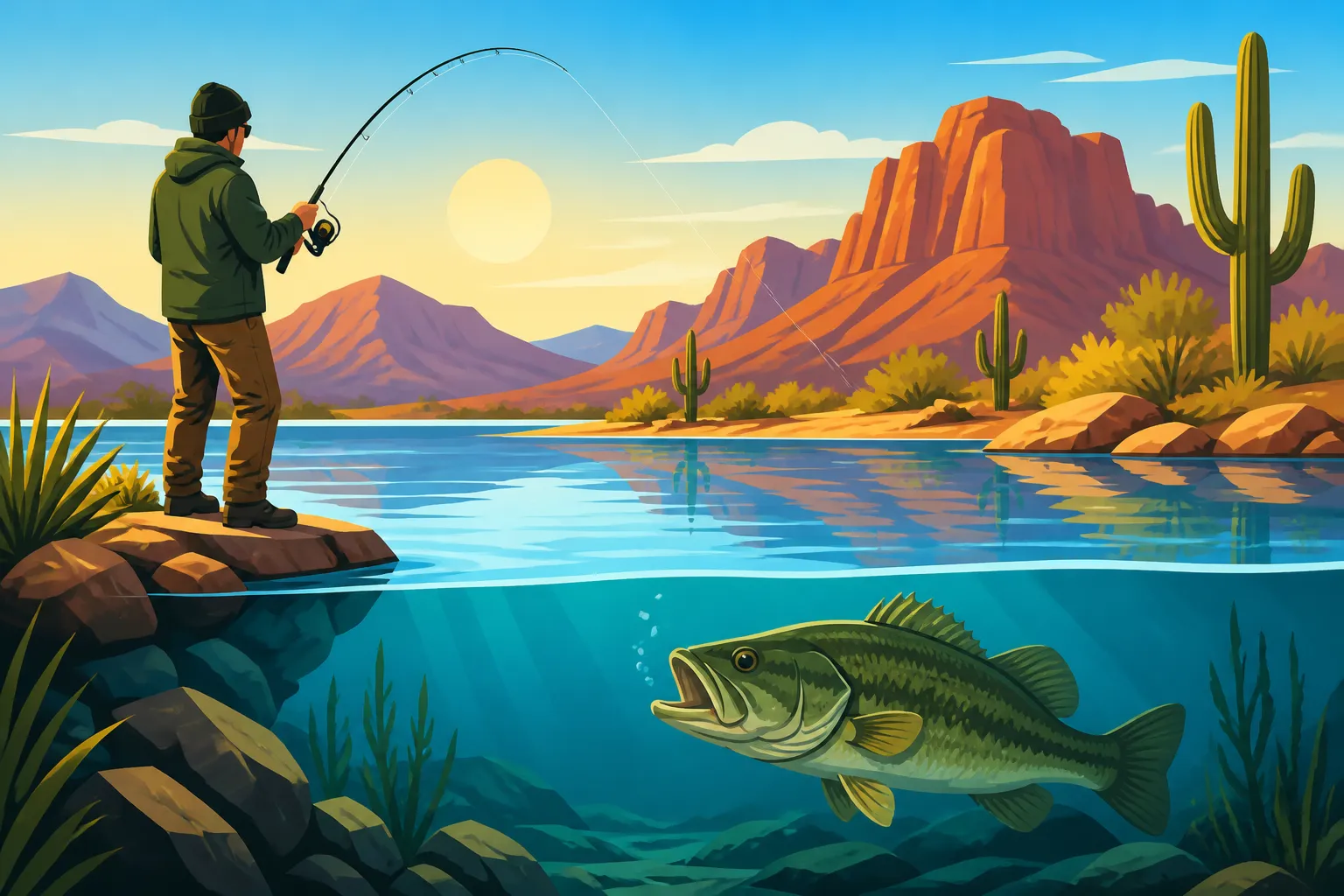
Best Lakes for Ice-Free Winter Fishing in Arizona
The thought of winter fishing often conjures images of ice shanties, frozen fingers, and chipping through thick ice to drop a line. But here in Arizona, that couldn't be further from the truth for most of our fantastic fisheries! If you're tired of packing away your gear for months or just craving some open-water action when other states are buried in snow, you've come to the right place. This guide is all about diving deep into the best lakes for ice-free winter fishing in Arizona, ensuring you can enjoy your passion year-round.
The Unique Challenge of Winter Fishing in Arizona
While much of the country battles frozen lakes and frigid temperatures, Arizona anglers are usually still enjoying open water. However, that doesn't mean winter fishing here is without its nuances. The lower sun angle, shorter days, and cooler air temperatures certainly impact fish behavior, requiring a slight adjustment in your approach compared to the scorching summer months.
Why "Ice-Free" is a Big Deal Here
For many anglers outside of Arizona, the concept of "ice-free winter fishing" is a dream. In colder climates, lakes and reservoirs typically freeze over, shutting down conventional boat and shore fishing entirely. Here in Arizona, our mild winters mean that the vast majority of our larger, popular lakes remain unfrozen, providing continuous access to incredible fishing opportunities. This is a huge advantage, allowing anglers to target trophy bass, hard-fighting striped bass, and even some stocked trout all winter long. You won't be drilling holes in the ice; instead, you'll be enjoying comfortable casting conditions, often with fewer crowds than in peak spring or fall. It's a true luxury, but it does mean understanding how our particular brand of "cold" water affects the fish.
How Water Temperature Impacts Fish Behavior
Even though our lakes don't freeze, winter water temperatures still drop significantly compared to summer. This slowdown in temperature directly affects fish metabolism. They become less active, their digestion slows, and they generally feed less aggressively. Bass, for instance, might move deeper to find more stable water temperatures, often congregating around submerged structures or deep points. Trout, on the other hand, often thrive in these cooler temperatures, becoming more active and seeking out areas where fresh, oxygenated water enters the lake. Knowing these subtle shifts is crucial. Cold fronts can make fish lethargic, while a few consecutive sunny days can warm shallow areas, drawing fish into shallower feeding zones for brief periods. It's all about thinking like a cold-blooded creature and understanding their seasonal movements.
Top Picks for Ice-Free Winter Fishing
Arizona boasts an impressive array of lakes and reservoirs that remain prime fishing destinations throughout the winter. From sprawling desert reservoirs to smaller, scenic impoundments, there's a spot for every angler.
Central Arizona's Desert Gems
The lakes surrounding the Phoenix metropolitan area are arguably the most popular and accessible for winter angling, offering fantastic opportunities for various species.
Lake Pleasant Regional Park
Just north of Phoenix, Lake Pleasant is a massive reservoir known for its exceptional striped bass and largemouth bass fishing. In winter, the stripers often school up in deeper water, making them prime targets for vertical jigging or trolling with spoons and shad-imitating lures. The largemouth bass will often relate to deep points, submerged humps, and brush piles, and can be caught with slow presentations like drop shots or jigs. With less boat traffic, winter is an excellent time to explore this vast lake. The cooler air makes for a much more comfortable day on the water compared to the intense summer heat. You might even find some active white bass mixed in with the stripers, especially if you focus on areas where baitfish are congregating.
Roosevelt Lake
As the largest lake entirely within Arizona, Roosevelt Lake offers immense opportunities. In winter, Roosevelt becomes a premier destination for largemouth bass, and it's also home to a healthy population of smallmouth bass. The fish tend to move to deeper structure, such as ledges, creek channels, and the abundant standing timber. Slower techniques like jigging spoons, shaky heads, and Texas-rigged plastics fished around these deeper cover areas can be highly effective. Early mornings and late afternoons, especially on sunny days, can bring bass into shallower, sun-warmed coves for brief feeding windows. You can also find good numbers of crappie suspending over deep timber, often requiring a fish finder to locate schools. If you're looking for a comprehensive guide, check out our piece on Roosevelt Lake Arizona Fishing Guide.
Apache Lake, Canyon Lake, and Saguaro Lake
These three beautiful lakes, part of the Salt River chain, are known for their stunning scenery and excellent bass fishing. In winter, largemouth bass will hold tight to steep rocky banks, bluff walls, and deep brush piles. Smallmouth bass are particularly active around the abundant rock and rubble structure. Fishing slowly with jigs, Ned rigs, or suspending jerkbaits can entice bites. These canyon lakes offer incredible visual fishing on clear winter days, where you can sometimes spot fish holding tight to structure in the exceptionally clear water. You'll find fewer recreational boaters, making for a peaceful fishing experience, though caution is still advised, especially with potentially high winds in the canyons.
Bartlett Lake
North of Cave Creek, Bartlett Lake is another excellent winter bass fishery, particularly for largemouth bass. Similar to other desert lakes, winter fishing here means targeting deeper submerged structure like points, humps, and brush. Crappie also become a significant target in winter, often schooling up in deeper timber. If you're an avid crappie angler, a good fish finder is invaluable for locating these suspended schools. Slow-rolled spinnerbaits, jigs, and small swimbaits can work for bass, while tiny jigs or live minnows are perfect for crappie. Its proximity to the northern Phoenix metro area makes it a convenient option for a quick winter fishing trip.
The Mighty Colorado River System
The lower Colorado River, which forms Arizona's western border, offers unique and often warmer winter fishing experiences. These waters are often less affected by cold fronts due to the sheer volume of water and the generally milder climate in the lower elevations.
Lake Havasu
World-renowned for its bass fishing, Lake Havasu remains a phenomenal winter destination. Both largemouth and smallmouth bass are active, often found relating to the rocky shorelines, submerged humps, and the famous artificial habitat structures. Crankbaits, jigs, and drop shots are effective here. The cooler water temperatures of winter often mean a better chance at catching quality fish, as they tend to be less pressured and more concentrated. Havasu also holds robust populations of striped bass, which can be found chasing shad schools in open water or around structure. If you’re looking for more detailed information on this iconic lake, consider reading our Lake Havasu Arizona Fishing Guide.
Parker Strip and Yuma Areas
Downstream from Lake Havasu, the Colorado River flows through the "Parker Strip" and eventually to the Yuma area. These stretches of the river are fantastic for winter fishing, particularly for largemouth bass, channel catfish, and even some flathead catfish. The moving water can keep fish active, and the banks often provide excellent shore access. Target eddies, slower current areas, and submerged wood structure. For catfish, stink baits or cut baits fished on the bottom can be very productive. These areas also offer great opportunities for multi-species days, with bluegill and carp often willing to bite.
Lake Mohave
Formed by Davis Dam, Lake Mohave offers exceptional smallmouth and largemouth bass fishing, particularly in its northern, canyon-like sections. The clear, cold water makes for challenging but rewarding winter fishing. Deep diving crankbaits, jigs, and swimbaits are good choices for targeting bass relating to steep drop-offs and rocky structure. Lake Mohave also has a strong rainbow trout population, particularly in the cooler, upstream sections near the dam, which are stocked regularly. This provides a great opportunity for a mixed bag, catching both warm-water and cold-water species on the same trip.
Southern Arizona's Warmer Waters
While not as numerous, southern Arizona also offers some excellent winter fishing, often benefiting from even milder temperatures than the central part of the state.
Pena Blanca Lake
Located in the Coronado National Forest south of Tucson, Pena Blanca Lake is a scenic and popular spot. It’s regularly stocked with rainbow trout during the cooler months, making it a fantastic destination for winter trout fishing. PowerBait, corn, or small spinners like Rooster Tails are often effective here. The lake also holds largemouth bass and various panfish, which can be targeted with slower presentations around submerged vegetation and structure. It's a peaceful, family-friendly lake, perfect for a relaxing winter day trip.
Patagonia Lake State Park
Further south, Patagonia Lake is a small but vibrant reservoir known for its largemouth bass, crappie, and catfish. In winter, the bass can be found relating to the abundant submerged timber and brush. Crappie fishing can be excellent, with schools suspending over brush piles. The Arizona Game and Fish Department often stocks rainbow trout here in winter as well, adding another exciting option for anglers. Shore fishing access is good, and it’s a popular spot for kayak and small boat anglers due to its size and calm waters. It’s also a wonderful place to spot a variety of birds, adding an extra layer of enjoyment to your outing.
Here's a quick comparison of some of Arizona's best ice-free winter fishing lakes:
| Lake Name | Primary Winter Species | Typical Winter Water Temp (F) | Key Feature/Notes |
|---|---|---|---|
| Lake Pleasant | Striped Bass, Largemouth Bass | 50-60 | Large, deep lake, excellent for boat anglers. |
| Roosevelt Lake | Largemouth Bass, Crappie | 48-58 | Largest lake, abundant timber, trophy bass potential. |
| Lake Havasu | Largemouth Bass, Smallmouth Bass, Striped Bass | 55-65 | Clear water, rocky structure, world-class bass. |
| Apache Lake | Largemouth Bass, Smallmouth Bass | 50-60 | Scenic canyon lake, deep rocky structure. |
| Canyon Lake | Largemouth Bass, Smallmouth Bass | 50-60 | Stunning views, great for finesse bass techniques. |
| Saguaro Lake | Largemouth Bass, Crappie | 52-62 | Closest to Phoenix, good shore access, deep points. |
| Bartlett Lake | Largemouth Bass, Crappie | 50-60 | Good crappie, convenient access, open water. |
| Lake Mohave | Smallmouth Bass, Largemouth Bass, Rainbow Trout | 50-60 | Clear water, canyon fishing, mixed species. |
| Pena Blanca Lake | Rainbow Trout, Largemouth Bass | 45-55 | Stocked trout, scenic, quiet. |
| Patagonia Lake | Largemouth Bass, Crappie, Rainbow Trout | 50-60 | Smaller, stocked, family-friendly. |
Winter Fishing Strategies for Success
Winter fishing in Arizona isn't just about showing up; it's about making smart adjustments to your tactics to match the fish's mood and movements. Patience and persistence become your best friends.
Adapting Your Approach for Colder Water
Fish in colder water are often lethargic, meaning fast, erratic retrieves that work in summer will likely be ignored. The key is to slow everything down.
- Slower Retrieves: Think deliberate, slow, and methodical. Instead of burning a crankbait, try a slow, grinding retrieve that just barely makes the lure wobble. For soft plastics, work them agonizingly slowly across the bottom, barely twitching your rod tip.
- Deeper Presentations: Fish often seek the most stable water temperatures, which are usually in deeper parts of the lake. Focus your efforts on deep points, ledges, creek channels, and submerged humps. If you have a fish finder, use it to locate schools of baitfish or larger arches near structure. For bass, a Carolina Rig or a heavy jig can get your bait down to where they're holding.
- Bait Choices: In colder water, fish are often more receptive to natural presentations. Live bait like minnows for crappie or worms for trout can be incredibly effective. For artificials, finesse baits such as drop shots, Ned rigs, shaky heads, small jigs, and suspending jerkbaits are often winter go-tos. These lures mimic a dying or easy-to-catch baitfish, which is more appealing to a less active predator. For trout, scented baits like PowerBait or small inline spinners are reliable. To learn more about selecting the right lures, check out our guide on Best Baits and Lures for Arizona Fishing.
Essential Gear for Winter Comfort and Safety
While "ice-free" doesn't mean "t-shirt weather," Arizona winters are usually mild and pleasant. However, proper gear can make your day much more enjoyable.
- Layering is Key: Mornings can be chilly, sometimes dipping below freezing, but afternoons often warm up considerably. Dress in layers that you can easily add or remove. A good base layer, a warm fleece or puffy jacket, and a windproof outer shell are ideal.
- Sun Protection: Don't let the cooler temperatures fool you; the Arizona sun is potent year-round. A wide-brimmed hat, sunglasses, and sunscreen are absolute must-haves. Dehydration is still a concern, even in winter, so bring plenty of water. We have some great tips to prevent sun exposure in our article on Heat Safety Tips for Summer Fishing in Arizona, many of which apply even in winter.
- Specific Tackle: You'll want rods with a little more sensitivity to detect subtle bites in cold water. Lighter line, especially fluorocarbon, can also be advantageous in clearer winter water. Pack a variety of finesse baits, jigs, spoons, and suspending jerkbaits. If targeting trout, bring along PowerBait, corn, and small inline spinners. A good pair of gloves for cold mornings, especially if you're handling fish, can make a big difference.
Finding the Fish in Winter
Locating fish in winter often requires more effort than in warmer months, but a few strategies can increase your odds.
- Deep Structure: As mentioned, fish tend to gravitate towards deeper water where temperatures are more stable. Look for ledges, humps, old creek beds, and submerged timber. Your fish finder will be your best friend for identifying these features and any fish holding on or near them. Don't be afraid to fish vertical presentations right over the top of schools you mark.
- Sunny Banks and Warm Coves: While fish are generally deeper, a few consecutive sunny days can warm up shallower, protected coves and north-facing banks (which receive more direct sunlight). Bass might move into these areas for short feeding windows, especially in the afternoon. These areas are often accessible for shore anglers too.
- Identify Active Windows: Winter fishing often has shorter "bite windows." This could be the warmest part of the day (mid-afternoon), the hour surrounding sunrise or sunset, or even during a sustained warm spell. Pay attention to how the weather is changing and try to be on the water during these prime times.
Planning Your Winter Fishing Adventure
A little preparation goes a long way, especially when you're heading out to enjoy Arizona's beautiful, ice-free winter fishing.
Checking Conditions Before You Go
Before you load up the truck, always check current conditions.
- Weather Forecast: Look for air temperatures, wind speeds, and cloud cover. A calm, sunny day can be incredibly comfortable, while a windy, cloudy day can feel much colder and make fishing more challenging.
- Water Levels: Reservoir levels can fluctuate, especially in Arizona. This can impact boat ramp accessibility and where fish are holding. Resources like the Arizona Game and Fish Department (AZGFD) website often provide updated lake levels.
- Stocking Reports: If you're targeting trout, check the AZGFD stocking schedule. Many community lakes and some larger reservoirs are stocked during the cooler months, which can lead to fantastic action. Knowing when and where trout were recently stocked can make your trip much more successful.
Considering Guided Trips and Local Expertise
If you're new to winter fishing in Arizona or want to maximize your chances of success, consider hiring a local fishing guide. Guides possess invaluable knowledge about current fish patterns, hot spots, and effective techniques for specific lakes. They can save you a lot of trial and error and significantly improve your experience. Platforms like FishingBooker are excellent resources for finding reputable, local guides who specialize in Arizona's winter fisheries. A knowledgeable guide can help you understand the subtle nuances of each lake, from finding deep-dwelling striped bass at Lake Pleasant to targeting crappie in the timber of Roosevelt Lake, or even showing you the best spots for winter trout at the lower elevation lakes. They can also provide all the necessary gear, which is a huge plus for travelers or those just starting out.
Navigating Regulations
Even though it's winter, all standard Arizona fishing regulations still apply. Before you head out, make sure your Arizona Fishing License Guide is current and valid.
- License Requirements: Everyone 10 years of age and older needs a valid Arizona fishing license. You can purchase these online, at authorized dealers, or at AZGFD offices.
- Bag and Possession Limits: Be aware of the specific bag and possession limits for the species you are targeting. These limits can vary by lake and species, and some waters have special regulations, especially for native fish species. Always consult the official Arizona Fishing Regulations Explained document or the AZGFD website.
- Trout Stamps: If you plan on fishing for trout in specific waters, you might also need a valid Arizona trout stamp in addition to your general fishing license. Always double-check the regulations for your chosen fishing spot.
Winter fishing in Arizona is a truly special experience, offering comfortable conditions, beautiful scenery, and often less crowded waters. By understanding the unique challenges and adapting your strategies, you can enjoy productive and memorable fishing trips throughout the cooler months.
Disclaimer
Please be aware that fishing conditions and regulations can change. Always consult the official Arizona Game and Fish Department website or local authorities for the most up-to-date information regarding licenses, regulations, and any emergency closures before planning your fishing trip. Stay safe on the water and always practice responsible angling.