Big Lake Arizona Fishing Guide
There's nothing quite like the dream of escaping the desert heat, heading up to Arizona's high country, and dropping a line into crystal-clear mountain water. But when you start planning, the details can feel overwhelming – where exactly is Big Lake, what fish are biting, and what on earth do you need to bring? This comprehensive guide is here to cut through the confusion and equip you with everything you need for a truly memorable fishing adventure at Big Lake.
Discovering Big Lake: A High-Country Gem
Big Lake isn't just a name; it truly is one of Arizona's most significant and beloved high-elevation fishing destinations. Tucked away in the White Mountains, it offers a stark, refreshing contrast to the state's more famous desert lakes, providing cooler temperatures, pine-scented air, and stunning scenery. It's the kind of place that rejuvenates the soul as much as it excites the angler.
Location and Accessibility
Big Lake is nestled in the Apache-Sitgreaves National Forests, roughly 20 miles south of Eagar and Springerville, and about 25 miles southeast of Pinetop-Lakeside. Getting there involves a scenic drive, often on well-maintained forest roads, though conditions can vary with the season. From Phoenix or Tucson, it's a several-hour journey, but the reward of cooler air and pristine waters makes the drive absolutely worthwhile. The elevation here is around 9,000 feet, which means cool summers and snowy winters, dictating much of the fishing season.
The lake itself is quite expansive, living up to its name, covering over 450 acres when full. This size offers plenty of room for both shore anglers and those venturing out in boats, kayaks, or float tubes. While there are designated boat launches and paved access points, many anglers enjoy exploring the numerous coves and quieter stretches of shoreline. The surrounding area is managed by the U.S. Forest Service, providing a rustic yet accessible outdoor experience for all.
Lake Characteristics and Environment
What makes Big Lake special is its pristine, cold-water environment, ideal for trout. The lake is relatively shallow in many areas, averaging around 12 to 15 feet, with some deeper pockets reaching up to 25 feet. This varied depth, combined with abundant aquatic vegetation, creates a rich ecosystem that supports a healthy fish population. You'll find a mix of rocky bottoms, muddy flats, and weed beds, all providing excellent habitat for both forage and game fish.
The high elevation means the water stays cooler throughout the warmer months, preventing the kind of temperature extremes seen in lower desert reservoirs. This cool, clear water is vital for the trout species that thrive here. The surrounding forest, primarily ponderosa pine and aspen, offers a beautiful backdrop and helps maintain the water quality, though it also means you'll need to be mindful of wildlife, from elk to various bird species, making it a true immersion in nature.
Seasonal Changes and Water Levels
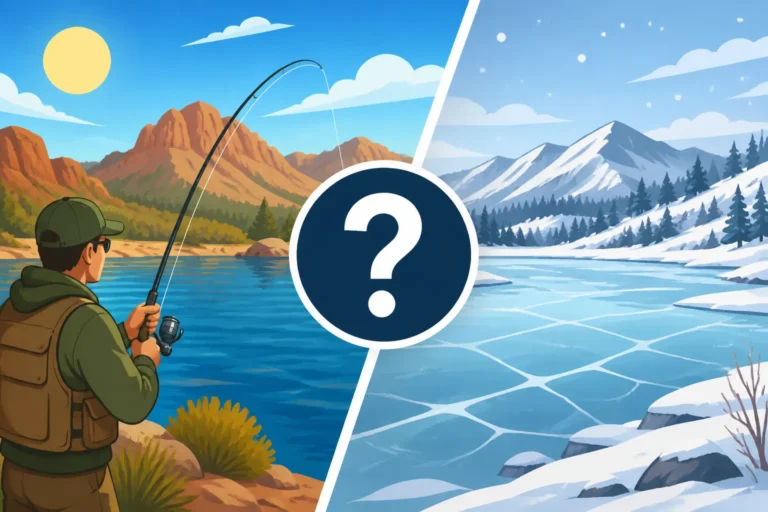
Big Lake experiences distinct seasons, each profoundly impacting fishing conditions. Winter sees the lake freeze over, typically from late November to April, making ice fishing popular if conditions are safe. Once the spring thaw arrives, usually in April or May, the lake slowly comes back to life. Water levels are generally consistent due to its position in the high country and consistent snowmelt, but like any Arizona lake, drought conditions can sometimes impact overall depth.
Monitoring local conditions, especially snowfall and spring runoff, can give you an edge in predicting water clarity and fish activity. The Arizona Game and Fish Department (AZGFD) often provides updates on lake conditions and stocking schedules, which are invaluable for planning a trip. Always check the current conditions before heading out, particularly in early spring or late fall, as road closures or unexpected weather can occur at this elevation.
Fish Species You'll Encounter at Big Lake
Big Lake is renowned as a premier trout fishery, and for good reason. The cold, oxygen-rich waters and abundant forage create an ideal habitat for several species that are a joy to catch. However, trout aren't the only residents, and knowing what's swimming beneath the surface can help you tailor your tactics for a truly successful day.
Dominant Trout Species
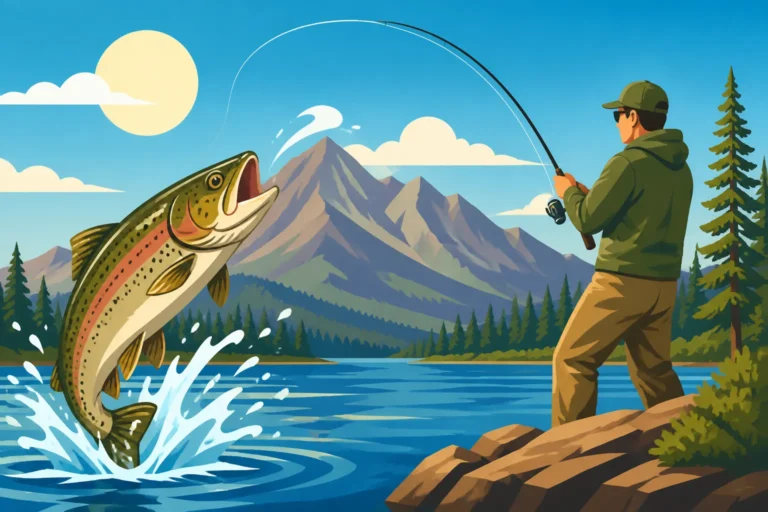
The undisputed kings of Big Lake are the various trout species, with Rainbow Trout Fishing Guide for Arizona being the primary target for most anglers. These beautiful, hard-fighting fish are regularly stocked by the AZGFD, ensuring a robust population. You'll find them cruising the shorelines, lurking in weed beds, and feeding in open water, often responding well to both bait and artificial lures. They are known for their acrobatic fights and delicious taste, making them a favorite for many.
Beyond rainbows, you'll also encounter Cutthroat Trout. These native trout, distinguished by the red or orange slash marks under their lower jaw, are a special catch. They tend to be a bit more elusive and wary than rainbows, often preferring more subtle presentations. Apache Trout, Arizona's state fish, are sometimes found in Big Lake, though they are more commonly targeted in specific streams and lakes with dedicated conservation efforts. Catching an Apache Trout is a rare and exciting privilege, but remember to be aware of Native Fish Protection Rules in Arizona as some species are protected.
Other Game Fish
While trout steal the spotlight, Big Lake also hosts populations of other panfish, which can provide plenty of action, especially for younger anglers or those looking for a diverse catch. Bluegill and other sunfish species are plentiful, particularly in the shallower, weedier areas of the lake. They might not be the biggest fighters, but they are eager biters and a blast on light tackle. Catching a stringer of bluegill can make for a fantastic fish fry.
Occasionally, anglers might also hook into Smallmouth Bass or Yellow Perch, though these are not as dominant as the trout or panfish. These species add an element of surprise to your fishing experience and can be found in similar habitats, often around submerged structures or rocky points. Targeting them might require slightly different techniques, but their presence speaks to the overall health and diversity of Big Lake's ecosystem.
Conservation Efforts and Healthy Populations
The Arizona Game and Fish Department plays a crucial role in maintaining Big Lake's excellent fishery through consistent stocking programs and habitat management. These efforts ensure that despite heavy angling pressure, the lake remains a productive and enjoyable destination year after year. Understanding these efforts also highlights the importance of responsible angling, including adhering to bag limits and practicing proper catch and release when appropriate.
It's vital for all anglers to understand and follow Arizona Fishing Regulations Explained, as these rules are designed to protect fish populations and the delicate high-country environment. Respecting the local ecosystem, properly disposing of trash, and being mindful of other wildlife all contribute to keeping Big Lake a premier fishing spot for generations to come.
Best Fishing Techniques and Strategies for Big Lake
Big Lake offers diverse fishing opportunities, meaning there's a technique for every angler, whether you prefer the solitude of shore fishing or the mobility of a boat. The key to success often lies in adapting to the conditions and understanding the behavior of the different fish species present.
Shore Fishing and Wade Fishing Tactics
For many, simply walking the bank and casting a line is the purest form of fishing, and Big Lake provides ample opportunities for productive shore fishing. The lake has numerous accessible areas, from the main boat launch points to quieter coves accessible via hiking trails. When fishing from shore, a simple setup often works best: a medium-light spinning rod, 4-6 lb test line, and a small hook. PowerBait, corn, or small worms fished off the bottom with a sliding sinker are highly effective for stocked rainbow trout.
Wade fishing can also be extremely productive, particularly in the shallower bays and points, allowing you to reach areas that are just out of casting range from the bank. Just be mindful of the often muddy or soft bottom in some areas. When wading, focus on casting parallel to the shoreline or towards drop-offs and weed lines. Small spinners like Mepps or Panther Martins, and spoons like Kastmasters, are excellent choices, especially when retrieved at a steady pace. Look for areas with submerged vegetation, as trout often ambush prey from these hiding spots.
Boat and Kayak Fishing Approaches
Having a boat, kayak, or float tube at Big Lake opens up a whole new world of possibilities, allowing you to cover more water and target deeper areas. Trolling is a very popular and highly effective method for trout, especially when the fish are scattered. Small spoons, cowbells, or wedding rings tipped with a piece of worm or PowerBait, pulled slowly behind a boat, can entice bites from cruising rainbows and cutthroats. Vary your depth until you find where the fish are holding.
For those who prefer a more active approach, casting from a boat can be incredibly rewarding. Focus on structure like submerged humps, rocky points, or extensive weed beds. Drifting with the wind and casting jigs, tubes, or small swimbaits can be deadly for both trout and any opportunistic bass or perch. Kayak anglers will find the lake perfect for exploring; its relatively calm waters (on non-windy days) and numerous coves are ideal for silent approaches to fish-holding areas. You can even consider booking a guided trip to maximize your chances, and platforms like FishingBooker can help you find experienced local guides familiar with Big Lake's nuances.
Fly Fishing for High-Country Trout
Big Lake is a dream come true for fly anglers, offering exceptional opportunities to target trout with various techniques. In the spring and fall, when hatches are consistent, dry flies can be incredibly effective, mimicking insects like midges, caddis, and mayflies. During the summer, when fish move deeper, nymphing becomes the go-to strategy. Patterns like Hare's Ear, Pheasant Tail, and Prince Nymphs, fished under an indicator or with a Euro-nymphing setup, can produce steady action.
Streamer fishing is another highly productive method, especially for larger, more aggressive trout. Patterns like Woolly Buggers, sculpins, and leeches, stripped rapidly or with an erratic retrieve, can imitate baitfish and provoke powerful strikes. Early mornings and late evenings often provide the best conditions for topwater action, while mid-day fishing usually calls for sub-surface presentations. For those new to fly fishing, a general guide like Best Fly Fishing Streams in Arizona can offer foundational knowledge, even if Big Lake is a lake, as many principles apply.
Seasonal Fishing Guide for Big Lake
Big Lake's high-country location means that fishing conditions, and indeed the entire experience, change dramatically with the seasons. Understanding these shifts is crucial for planning your trip and maximizing your chances of success.
Spring: Thaw and Early Season Excitement
As winter's icy grip begins to loosen, typically in April or early May, Big Lake awakens. The spring thaw is a time of immense excitement for anglers. As the ice melts, fresh, cold water replenishes the lake, and fish become highly active, often moving into shallower areas to feed after a long winter under the ice. This is an excellent time for both bait fishing from shore and slow trolling from a boat. Stocked Rainbow Trout Fishing Guide for Arizona are particularly eager during this period.
The water can be quite cold, so fish might be a bit sluggish initially, but as temperatures gradually rise, their metabolism picks up. Look for areas where snowmelt runoff enters the lake, as these can concentrate nutrients and attract baitfish, which in turn attract trout. Fly anglers will find nymphing productive, and as insect hatches begin, opportunities for dry fly fishing will increase. Always check local road conditions and lake access, as residual snow can sometimes linger into late spring, especially on forest roads.
Summer: Prime Time for Mountain Anglers
Summer at Big Lake is truly spectacular, offering a much-needed escape from Arizona's intense lowland heat. From June through August, the weather is mild and pleasant, making it the most popular time for visitors. Fishing remains excellent throughout the summer, though trout may move to slightly deeper, cooler waters during the hottest parts of the day. Early mornings and late evenings often see trout move back into the shallows to feed.
Boat and kayak fishing truly shine in summer. Trolling at various depths with spoons or cowbells, or drifting with bait, are highly effective. Fly anglers will find consistent hatches, making both dry fly and nymphing strategies productive. Panfish, like bluegill, are also very active in the summer, offering great fun for families and beginners in the weedier coves. Remember to consult our guide on Arizona Fishing Seasons Explained for broader context, but specifically for Big Lake, summer means consistent action.
Fall: Colors, Solitude, and Big Fish
Autumn, from September through November, is arguably the most beautiful and often most rewarding time to fish Big Lake. The aspen trees ignite in brilliant yellows and golds, and the crowds begin to thin, offering a sense of peace and solitude. As water temperatures start to drop, trout become incredibly active once again, feeding aggressively in preparation for winter. This is often the best time to target larger, trophy-sized trout.
Both shore and boat anglers can experience phenomenal fishing. Bait, lures, and flies all produce well. Streamer fishing with fly rods can be particularly effective for targeting those bigger, more aggressive trout that are packing on weight. Towards late fall, as temperatures plummet, ice begins to form on the lake's edges, signaling the impending winter closure for open water fishing. This shoulder season offers a unique experience, combining stunning scenery with some of the best fishing of the year.
Essential Gear and Supplies for Your Big Lake Adventure
Heading into the high country for a fishing trip means being prepared, not just with the right fishing tackle, but also with gear that can handle mountain weather. Neglecting proper preparation can quickly turn a fantastic trip into a frustrating one.
Recommended Rods, Reels, and Line
For general trout fishing at Big Lake, a versatile setup is your best friend. A medium-light spinning rod, typically 6 to 7 feet in length, paired with a matching spinning reel in the 1000 to 2500 size range, is ideal. This combination offers enough sensitivity for light bites yet has the backbone to handle a feisty rainbow. Spool your reel with 4 to 6-pound monofilament or fluorocarbon line; these offer a good balance of strength, castability, and invisibility in clear mountain waters.
If you're primarily fly fishing, a 4-weight or 5-weight fly rod, 8.5 to 9 feet long, is perfect for the size of fish and the types of presentations required. Match this with a floating fly line and a variety of leaders and tippets to adapt to changing conditions and fly sizes. For those targeting larger, more aggressive trout with heavier lures or streamers, consider bumping up to a medium-action rod with 8-pound test line.
Baits, Lures, and Flies That Work Best
When it comes to tempting Big Lake's residents, variety is key. For bait fishing, the staples are often the most effective:
- PowerBait: Especially in bright colors like chartreuse, orange, or rainbow glitter, fished off the bottom.
- Worms: Nightcrawlers or mealworms, either suspended under a bobber or fished on the bottom.
- Corn: A few kernels on a small hook can be surprisingly effective for stocked trout.
For lures, consider a range of options:
- Spinners: Mepps, Panther Martin, and Rooster Tail spinners in sizes #0 to #2, in silver, gold, or black.
- Spoons: Kastmaster, Daredevil, or Little Cleo spoons in silver, gold, or trout patterns, in sizes 1/8 to 1/4 ounce.
- Jigs: Small marabou jigs or tube jigs in white, black, or olive, especially when tipped with a small piece of worm.
- Small crankbaits: In trout or shad patterns, for targeting deeper fish.
Fly anglers should stock their boxes with:
- Nymphs: Pheasant Tail, Hare's Ear, Prince Nymph, Copper John (sizes 14-20).
- Dry Flies: Elk Hair Caddis, Adams, Parachute Adams, Renegade (sizes 14-20), for when fish are rising.
- Streamers: Woolly Bugger (black, olive, brown), Zonker, Sculpzilla (sizes 6-12), for aggressive trout.
Remember that Best Baits and Lures for Arizona Fishing offers a broader overview, but these specific recommendations are tailored for Big Lake's trout.
Preparing for High-Altitude Weather
The White Mountains are known for their beautiful but sometimes unpredictable weather. Even in summer, evenings can be cool, and afternoon thunderstorms are common. Packing layers is non-negotiable. Bring waterproof and windproof outerwear, even if the forecast looks clear. Sun protection is also paramount due to the high elevation; wide-brimmed hats, sunglasses, and high-SPF sunscreen are essential.
Hydration is another critical factor. The dry air and high altitude can lead to dehydration quickly, so carry plenty of water. Pack a first-aid kit, and consider a small emergency blanket. A quality cooler, such as those reviewed in Best Coolers for Hot-Weather Fishing in Arizona, will not only keep your drinks cold but also ensure your catch stays fresh on the drive home. Don't forget bug spray, especially during warmer months, as mosquitoes can be prevalent near the water.
Planning Your Trip: Logistics and Regulations
A successful and stress-free fishing trip to Big Lake hinges on proper planning, from understanding legal requirements to knowing where to find a place to stay. Don't let a forgotten license or overlooked regulation spoil your high-country escape.
Permits, Licenses, and Arizona Fishing Regulations
Before you even think about casting a line, securing the correct permits and understanding the rules is paramount. Every angler 10 years of age and older needs an Arizona Fishing License Guide. This includes residents and non-residents alike. You can purchase your license online through the Arizona Game and Fish Department website, or at authorized dealers throughout the state, including many sporting goods stores and bait shops in towns like Springerville or Pinetop-Lakeside.
Additionally, Big Lake is a designated trout water, meaning a Trout Stamp Requirements in Arizona might be necessary depending on the type of license you purchase. Always double-check the current regulations annually, as they can change. Pay close attention to bag limits, size restrictions, and any special regulations specific to Big Lake or the surrounding White Mountain waters. Familiarize yourself with Fishing License Age Requirements in Arizona if you're bringing younger anglers along.
Here's a quick overview of common regulations, but always verify current rules with AZGFD:
| Category | Detail |
|---|---|
| License Req. | All anglers 10 years and older (resident or non-resident) |
| Trout Stamp | Often required for trout fishing in designated waters; check current license rules |
| Bag Limits | Typically 6 trout per day (possession limits may vary); check for Big Lake specific rules |
| Artificials | Often allowed, but some special regulation waters may restrict bait or lure types |
| Live Bait | Permitted for most species, but specific restrictions apply for minnows/chubs; verify |
| Methods | Single rod per angler is standard; check if a two-rod stamp is applicable |
Nearby Amenities and Accommodations
Big Lake itself offers several developed campgrounds run by the Forest Service, including Big Lake Campground, Rainbow Campground, and Grayling Campground. These typically provide amenities like picnic tables, fire rings, and vault toilets, and some have potable water. Reservations are often recommended, especially during peak summer months. Beyond the immediate lake area, you'll find a wider range of accommodations in the nearby towns.
Springerville and Eagar offer basic amenities like gas stations, grocery stores, and a few dining options. For more extensive services, including a broader selection of restaurants, hotels, and larger stores, Pinetop-Lakeside is your best bet, roughly an hour's drive from Big Lake. It offers everything from cozy cabins to larger resorts. Planning your meals and supplies ahead of time, especially if staying at the campgrounds, will ensure a smoother trip.
Hiring a Local Guide or Booking a Trip
If you're new to Big Lake, or simply want to maximize your fishing success, considering a local guide can be a game-changer. These experienced professionals know the lake intimately, understand seasonal fish patterns, and can provide all the necessary gear and expertise. A good guide can teach you specific techniques for Big Lake, help you locate productive spots, and dramatically increase your chances of catching fish.
Platforms like FishingBooker make it incredibly easy to find and book reputable fishing charters or guided trips in the White Mountains area. You can browse different guides, read reviews, and find a trip that fits your budget and preferences. Whether you're interested in a full-day fly-fishing excursion or a family-friendly bait fishing trip, a guide can tailor the experience to your needs, taking the guesswork out of your Big Lake adventure. It's a fantastic way to gain local insights and truly experience the best of this high-country gem.
Disclaimer
The information provided in this guide is for general informational purposes only and is subject to change. Fishing regulations, license requirements, and lake conditions can vary. Always consult the official Arizona Game and Fish Department website or local authorities for the most current and accurate information before planning your fishing trip.