Salt River Chain of Lakes Explained
Navigating the myriad of fishing opportunities in Arizona can feel a bit like trying to find a hidden oasis in the desert – exciting, but potentially confusing. Many anglers hear about the "Salt River Chain of Lakes" and picture a continuous river with easy access, only to discover a series of distinct, magnificent reservoirs, each with its own character and challenges. This guide is here to untangle that geographical knot, helping you understand this incredible chain of desert gems, from how they're connected to what you can expect when you drop a line in their waters.
What Exactly is the Salt River Chain of Lakes?
When we talk about the Salt River Chain of Lakes, we're not picturing a gentle meandering river with dozens of small ponds. Instead, imagine a series of vast, deep reservoirs carved into the rugged Sonoran Desert, linked by the flow of the Salt River itself. These aren't just natural wonders; they are also crucial components of Arizona's water supply and hydroelectric power system, managed by the Salt River Project (SRP). It’s this intricate balance between utility and recreation that makes them so fascinating for anglers.
The Grand Overview: A String of Oases
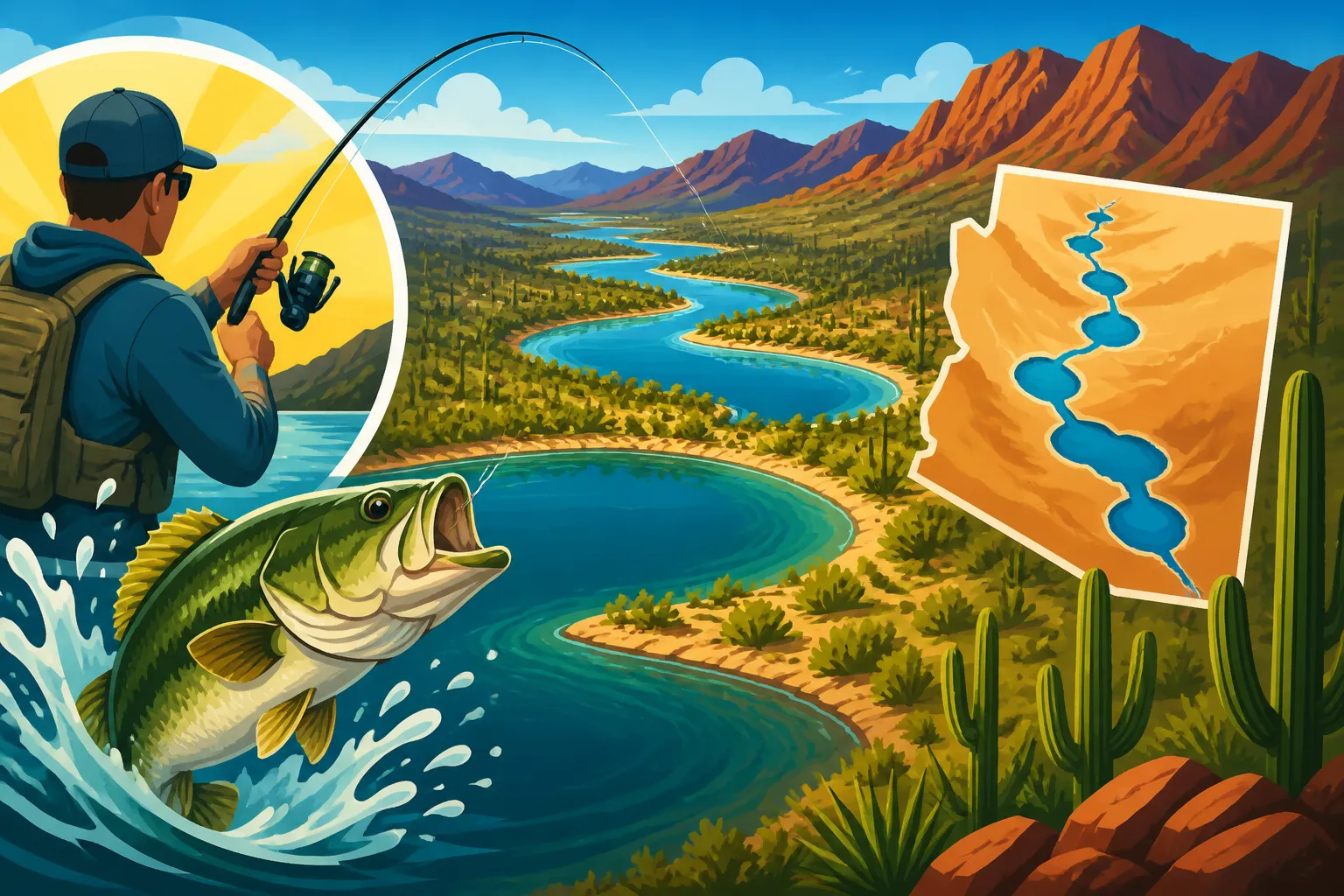
At its heart, the Salt River Chain is comprised of four major reservoirs: Roosevelt Lake, Apache Lake, Canyon Lake, and Saguaro Lake. These lakes are fed primarily by the Salt River, with additional contributions from the Verde River flowing into Roosevelt. They stretch across miles of dramatic desert landscape, each offering a unique backdrop of towering cliffs, saguaro-studded hills, and shimmering blue water. It’s a stark, beautiful contrast that defines fishing in central Arizona. While Roosevelt Lake is the largest and arguably the "head" of the chain, the term "Salt River Chain of Lakes" most commonly refers to the trio of Apache, Canyon, and Saguaro, which are more directly and sequentially linked.
These lakes were formed by the construction of massive dams in the early 20th century, taming the powerful Salt River to provide water and electricity for the rapidly growing Phoenix metropolitan area. The engineering marvels of Roosevelt Dam, Horse Mesa Dam (forming Apache Lake), Mormon Flat Dam (forming Canyon Lake), and Stewart Mountain Dam (forming Saguaro Lake) created these incredible fisheries. Understanding their origins helps appreciate not only their beauty but also their ecological significance and the incredible fishing opportunities they now provide. Each lake is essentially a giant bathtub holding precious water, but for us anglers, they're vast, living ecosystems teeming with fish.
How the Lakes Are Connected
While they're called a "chain," it's not like you can simply boat from one to the next without leaving the water. The lakes are connected by stretches of the Salt River, but these sections often involve dams and rugged canyons that make direct boat travel between them impossible. For example, to get from Apache Lake to Canyon Lake, you'd need to pull your boat out of Apache, drive it down the Apache Trail, and then launch it into Canyon Lake. It’s a journey, not a paddle!
The flow begins with the Salt River and Verde River converging into Theodore Roosevelt Lake, the largest of the SRP lakes. From Roosevelt, the Salt River flows into Apache Lake, then into Canyon Lake, and finally into Saguaro Lake before continuing its journey towards Phoenix. This sequential flow means that changes in water levels or conditions in one lake can sometimes have ripple effects further down the chain. However, each lake largely maintains its own character due to the distinct canyons and dam structures separating them. This separation is actually a good thing for anglers, as it means each body of water offers a different experience and habitat for various fish species.
A Deep Dive into Each Major Lake
Each lake in the Salt River chain holds its own unique charm and fishing prospects. From the easily accessible Saguaro to the ruggedly beautiful Apache, these lakes cater to different types of anglers and offer diverse environments.
Canyon Lake: Scenic Beauty and Diverse Fishing
Canyon Lake is often considered one of Arizona's most picturesque lakes. Nestled within a deep, narrow canyon of the Superstition Mountains, its sheer red rock cliffs and crystal-clear waters create a breathtaking backdrop for any fishing trip. It's truly a sight to behold, making it popular for both anglers and recreational boaters. Getting there is relatively easy from the East Valley of Phoenix, making it a favorite for a quick escape.
Fishing at Canyon Lake is fantastic for a variety of species. Largemouth bass thrive in its rocky points, submerged brush, and coves. Anglers often find success with jigs, drop-shots, and crankbaits worked along the steep ledges. Smallmouth bass are also present, preferring the rocky, clear water conditions. For those who enjoy a different fight, Canyon Lake is regularly stocked with rainbow trout during the cooler months, providing excellent opportunities for light tackle or fly fishing. Beyond the bass and trout, you can also target crappie in brush piles and along submerged structure, especially during their spring spawn. If you're looking for an expert to show you the ropes and navigate Canyon's unique terrain, services like FishingBooker can connect you with experienced local guides who know the lake's hot spots.
Saguaro Lake: Close to the City, Big Fish Potential
Saguaro Lake is the closest of the Salt River Chain lakes to the greater Phoenix metropolitan area, making it incredibly popular and often quite busy, especially on weekends. Don't let the crowds deter you, though; Saguaro Lake is a fantastic fishery with excellent opportunities for big bass and other species. Its sprawling open water, numerous coves, and varying depths provide a diverse habitat.
Largemouth bass are the undisputed kings of Saguaro Lake. It's known for producing some truly trophy-sized bass, particularly around its submerged vegetation, rock formations, and standing timber. Topwater lures are exciting during dawn and dusk, while plastic worms, jigs, and spinnerbaits are effective when fished deeper. Crappie fishing can also be exceptional, especially in the spring when they move into shallower coves to spawn. Look for them around brush piles and under docks. Additionally, channel catfish are abundant and offer a great fight, particularly when fishing with cut bait or stink baits in the evenings. Saguaro Lake is also stocked with rainbow trout seasonally, adding another layer of fishing excitement for families and those who prefer a different angling experience.
Apache Lake: Remote Wilderness and Trophy Hunters
Apache Lake is the most remote and rugged of the main Salt River Chain lakes, and getting there is an adventure in itself, often involving a drive along a significant unpaved section of the historic Apache Trail. This journey can be challenging for some vehicles, but the reward is a truly wild and less crowded fishing experience. The lake is long and narrow, winding through a deep canyon, offering dramatic scenery and a sense of true wilderness.
This remoteness means less pressure on the fish, making Apache Lake a prime destination for serious anglers seeking a challenge and potential trophies. It's renowned for its largemouth bass, which grow large in its clear, deep waters. The lake’s extensive rocky structure, submerged timber, and deep points are ideal habitats. Smallmouth bass also thrive here, often found hugging the canyon walls and rocky ledges. But what truly sets Apache Lake apart is its strong population of walleye, a species less common in other Arizona lakes. Walleye are prized for their elusive nature and excellent table fare, and anglers specifically target them with jigs, crankbaits, or live bait fished near the bottom in deeper sections. The lake also holds good numbers of crappie and catfish. Fishing Apache Lake often requires a robust boat and a willingness to explore its vast, intricate coves and deep channels.
Essential Access Points and Amenities
Planning a trip to the Salt River Chain of Lakes means understanding how to get there, where to launch your boat, and what facilities are available. Given their desert location, proper preparation is key.
Boat Ramps and Marinas
Each of the primary lakes—Canyon, Saguaro, and Apache—has dedicated boat ramps and marina facilities, though their accessibility and offerings vary.
- Canyon Lake: The main access is through Canyon Lake Marina. It offers multiple paved boat ramps, ample parking, a store for supplies, boat rentals, and even a restaurant. Given its popularity and proximity to Phoenix, the ramps can get very busy, especially on weekends and holidays. It's always wise to arrive early to secure a parking spot and avoid long launch lines. This is a very well-maintained facility, making it convenient for all types of boaters.
- Saguaro Lake: Saguaro Lake also boasts excellent facilities at Saguaro Lake Marina, managed by the Tonto National Forest. Similar to Canyon Lake, it provides several paved boat ramps, a marina with gas, a store, boat rentals, and dining options. Its closeness to Phoenix means it experiences heavy traffic, so planning your launch time is crucial. There's also additional bank fishing access points around the lake, providing options for anglers without boats.
- Apache Lake: Access to Apache Lake is significantly different due to its remote location on the Apache Trail. The primary boat launch is near Apache Lake Marina. While there are ramps, they are often less developed than those at Canyon or Saguaro, and the water levels can sometimes affect ease of launching. Due to the unpaved section of the Apache Trail leading to it, a high-clearance vehicle is recommended, and towing a large boat can be challenging. Always check road conditions before heading out, especially after heavy rains, which can make the dirt road impassable.
Camping and Lodging Options
For those looking to extend their fishing adventure beyond a single day, the Salt River Chain offers a range of camping and lodging options.
- Canyon Lake: Developed campgrounds like the popular Tortilla Flat Campground offer amenities such as picnic tables, restrooms, and fire rings, often requiring reservations, especially during peak season. There are also opportunities for dispersed camping in some areas, but always check Tonto National Forest regulations for specific rules regarding campfires and permitted areas. For a more comfortable stay, the Canyon Lake Marina area might offer cabins or resort-style lodging, although options are limited right on the lake.
- Saguaro Lake: Several developed campgrounds are available around Saguaro Lake, including Bagley Flat Campground, which is accessible only by boat, offering a unique backcountry camping experience. Shoreline camping is also possible in designated areas. For those who prefer solid walls and beds, there are hotels and vacation rentals in nearby Mesa and Apache Junction, though not directly on the lake. The convenience of Saguaro Lake means you can easily commute from a nearby town if you prefer.
- Apache Lake: Apache Lake Resort offers cabins and a lodge, providing a base for anglers who want to stay close to the action without roughing it in a tent. Primitive camping is also popular around Apache Lake, especially for those looking for a truly rustic experience. Remember, services are minimal here, so come prepared with all your essentials. This lake is less about luxury and more about getting back to nature, which is a huge part of its appeal.
Navigating the Apache Trail
The Apache Trail (State Route 88) is a historic and incredibly scenic route that provides access to Apache Lake and much of the Tonto National Forest. While the section to Canyon Lake and Saguaro Lake is paved and relatively easy to drive, the stretch between Tortilla Flat and the Roosevelt Dam is largely unpaved, winding, and often narrow. This section, particularly the road to Apache Lake, is where the adventure truly begins for many.
Driving the unpaved portion of the Apache Trail requires caution. It's a gravel road with sharp turns, steep grades, and significant drop-offs. Dust can be an issue, and traffic can pick up, especially during pleasant weather. It is not recommended for large RVs, low-clearance vehicles, or those towing heavy trailers, particularly the section to Apache Lake. Always check road conditions with the Tonto National Forest before you go, especially after rain or snow, as sections can become extremely challenging or even closed. Despite its challenges, the Apache Trail offers some of the most stunning panoramic views of the desert and mountain landscapes in Arizona, making the drive an integral part of the Apache Lake experience.
Fishing Opportunities: Species, Seasons, and Techniques
The Salt River Chain of Lakes is a prime destination for anglers, offering a diverse array of fish species and opportunities to hone various fishing techniques. Understanding what bites where and when is key to a successful trip.
Target Species and Their Habitats
Each lake in the chain supports a slightly different ecosystem, favoring certain fish species and offering distinct habitats.
- Largemouth Bass: These are the most sought-after game fish across all three lakes. You'll find them holding tight to structure like submerged trees, rock piles, brush, and ledges. In Canyon Lake and Apache Lake, the steep canyon walls and deep rocky points are prime real estate. Saguaro Lake, with its abundant submerged vegetation and flatter coves, also offers fantastic largemouth habitat. They’re ambush predators, so targeting areas where they can hide and dart out for prey is crucial.
- Smallmouth Bass: Known for their hard fighting nature, smallmouth bass prefer cooler, clearer, and rockier waters. They are particularly prevalent in Canyon Lake and Apache Lake, where the rocky terrain and steep drops provide ideal conditions. Look for them on points, humps, and along the canyon walls, often deeper than largemouth. They love to feed on crayfish and small baitfish, so lures mimicking these are often successful.
- Crappie: Both black and white crappie can be found in the Salt River lakes, with strong populations in all three. They are schooling fish that love to congregate around brush piles, standing timber, and underwater structures. Roosevelt Lake, upstream of Apache, is also famous for its crappie. The spring spawn is an excellent time to target them when they move into shallower coves. Anglers often use small jigs or live minnows. To refine your crappie strategy, you might want to read up on "Crappie Spawning Season Tactics".
- Catfish: Channel catfish are abundant in all the lakes, while flathead catfish, known for their size, are also present, especially in the deeper, warmer waters and tributary mouths. Catfish are primarily bottom feeders, active at night, and are often targeted using stink baits, cut bait, or live bait. The deep channels and humps are great spots for them.
- Trout: Rainbow trout are regularly stocked in Canyon Lake and Saguaro Lake during the cooler months (typically fall through spring) by the Arizona Game and Fish Department (AZGFD), providing a fantastic cold-water fishery. They prefer cooler water temperatures and are often found near the surface or in shallower coves during stocking events. PowerBait, worms, and small spinners or spoons are effective. For more specific information on where and when these fish are stocked, check out our guide on "Best Trout Fishing Spots in Arizona".
- Walleye: Apache Lake stands out for its unique walleye fishery. These elusive, light-sensitive fish prefer deeper, rocky areas. They are best targeted early morning, late evening, or at night using jigs, crankbaits, or live nightcrawlers fished near the bottom. Their keen eyesight in low light makes them challenging but rewarding to catch.
Best Times and Techniques for Success
Fishing success in Arizona's desert lakes is heavily influenced by the seasons and water temperatures. The unique climate dictates how fish behave and where they can be found.
- Spring (March-May): This is arguably the prime fishing season. As water temperatures rise, bass move into shallower coves and flats for their spawn. Topwater action can be explosive early mornings and late evenings. Crappie also spawn during this time, making them easier to locate in brushy coves. Trout stocking continues into spring until waters get too warm. This period offers fantastic opportunities for a wide range of techniques, including plastics, jigs, spinnerbaits, and crankbaits. Our guide on "Spring Bass Fishing Tactics in Arizona" offers more in-depth strategies.
- Summer (June-August): Arizona summers are brutally hot, and fishing can be challenging but rewarding. Fish move deeper to find cooler, more oxygenated water during the day. Early mornings, late evenings, and night fishing become highly effective, especially for bass and catfish. Targeting deep structure with drop shots, deep-diving crankbaits, and jigs is key. For catfish, night fishing with cut bait is a classic and very productive method. Remember to prioritize "Heat Safety Tips for Summer Fishing in Arizona" during these months.
- Fall (September-November): As temperatures cool, fish become more active, feeding aggressively in preparation for winter. This is a fantastic time for bass and crappie, as they move back into shallower and mid-depth ranges. Topwater action can resume, and a variety of lures, including swimbaits, jerkbaits, and chatterbaits, can be highly effective. Trout stocking also begins in the fall.
- Winter (December-February): While air temperatures are cool, the desert lakes rarely freeze over, offering year-round fishing. Fish activity slows down, and they tend to congregate in deeper, more stable water. Slow presentations are key. Jigs, finesse worms, and blade baits worked slowly along the bottom can entice sluggish bass. Trout fishing is at its peak in the stocked lakes, as they are most comfortable in the colder water. For a full breakdown of the yearly cycles, refer to our comprehensive "Arizona Fishing Seasons Explained" guide.
Regulations, Safety, and Conservation
Anytime you venture out to enjoy Arizona's incredible fishing, it's paramount to be informed about the rules, prioritize safety, and commit to conservation. These desert environments are precious, and it's up to all of us to protect them.
Understanding Arizona Fishing Regulations
Before you even cast a line in any of the Salt River Chain lakes, you absolutely need to have the correct fishing license. For most adults, an Arizona fishing license is mandatory. This includes residents and non-residents alike, with different fee structures for each. You can easily purchase your license online, from authorized dealers, or at AZGFD offices. For a complete understanding of your options and costs, our guides such as the "Arizona Fishing License Guide" and "Arizona Fishing License Types Compared" are excellent resources.
Beyond just the license, it’s critical to be aware of the specific bag and possession limits, as well as any size restrictions for different species. These regulations can vary by lake and species, so always consult the current Arizona Game and Fish Department Fishing Regulations booklet. For instance, there might be different size limits for bass or daily limits for crappie at Saguaro Lake versus Apache Lake. Additionally, special regulations might apply to certain waters, such as limitations on live bait or specific tackle requirements. Our deep dive into "Arizona Fishing Regulations Explained" provides comprehensive details, ensuring you stay compliant and avoid any fines or penalties.
Boating and Water Safety
The Salt River Chain lakes, while beautiful, are large, open bodies of water in a sometimes harsh desert environment. Safety must always come first.
- Personal Flotation Devices (PFDs): Arizona law requires a readily accessible U.S. Coast Guard-approved PFD for every person on board a boat. Children 12 years old and younger must wear a PFD at all times when on a vessel. It's not just a rule; it's a lifesaver, especially on busy lakes where unexpected wakes or capsizing can occur. Our guide on "PFD Requirements for Kids in Arizona" offers specific details.
- Heat and Hydration: During the vast majority of the year, Arizona's sun is intense. Dehydration and heatstroke are serious risks. Always carry plenty of water (more than you think you'll need!), wear wide-brimmed hats, sunglasses, and sun-protective clothing, and use high SPF sunscreen.
- Monsoon Season: From roughly mid-June to mid-September, Arizona experiences its monsoon season. Afternoon thunderstorms can develop rapidly, bringing strong winds, heavy rain, and dangerous lightning. If you see dark clouds building, get off the water immediately. These storms can turn a calm lake into a dangerous place in minutes.
- Boat Maintenance: Ensure your boat is in good working order before you launch. Check your fuel, battery, navigation lights, and emergency equipment. Having a marine radio or fully charged cell phone is also wise, especially on more remote lakes like Apache.
Protecting Our Desert Fisheries
We are privileged to enjoy these unique desert fisheries, and it’s our responsibility to protect them for future generations.
- Catch and Release: For many anglers, especially those targeting bass, practicing catch and release is a crucial part of conservation. If you plan to release fish, handle them gently, minimize their time out of water, and use appropriate tools like de-hookers. For specific guidance, refer to "Catch and Release Rules for Arizona Anglers".
- Leave No Trace: Pack out everything you pack in. This includes fishing line, bait containers, food wrappers, and anything else you bring. The desert environment is fragile, and litter degrades its beauty and harms wildlife.
- Preventing Invasive Species: Invasive species can decimate native fish populations and alter ecosystems. Always clean, drain, and dry your boat, trailer, and gear after leaving one lake and before entering another. This prevents the spread of harmful organisms like quagga mussels.
Planning Your Salt River Lakes Adventure
Embarking on a fishing trip to the Salt River Chain of Lakes is an experience unlike any other. With a little planning, you can maximize your chances of success and ensure a memorable outing.
Essential Gear Checklist
Heading into the Arizona desert, even to a lake, requires a bit more thought than a casual trip to a local pond. The sun is intense, the terrain can be rugged, and having the right gear can make or break your day.
First and foremost, your fishing setup. For bass fishing, a medium-heavy rod with a baitcasting or spinning reel spooled with 10-15 lb fluorocarbon or braided line is a versatile choice. For crappie, a light-action rod with a small spinning reel is ideal. If you're targeting trout, a light spinning rod with 4-6 lb test line will do the trick. A good selection of lures and baits is also crucial:
- Bass: Soft plastics (worms, creature baits), jigs, crankbaits (both shallow and deep diving), spinnerbaits, and topwater lures.
- Crappie: Small jigs (1/16 to 1/8 oz), live minnows, and small plastic tubes.
- Catfish: Cut bait, stink baits, hot dogs, and chicken livers.
- Trout: PowerBait, salmon eggs, worms, small spinners (e.g., Rooster Tails, Mepps).
Don't forget essential terminal tackle like hooks (various sizes), sinkers, bobbers, and swivels. A tackle box or bag that's easy to carry is a must. If you need some pointers on what to pack, our "Essential Tackle Box Setup for Arizona Beginners" guide is a great starting point, and for those focused on bass, check out "Best Fishing Rods for Bass in Arizona".
Beyond fishing tackle, consider the environmental factors. Sunscreen, a wide-brimmed hat, polarized sunglasses (crucial for spotting fish and structure in clear water), and lightweight, breathable clothing are absolute necessities. Pack plenty of water and snacks, and a cooler to keep them chilled. A first-aid kit is always a smart addition, especially for more remote locations like Apache Lake. Finally, a good pair of pliers or a multi-tool for hooks, a fishing net, and a stringer or livewell if you plan on keeping fish are invaluable.
| Lake | Primary Fish Species | Key Characteristics | Accessibility Level | Popular Activities (Besides Fishing) |
|---|---|---|---|---|
| Canyon Lake | Largemouth Bass, Smallmouth Bass, Crappie, Rainbow Trout | Deep, clear water, steep canyon walls, very scenic | Easy (paved road) | Boating, wakeboarding, swimming, hiking |
| Saguaro Lake | Largemouth Bass, Crappie, Catfish, Rainbow Trout | Large, sprawling, accessible, good vegetation cover | Very Easy (paved road) | Boating, jet skiing, paddleboarding, camping |
| Apache Lake | Largemouth Bass, Smallmouth Bass, Walleye, Crappie, Catfish | Remote, rugged, deep canyons, less crowded | Challenging (unpaved road) | Boating, primitive camping, wilderness exploration |
When to Go and What to Expect
The best time to visit the Salt River Chain of Lakes depends entirely on what you're hoping to experience.
- For Fishing: As discussed, spring and fall offer the most consistent action for bass and crappie. Winter is excellent for trout and can provide good deep-water bass fishing. Summer means very early morning, late evening, or night fishing. Check local fishing reports and weather forecasts before you go.
- For Fewer Crowds: If you prefer solitude, consider visiting on weekdays or during the off-peak seasons (late fall, winter, or early summer mornings). Apache Lake is generally less crowded than Canyon or Saguaro due to its more challenging access. Weekends, especially during spring and fall, see heavy recreational traffic on Canyon and Saguaro Lakes, which can impact fishing conditions and boat ramp availability.
- Weather Considerations: Arizona weather can change quickly. Always monitor forecasts, especially during monsoon season when sudden storms can create dangerous conditions. In winter, while rare, some higher-elevation areas near the lakes can experience freezing temperatures, especially overnight.
Choosing the right lake for your experience is also crucial. If you're a beginner or fishing with family, Saguaro Lake or Canyon Lake offer easier access and more amenities. If you're an experienced angler seeking a wilderness challenge and potential trophy fish, Apache Lake might be your ideal destination.
Hiring a Fishing Guide
For many, especially those new to Arizona's desert lakes or unfamiliar with their unique challenges, hiring a professional fishing guide can be an invaluable investment.
Guides possess intimate knowledge of the local waters, including the best fishing spots, current patterns, and effective techniques for the season. They can provide all the necessary equipment, eliminating the need for you to invest in specialized gear. A guide can teach you new methods, help you understand fish behavior in these specific environments, and significantly increase your chances of a successful and enjoyable trip. This is particularly true for lakes like Apache, where navigation and fish location can be quite complex.
Platforms like FishingBooker are excellent resources for finding and booking local fishing guides for the Salt River Chain. You can browse different guides, compare their specialties (e.g., bass, crappie, walleye), read reviews, and find an experienced captain who can tailor a trip to your preferences. Whether it's a half-day instructional trip or a full-day hunt for a trophy, a good guide can transform your fishing experience into an unforgettable adventure.
Disclaimer
The information provided in this guide is for general informational purposes only and should not be considered legal advice. Fishing regulations, license requirements, and safety guidelines can change. Always consult the most current regulations published by the Arizona Game and Fish Department (AZGFD) and local authorities before engaging in any fishing or boating activities. Adhere to all posted signs and rules at marinas, boat ramps, and campgrounds. Fishing and outdoor activities carry inherent risks; always prioritize your safety and prepare accordingly.