Best Fishing Spots on the Colorado River Border
Finding truly outstanding fishing spots along the sprawling Arizona-California and Arizona-Nevada border, where the mighty Colorado River flows, can feel like searching for a needle in a haystack for many anglers. With its vastness and diverse ecosystems, it's tough to know where to drop a line for the best chance at a trophy catch. This comprehensive guide is here to cut through the confusion, pinpointing the prime locations and offering insider tips to make your next Colorado River fishing adventure a resounding success.
Exploring the Unique Colorado River Border Fishing Experience
The Colorado River as it forms Arizona's western border is a magnificent and complex fishery, unlike many of the state's interior desert lakes. It's a lifeline carving through desert landscapes, creating a series of large reservoirs and riverine sections that host an incredible variety of fish. For many anglers, the sheer scale of it can be daunting, but with a little guidance, you'll discover why it's a prime destination for everything from bass to monstrous catfish.
The Allure of Border Waters
What truly sets the Colorado River border apart is its unique blend of environmental factors and management strategies. You're not just fishing a lake; you're fishing a legendary river system with diverse habitats ranging from deep, clear canyons to broad, shallow backwaters. This incredible diversity translates into a robust fishery, supporting both warmwater species that thrive in the lower river's heat and coldwater species sustained by dam releases further north. It’s a place where you can target multiple species in a single trip, offering a dynamic and rewarding experience.
Beyond the fishing itself, the scenery is breathtaking, with towering red rock cliffs, vast desert expanses, and vibrant sunsets over the water. It’s more than just a fishing trip; it’s an outdoor adventure that feels truly wild. However, navigating the regulations can be a bit trickier here, as you're often dealing with two states' rules, sometimes even different local regulations depending on where you launch or cast your line. Always consult the latest Arizona Fishing Regulations Explained before you go.
Primary Game Fish Species
The Colorado River border waters are a veritable buffet for anglers, boasting a fantastic array of sportfish. Each section of the river tends to favor certain species, which is key to understanding where to focus your efforts.
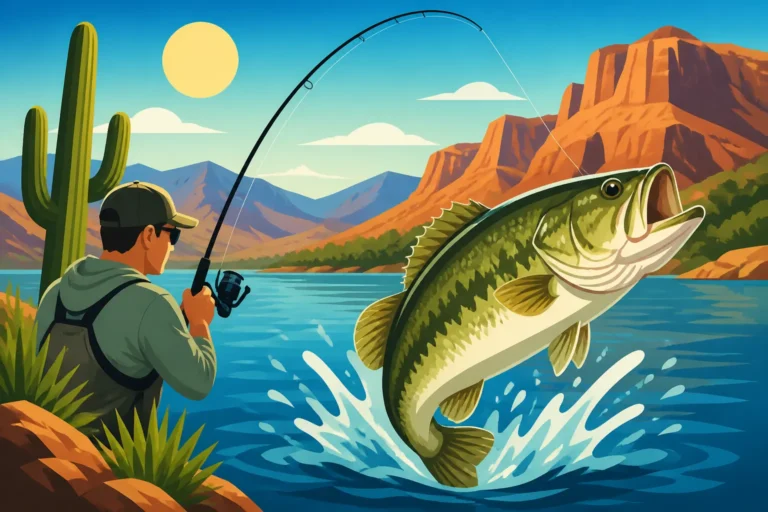
- Largemouth and Smallmouth Bass: These are perennial favorites, found throughout the river's reservoir sections and even in some calmer river stretches. Largemouth prefer structure, submerged vegetation, and warmer, shallower water, while smallmouth gravitate towards rocky points, ledges, and deeper, cooler areas, especially around Lake Havasu and Lake Mohave.
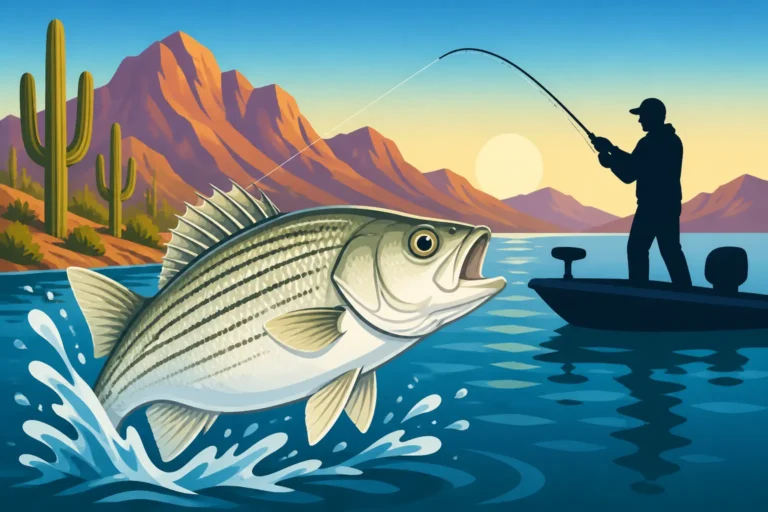
- Striped Bass: Known for their schooling behavior and powerful fights, stripers are abundant in the large reservoirs like Lake Mead, Lake Mohave, and especially Lake Havasu. They often chase baitfish in open water, creating exciting "boils" that anglers eagerly pursue. Knowing How to Fish for Striped Bass is crucial for success with these powerful fighters.
- Catfish (Channel, Flathead, Blue): The lower Colorado River, particularly around the Yuma area and connecting reservoirs, is renowned for its catfish population. Flatheads are the true giants, often found lurking in deep holes, submerged timber, and along rocky banks. Channel catfish are more widespread and can be caught using various methods, especially at night. For those targeting a truly massive fish, the river's unique characteristics provide ample habitat for these whiskered beasts.
- Trout (Rainbow): While Arizona is a desert state, sections of the Colorado River, primarily below dams like Glen Canyon Dam (Lees Ferry) and Davis Dam (Willow Beach), are cold enough to sustain excellent rainbow trout fisheries. These sections are regularly stocked, offering fantastic opportunities for fly fishing and spin fishing alike.
- Panfish (Bluegill, Redear Sunfish, Crappie): These smaller, feisty fish are found in most of the river's calmer sections and backwaters, providing excellent action for kids and bait anglers. Crappie, in particular, can offer fantastic fishing, especially during their spawning season around submerged brush and timber.
Lake Havasu: A Trophy Fisher's Paradise
Lake Havasu, famous for the London Bridge, is far more than a tourist attraction—it's a world-class fishing destination, especially for trophy largemouth and striped bass. This reservoir, formed by Parker Dam, offers incredibly diverse habitat, from rocky points and deep ledges to extensive submerged structure and clear water, making it a challenging but highly rewarding experience for anglers.
Legendary Bass Fishing Hotspots
Lake Havasu holds a special place in the hearts of bass anglers due to its reputation for producing both quantity and quality. The lake’s abundant cover, including natural rock formations, artificial habitat structures (like those deployed by the Lake Havasu Fisheries Improvement Program), and dense submerged vegetation, creates ideal ambush points for bass.
Anglers often target the main lake points, coves, and the numerous islands scattered throughout. Areas like Blankenship Bend, Cattail Cove, and the main lake's deeper, rocky shorelines are consistently productive. You'll find success with a variety of techniques, from flipping jigs and Texas-rigged plastics into heavy cover to throwing crankbaits and swimbaits along drops and ledges. The best times are typically spring and fall when bass are more active in shallower waters, but deep-water techniques can yield big results even in the summer heat. This lake is easily one of the Best Bass Fishing Lakes in Arizona.
Striper Action and Forage
If explosive topwater action and hard-fighting fish are what you're after, Lake Havasu's striped bass fishery is absolutely phenomenal. These predatory fish thrive in the lake's open waters, constantly on the hunt for baitfish like threadfin and gizzard shad. When conditions are right, you'll witness "boils" – frantic feeding frenzies where schools of stripers push bait to the surface, creating a visual spectacle and an angler's dream.
Targeting stripers often involves trolling with spoons or crankbaits in deeper channels, casting topwater lures or swimbaits into boils, or even live baiting with shad. Popular areas for stripers include the main basin, around the London Bridge, and near the dam. Early mornings and late evenings are often the most productive, but dedicated anglers can find success throughout the day, especially if they can locate schools of baitfish with a good fish finder. Consider a guide from a service like FishingBooker to help you find the best striper schools.
Lake Mohave: Diverse Waters and Abundant Species
Stretching 67 miles from Hoover Dam to Davis Dam, Lake Mohave is another majestic reservoir on the Colorado River border, offering a vastly different fishing experience than Havasu. Its deep, clear waters, dramatic canyon walls, and varied depths make it a prime location for a mixed bag of species, appealing to anglers who enjoy targeting multiple fish in a single outing.
Northern vs Southern Sections
Lake Mohave can be broadly divided into two distinct fishing zones: the northern, canyon-like section and the broader, more open southern portion. Each offers unique challenges and opportunities.
The northern section, closer to Hoover Dam, is characterized by narrow canyons, extremely deep water (often exceeding 400 feet), and steep, rocky shorelines. This area is known for excellent smallmouth bass fishing, with fish often holding to rocky ledges and submerged structure. Trout, particularly rainbow trout, are also stocked in the cooler waters below Hoover Dam, offering a cold-water fishery often pursued by fly anglers or those using lighter tackle. Access here is primarily by boat, with launches like Willow Beach offering a gateway to this stunning, rugged environment. The clarity of the water here often demands finesse techniques and lighter lines.
In contrast, the southern section of Lake Mohave, from Cottonwood Cove south to Davis Dam, widens considerably. Here, you'll find more coves, submerged islands, and a mix of rocky and sandy shorelines. This area is fantastic for largemouth bass, striped bass, and a thriving population of channel catfish. The broader expanses allow for more trolling opportunities for stripers, and the numerous coves provide excellent structure for bass. Campers and shore anglers will find more accessible spots in this section.
Species Diversity and Tactics
Lake Mohave truly shines in its species diversity. Anglers can realistically target smallmouth bass, largemouth bass, striped bass, channel catfish, rainbow trout, and even some panfish all in the same trip, often using different techniques depending on the target species.
For smallmouth bass, focus on rocky points, steep drops, and submerged ledges, especially in the northern canyon sections. Drop-shot rigs, Ned rigs, and small swimbaits are highly effective. Largemouth bass will be found in the warmer, shallower coves of the southern lake, often relating to submerged brush or docks, responding well to jigs, Texas rigs, and crankbaits. Striped bass often roam the open water, chasing baitfish, and can be caught by trolling, casting spoons, or targeting boils. You can also find Best Bass Fishing Lakes in Arizona in other regions, but Mohave offers a unique high-desert canyon experience.
Catfish are abundant throughout the lake, particularly in the deeper, muddier bottoms of coves and the main channel. Night fishing with cut bait or stink bait is extremely popular and effective for channel cats. Rainbow trout, concentrated in the colder waters near Willow Beach, respond well to PowerBait, small spoons, or flies. This incredible variety requires a versatile approach, making Lake Mohave an exciting destination for anglers who love to adapt their tactics.
Willow Beach: Trout Fishing in a Canyon Oasis
Nestled in the dramatic Black Canyon below Hoover Dam, Willow Beach is a unique and highly popular fishing destination within the Lake Mohave section of the Colorado River. It offers a distinct fishing experience, primarily known for its excellent rainbow trout fishery, but also holding surprises for other species.
Stocked Trout Opportunities
Willow Beach is a designated trout management area, receiving regular stockings of rainbow trout from the Arizona Game and Fish Department (AZGFD). The cold, clear water released from Hoover Dam creates an ideal environment for trout, making it one of the premier Best Trout Fishing Spots in Arizona. Anglers can fish from the accessible fishing pier, along the shoreline, or from boats.
Many anglers find success using light tackle with PowerBait, corn, or small spinners like Rooster Tails or Panther Martins. Fly fishing is also incredibly popular here, with various nymph and streamer patterns proving effective. The trout stocked here are often of good size, providing a fun and rewarding experience for anglers of all skill levels. Because of the clear water, a stealthy approach and light fluorocarbon leaders are often recommended. Remember to check the Trout Stamp Requirements in Arizona if you plan to keep your catch.
Striper and Bass Challenges
While trout are the stars at Willow Beach, the area also holds a respectable population of striped bass and largemouth bass, offering a different kind of challenge. These fish often prey on the stocked trout, so using trout-imitation swimbaits or larger crankbaits can be highly effective for targeting bigger, more predatory fish.
Stripers here can be elusive, often holding in deeper channels or congregating around submerged structure, waiting for an opportunity to ambush passing baitfish or newly stocked trout. Largemouth bass will be found closer to the shore, relating to any available cover like submerged brush or rocky ledges. Successfully targeting these species often requires a more patient and strategic approach than the more readily available trout, but the reward of a big striper or a hard-fighting largemouth in such a beautiful setting is truly unforgettable. For those looking to maximize their chances, especially for larger game, contacting a local guide through FishingBooker can provide invaluable insights and put you on the fish.
Yuma Area: Lower River Delights and Catfish Havens
As the Colorado River snakes south towards the Mexican border, the landscape transforms, and so does the fishing. The Yuma area, characterized by broader, slower-moving stretches of river and several impoundments, becomes a prime destination for different species, most notably the colossal flathead catfish and an abundance of channel cats.
Flathead Catfish Dreams
The lower Colorado River around Yuma is legendary for its flathead catfish. These monsters can grow to immense sizes, with many anglers pursuing trophy-class fish weighing 50 pounds or more. Flatheads are ambush predators, preferring live bait and often lurking in deep holes, around submerged timber, rock piles, or undercut banks.
Popular spots include the main river channel, especially below Laguna Dam and Imperial Dam, as well as the numerous backwaters and irrigation canals that feed off the river. Night fishing is a particularly effective time to target flatheads, as they become more active under the cover of darkness. Heavy-duty tackle, strong braided line, and robust hooks are essential for wrangling these powerful fish. If you're looking for a serious battle and the chance at a true freshwater giant, the Yuma area is a bucket-list destination for Best Catfish Fishing Spots in Arizona.
Laguna Dam and Imperial Reservoir
Beyond the main river channel, Laguna Dam and the expansive Imperial Reservoir offer fantastic opportunities for both catfish and other warmwater species. Imperial Reservoir, in particular, is a sprawling body of water known for its healthy populations of largemouth bass, channel catfish, and various panfish.
Table: Key Fishing Spots on the Lower Colorado River (Yuma Area)
| Location | Primary Species Target | Best Fishing Methods | Key Features / Tips |
|---|---|---|---|
| Main River Channel | Flathead Catfish, Channel Catfish | Live bait (bluegill, carp), cut bait, bottom rigs | Deep holes, submerged timber, night fishing, heavy tackle |
| Laguna Dam Area | Flathead Catfish, Channel Catfish | Live bait, cut bait, sturdy bottom rigs | Below the dam for current breaks, deep eddies, structure |
| Imperial Reservoir | Largemouth Bass, Channel Catfish, Panfish | Jigs, plastics, crankbaits for bass; cut bait, worms for catfish/panfish | Submerged vegetation, old structures, calmer waters, excellent for boats |
| Mittry Lake | Largemouth Bass, Catfish, Crappie | Topwater, jigs, plastics for bass; minnows for crappie | Diverse cover, brush piles, lily pads, good for kayaks/small boats |
Mittry Lake, a backwater area connected to the river, is another gem for bass and crappie anglers. Its numerous brush piles, lily pads, and submerged vegetation create ideal habitat. This area is perfect for those who prefer fishing from a kayak or smaller boat, allowing access to tighter coves and shallow-water cover. For residents and nonresidents alike, securing your Arizona Fishing License Guide is the first step to enjoying these fantastic waters.
Essential Gear and Safety for Colorado River Angling
Fishing the Colorado River border waters can be an incredible experience, but it also demands respect for the environment and preparation for the conditions. Unlike smaller, calmer lakes, the river system presents unique challenges that require specific gear and a strong emphasis on safety.
Tackle Box Essentials
Given the diversity of species and habitats along the Colorado River, your tackle box needs to be versatile. You won't want to show up with just one type of setup!
- Rods and Reels: Consider bringing at least two different setups. A medium-heavy action casting rod with a baitcasting reel spooled with 15-20 lb fluorocarbon or braided line is ideal for bass and lighter striper techniques. For heavier applications like flathead catfish or deep-water stripers, a heavy-action rod with a robust spinning or baitcasting reel spooled with 30-60 lb braided line is a must. For trout, a light to medium-light spinning rod with 4-6 lb monofilament or fluorocarbon will be perfect. Check out Best Fishing Rods for Bass in Arizona for specific recommendations.
- Lures and Baits: Stock a variety: jigs, Texas-rigged plastics, crankbaits, and swimbaits for bass. Spoons, larger swimbaits, and topwater lures are excellent for stripers. For catfish, bring plenty of cut bait (such as anchovies, sardines) or live bait (if legal and available). PowerBait, worms, and small spinners are essential for trout.
- Terminal Tackle: Don't forget an assortment of hooks (worm hooks, treble hooks, circle hooks for bait fishing), sinkers (bullet weights, egg sinkers, drop shot weights), swivels, and leader material (fluorocarbon in various strengths). A good pair of fishing pliers and a sharp line cutter are invaluable tools.
Boating Safety and River Know-How
Much of the best fishing on the Colorado River border requires a boat, and understanding boating safety is paramount. The river can be wide and deceptively fast in some sections, with changing currents and submerged hazards.
- Life Jackets (PFDs): Absolutely essential. Everyone on board must have an approved Personal Flotation Device, and children must often wear them at all times while underway. Familiarize yourself with Boating Safety Gear Requirements in Arizona.
- Navigation: Carry up-to-date maps or use reliable GPS navigation. Understand buoy markers and navigational aids. Pay attention to current conditions, especially near dams or in narrow channels.
- Weather Awareness: Desert weather can change rapidly. High winds can make the large reservoirs extremely choppy and dangerous for smaller boats. Always check the forecast before heading out and be prepared to seek shelter if storms roll in.
- Hydration and Sun Protection: The Arizona sun is no joke, even in cooler months. Bring plenty of water, wear sunscreen, wide-brimmed hats, and UV-protective clothing. Dehydration and sunstroke are real risks.
- Respect for Wildlife: The river ecosystem is home to diverse wildlife. Maintain a respectful distance from animals, and be aware of potential hazards like rattlesnakes on shorelines.
Whether you’re a resident or an out-of-state angler, securing your Arizona Fishing License Costs and knowing the specific regulations for the section of the river you plan to fish is the first step to a safe and successful trip.
Final Thoughts on Your Colorado River Adventure
The Colorado River border offers some of Arizona's most spectacular and rewarding fishing experiences. From the trophy bass of Lake Havasu and the diverse waters of Lake Mohave to the serene trout streams of Willow Beach and the giant catfish havens around Yuma, there's truly something for every type of angler. The sheer scale and natural beauty of this river system are unparalleled, promising not just great fishing but an unforgettable outdoor adventure.
Remember, preparation is key. A well-stocked tackle box, an understanding of the local species and their habits, and a strong commitment to safety will ensure your time on these magnificent waters is both productive and enjoyable. Whether you're chasing a state record or simply looking to spend a peaceful day by the water, the Colorado River is waiting to share its bounty.
Disclaimer
The information provided in this guide is for general informational purposes only and is subject to change. Always consult the official Arizona Game and Fish Department regulations and local authorities before fishing, boating, or engaging in any outdoor activities. Fishing conditions, regulations, and access points can vary seasonally and geographically.