Best Areas for Crappie at Roosevelt Lake
The frustration of hitting a massive lake like Roosevelt and feeling completely lost when it comes to finding fish is something every angler knows. You see those stunning photos of overflowing crappie limits, but replicating that success feels impossible without insider knowledge. This guide is here to cut through the guesswork, revealing the best areas and strategies for targeting crappie on Arizona's magnificent Roosevelt Lake.
Understanding Roosevelt Lake's Crappie Dynamics
Roosevelt Lake isn't just big; it's an incredibly diverse fishery, and understanding its unique personality is the first step to consistently catching crappie. This massive reservoir, formed by the Salt River and Tonto Creek, offers a smorgasbord of habitats that appeal to crappie throughout the year. But to truly unlock its potential, you need to think like a crappie – what are they looking for, and when?
The Allure of Roosevelt Crappie Fishing
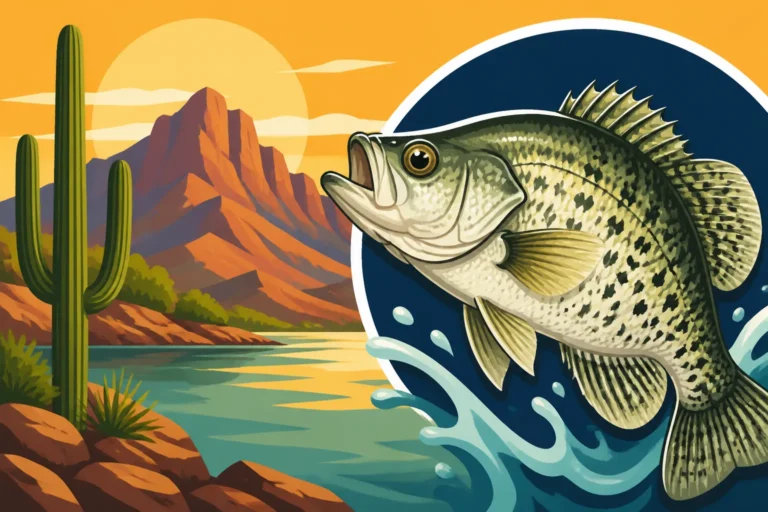
For many Arizona anglers, catching crappie at Roosevelt Lake isn't just a pastime; it's a passion. The lake is renowned for producing both black and white crappie, with impressive sizes that often surprise newcomers. These delicious panfish offer a fantastic fight on light tackle, and when you find a school, the action can be non-stop. Imagine pulling in slab after slab, the cooler slowly filling with fillets – that's the dream of crappie fishing at Roosevelt. What makes them so enticing is their schooling nature. Find one, and you've likely found a hundred, making for memorable days on the water. However, finding that initial fish in such a vast body of water can be the ultimate challenge. It's not uncommon for anglers to spend hours searching, only to pack up without a bite if they don't know where to start.
Key Habitat Features Crappie Seek
Crappie are ambush predators, and their behavior is heavily influenced by structure and cover. At Roosevelt, this means focusing on a few key habitat types. Submerged timber, especially old mesquite trees and flooded brush, is a crappie magnet. These areas provide protection from predators, shade from the intense Arizona sun, and a buffet of baitfish. Creek channels, particularly where they meander through deeper sections or create distinct breaks in the bottom contour, also hold significant numbers of crappie. These channels act as underwater highways, guiding fish movement and concentrating them in specific areas. Additionally, look for humps, ledges, and rocky points that drop off into deeper water. Crappie will often suspend over these features, particularly during non-spawning periods. When the lake levels fluctuate, new areas of submerged vegetation or timber can become prime crappie real estate, constantly shifting the best spots, which can be a real headache for those who fish infrequently.
Seasonal Movements and Patterns
Understanding the seasonal movements of crappie is paramount to success on Roosevelt Lake. Like many fish, crappie follow distinct patterns throughout the year.
- Spring (Pre-Spawn and Spawn): This is arguably the most anticipated time for crappie fishing. As water temperatures rise into the 60s Fahrenheit, crappie move from deeper winter haunts towards shallower, protected coves and creek arms to spawn. They'll stage on brush piles and submerged timber near these areas before moving into even shallower water to lay their eggs. This period, often from March through May, can offer incredible action. For more detailed insights, you might want to check out information on Crappie Spawning Season Tactics.
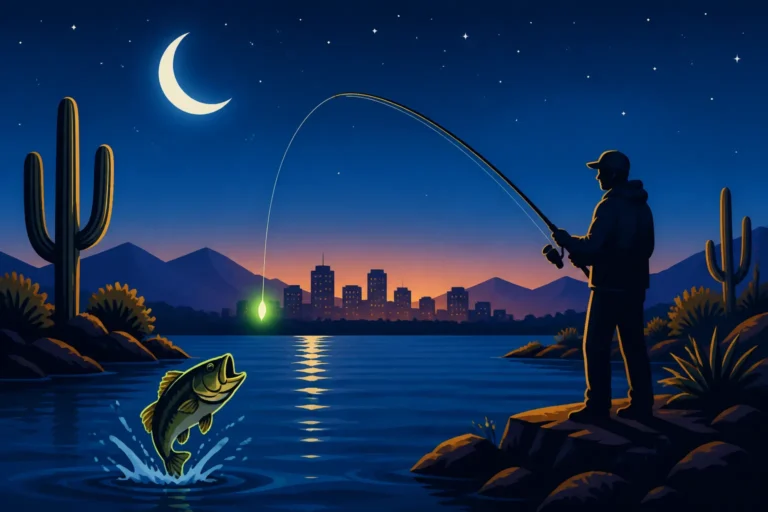
- Summer: Once the spawn is over and water temperatures really heat up, crappie retreat to deeper, cooler water. They'll often suspend over submerged timber, creek channels, or deep humps, seeking thermal comfort and schooling tightly. Night fishing can be particularly productive during the summer months when crappie move shallower to feed under the cover of darkness. They become more elusive during the day, making them a tougher target.
- Fall: As temperatures cool in the autumn, crappie become more active again. They'll start to move out of the deepest summer haunts, following baitfish into creek channels and larger coves, feeding aggressively to build up fat reserves for winter. This can be another fantastic time to fish, often with less pressure than the spring spawn.
- Winter: While not as popular as spring, winter fishing for crappie at Roosevelt can be excellent if you know where to look. Crappie will typically hold in deeper water, often suspending in dense schools over submerged timber or along defined creek channels. They can be finicky but will readily bite a slow-presented jig or minnow when located.
Top Crappie Hotspots on Roosevelt Lake
Roosevelt Lake is vast, stretching across thousands of acres, making it seem impossible to narrow down the best crappie spots. But over the years, certain areas have consistently proven to be crappie magnets due to their unique underwater structure and nutrient flow. These are the spots where local legends are made and where you’re most likely to find those elusive slabs.
The Legendary Tonto Creek Arm
When crappie fishing at Roosevelt Lake comes up in conversation, the Tonto Creek Arm is almost always mentioned first, and for good reason. This arm is perhaps the most famous and productive crappie fishery on the entire lake. Its extensive network of submerged timber, brush piles, and winding creek channels provides ideal habitat for crappie, particularly during the crucial spring spawning period. As the water warms, crappie migrate en masse into the shallower back coves and along the timber-laden banks of the Tonto.
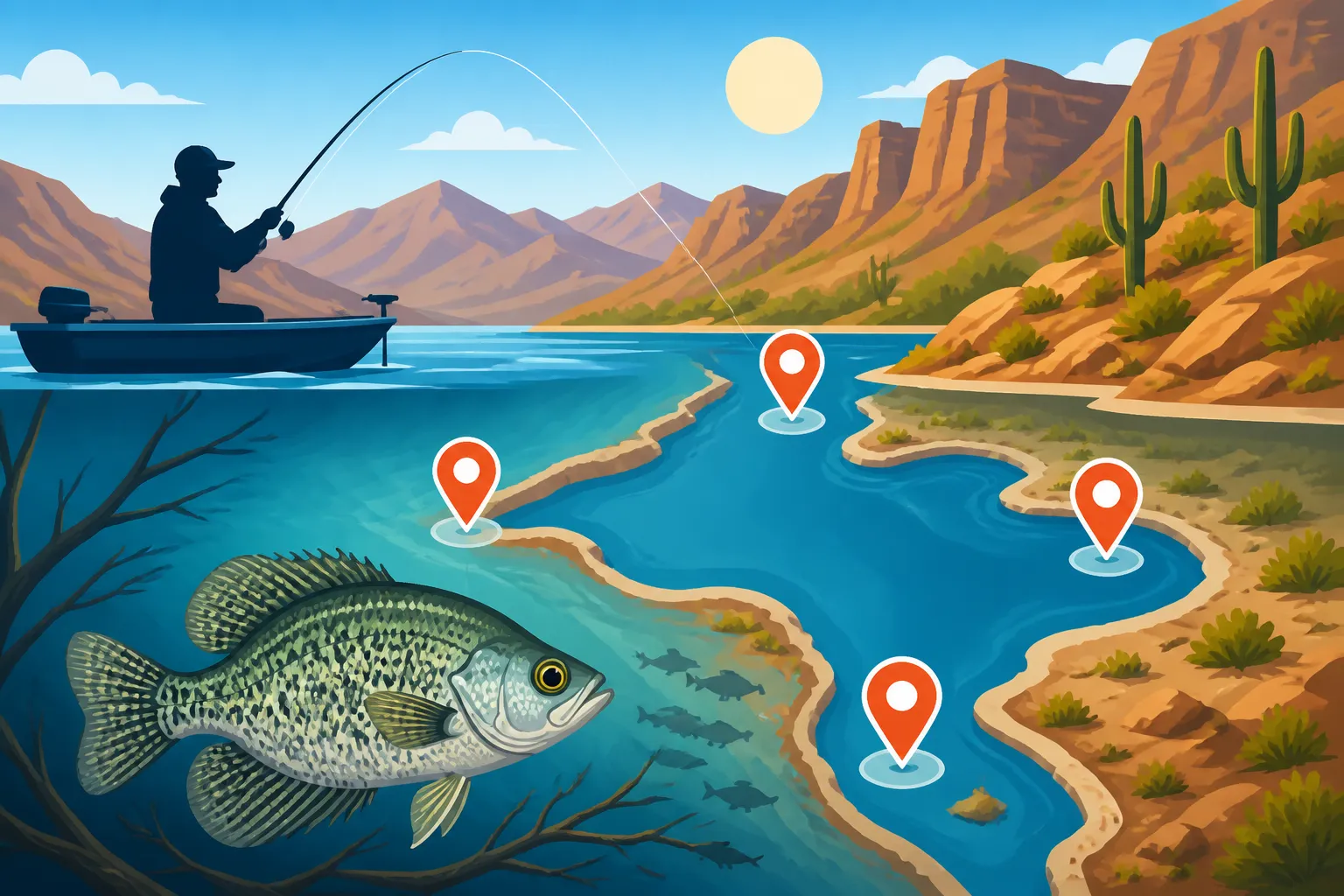
Anglers often find success by slowly navigating through the timber, using their electronics to pinpoint brush piles or schools of fish suspended amongst the trees. The main creek channel itself, which carves its way through the arm, is a prime location for crappie during all seasons, especially when they retreat to deeper water. During the spawn, areas like Grapevine Point and the numerous small coves leading off the main channel become hotbeds of activity. The sheer volume of cover means you can spend days exploring different pockets, each with the potential for a new crappie honey hole. Many seasoned anglers will spend their time mapping out these areas, dropping waypoints on their GPS for future reference. If you're looking to learn the ropes or want to guarantee a good outing, you might consider booking a guided trip through a service like FishingBooker, where local experts can show you the specific brush piles and techniques that work best here.
Navigating the Salt River Arm
While the Tonto Creek Arm often steals the spotlight, the Salt River Arm offers equally fantastic, though sometimes different, crappie opportunities. This arm is generally deeper and can hold crappie in impressive numbers, especially during the colder months when fish congregate in deeper timber and along the main river channel. The Salt River Arm is characterized by long, winding channels and steep bluff walls in certain sections, providing a different type of structure compared to the more expansive, timber-filled flats of the Tonto.
Look for areas with standing timber in deeper water, particularly where the old river channel bends or meets a sharp drop-off. Crappie will often suspend directly in or just above these submerged trees. Access points like Windy Hill Recreation Site can give you a good starting point for exploring this arm. The numerous feeder creeks and washes that enter the Salt River Arm can also be productive, especially after rain events that bring in new nutrients and baitfish. During the summer, fishing deep with jigs or live minnows around these structures can yield excellent results. For those who prefer trolling, this arm can be ideal, as the wider channels allow for easier navigation while covering more water to locate schools. Remember to keep an eye on your fish finder; crappie in this area often stack up vertically in the timber.
Exploring Smaller Coves and Tributaries
Beyond the two main arms, Roosevelt Lake is dotted with countless smaller coves, points, and tributary mouths that can be incredibly productive for crappie, often with less fishing pressure. These hidden gems require a bit more exploration but can yield big rewards.
Areas like Schoolhouse Point, Indian Point, and the coves around Salome Creek are prime examples. These spots typically feature a mix of submerged brush, rocky ledges, and gradual slopes that crappie frequent. In the spring, these smaller, protected coves warm up quickly, drawing crappie in for the spawn. During the summer and winter, crappie will often stage in the deeper water just outside these coves, moving in and out to feed. Always pay attention to the contour maps of the lake, looking for subtle changes in depth, old roadbeds, or areas where the shoreline suggests submerged structure. A good fish finder is invaluable here, helping you locate hidden brush piles or schools of crappie suspended in open water. Don't overlook the potential of these less-pressured areas; sometimes the best crappie fishing is found by simply taking the time to explore a new bend or a quiet cove. Even a short exploratory trip on a new section of the lake can reveal a hot spot that others are overlooking.
| Roosevelt Lake Crappie Hotspots | Key Features | Best Season(s) | Primary Techniques | Notes |
|---|---|---|---|---|
| Tonto Creek Arm | Extensive submerged timber, brush, creek channels | Spring, Fall | Spider Rigging, Vertical Jigging, Casting Jigs | Most popular, can be crowded. Excellent for spawning. |
| Salt River Arm | Deeper timber, main river channel, bluff walls | Winter, Summer | Vertical Jigging, Trolling, Night Fishing | Good for deeper-holding fish. Less pressure. |
| Smaller Coves/Tributaries | Mixed brush, rocky ledges, subtle drops (e.g., Schoolhouse Point, Salome Creek) | Spring, Fall | Casting Jigs, Live Minnows, Slip Bobbers | Less pressure, requires exploration. |
Essential Techniques and Gear for Roosevelt Crappie
Knowing where to fish is only half the battle; knowing how to fish for crappie at Roosevelt Lake is the other crucial piece of the puzzle. Crappie can be notoriously finicky, and presenting your bait or lure correctly can make all the difference between a triumphant day and a frustrating blank.
Mastering the Art of Crappie Rigs
Crappie anglers have developed a variety of effective rigs, each suited to different conditions and preferences. One of the most popular and effective methods, especially on a lake with as much submerged timber as Roosevelt, is spider rigging. This involves using multiple rods (often 4-8 or even more, depending on regulations) deployed from the front of the boat, spaced out like spider legs. Each rod is typically rigged with a small jig or a minnow on a light leader, fished vertically at varying depths as you slowly troll or drift. This method allows you to cover a wide swathe of water and present baits at different depths simultaneously, increasing your chances of finding the crappie schools.
Another staple is the slip bobber rig. This is fantastic for targeting crappie at a specific depth, especially when they are suspended over structure or in standing timber. The slip bobber allows you to cast a bait (often a live minnow or a small jig) a good distance, then have the bobber slide down the line to a predetermined stop knot, setting your bait exactly where the fish are holding. It's a precise and visual way to fish, perfect for when crappie are shy or in areas where a boat can't get too close. For specific baiting strategies, exploring How to Rig a Live Minnow for Crappie could be incredibly beneficial.
Finally, a simple jig and minnow or jig-only setup remains a go-to for many. A light action spinning rod, 4-6 lb test line, and a small 1/16 oz to 1/32 oz jig head tipped with a soft plastic grub or a live minnow is a deadly combination. This allows for vertical jigging, casting to visible structure, or even trolling slowly behind the boat. The key is using light enough line and sensitive enough rods to detect those subtle crappie bites, which can sometimes feel like nothing more than a slight tick or added weight on the line.
Effective Baits and Lures
When it comes to baits and lures for Roosevelt Lake crappie, simplicity often wins. Live bait is hard to beat, with live minnows being the undisputed king. Crappie simply can't resist a struggling minnow. They can be fished under a bobber, on a tight line, or as part of a spider rig setup. Keep your minnows lively by using a good aerated bait bucket, especially in the Arizona heat.
For artificial lures, small jigs are the most versatile. Soft plastic grubs, tubes, and curly-tail jigs in sizes ranging from 1/16 oz to 1/32 oz are incredibly effective. Popular colors include chartreuse, white, pink, and various shad imitations. Experiment with different colors and tail actions to see what the crappie prefer on any given day. On sunny days with clear water, more natural colors might be better, while in stained water or low light, brighter colors can grab attention.
Beyond jigs, small crankbaits designed for panfish can be deadly when crappie are aggressive, especially when trolling to cover water. Look for baits that dive to the depth where crappie are holding. Lastly, crappie lights can be incredibly effective for night fishing, attracting both baitfish and crappie to your boat. You can find more comprehensive advice on Best Baits and Lures for Arizona Fishing to further hone your choices.
Locating Crappie with Electronics
In a large and complex lake like Roosevelt, your electronics are your best friend. A good fish finder with down imaging and side imaging capabilities can drastically cut down your search time. Start by using your sonar to identify potential crappie hotspots like creek channels, submerged timber, and brush piles. Once you locate structure, use your down imaging to see if crappie are actually holding there. They'll often appear as distinct arcs or even dense clouds of dots suspended within or around the structure.
Side imaging is particularly useful for scanning wide areas quickly, revealing brush piles and timber off to the sides of your boat that you might otherwise miss. Mark any productive spots with your GPS so you can easily return to them. Even if you don't have the fanciest electronics, understanding how to read your basic sonar for depth, bottom contour, and suspended fish is vital. Don't just motor around aimlessly; slow down, observe your screen, and pay attention to what the fish are telling you. Sometimes the crappie are holding just a few feet deeper or shallower than you expect. For beginners wondering what to pack, checking an Essential Tackle Box Setup for Arizona Beginners can help ensure you have the right tools.
Planning Your Crappie Trip to Roosevelt Lake
A successful crappie trip to Roosevelt Lake involves more than just knowing where the fish are; it requires careful planning, from understanding the best times to visit to ensuring you have the right local insights and safety measures in place.
Timing Your Visit for Peak Action
While Roosevelt Lake offers crappie fishing year-round, certain times of the year undeniably offer higher chances for success. As mentioned, spring (typically March through May) is prime time, coinciding with the crappie spawn. During this period, crappie move into shallower water, making them more accessible to anglers, whether you're fishing from a boat or even from shore in some areas. The fish are aggressive and concentrated, often resulting in high catch rates. However, this also means increased boat traffic and competition for prime spots.
Fall is another excellent time, offering a "second bite" as crappie feed heavily to prepare for winter. The crowds are usually thinner than in spring, and the cooler weather makes for a more comfortable day on the water. If you're wondering when exactly to hit the lake, you might find valuable insights in a guide to the Best Time of Year to Fish Roosevelt Lake.
Even in the scorching summer, dedicated anglers find success, often by focusing on night fishing or targeting deeper, cooler waters during the day. This is a time when the lake really stretches out its offerings, and those willing to brave the heat can be rewarded with solitude and good catches. Winter fishing, while slower, can still produce impressive slabs for those who master deep-water presentations. Consider the time of year that best suits your fishing style and tolerance for crowds and weather conditions.
Hiring a Local Guide for Insider Knowledge
For many, navigating a new, vast lake like Roosevelt can be daunting, especially when targeting a species as particular as crappie. This is where the invaluable expertise of a local fishing guide comes into play. A good guide doesn't just know where the crappie are; they know why they're there, what they're biting on that day, and how to adjust tactics based on real-time conditions like water temperature, clarity, and recent weather patterns.
Hiring a guide can save you countless hours of fruitless searching and provide a fast-track to understanding Roosevelt Lake's crappie fishery. They often have secret spots, meticulously maintained brush piles, and a deep understanding of the seasonal movements that only come from years on the water. Services like FishingBooker make it incredibly easy to find and book experienced crappie guides specifically for Roosevelt Lake, connecting you with professionals who can put you on fish. It’s an investment that can significantly enhance your experience and teach you techniques you can use on future trips. Moreover, guides typically provide all the necessary gear, bait, and often even clean your catch, making for a truly hassle-free day.
Navigating the Lake Safely
Roosevelt Lake is beautiful, but its size and sometimes unpredictable weather can present challenges. Safety should always be your top priority. Always check the weather forecast before heading out, especially during the monsoon season when sudden, violent storms can develop quickly. High winds can turn the main lake into a choppy mess, making small boats dangerous.
Ensure your boat is well-maintained and stocked with all necessary safety gear, including life jackets for everyone on board (required for children under 12), a fire extinguisher, distress signals, and a first-aid kit. Understanding Boating Safety Gear Requirements in Arizona is crucial. Inform someone on shore of your float plan – where you're going and when you expect to return. Carry plenty of water, especially during the warmer months, as dehydration can set in quickly in the Arizona sun. A reliable GPS and communication device (like a cell phone, though service can be spotty in some areas) are also essential. If you plan to fish near submerged timber, be extra cautious to avoid hitting obstacles that could damage your boat or propeller. Roosevelt is generally a safe lake for boating, but respecting its vastness and preparing for potential contingencies is key to an enjoyable and worry-free crappie fishing adventure.
Disclaimer
Fishing conditions and regulations in Arizona can change. Always check the latest Arizona Game and Fish Department regulations before heading out on the water. This guide is for informational purposes only and does not guarantee fishing success.