Fishing Near the Nevada Border on the Colorado River
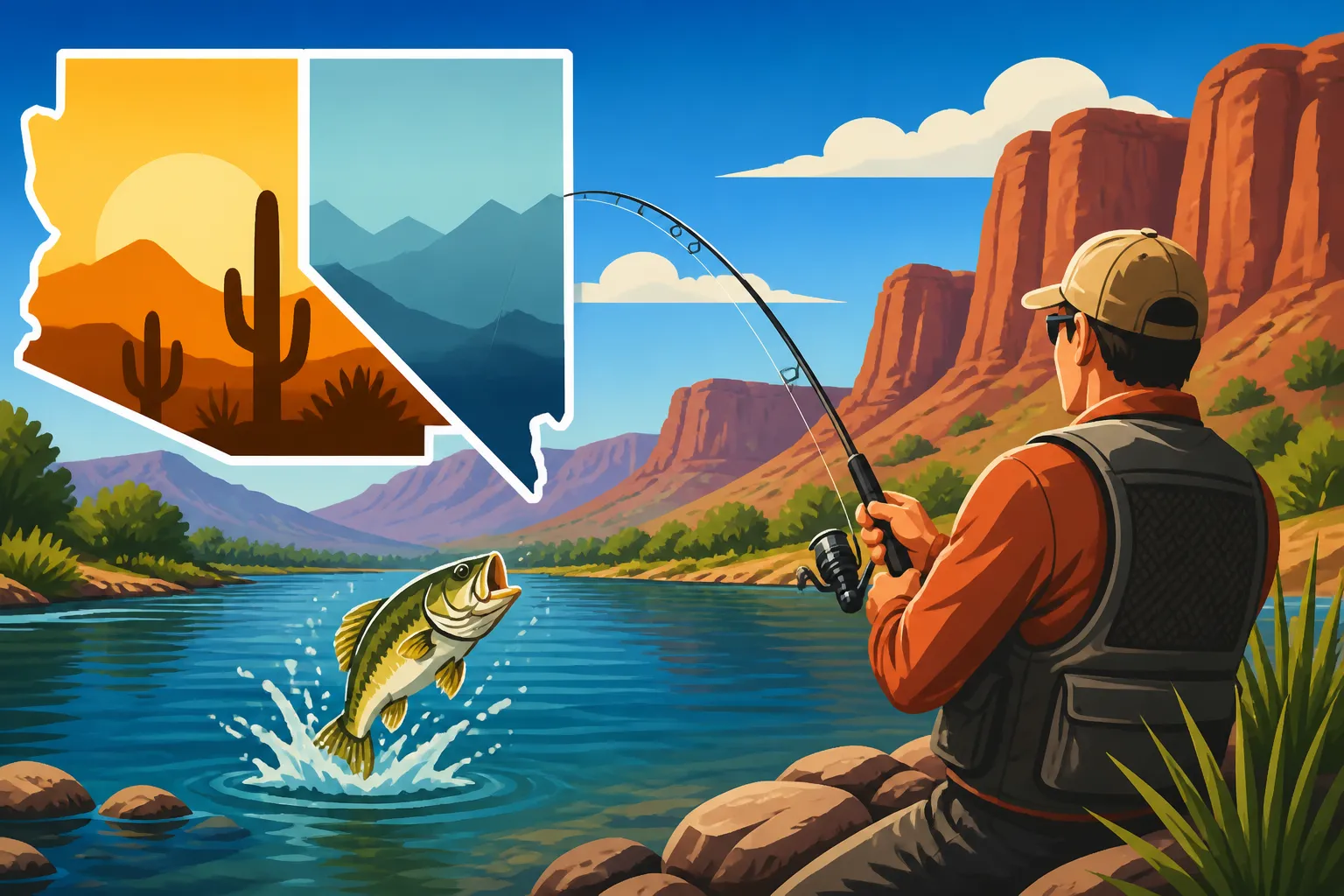
Fishing near the Nevada border along Arizona's stretch of the Colorado River presents a unique blend of opportunity and challenge. Anglers often grapple with understanding specific regulations that span two states, identifying the best spots in such a vast and diverse waterway, and knowing which techniques truly shine in these unique conditions. This comprehensive guide is designed to cut through that confusion, offering detailed insights into navigating the border waters, targeting dominant species, and ensuring your next trip is both compliant and successful.
Exploring the Arizona-Nevada Colorado River Fishing Grounds
The Colorado River as it skirts the Nevada border isn't just a geographical line; it's a vibrant, dynamic fishery teeming with diverse opportunities for anglers. From deep, clear reservoirs to flowing river sections, this area offers dramatically different experiences, each with its own charm and challenges.
Key Fishing Zones: Willow Beach and Lake Mohave
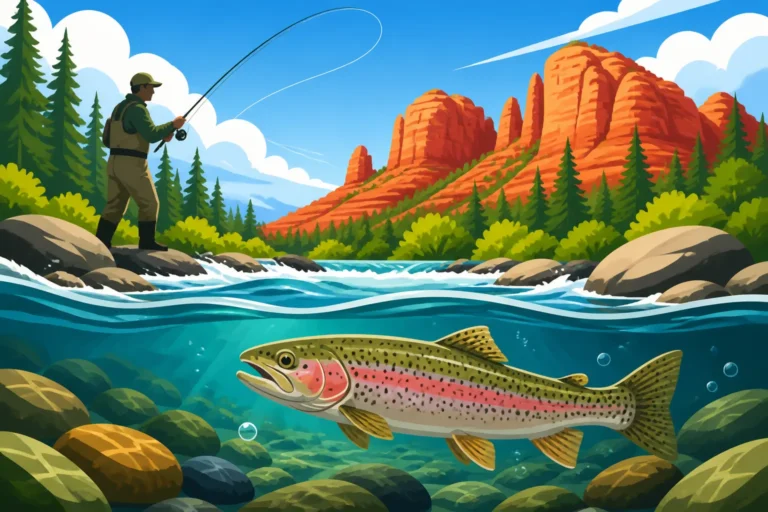
When people talk about fishing near the Arizona-Nevada border, Willow Beach often comes up first, and for good reason. Located within the Lake Mohave section of the Lake Mead National Recreation Area, Willow Beach is renowned as a premier cold-water fishery. The water here, released from the depths of Lake Mead via the Hoover Dam, remains remarkably cool and clear year-round, creating an ideal environment for trophy rainbow trout. Many anglers visit specifically for the chance to hook into one of these hard-fighting fish. The immediate area around Willow Beach is also fantastic for catching a variety of other species, though trout are the main draw.
Just downstream from Willow Beach, Lake Mohave itself stretches out, a long, narrow reservoir carved by the Colorado River. This lake offers a different kind of fishing, transitioning from the colder, clearer waters near the dam to warmer, more expansive stretches further south towards Laughlin and Bullhead City. Lake Mohave is a powerhouse for striped bass, with impressive numbers and size often reported. It’s also home to healthy populations of largemouth and smallmouth bass, as well as several species of catfish and panfish. The varying depths, numerous coves, and rocky shorelines provide ample habitat, making it a diverse and exciting fishing destination. You’ll find anglers targeting different species in different areas, showcasing the lake's incredible versatility.
The Vastness of Lake Mead's Arizona Side
While Willow Beach is directly below Hoover Dam, the dam itself holds back the immense waters of Lake Mead. A significant portion of Lake Mead lies on the Arizona side, stretching eastward and offering yet another fishing frontier near the Nevada border. However, fishing Lake Mead can be a dramatically different experience than Mohave or Willow Beach. The sheer size of Lake Mead can be intimidating, and water levels fluctuate considerably, impacting access and fish patterns. While Lake Mead historically boasted incredible striped bass fisheries, its fluctuating water levels have made fishing more challenging and less predictable in recent years. Still, for those willing to explore its vast canyons and coves, Lake Mead can surprise with impressive catches, particularly for striped bass and sometimes even big largemouth bass, especially in areas where forage fish concentrate.
Anglers often find the Arizona side of Lake Mead more remote and less developed than the Nevada side, offering a sense of solitude for those seeking a true wilderness fishing experience. Boat ramps might be fewer and farther between, and services can be sparse, so planning is crucial. Despite the challenges, the raw beauty and potential for discovery draw many to its expansive, often untouched waters.
Understanding the Unique Hydro-Electric Influence
A crucial, often overlooked, aspect of fishing this stretch of the Colorado River is the influence of the Hoover Dam and Davis Dam. These massive hydro-electric facilities directly control water flow, temperature, and clarity, which in turn dictate fish behavior and optimal fishing times. For instance, the cold water releases from Hoover Dam are the very reason Willow Beach thrives as a trout fishery. Understanding when and how much water is being released can significantly impact your success, especially when targeting species like striped bass that react strongly to current.
These dams don't just affect temperature and flow; they also create distinct habitats. The deep, stable conditions near the dams can hold large schools of baitfish, attracting predatory species. Further downstream, where the river widens into Lake Mohave, the current slows, allowing for different ecological niches to form. Anglers who pay attention to the dam generation schedules, which are often publicly available, can use this information to their advantage, timing their trips to coincide with periods of increased current for active feeding or calmer waters for more finesse techniques. This hydro-electric dance is a constant variable that defines the character of fishing in these border waters.
Navigating Cross-Border Fishing Licenses and Regulations
One of the biggest headaches and sources of confusion for anglers venturing to the Colorado River near the Nevada border is the tangle of regulations. Since you're often fishing waters shared by two states, simply having an Arizona fishing license might not be enough. Understanding the reciprocal agreements and specific rules for certain areas is absolutely critical to avoid fines and ensure a smooth trip.
The Arizona and Nevada Reciprocity Agreement
Thankfully, Arizona and Nevada do have a reciprocal agreement for certain stretches of the Colorado River. This agreement is a lifesaver for many, as it allows a properly licensed angler from either state to fish certain shared waters without needing a license from the other. However, and this is a big however, this reciprocity doesn't cover all waters, nor does it mean your license is universally valid.
Specifically, the reciprocal agreement generally covers the mainstream of the Colorado River itself, including sections of Lake Mead and Lake Mohave. If you possess a valid Arizona fishing license, you can fish the Arizona and Nevada portions of these shared lakes and river sections. The same applies if you hold a valid Nevada fishing license – it covers both sides within the reciprocal boundaries. However, this agreement typically does not extend to inland lakes, ponds, or tributaries that are entirely within one state's borders. For example, if you fish an Arizona community lake away from the main river, your Nevada license won't cut it. It's crucial to understand these specific boundaries. Always double-check the latest regulations from both the Arizona Game and Fish Department (AZGFD) and the Nevada Department of Wildlife (NDOW) to ensure you're covered. You can find comprehensive details in the official Arizona Fishing Regulations Explained.
Specific Rules for Willow Beach and Lower Colorado River
Willow Beach is a unique case that often trips up even experienced anglers. Because it receives its cold water directly from Lake Mead via the Hoover Dam, and the entire area is part of the Lake Mead National Recreation Area, the rules can feel a bit more complex. While your Arizona or Nevada reciprocal license is generally valid on Lake Mohave, Willow Beach itself sometimes has specific nuances due regarding trout stocking and limits that might be slightly different from the broader lake regulations.
Furthermore, as you move downstream past Lake Mohave into the lower Colorado River sections near Bullhead City and Laughlin, the reciprocal agreement largely continues. However, always be mindful of signage and local rules, especially around marinas, docks, or areas that might be under specific management. Remember, if you decide to try an inland spot or a pond that's clearly not part of the mainstream river, you'll need the appropriate state's license. The general rule of thumb: if in doubt, get clarification, or assume you need the license for the state whose land you're standing on or whose non-reciprocal waters you are in. For non-residents, understanding the specifics of an Arizona Nonresident Fishing License Guide is paramount before you even leave home.
What Happens if You Don't Have the Right License?
Fishing without the proper license, or fishing in a non-reciprocal area with only one state's license, can lead to some pretty significant headaches. The most immediate consequence is usually a citation and a fine. These fines can vary depending on the severity of the infraction and local statutes, but they are almost always more expensive than simply buying the correct license in the first place. For instance, in Arizona, fishing without a valid license can be considered a misdemeanor, leading to substantial monetary penalties and potentially even forfeiture of your fishing gear.
Beyond the immediate financial hit, repeated offenses or more serious violations (like exceeding bag limits or catching protected species) could lead to your fishing privileges being suspended or revoked, not just in one state, but potentially across multiple states through interstate compacts. Wildlife officers patrol these border waters diligently, and they are well-versed in the reciprocal agreements and their limitations. They won't hesitate to check licenses. It's a small investment in time and money to get the right paperwork compared to the stress and cost of a violation. Take the time to understand the nuances of the Arizona Fishing License Types Compared to ensure you're always on the right side of the law.
Targeting the Prime Species in Border Waters
The Arizona-Nevada border waters of the Colorado River are celebrated for their diverse and robust fish populations. Knowing which species thrive where, and what makes them tick, is key to a successful outing.
The Mighty Striped Bass: A Year-Round Pursuit
Striped bass, often simply called "stripers," are arguably the undisputed kings of Lake Mohave and Lake Mead. These hard-fighting predators are abundant and can grow to impressive sizes, making them a prime target for many anglers. They are adaptable fish, capable of living in both fresh and saltwater, and they absolutely thrive in the deep, vast waters of these reservoirs where they have an ample food supply, primarily threadfin shad.
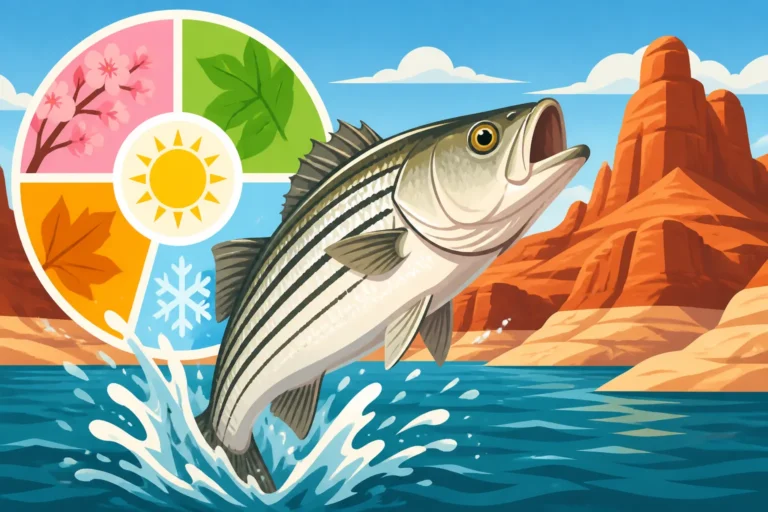
Stripers are active year-round, though their behavior changes with water temperature and forage availability. In the cooler months, they tend to move deeper, often congregating around submerged structures, points, and humps. During the warmer spring and summer months, especially early morning and late evening, you're more likely to find them higher in the water column, even busting bait on the surface in what are known as "boils." These boils are exhilarating to witness and fish, as stripers herd schools of shad to the surface, creating a feeding frenzy. Anglers chasing these fish will often use a variety of techniques, from trolling with large swimbaits or crankbaits to casting topwater lures or live bait into schooling fish. Their aggressive nature and powerful fight make them a perpetual favorite. If you're looking for a serious battle, learning how to fish for striped bass is a must in these waters.
Trophy Rainbow Trout: A Cold-Water Challenge
While stripers rule the open water, rainbow trout are the undisputed celebrities of Willow Beach. The consistent flow of cold, oxygen-rich water from the bottom of Lake Mead through Hoover Dam creates a tailor-made habitat for these cold-water beauties. The Arizona Game and Fish Department (AZGFD) regularly stocks rainbow trout here, often with larger, trophy-sized fish, making it a dream destination for trout enthusiasts.
Unlike the wild trout found in high mountain streams, the trout at Willow Beach are often eager to bite, especially when freshly stocked. They feed on insects, small baitfish, and any offerings presented by anglers. The clear water here means sight fishing can be an option, but it also means the trout can be wary, so stealth and proper presentation are crucial. Anglers often target them from shore with power bait, worms, or small spinners, while boaters and kayakers can drift with flies, small spoons, or various trout baits. The cooler temperatures also make for a very pleasant fishing experience, especially during Arizona's hot summers. If you're targeting these specific fish, our Rainbow Trout Fishing Guide for Arizona will prove incredibly helpful.
Diverse Opportunities: Largemouth, Smallmouth, and Catfish
Beyond the headliners, the Arizona-Nevada border waters offer excellent fishing for a variety of other popular species:
- Largemouth Bass: These iconic sportfish are prevalent throughout Lake Mohave and Lake Mead, particularly in the warmer, shallower coves, around submerged brush, rock piles, and riparian vegetation. They love cover and ambush prey, making them a fun challenge for those who enjoy casting jigs, plastic worms, and crankbaits. Early morning and late evening are prime times, especially during the warmer months.
- Smallmouth Bass: While not as widespread as largemouth, smallmouth bass can be found in rocky areas of Lake Mohave, especially in the clearer, more riverine sections. They prefer clean, rocky bottom and often hold on ledges and drop-offs. Their powerful fight and acrobatic jumps make them a prized catch. Techniques like drop-shotting, jig fishing, and throwing small crankbaits are effective.
- Catfish: Both channel catfish and flathead catfish thrive in these border waters. Channel cats are widespread and can be caught almost anywhere, from shallow coves to deeper channels, often biting on stink baits, cut bait, or worms. Flathead catfish, known for their enormous size and preference for live bait, inhabit the deeper, slower-moving sections of the river and reservoir, particularly around submerged timber and rock structures. Night fishing is a particularly popular and productive way to target both species, especially the trophy flatheads.
- Panfish: Bluegill, redear sunfish, and crappie are also present, offering light tackle fun, especially for families or those looking for a relaxing day. They often congregate around docks, submerged brush, and weed beds, eagerly biting on small worms, crickets, or tiny jigs.
This diverse fishery means that no matter your preferred style or target species, the Colorado River near the Nevada border truly has something for everyone.
| Species | Primary Location | Best Seasons | Key Characteristics |
|---|---|---|---|
| Striped Bass | Lake Mohave, Lake Mead | Year-round, especially Spring/Fall | Aggressive, schooling, powerful fighters. Targets shad. |
| Rainbow Trout | Willow Beach (cold water) | Year-round (stocked) | Stocked for trophy size, prefers cold, clear water. |
| Largemouth Bass | Lake Mohave, Lake Mead coves | Spring, Summer, Fall | Structure-oriented, ambush predator. |
| Smallmouth Bass | Rocky areas of Lake Mohave | Spring, Summer, Fall | Hard fighters, prefer clear, rocky habitat. |
| Catfish | All areas | Summer, Night Fishing | Bottom dwellers, strong sense of smell. |
Mastering Techniques and Essential Gear
Successfully fishing the Arizona-Nevada border waters requires adapting your techniques and gear to the specific conditions and target species. What works for trout at Willow Beach will be vastly different from chasing stripers in the vastness of Lake Mohave.
Effective Lures and Baits for Stripers and Trout
When it comes to striped bass, versatility is your friend. Live bait, particularly threadfin shad (if legal to catch and use, check regulations carefully) or large shiners, is often deadly, especially when slow trolled or fished on a Carolina rig. Artificial lures are also highly effective. For trolling, large crankbaits that dive to different depths (like those from Norman or Lucky Craft) or heavy spoons are popular choices. When stripers are boiling on the surface, topwater lures like poppers, walking baits, or even Kastmasters are incredibly exciting and effective. Swimbaits, both hard and soft plastic, are also excellent for imitating their primary forage.
For rainbow trout at Willow Beach, bait fishing is king for many shore anglers. PowerBait, in various colors and forms (marshmallows, nuggets, dough), fished off the bottom with a small hook and a light sinker, is consistently productive. Live worms, corn, or even salmon eggs can also be enticing. For those who prefer artificials, small inline spinners (like Panther Martin or Mepps), tiny spoons, or micro-jigs under a bobber can yield great results. Fly anglers find success with nymphs, emergers, and streamers, especially when matched to local insect hatches or baitfish. Remember, the clear water at Willow Beach often calls for lighter line and a more subtle presentation. For more depth on choosing, refer to our guide on Best Baits and Lures for Arizona Fishing.
Rigging for Success: Adapting to Current and Depth
The Colorado River is known for its currents, which can vary from gentle drifts in broad lakes to surprisingly strong flows, especially near dam releases. This means your rigging needs to be adaptable.
For striped bass, a common setup for bottom fishing or drifting live bait is a Carolina rig with a sliding sinker (1/2 oz to 2 oz depending on current), a bead, a swivel, and a leader of 18-30 inches terminating in a circle hook (sizes 3/0 to 6/0). This allows your bait to move naturally while keeping your line tight. For trolling, you'll want to experiment with different line-counter reels and ensure your lures are running at the desired depth. When fishing boils, a fast retrieve reel and sturdy casting rod are essential for quick hooksets and managing aggressive strikes.
For trout, lighter tackle is paramount. A simple slip bobber rig allows you to present bait at various depths without having to re-tie. A very light split shot or small bell sinker (1/8 oz to 1/4 oz) above a small swivel and a 12-18 inch leader of 4-6 lb fluorocarbon line with a size 10-14 hook is often ideal. When fishing bait on the bottom, a small egg sinker above a swivel, leading to a light fluorocarbon leader (2-4 lb test) and a small treble or single hook, will allow the bait to float naturally. Given the potential for larger, stocked trout, ensure your reel has a smooth drag.
Boating, Kayaking, and Shore Fishing Strategies
The choice of how you fish—from a boat, kayak, or shore—will heavily influence your strategy and success:
- Boating: This is arguably the most effective way to fish the vastness of Lake Mohave and Lake Mead. A boat allows you to cover large areas, chase striper boils, reach remote coves, and efficiently troll for fish. You’ll need a capable boat, appropriate safety gear (refer to Boating Safety Gear Requirements in Arizona), and a good understanding of navigation. Many anglers use fish finders to locate schools of baitfish and predatory species in deeper water.
- Kayaking: Kayak fishing is incredibly popular, especially in areas like Willow Beach, where the water is calmer and stealth is an advantage. Kayaks offer a unique perspective and allow access to quieter coves and channels that larger boats might struggle with. They're excellent for targeting trout with light tackle or even casting for bass along rocky shorelines. However, be mindful of wind and large boat traffic on open water. Always wear your personal flotation device (PFD).
- Shore Fishing: This is the most accessible option and can be highly productive, especially at Willow Beach and various designated public access points along Lake Mohave and the river. Shore anglers often focus on areas with natural structure, drop-offs, or known fish holding areas. Patience and observation are key here. Many shore anglers excel by focusing on bait presentations or casting consistently with appropriate lures. Community fishing piers, where available, can also be excellent shore-based options.
No matter your chosen method, understanding the environment and tailoring your approach will significantly increase your chances of landing that trophy fish.
Practical Tips for a Successful Arizona-Nevada Border Fishing Trip
Planning is half the battle when it comes to a successful fishing trip, especially in a region as unique and expansive as the Arizona-Nevada border on the Colorado River. From knowing where to get help to ensuring your safety, a little foresight goes a long way.
Finding Guides and Charters
For those new to the area or keen on maximizing their chances of a trophy catch, hiring a local fishing guide or booking a charter service can be an invaluable investment. These professionals possess intimate knowledge of the local waters, fish patterns, and the most effective techniques. They also handle all the logistics, from providing the right gear to navigating complex regulations, allowing you to focus solely on fishing. Many experienced guides operate out of marinas near Willow Beach, Bullhead City, or other access points on Lake Mohave and Lake Mead. You can easily find reputable guides through online platforms like FishingBooker, which lists numerous local captains specializing in stripers, trout, and other species in these waters. A guided trip is often the best way to quickly learn the nuances of this unique fishery.
Access Points, Marinas, and Facilities
Knowing where to launch your boat, find supplies, or simply park your car for shore access is essential.
- Willow Beach: This area has excellent facilities, including a marina, boat ramp, general store, and campground. It's a prime launching point for both boaters and kayakers aiming for the trout fishery.
- Lake Mohave: Several marinas and boat ramps dot Lake Mohave, including Katherine Landing near Bullhead City, Cottonwood Cove (on the Nevada side but easily accessible from Arizona), and Princess Marina. These offer services like fuel, bait, tackle, and sometimes boat rentals. Many sections also have designated shore fishing access points and picnic areas.
- Lake Mead: Due to fluctuating water levels, access points on Lake Mead, especially on the Arizona side, can change. Temple Bar Marina and Pearce Ferry are historical access points, but it's crucial to check their current status and ramp conditions before heading out. Information on various access points can be gleaned from official Lake Mead National Recreation Area websites or by checking local fishing reports.
Always ensure you have enough fuel, water, and supplies, as distances can be significant between service points, especially on Lake Mead. Check for current conditions and potential closures before heading out.
Weather, Water Levels, and Safety Considerations
Arizona's desert climate demands respect, and these large bodies of water have their own unique hazards:
- Weather: Summers are intensely hot, with temperatures often exceeding 100°F. Sun protection (hats, sunscreen, long-sleeved clothing) and ample hydration are non-negotiable. Monsoons can bring sudden, violent thunderstorms, high winds, and dangerous lightning, particularly from July to September. Always check the forecast and be prepared to get off the water quickly. Conversely, winters can be surprisingly cold, especially with wind chill on the open water.
- Water Levels: Lake Mead and Lake Mohave's water levels can fluctuate significantly due to drought conditions and water management. Lower water levels can impact boat ramp accessibility, expose submerged hazards, and concentrate fish in specific areas. Always check current lake levels before your trip, especially if planning to launch a boat or visit remote areas.
- Safety:
- Boating Safety: Ensure your boat is well-maintained and you have all required safety gear, including PFDs for everyone on board, a fire extinguisher, signaling devices, and a first-aid kit. File a float plan with someone on shore.
- Cold Water: Even in hot weather, the water in certain areas, particularly below Hoover Dam, can be dangerously cold. Hypothermia is a real risk if you fall in.
- Wildlife: Be aware of local wildlife, including snakes and scorpions on shore.
- Communications: Cell service can be spotty in remote areas, so consider carrying a satellite communication device or a VHF radio, especially if boating solo or far from shore.
- Navigation: These are vast waters. A reliable GPS or chart plotter is highly recommended, especially on Lake Mead, where countless coves and canyons can be disorienting.
By being prepared for these environmental factors, you can ensure your fishing adventure near the Nevada border is not only productive but also safe and enjoyable. For information on specific Arizona fishing license costs, you might want to review the Arizona Fishing License Costs guide.
Disclaimer
Please remember that fishing regulations and conditions can change. Always consult the latest Arizona Game and Fish Department (AZGFD) and Nevada Department of Wildlife (NDOW) regulations before your trip. This guide provides general information and recommendations. Your safety is your responsibility; always exercise caution and good judgment when fishing.