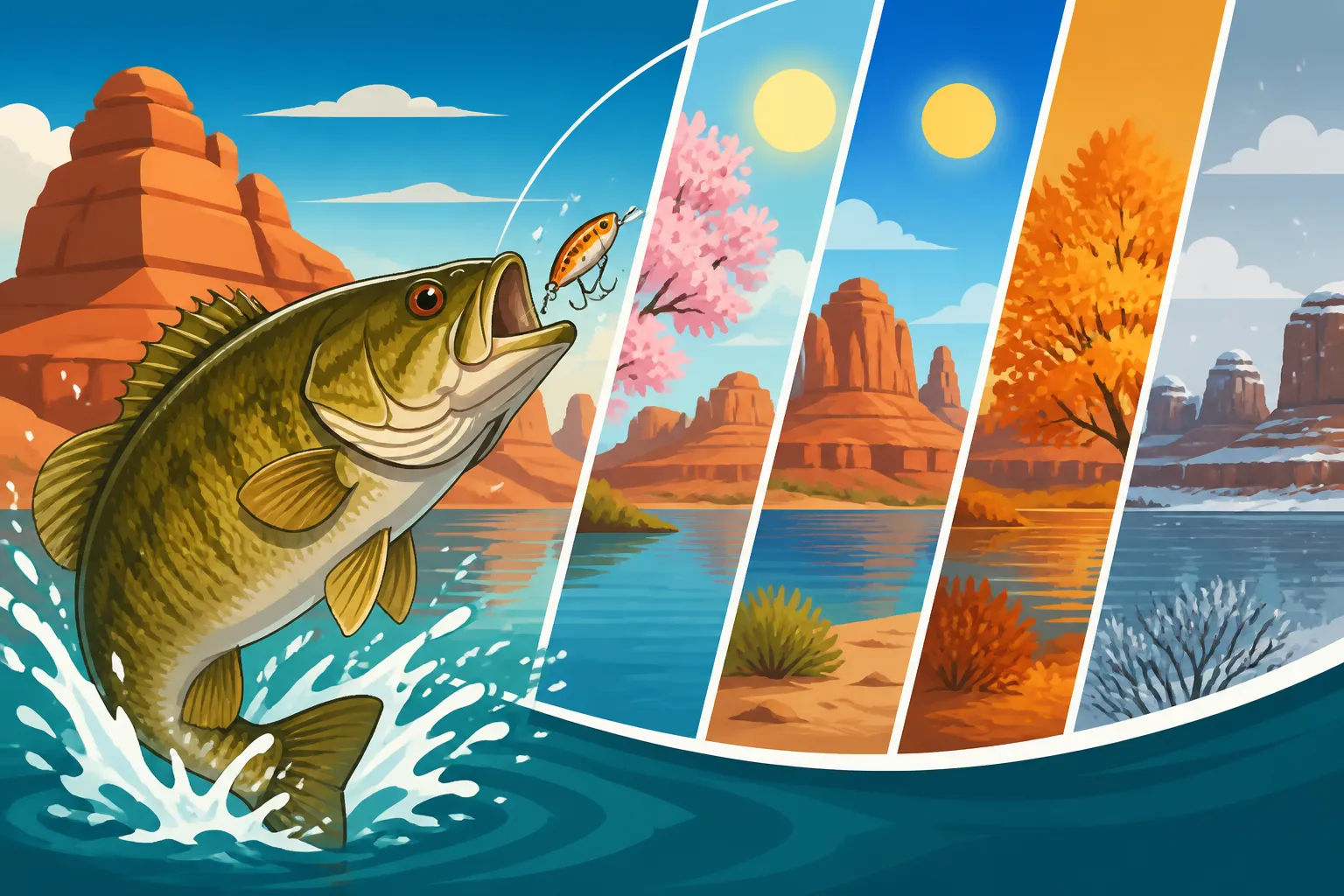
Best Season for Smallmouth Bass at Lake Powell
Navigating the vast, sprawling canyons of Lake Powell to consistently catch smallmouth bass can feel like searching for a needle in a haystack. Many anglers get frustrated, spending hours covering water only to come up empty-handed, wondering if they're even fishing the right spots or using the correct approach. This comprehensive guide is here to cut through that confusion, giving you the insider scoop on the very best seasons and strategies to target smallmouth bass at this incredible Arizona fishery, ensuring your next trip is filled with bent rods and unforgettable memories.
Understanding Lake Powell's Unique Smallmouth Bass Habitat
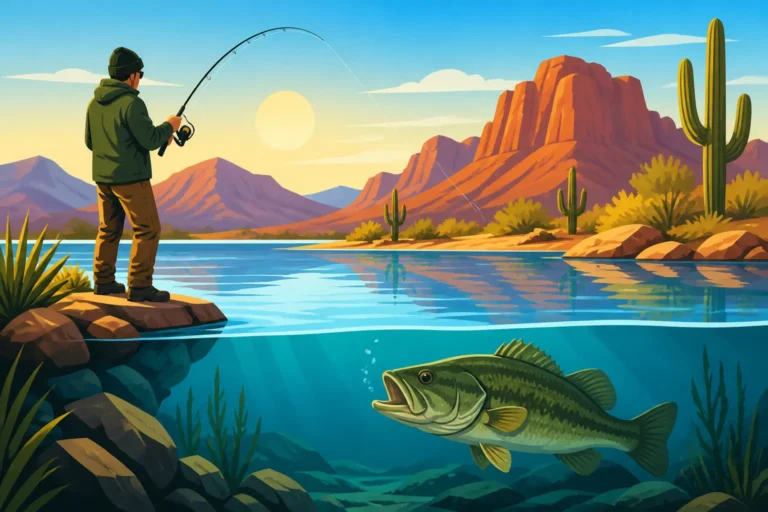
Lake Powell isn't just another reservoir; it's a geological marvel with an intricate network of canyons, ledges, and sheer rock walls that create a distinct environment for smallmouth bass. Unlike their largemouth cousins who often prefer weed beds and warmer, shallower water, smallmouth thrive in cooler, deeper, and rockier structures. Understanding this preference is key to unlocking consistent success on Lake Powell.
The Unique Environment of Lake Powell
Imagine hundreds of miles of shoreline, much of it vertical sandstone cliffs plunging into deep, clear water. This isn't your typical brush-filled, muddy-bottomed lake. Lake Powell's primary structure is rock—endless rock. From submerged boulders to intricate ledges and expansive rock slides, the smallmouth bass here have an abundance of prime real estate. The water often maintains remarkable clarity, which means your presentation needs to be subtle and natural, especially when the fish are pressured. This clear water also means that when the sun is high, smallmouth will often retreat to deeper, shadier haunts, making early mornings and late evenings particularly productive.
Where Smallmouth Bass Thrive
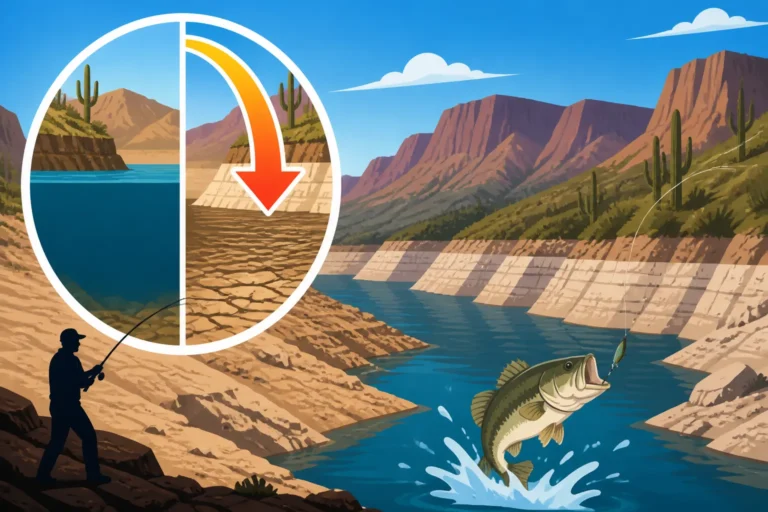
Smallmouth bass at Lake Powell are creatures of habit when it comes to structure. They gravitate towards areas that offer cover, ambush points, and access to deeper water. You'll find them holding tight to vertical rock walls, especially those with small ledges or cracks that break the sheer face. They also love rocky points that jut out into the lake, creating current breaks and feeding lanes. Submerged timber, though less common than rock, can be a major draw in certain canyons, offering a rare blend of cover and shade. When water levels fluctuate, pay close attention to newly submerged rock piles or shelves, as these can quickly become new hotspots. For a deeper dive into their preferred environments, check out our guide on Smallmouth Bass Habitat in Arizona Lakes.
Seasonal Breakdown for Smallmouth Bass Fishing at Lake Powell
The seasonal patterns for smallmouth bass at Lake Powell are quite pronounced, dictated largely by water temperature and their reproductive cycle. Knowing what the fish are doing and where they're likely to be during each season will dramatically increase your catch rate.
Spring: Pre-Spawn and Spawn Frenzy
Hands down, spring is often considered the absolute best season for smallmouth bass at Lake Powell. As the water temperatures begin to rise from the chilly winter lows, typically reaching into the low to mid-50s Fahrenheit, the smallmouth start to move shallow for their pre-spawn feeding frenzy. This is when they're bulking up for the energy-intensive spawning process.
- Best Months: Late March through May. April and early May often hit the sweet spot.
- Key Behavior: During pre-spawn, smallmouth are aggressive and actively feeding in water depths of 10 to 30 feet, often near transition areas between deep and shallow. As water temps hit the high 50s to low 60s, they move onto shallower flats, rocky points, and sheltered coves to spawn. They'll create circular "beds" and guard their eggs and fry.
- Techniques & Locations: Focus on sunny, north-facing banks and coves that warm up first. Target rocky points, submerged ledges, and shelves. Crankbaits (especially those mimicking crawfish), jerkbaits, and spinnerbaits can be incredibly effective during the pre-spawn when fish are aggressive. Once they move to beds, sight fishing with tubes, shaky heads, or drop shots can yield big fish, but remember to practice responsible catch and release, especially with spawning fish. For specific tactics, our guide on Drop Shot Techniques for Smallmouth Bass offers excellent advice.
Summer: Deep Water and Early Morning Bites
As Lake Powell's waters heat up, typically reaching into the 70s and 80s, the smallmouth bass will generally retreat from the baking sun and seek refuge in deeper, cooler waters. This can make them a bit harder to find, but certainly not impossible.
- Best Months: June through August.
- Key Behavior: Smallmouth become less active in the heat of the day, often suspending over deep structure or holding tight to shaded rock walls and canyon ledges. They'll typically feed most actively during low-light conditions – dawn, dusk, and even at night. They'll chase shad or ambush crawfish from structure.
- Techniques & Locations: Focus on vertical canyon walls, deep points, and submerged humps or ledges where they can quickly move into deeper water. Early mornings and late evenings are prime times for topwater lures or walking baits near points. During the day, switch to deep-diving crankbaits, jigging spoons, or the always-reliable drop shot rig. Fishing with electronic depth finders to locate schools of baitfish or structure becomes even more crucial during these months. Consider exploring Canyon Ledge Fishing Techniques for summer success.
Fall: Feeding Frenzy Before Winter
Fall is another fantastic time to target smallmouth bass at Lake Powell, arguably second only to spring. As the oppressive summer heat breaks and water temperatures begin to cool, the smallmouth get active again, embarking on a major feeding binge to build up fat reserves for the lean winter months.
- Best Months: September through November. October is often a standout month.
- Key Behavior: Fish are active and aggressive, moving back into shallower to mid-depth ranges (15-40 feet) as water temperatures drop into the 60s. They'll chase baitfish in open water and ambush prey from rocky ambush points. "Boils" of striped bass and smallmouth chasing shad can occur, offering explosive action.
- Techniques & Locations: Look for schools of shad and follow them. Smallmouth will be nearby. Crankbaits, jerkbaits, spinnerbaits, and swimbaits are all excellent choices for covering water and mimicking baitfish. Don't overlook soft plastics like tubes or grubs presented on jig heads around rocky transitions. This is a great time for power fishing as the bass are eager to strike. If you're wondering what lures to stock up on, our guide on the Best Lures for Smallmouth Bass at Lake Powell provides a comprehensive list.
Winter: Slow and Deep
Winter fishing at Lake Powell for smallmouth bass can be challenging, but it can also yield some of the biggest fish of the year if you're patient and persistent. The key is to slow down and fish deep.
- Best Months: December through February.
- Key Behavior: Smallmouth are lethargic in cold water (typically 40s to low 50s Fahrenheit) and will congregate in very deep water, often 40-80 feet or more. They're not actively chasing but will strike a slow, well-presented bait if it's placed right in front of them. They often hold tight to vertical structure or deep points.
- Techniques & Locations: Vertical jigging with spoons, blade baits, or heavy drop shot rigs are your best friends. Slow-rolling grubs or tubes on heavy jig heads can also work. Look for steep breaks, deep ledges, and main lake points that drop quickly into deep water. Sonar is crucial for locating these deep-holding fish. This isn't a numbers game, but the quality of fish can be exceptional.
Essential Techniques and Lures for Lake Powell Smallmouth
While each season calls for slightly different approaches, some techniques and lures are consistently effective for Lake Powell smallmouth bass, regardless of the time of year. Having these in your tackle box is non-negotiable.
Top Techniques for Lake Powell Smallmouth
- Drop Shot Rig: This is perhaps the most versatile and effective technique for smallmouth in Lake Powell's clear, deep waters. It allows you to present a soft plastic bait tantalizingly off the bottom, right in the fish's strike zone, with minimal movement. Great for vertical walls, ledges, and deep points.
- Shaky Head: A jig head with a screw-lock keeper for soft plastics, the shaky head is excellent for fishing around rocky structure. Its subtle action entices bites from finicky fish.
- Tube Baits: Mimicking crawfish or gobies, tube baits are a classic smallmouth lure. Rigged on an internal jig head, they spiral enticingly on the fall and are great for hopping along rocky bottoms or pitching into pockets.
- Crankbaits: Deep-diving crankbaits are essential for covering water and targeting fish holding on rocky breaks or points, especially during pre-spawn and fall. Medium-diving crankbaits work well when fish are shallower.
- Jerkbaits: For aggressive fish, particularly in spring and fall, jerkbaits excel. Their erratic, darting action can draw strikes from a distance, especially in clearer water.
Must-Have Lures and Colors
When it comes to lures, natural colors that imitate baitfish (like shad or minnows) or crawfish are generally most effective in Lake Powell's clear water.
| Lure Type | Best Seasons | Recommended Colors | Key Action |
|---|---|---|---|
| Drop Shot Worms | All seasons, especially summer/winter | Green pumpkin, watermelon, ghost minnow | Subtle quiver, suspended presentation |
| Tube Baits | Spring, Fall, Winter | Green pumpkin, brown, smoke, watermelon | Crawfish imitation, spiraling fall, hop on bottom |
| Shaky Head Worms | All seasons | Green pumpkin, junebug, watermelon candy | Crawl and shake along structure |
| Jerkbaits | Spring, Fall | Shad, silver, clear/blue, sexy shad | Erratic darting, pause, suspended action |
| Crankbaits | Spring, Fall | Crawfish patterns, shad, chrome/blue | Deflect off structure, varied retrieve |
| Jigging Spoons | Summer, Winter | Silver, chrome, white | Vertical jigging, fluttering fall |
For a comprehensive guide on different species you might encounter, our Fish Species Guide for Arizona Lakes is a fantastic resource.
Planning Your Lake Powell Smallmouth Trip
A successful smallmouth trip to Lake Powell involves more than just knowing when and where to fish. It requires proper gear, an understanding of the lake's immense scale, and sometimes, the wisdom of local experts.
Gear Recommendations for Lake Powell Smallmouth
Given the clear water and the need for finesse in many situations, your gear choice is paramount.
- Rods: A medium-light to medium-power spinning rod (6'6" to 7'3") with a fast action is ideal for drop-shotting, shaky heads, and lighter tubes. For crankbaits and jerkbaits, a medium-heavy casting rod with a moderate-fast action will provide better casting distance and hook-setting power.
- Reels: Pair your spinning rods with 2500 or 3000 series spinning reels. For casting, a baitcasting reel with a smooth drag and high gear ratio is perfect for quickly retrieving slack.
- Line: Fluorocarbon line (6-10 lb test for spinning, 10-14 lb for casting) is often preferred due to its low visibility and sensitivity. Some anglers opt for braided line with a fluorocarbon leader for spinning setups to maximize sensitivity and casting distance. You might also want to review our thoughts on Best Line Weight for Smallmouth Bass to match your specific setup.
Remember, safety on the water is crucial, especially on a lake as vast as Lake Powell. Always have your Boating Safety Gear Requirements in Arizona in order.
Hiring a Guide for Lake Powell
Lake Powell is immense, with over 2,000 miles of shoreline when full, making it incredibly daunting for first-time visitors or even experienced anglers who aren't familiar with its nuances. Hiring a local fishing guide can transform your trip from a struggle to a spectacular success. Guides have intimate knowledge of the current fish patterns, productive canyons, and the exact techniques that are working right now. They can save you countless hours of searching and put you on fish much faster. Services like FishingBooker can help you find experienced, reputable guides who specialize in smallmouth bass on Lake Powell. Investing in a guided trip, especially for your first few visits, is an invaluable way to learn the lake and its patterns. A good guide will also have all the necessary gear, meaning you just show up ready to fish!
Navigating Lake Powell's Vastness
Don't underestimate the sheer size of Lake Powell. Cell service can be spotty in many canyons, and it's easy to get disoriented. Always carry reliable navigation, whether it's a dedicated GPS unit, a detailed paper map, or a marine chart plotter. Pay attention to fuel levels, as long runs are common. For general tips on maximizing your visit, our main Lake Powell Arizona Fishing Guide has a wealth of information. If you're coming from out-of-state, you'll also want to know the rules around Do You Need Two Licenses to Fish Lake Powell?, especially when fishing near the Utah border.
Lake Powell Smallmouth Bass: Seasonal Tactics at a Glance
| Season | Best Months | Water Temperature Range | Key Fish Behavior | Top Techniques | Typical Depths (Feet) |
|---|---|---|---|---|---|
| Spring | Late March – May | 50s – low 60s°F | Pre-spawn feeding, spawning in sheltered coves | Crankbaits, Jerkbaits, Tubes, Drop Shot | 5-30 |
| Summer | June – August | 70s – 80s°F | Retreat to deep, shaded areas, early/late bites | Deep Drop Shot, Jigging Spoons, Topwater (dawn/dusk) | 20-60+ |
| Fall | September – November | 60s – low 70s°F | Aggressive feeding, chasing baitfish, "boils" | Crankbaits, Jerkbaits, Spinnerbaits, Swimbaits | 15-40 |
| Winter | December – February | 40s – low 50s°F | Lethargic, congregated in deep, protected areas | Vertical Jigging Spoons, Deep Drop Shot, Slow Tubes | 40-80+ |
Remember, these are general guidelines, and local conditions can vary. Keeping an eye on real-time water temperature and clarity reports will give you the most accurate picture for your trip.
Final Thoughts on Conquering Lake Powell's Smallmouth
Targeting smallmouth bass at Lake Powell is a rewarding challenge that offers incredible angling opportunities amidst breathtaking scenery. By understanding their seasonal movements, adapting your techniques, and using the right gear, you'll be well on your way to a successful and memorable trip. Whether you're planning a DIY adventure or considering a guided outing through platforms like FishingBooker, the insights here will set you on the path to finding those feisty brown fish. So, pack your bags, study your maps, and get ready to experience some of the best smallmouth fishing Arizona has to offer.
Disclaimer
Fishing conditions and regulations in Arizona can change. Always consult the latest Arizona Game and Fish Department regulations before heading out on the water. This guide is for informational purposes only and does not guarantee fishing success.