Best Line Weight for Smallmouth Bass
Choosing the right fishing line can sometimes feel like trying to solve a puzzle, especially when you're targeting a specific species like smallmouth bass. Many anglers get frustrated wondering if their line is too heavy, too light, or just plain wrong for the conditions, leading to missed bites or lost fish. This comprehensive guide is here to untangle that confusion, helping you understand the crucial role line weight plays and providing clear recommendations for selecting the perfect line to conquer Arizona's challenging and rewarding smallmouth fisheries.
Why Line Weight Matters for Smallmouth Bass
When you're out on the water, whether it's the vast expanses of Lake Powell or the canyon walls of Roosevelt Lake, the line connecting you to your lure is arguably one of the most critical components of your setup. For smallmouth bass, a species known for its keen eyesight, aggressive but often finicky nature, and powerful fights, getting this choice right can be the difference between a fantastic day and a frustrating one. It's not just about brute strength; it's about presentation, sensitivity, and the ability to handle their explosive runs and head shakes.
The Finesse Factor: Smallmouth Behavior and Feeding
Smallmouth bass are notorious for being more discerning than their largemouth cousins, especially in the clear waters they often inhabit. They tend to live in rocky areas, near ledges, and on points, often relating to baitfish like shad or crayfish. Their feeding habits can vary dramatically based on water temperature, light conditions, and pressure. Sometimes they'll smash a topwater, but other times, they'll delicately suck in a finesse bait. If your line is too heavy and visible, or if it inhibits the natural action of your lure, those subtle bites become even harder to coax. Think about those days on Lake Havasu when the smallmouth are suspended deep over rocky structure – a thick, stiff line can make it impossible to get your bait to fall naturally or feel that light tap. This is why many anglers dive deep into Smallmouth Bass Fishing Guide for Arizona to truly understand these fish.
Sensitivity and Presentation: How Line Affects Your Feel
Imagine trying to feel a feather landing on a pillow while wearing oven mitts. That's what fishing with too heavy or inappropriate line can feel like. Sensitivity is paramount when smallmouth are biting lightly, or when your lure is far from the boat in deeper water. A lighter, more sensitive line transmits vibrations from the lure, changes in bottom composition, and, most importantly, those almost imperceptible takes from a smallmouth. Furthermore, the way your lure behaves in the water is directly impacted by your line. A heavy, thick line creates more drag, hindering the natural swimming action of a crankbait or causing a finesse worm to fall unnaturally fast. On the flip side, too light of a line might not give you the backbone needed to work certain baits effectively or maintain tension in a strong current, especially in places like the Colorado River.
Fighting Power and Abrasion Resistance: Balancing Strength and Stealth
While stealth and sensitivity are crucial for getting bites, once that smallmouth hits, you need enough strength to land it. Smallmouth bass are incredible fighters, famous for their aerial acrobatics and powerful dives into cover. They love rocky bottoms, sharp ledges, and submerged timber, which means your line is constantly rubbing against abrasive surfaces. A line that's too light risks breaking during the fight or getting frayed beyond recovery on the first rock encounter. It's a tricky balance: you want a line that's thin enough to be stealthy and sensitive, but strong enough to withstand the abuse of a hard-fighting smallmouth and the rugged Arizona terrain. Nobody wants to lose a potential personal best because their line couldn't handle the pressure.
Understanding Different Line Types and Their Ideal Weights for Smallmouth
The world of fishing line has evolved quite a bit, offering anglers a variety of materials, each with its own strengths and weaknesses. For smallmouth bass fishing in Arizona, you'll typically be choosing between monofilament, fluorocarbon, or braided line, often in combination. Knowing when and where to use each type, and at what weight, is key to success.
Monofilament: The Classic All-Rounder
Monofilament line, often just called "mono," is made from a single strand of nylon. It's been around forever, and for good reason: it's affordable, easy to tie knots with, and has a good amount of stretch. This stretch can be both a blessing and a curse. On one hand, it acts as a shock absorber, which is great for protecting lighter tackle and preventing hooks from tearing out during a smallmouth's head shake. On the other hand, that stretch reduces sensitivity, making it harder to feel subtle bites or detect bottom structure at a distance. Mono also floats, which can be advantageous for topwater baits but detrimental for deep-diving lures.
For smallmouth, mono is generally a good choice for topwater lures or suspending jerkbaits where you want the bait to stay higher in the water column and the stretch provides a forgiving buffer for aggressive strikes. You'll typically find anglers using 6-10 lb test monofilament for these applications. Anything heavier might be too visible and reduce the lure's action. For example, if you're throwing a popper on Lake Pleasant in the early morning, a 6-8 lb mono could be perfect.
| Line Type | Key Characteristics | Smallmouth Pros | Smallmouth Cons | Ideal Weight Range (Smallmouth) |
|---|---|---|---|---|
| Monofilament | Stretchy, buoyant, visible | Shock absorption, good for topwater, easy to handle | Low sensitivity, visible, abrasion not ideal | 6-10 lb |
| Fluorocarbon | Low stretch, sinks, low visibility, abrasion resist. | High sensitivity, virtually invisible, sinks | Stiffer, harder to tie, more expensive | 6-12 lb |
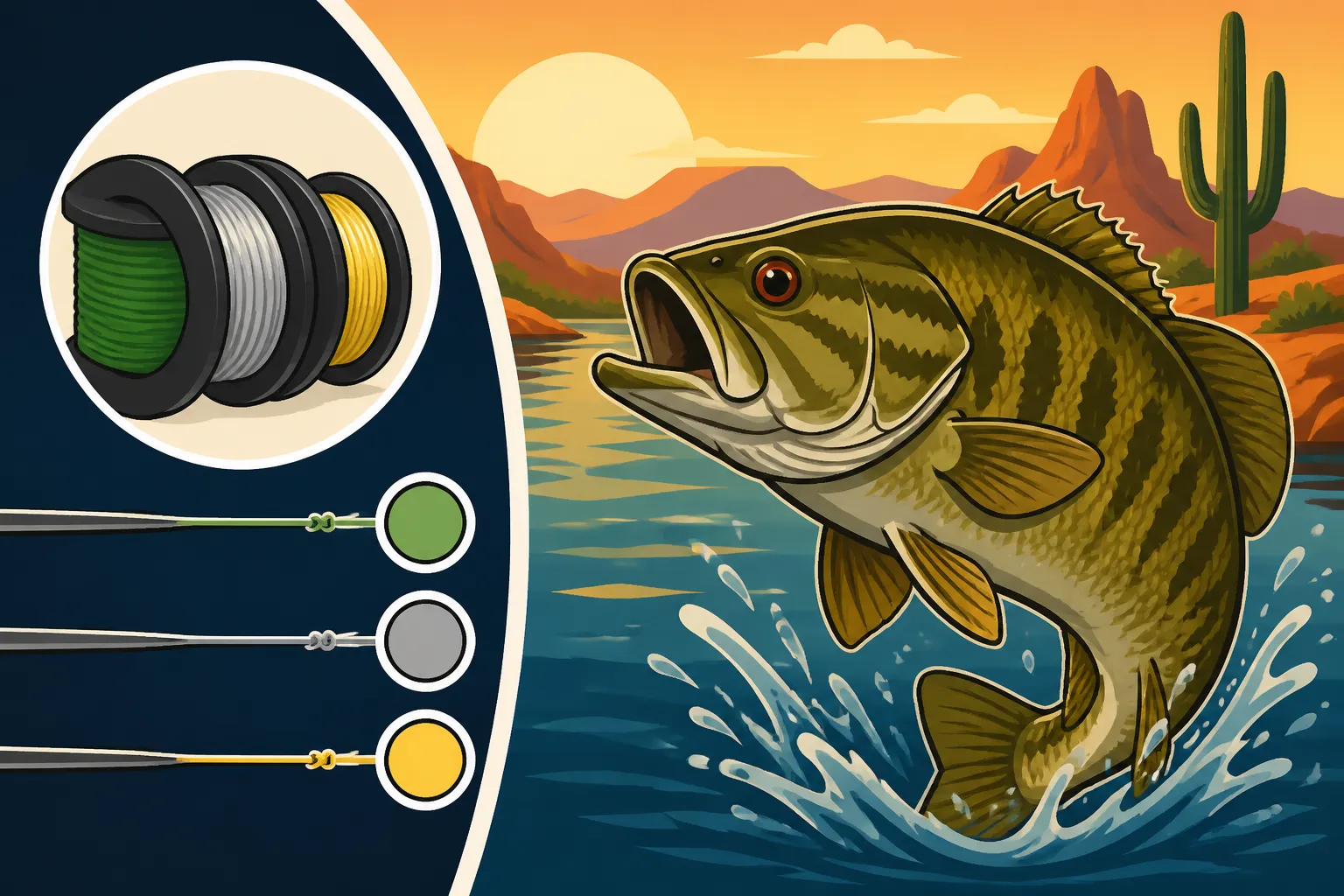
| Braided Line | No stretch, very strong/thin, opaque, floats | Extreme sensitivity, incredible strength/castability | Highly visible, can dig into spool, cuts easily | 10-20 lb (main line) |
Fluorocarbon: The Nearly Invisible Game-Changer
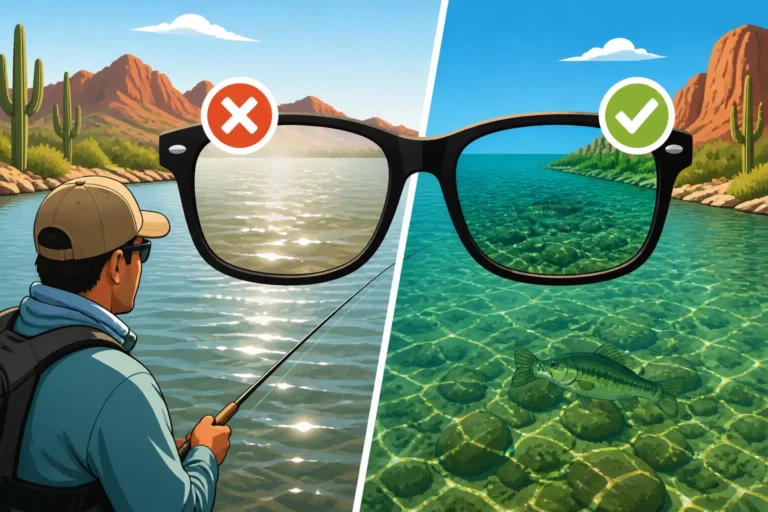
Fluorocarbon line has become a staple for many serious bass anglers, and it shines particularly bright when targeting smallmouth. Made from polyvinylidene fluoride, it boasts a refractive index very close to water, making it virtually invisible underwater – a huge advantage for skittish smallmouth in clear Arizona reservoirs. Unlike mono, fluorocarbon sinks, which helps get crankbaits deeper and provides a more natural fall for soft plastics. It also has very little stretch, giving you excellent sensitivity to feel those light bites and detect nuances of the bottom. This minimal stretch also means more direct power transmission on hooksets, crucial for smallmouth with their tough, bony mouths.
The downside is that fluorocarbon can be a bit stiffer and harder to manage on a spinning reel, and some knots require extra care. It's also typically more expensive than monofilament. For smallmouth, fluorocarbon in the 6-12 lb range is excellent. If you're drop shotting for deep smallmouth at Lake Powell, 6-8 lb fluorocarbon is hard to beat for its invisibility and sensitivity. For crankbaits, jerkbaits, or small jigs, bumping up to 8-12 lb test offers a good balance of strength and stealth. You can often find great options for Fluorocarbon Line for Clear Water at Bass Pro Shops or on Amazon.
Braided Line: Power and Sensitivity for Specific Situations
Braided line, made from multiple synthetic fibers woven together, is the powerhouse of fishing lines. It has virtually no stretch, offering unparalleled sensitivity and incredible strength-to-diameter ratio. This means a 10 lb braid is often much thinner and stronger than 10 lb mono or fluorocarbon. It casts exceptionally well, especially with lighter lures, and cuts through vegetation easily. However, braid is highly visible underwater, opaque, and it floats, which can be a disadvantage in clear water or when you need a bait to sink quickly.
For smallmouth, braid is usually reserved for specific techniques where its strengths outweigh its visibility. It's fantastic as a main line on spinning gear when you plan to use a fluorocarbon or monofilament leader. This gives you the incredible sensitivity and casting distance of braid, combined with the invisibility of a leader. For example, if you're throwing small finesse jigs or tubes into deeper rock piles, a 10-15 lb braided main line with a 6-10 lb fluorocarbon leader can be a deadly combination. For heavy cover situations or when throwing larger swimbaits where pure power and hooksetting ability are paramount, you might even go up to 20 lb braid as a main line. The key is almost always to use a leader with braid for smallmouth.
Recommended Line Weights for Common Arizona Smallmouth Scenarios
Arizona's smallmouth bass fisheries, from the sprawling Lake Pleasant to the deep canyons of Apache Lake, present a variety of challenges and opportunities. Matching your line weight to the technique and the conditions you're fishing is paramount. There isn't a single "best" line weight; rather, it's about making informed choices based on the situation at hand. For a broad overview, you might also want to check out Best Line for Bass Fishing.
Clear Water and Finesse Techniques (e.g., Drop Shot, Ned Rig)
When you're fishing in the crystal-clear waters of northern Arizona lakes or targeting highly pressured smallmouth in desert reservoirs, finesse is often the name of the game. Techniques like drop shotting, Ned rigging, and tiny shaky heads require the lightest lines possible to achieve natural presentation and maximize sensitivity.
- Line Type: Fluorocarbon is your absolute best friend here due to its invisibility and low stretch.
- Recommended Weight: 6-8 lb test.
- Scenario Example: You're fishing a drop shot rig with a small plastic worm over a deep rock pile on Lake Powell. The water is gin clear, and the smallmouth are picking up the bait subtly. A 6 lb fluorocarbon line offers minimal visibility, allowing the bait to flutter naturally, and its low stretch lets you feel every tick and tap. Going any heavier might deter bites, and anything lighter significantly increases the risk of break-offs on sharp rocks or during an unexpected fight with a larger fish. If you're delving into these methods, understanding Drop Shot Techniques for Smallmouth Bass will be invaluable.
- Alternative with Leader: If you prefer the casting distance and no-stretch feel of braid on your spinning reel, pair a 10 lb braided main line with a 6-8 lb fluorocarbon leader of 6-10 feet. This setup gives you the best of both worlds.
General Purpose and Reaction Baits (e.g., Crankbaits, Jerkbaits)
When smallmouth are actively feeding or you're covering water with moving baits, you can often bump up your line weight slightly. Crankbaits, jerkbaits, and spinnerbaits fall into this category, requiring a line that allows for good casting distance and strong hooksets, but doesn't completely sacrifice invisibility. These situations often arise when bass are chasing baitfish.
- Line Type: Fluorocarbon is still a strong contender for its invisibility and sinking properties. Monofilament can also be good for topwater jerkbaits or those that suspend, where a little stretch and buoyancy are desired.
- Recommended Weight: 8-12 lb test.
- Scenario Example (Fluorocarbon): You're throwing a small to medium-sized crankbait along a rocky bank at Roosevelt Lake, trying to entice a reaction strike. An 8-10 lb fluorocarbon line will allow the crankbait to dive to its intended depth, maintain good feel for bottom contact, and provide enough strength for battling a strong smallmouth in snaggy areas. Best Lures for Smallmouth Bass at Lake Powell often include these types of reaction baits.
- Scenario Example (Monofilament): You're working a suspending jerkbait over open water humps. A 10 lb monofilament can give the bait a slightly more subtle suspension, and the mono's stretch helps absorb the violent strikes often associated with jerkbait fishing, preventing the hooks from pulling free.
Heavy Cover and Trophy Hunting (e.g., Jigs, Larger Swimbaits)
Sometimes, you're not just looking for any smallmouth; you're hunting for that monster lurking in the thickest cover, or throwing a larger presentation that demands more robust gear. This is where you prioritize strength and abrasion resistance, knowing that the biggest fish often live in the gnarly stuff.
- Line Type: Heavy fluorocarbon or braided main line with a fluorocarbon leader.
- Recommended Weight: 12-15 lb fluorocarbon, or 15-20 lb braid with a 10-15 lb fluorocarbon leader.
- Scenario Example (Fluorocarbon): You're pitching a heavy jig into submerged timber or thick brush piles for post-spawn smallmouth that have moved to cover, perhaps in the Tonto Creek arm of Roosevelt Lake. A 12-15 lb fluorocarbon line gives you the cutting power to get through light vegetation and the abrasion resistance to rub against wood without immediately breaking. Its low stretch also ensures a powerful hookset in tight quarters. You'll want to review Jig Fishing Techniques for Bass for these scenarios.
- Scenario Example (Braid with Leader): You're throwing a larger swimbait for trophy smallmouth on deep points, where strong currents might be present, or where a long cast is crucial. A 15-20 lb braided main line, paired with a 10-12 lb fluorocarbon leader, offers maximum casting distance, extreme sensitivity to detect subtle takes from big fish, and the raw power to turn a stubborn smallmouth away from snags. The leader still maintains some level of invisibility at the business end. When considering Seasonal Movement Patterns of Bass at Roosevelt Lake, these heavier setups often come into play during certain times of year.
Tips for Optimizing Your Line Choice and Setup
Choosing the primary line weight is a great start, but there are always ways to refine your setup to better suit the specific conditions, your fishing style, and the gear you already own. A well-optimized system works together, making your time on the water more effective and enjoyable.
Matching Line to Rod and Reel
Your fishing line isn't an isolated component; it's part of a larger system. Your rod's power and action, and your reel's size and drag capabilities, all influence what line weight will perform best. For example, a super lightweight finesse rod designed for 4-8 lb test will feel completely unbalanced and perform poorly if you spool it with 15 lb fluorocarbon. The guides aren't designed for it, and the rod won't load properly for casting. Similarly, a heavy-action baitcasting rod meant for throwing big jigs won't get much leverage or feel with 6 lb mono.
Always check the recommended line weight range printed on your rod. This is a great starting point. For spinning reels, pay attention to the spool capacity and ensure your line isn't too thick or too thin for the reel's retrieve rate and drag system. A well-matched rod, reel, and line combination allows for optimal casting, sensitivity, and fighting power. If you're unsure about your current gear, consider browsing Best Fishing Rods for Bass in Arizona and Best Fishing Reels for Beginner Anglers in Arizona for guidance on selecting balanced setups.
Leaders: The Best of Both Worlds
We touched on leaders when discussing braided line, but their importance for smallmouth bass cannot be overstated. A leader allows you to combine the advantages of two different line types. The most common setup for smallmouth is a braided main line tied to a fluorocarbon leader. This gives you:
- Sensitivity and Casting: The braid provides excellent sensitivity and long casting distance, especially with light baits.
- Invisibility: The fluorocarbon leader at the business end makes your bait appear more natural, crucial for wary smallmouth.
- Abrasion Resistance: Fluorocarbon generally has better abrasion resistance than braid, offering a buffer against sharp rocks.
The length of your leader can vary. For clear water and maximum stealth, some anglers use leaders as long as 10-15 feet. For quicker changes or when fishing slightly murkier water, a 3-5 foot leader might suffice. Learning to tie a strong, reliable knot like the FG knot or Alberto knot to connect your braid to your fluorocarbon leader is a game-changer. Don't skimp on this skill!
Regular Line Inspection and Maintenance
Even the best fishing line can only perform its best if it's well-maintained. Smallmouth bass often reside in areas with sharp rocks, ledges, and submerged timber, which are incredibly hard on line. Before every outing, and periodically throughout the day, run your line through your fingers, feeling for nicks, frays, or abrasions. If you find any, cut off a few feet of line and re-tie your lure. It's a small investment of time that can save you from losing a trophy fish.
Also, consider how long your line has been on your reel. Monofilament and fluorocarbon can degrade over time due to UV exposure and abrasion from casting. If your line looks discolored, feels brittle, or has lost its strength, it's time to respool. This is especially true for lines stored in sunlight. Taking good care of your line is just as important as choosing the right weight in the first place.
Disclaimer
This article is for general informational purposes only and does not constitute professional advice. Laws, prices and regulations vary by location and change over time. Consult a qualified professional for guidance on your specific situation.