Is the Salt River Safe to Wade Fish?
The allure of casting a line into the Salt River's flowing waters is strong for many Arizona anglers, but the thought of stepping into that dynamic environment can bring up concerns about safety. The unpredictable nature of river currents, slippery footing, and hidden obstacles often makes people wonder, "Is the Salt River safe to wade fish?" This comprehensive guide is here to unravel those concerns, providing you with the essential information, safety tips, and practical advice you need to enjoy a safe and successful wade fishing experience in Arizona's beloved Salt River.
Understanding the Salt River's Dynamic Character
Before you even think about dipping a toe into the Salt River, it's absolutely vital to understand its unique and ever-changing personality. This isn't a stagnant lake; it's a living, breathing river system, and its conditions can vary wildly depending on the section, the season, and even the time of day. Ignoring these factors is the quickest way to find yourself in a tricky situation, so let's break down what makes the Salt River tick.
Water Flow and Fluctuations
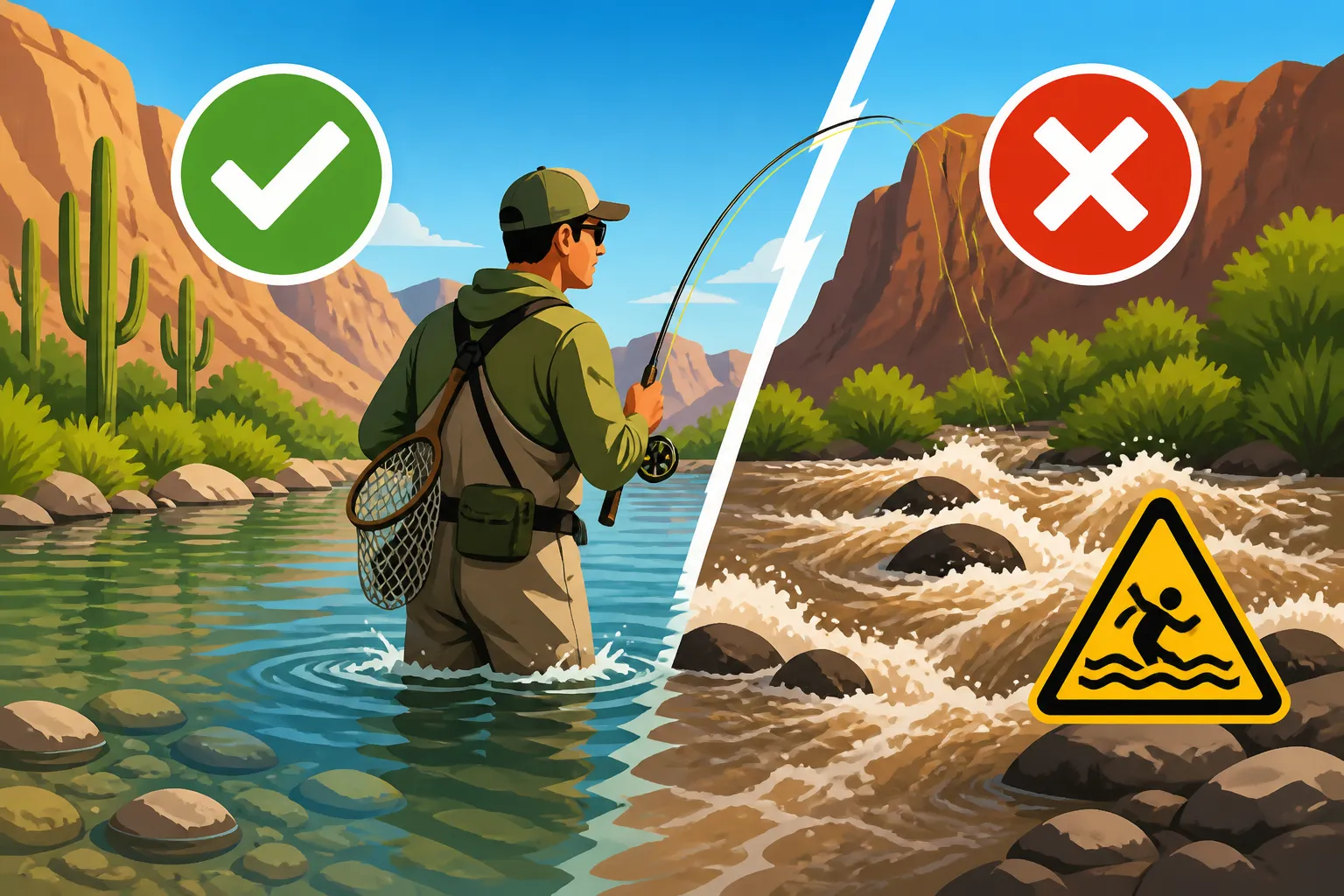
The Salt River's flow is heavily influenced by a series of dams and reservoirs, namely Saguaro Lake, Canyon Lake, Apache Lake, and Roosevelt Lake. This means that the water level isn't just dictated by natural rainfall; it's also controlled by releases from the Stewart Mountain Dam, which forms Saguaro Lake. On any given day, the flow can change, sometimes quite dramatically, in response to irrigation needs, power generation, or flood control. What might be ankle-deep in the morning could be thigh-high by afternoon. This makes checking current conditions paramount. Many anglers rely on resources from the Salt River Project (SRP) or local news outlets that monitor dam releases. A sudden increase in flow can create strong currents that are difficult to wade against, potentially sweeping you off your feet. Always keep an eye upstream for any changes in water clarity or speed that might indicate an increase in flow.
River Bottom Composition and Obstacles
Stepping into the Salt River is rarely like walking on a sandy beach. The riverbed is a mosaic of different materials, and much of it can be incredibly challenging to navigate. You'll encounter everything from smooth, moss-covered rocks that are slick as ice to loose gravel that shifts underfoot, and even larger boulders that create deep pockets and strong eddies. Submerged logs, branches, and other debris are common, especially after heavy rains or significant water releases. These hidden obstacles can trip you up, snag your line, or create unexpected deep spots. It's crucial to move slowly and deliberately, probing the bottom with a wading staff before committing your weight. Imagine stepping onto a slick, algae-covered rock—it’s a quick way to lose your balance and take an unplanned dip.
Wildlife and Environmental Considerations
Beyond the water itself, the Salt River environment hosts a variety of wildlife that warrants respect and awareness. While most creatures are harmless, encountering a rattlesnake sunning itself on the bank or a scorpion near your gear is a possibility, especially in warmer months. Always be mindful of where you step and where you place your hands. Ticks and biting insects are also prevalent, so appropriate clothing and insect repellent are essential. The dense riparian vegetation along the banks, while beautiful, can make access difficult and conceal potential hazards. Furthermore, extreme heat is a constant companion in Arizona, particularly during the summer. The combination of intense sun, potential dehydration, and physical exertion while wading can quickly lead to heat exhaustion or stroke. Always prioritize your physical well-being alongside your fishing goals.
Essential Safety Gear for Wade Fishing
Wade fishing in the Salt River is an incredible experience, but it demands proper preparation. Think of your gear as your first line of defense against the river's challenges. Having the right tools isn't just about catching fish; it's about getting home safely. Skimping on these essentials is a gamble you don't want to take in Arizona's dynamic river environment.
Footwear and Wading Staff
This is arguably the most critical component of your wade fishing safety kit. Regular sneakers simply won't cut it. You need sturdy, purpose-built wading boots or shoes with excellent grip. Felt soles used to be popular for their traction on slippery rocks, but many anglers now opt for rubber soles with aggressive tread patterns, often reinforced with studs, to minimize the spread of aquatic invasive species. Brands like Simms and Orvis are well-regarded for their durable and high-performance wading boots. The goal is maximum stability on slick, uneven surfaces.
Equally important is a reliable wading staff. This isn't just for looking fancy; it's your third point of contact with the riverbed, offering crucial balance and the ability to probe the water ahead of you. A good wading staff, whether collapsible or fixed, helps you test depth, identify soft spots, and maintain stability against currents. Many experienced anglers wouldn't consider entering the river without one.
Personal Flotation Devices PFDs
Even if you're an excellent swimmer and the water seems shallow, a Personal Flotation Device (PFD) is a non-negotiable item for wade fishing in the Salt River. Accidents happen quickly—a slip, an unexpected deep hole, or a sudden increase in current could put you in a dangerous situation. A PFD, also known as a life jacket, will keep you afloat and greatly increase your chances of recovery, especially if you're alone or if you hit your head.
There are various types of PFDs available, from traditional vest-style jackets to inflatable models that are less bulky and deploy automatically or manually when needed. For active wade fishing, an inflatable PFD often provides more freedom of movement while still offering essential safety. It’s a small investment for significant peace of mind. Remember, even strong swimmers can be overwhelmed by strong currents and cold water if they lose their footing or become disoriented.
Sun Protection and Hydration
Arizona's sun is no joke, and being out on the water, often for hours, means constant exposure. Neglecting sun protection can lead to severe sunburn, dehydration, and even heatstroke, which is a serious medical emergency.
Your sun protection should include:
- Wide-brimmed hat: To shield your face, ears, and neck.
- UPF-rated clothing: Long-sleeved shirts and pants made from moisture-wicking, sun-protective fabric (look for UPF 30+ or 50+). These keep you cool and prevent direct sun exposure.
- Polarized sunglasses: Essential for cutting glare off the water, helping you spot fish and, more importantly, see submerged hazards.
- Broad-spectrum sunscreen: Applied liberally and reapplied throughout the day, especially to any exposed skin.
- Water, water, and more water: You cannot over-hydrate in the Arizona desert, especially when exerting yourself. Carry more water than you think you'll need, and consider electrolyte drinks. A good cooler, perhaps a YETI or a RTIC, packed with ice and fluids, is your best friend.
Communication and First Aid
Being prepared for the unexpected is a hallmark of a responsible angler. While you're out enjoying the peace of the river, you might encounter situations that require communication or medical attention.
- Fully charged cell phone: Keep it in a waterproof bag or case. Cell service can be spotty in some remote areas, but it's vital for emergencies where it is available.
- Whistle: A loud whistle can be used to signal for help if you're in distress or need to alert others to your location.
- Basic first-aid kit: Accidents happen. A small kit with bandages, antiseptic wipes, pain relievers, blister treatment, and any personal medications can make a big difference for minor injuries.
- Tell someone your plans: Always inform a friend or family member of your exact fishing location, your planned route, and your estimated return time. This way, if you don't check in, someone knows where to start looking. Websites like FishingBooker often recommend sharing your itinerary with loved ones when booking a trip, a good habit to adopt even for solo excursions.
Best Practices for Safe Wade Fishing
Wade fishing in the Salt River is an art form that blends angling skill with a deep respect for the environment and a solid understanding of safety. It's not just about what gear you have; it's about how you use it and the decisions you make out on the water. These best practices are designed to keep you safe and allow you to fully enjoy your time on the river.
Checking Conditions Before You Go
This is perhaps the single most important rule for safe wade fishing on the Salt River. Never, ever head out blindly. The river is constantly changing, and what was safe yesterday might be hazardous today.
- Water Flow and Level: The Salt River Project (SRP) website is your best friend here. They provide real-time information on water releases from the dams, which directly impacts the flow downstream. Look for cubic feet per second (CFS) readings; anything above 1,000 CFS can start to get challenging for wading, and much higher flows can become dangerous for even experienced waders. A good rule of thumb for beginning to intermediate waders is to stick to flows under 750 CFS, ideally closer to 250-500 CFS.
- Weather Forecast: Arizona weather can be extreme. Check for high heat warnings, flash flood advisories (especially during monsoon season), and strong wind forecasts. Fishing during or immediately after heavy rainfall can lead to rapidly rising water levels and dangerous currents. Even a clear sky day could follow a significant rain event upstream, causing delayed high water.
- Personal Observation: If possible, scout the section of the river you plan to fish from the bank first. Look for visible hazards, assess the current, and note any areas that look too deep or too swift. Your eyes are your best tool for a preliminary safety check.
Wading Techniques and Awareness
Once you're in the water, how you move and how aware you are of your surroundings will dictate your safety.
- Move Slowly and Deliberately: This isn't a race. Each step should be slow and intentional. Plant your wading staff firmly, then feel for a stable spot with your lead foot before shifting your weight. Keep your feet spread slightly for a wider base of support.
- Face Upstream: Whenever possible, wade facing upstream. This allows you to see incoming currents, debris, and changes in the riverbed. It also gives you a better sense of the water's power. If you slip, facing upstream makes it easier to regain your footing or brace yourself.
- Read the Water: Learn to identify different current types. Smooth, laminar flow is generally easier to wade than turbulent, eddy-filled water. Avoid crossing directly through strong currents. Look for slower, shallower sections to cross, even if it means taking a slightly longer route. Pay attention to changes in water color; darker water usually indicates deeper sections.
- Shuffle, Don't Step: When moving across the riverbed, try to shuffle your feet rather than lifting them high. This reduces your chances of tripping on unseen obstacles or stepping into a deep hole. It also helps you maintain continuous contact with the bottom.
- Know Your Limits: Be honest with yourself about your wading ability. If a section looks too fast, too deep, or too challenging, don't attempt it. It's always better to turn back or find an easier route than to risk an injury. Consider booking a guided trip through a service like FishingBooker if you're new to the area or feel uncertain about wading solo.
Knowing Your Limits and Exiting Safely
Even the most prepared angler can face an unexpected challenge. Understanding when to call it a day and how to exit the water safely is paramount.
- Identify Exit Points: Before you even get in the water, mentally note several easy and safe exit points along the bank. These should be clear of dense vegetation, steep slopes, or tricky footing. Knowing where to get out quickly can be a lifesaver if conditions change or you feel overwhelmed.
- Don't Push It: If you start to feel tired, cold (even in Arizona, prolonged exposure to moving water can drop your core temperature), or simply uncomfortable with the conditions, it's time to head in. The fish will still be there another day. Pushing your limits leads to fatigue, which increases the risk of mistakes.
- Hypothermia Awareness: While less common than heatstroke in Arizona, hypothermia can still occur, especially in colder months or if you get completely submerged in the cold river water. If you start shivering uncontrollably, feel disoriented, or experience numbness, get out of the water immediately, dry off, and seek warmth.
- Buddy System: Whenever possible, wade fish with a partner. Having someone else there to spot you, assist in an emergency, or simply share the experience makes everything safer and more enjoyable. If you're going alone, be extra diligent about checking in with someone before and after your trip, as discussed in the communication section.
Ideal Sections of the Salt River for Wade Fishing
The Salt River is a long and varied waterway, offering different experiences depending on where you drop in. While much of it can be suitable for wade fishing, some sections are more popular and generally safer, especially for those new to the area or new to wading.
Lower Salt River Recreation Area
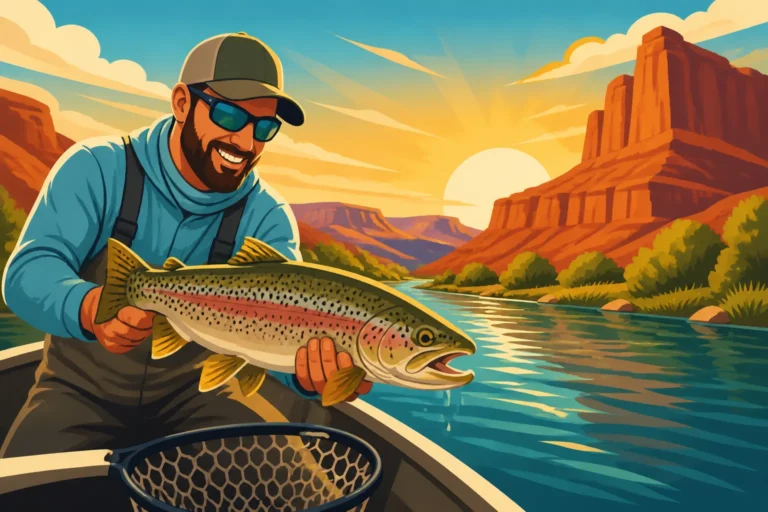
This is arguably the most accessible and popular stretch for wade fishing, located just outside of Mesa and Fountain Hills. The Lower Salt River is a tailwater fishery, meaning its water comes from the bottom of Stewart Mountain Dam, keeping it consistently cool. It's heavily stocked with Rainbow Trout from November through March by the Arizona Game and Fish Department (AZGFD), making it a fantastic spot for trout anglers.
- Accessibility: The Lower Salt River Recreation Area offers numerous access points with designated parking, restrooms, and clear entry points into the river. Popular spots include Phon D Sutton, Blue Point, and Coon Bluff. These areas are well-traveled, meaning help is generally closer if needed.
- Flow Management: While flows can still fluctuate, this section is usually more predictable than upstream sections. Checking the SRP flow releases is still crucial, but during non-flood periods, the flows often remain at manageable levels for wading.
- River Characteristics: The riverbed here tends to be a mix of gravel, smaller rocks, and some sandy stretches. While still requiring caution, it's often less rugged than the upper reaches. The water is generally clear, allowing you to see the bottom in shallower areas. It's also covered by the Arizona Fishing Regulations Explained, so be sure to check those. For new anglers looking for an easier start, this is a prime location to try your hand at wade fishing. Just remember to have your Arizona Fishing License Guide handy!
Upper Salt River Tributaries
Venturing further upstream into the White Mountains, you'll find tributaries that feed the Salt River. These are typically smaller, colder streams that offer a completely different wade fishing experience, often targeting native trout species like the Apache Trout, where special regulations apply.
- Wilder Experience: These areas are generally more remote, requiring longer drives and often some hiking to access. They offer a true wilderness experience, but this also means less immediate assistance if something goes wrong.
- Challenging Terrain: The riverbeds in these tributaries can be steeper, rockier, and more heavily vegetated. Wading here demands excellent balance, durable gear, and a higher level of fitness. Swift currents can be present, especially during spring runoff.
- Specific Species: These upper streams are often managed for specific native species, like the Gila Trout, meaning catch-and-release rules or specific gear restrictions might be in place. Always consult the Arizona Fishing Regulations Explained before fishing these areas.
- Seasonal Considerations: Snowmelt dictates flows in these higher elevations. Spring can bring high, fast water, while late summer and fall often offer more moderate and wadeable conditions. The season for trout stocking in Arizona often affects these areas too, so check the schedules.
Here's a quick look at recommended wading gear for the Salt River:
| Gear Item | Purpose | Key Features to Look For | Why It's Important |
|---|---|---|---|
| Wading Boots | Traction and Ankle Support | Rubber soles with aggressive tread/studs, ankle support | Prevents slips on slick rocks, protects feet from sharp objects |
| Wading Staff | Balance and Depth/Hazard Probing | Collapsible or fixed, sturdy material, comfortable grip | Provides a third point of contact, warns of deep spots/obstacles |
| PFD (Life Jacket) | Buoyancy and Safety | Comfortable, allows range of motion (inflatable models good) | Keeps you afloat in case of a fall, prevents drowning |
| Sun-Protective Clothing | UV Protection and Comfort | UPF 30-50+, long sleeves/pants, quick-drying | Prevents sunburn and heatstroke, wicks sweat |
| Wide-Brimmed Hat | Face and Neck Shade | Lightweight, quick-drying, chin strap | Crucial for preventing sunburn and heat exposure |
| Polarized Sunglasses | Glare Reduction and Eye Protection | Blocks UV rays, reduces glare, impact-resistant lenses | Improves visibility of river bottom and fish, protects eyes |
| Water Bottle/Hydration Pack | Hydration | Large capacity (1L+), insulated, easy access | Prevents dehydration, critical in Arizona's heat |
| Waterproof Phone Case | Communication Protection | IPX7 or higher rating, allows phone operation | Protects phone from water, allows emergency calls |
| Basic First-Aid Kit | Minor Injury Treatment | Bandages, antiseptic, pain relievers, blister treatment | Addresses cuts, scrapes, and other minor ailments quickly |
Ultimately, the Salt River can absolutely be safe to wade fish, but it requires a diligent and prepared approach. By understanding the river's characteristics, equipping yourself with the right gear, and practicing smart wading techniques, you can confidently explore its beautiful waters and enjoy some truly memorable fishing experiences. Whether you're targeting trout in the lower sections or exploring the wilder upper tributaries, respect the river, and it will reward you with incredible angling adventures. For those interested in exploring different Arizona fishing locations, consider looking into guides on the Best Fishing Lakes in Arizona or even the Best Fishing Spots Near Phoenix, Arizona for a change of pace. If you're ever curious about specific species, our Rainbow Trout Fishing Guide for Arizona or Largemouth Bass Fishing Guide for Arizona might be exactly what you need. And always remember to consult the Arizona Fishing Regulations Explained before heading out.
Disclaimer
The information provided in this guide is for general informational purposes only and does not constitute professional advice. Wade fishing inherently carries risks, and river conditions can change rapidly. Always exercise caution, assess current conditions independently, and prioritize your safety above all else. Neither the author nor the publisher assumes any liability for accidents or injuries incurred while following this advice.