Can You Fish Below Laguna Dam Without a Boat?
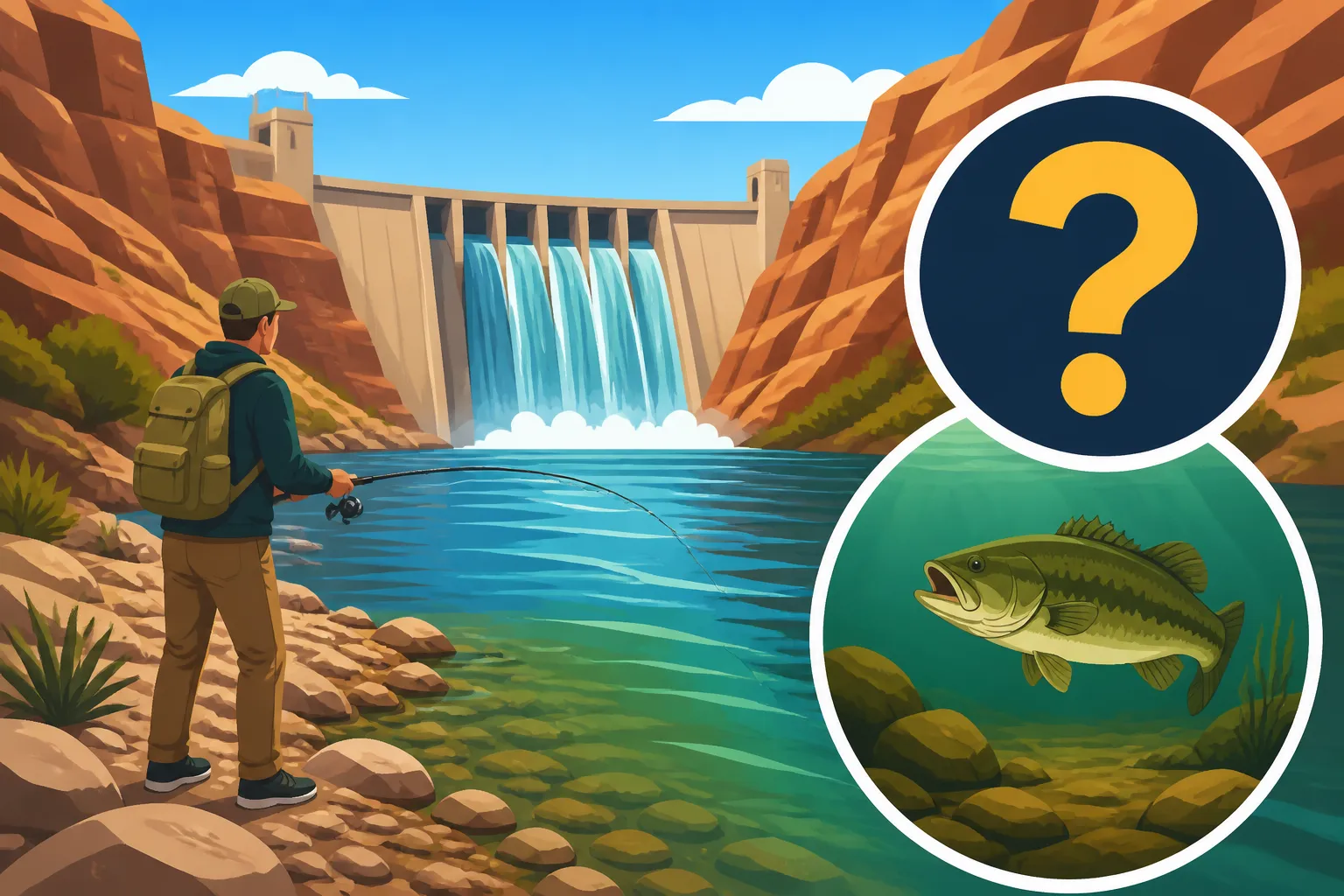
It’s a common frustration for many anglers: you dream of fishing a legendary spot, but the thought of needing a boat, trailer, and all the associated hassle just makes you sigh. Many iconic fishing locations on the mighty Colorado River, like the areas around Laguna Dam near Yuma, often feel like they're exclusively for those with a vessel. But here's the good news: you absolutely can fish below Laguna Dam without a boat, and this guide will show you exactly how to do it effectively and safely.
Getting Your Feet Wet Accessing the Lower Colorado River Below Laguna Dam
The allure of the Lower Colorado River, especially the stretches below Laguna Dam, is undeniable. This area is known for its robust populations of hard-fighting fish, but for bank anglers, the first hurdle is often simply getting to the water. Don't worry, it's more accessible than you might think, though it definitely requires a bit of planning and willingness to explore.
Public Access Points for Shoreline Anglers
While you might not be able to park your car directly under the dam itself due to restricted access and safety zones, the stretches of the Colorado River immediately downstream offer several promising public access points for shore fishing. Many of these areas are managed by the Bureau of Land Management (BLM) or local county parks, providing vital gateways for those without a boat.
For example, areas along the river near Imperial Dam, which is just a short distance downstream from Laguna Dam, offer more developed access points. You'll find designated areas with parking that allow you to get close to the water, often providing relatively stable ground for setting up camp for the day. Local knowledge is key here, and sometimes a chat with fellow anglers at tackle shops in Yuma can point you to lesser-known, productive spots. Remember, these aren't always manicured parks; often, they're rugged, natural riverbanks, which is part of their charm but also something to prepare for.
Navigating the Terrain on Foot
Once you've found a suitable access point, you’ll likely face a bit of a trek to get to your chosen fishing spot along the bank. The terrain of the lower Colorado River can be quite varied. Expect sandy shores, areas with gravel and small rocks, and sometimes denser vegetation like tamarisk and mesquite that can make walking a bit challenging. It’s not uncommon to walk a quarter-mile or more to find that perfect cut bank, submerged log, or quiet eddy where fish might be holding.
This means packing smart is crucial. You won't want to haul a massive tackle box and multiple rod tubes on a long walk. A fishing backpack or a comfortable tackle bag that can be easily carried over your shoulder will be your best friend. Consider how much water, snacks, and gear you truly need for the duration of your trip. Lightweight, collapsible chairs can be a godsend after an hour or two of standing. The reward for this effort, however, is often solitude and access to fish that boat anglers might overlook. If you're keen on honing your skills from the bank, our guide on Shore Fishing Techniques for Beginners offers fantastic starting points to make your efforts more fruitful.
What's Biting Downstream Target Species and Prime Times
The Colorado River below Laguna Dam is a vibrant fishery, teeming with species that offer thrilling battles for bank anglers. You're not just limited to small panfish here; this stretch of river is a renowned trophy fishery, especially for certain species.
The Big Three Flatheads, Stripers, and Channel Cats
When you talk about fishing the Lower Colorado River, three species immediately come to mind for bank anglers seeking a serious fight: Flathead Catfish, Striped Bass, and Channel Catfish.
- Flathead Catfish: These behemoths are the undisputed kings of the Lower Colorado. They love the deeper holes, submerged structure, and current breaks that are abundant below the dam. Flatheads are predatory, preferring live bait, and can grow to truly enormous sizes here. Catching a 20-pound-plus flathead from the bank is a real possibility, making them a prime target. For a deep dive into targeting these magnificent fish, check out our Flathead Catfish Fishing Guide for Arizona.
- Striped Bass: Known for their aggressive strikes and powerful runs, Striped Bass are another fantastic catch from the bank. They often congregate in areas with current, especially when shad are present. While boat anglers might chase "boils" in open water, bank anglers can intercept stripers as they move along deeper channels or ambush baitfish near points and eddies. Learn more about these formidable fighters in our Striped Bass Fishing Guide for Arizona.
- Channel Catfish: More abundant and generally smaller than flatheads, Channel Catfish are a reliable catch, offering consistent action. They're less picky eaters, responding well to various prepared and cut baits. They're often found in similar areas as flatheads but will also roam shallower flats and slower-moving water.
Smaller Bites and Unexpected Catches
Beyond the main targets, you'll find a variety of other species that can add excitement to your day. You might encounter various panfish like Bluegill and Redear Sunfish, especially in slower-moving pockets or backwaters. While not the primary draw, they can offer fun action, especially for beginners or when the bite for larger fish is slow. Carp are also plentiful and, while often overlooked, can provide a surprisingly strong fight on appropriate tackle. You might even stumble upon Tilapia, an invasive species that can be quite fun to catch and, if legal to keep, makes decent table fare.
Seasonal Considerations for Bank Fishing
Understanding the best times to target these species is crucial for success from the bank. The general fishing seasons in Arizona apply, but the specific dynamics of the Colorado River mean some periods are more productive than others.
- Spring (March-May): As water temperatures rise, fish become more active. This is an excellent time for both catfish and stripers as they emerge from their winter lethargy and begin to feed aggressively in preparation for spawning. Crappie and other panfish also become more active.
- Summer (June-August): The scorching Arizona summer heat means daytime fishing can be tough. However, summer nights are prime time for trophy Flathead Catfish. Many bank anglers brave the heat after sundown, using strong lights and heavy gear to target these nocturnal feeders. Stripers can also be caught early mornings or late evenings.
- Fall (September-November): Often considered one of the best times to fish the Lower Colorado. Temperatures cool, and fish go on a feeding frenzy before winter. Both stripers and catfish can be very active during this period.
- Winter (December-February): Fishing can slow down, but it's still possible to catch fish, especially on warmer days. Fish tend to congregate in deeper, more stable water.
No matter the season, remember that river conditions, especially water flow, can drastically change fish behavior. You can always check with local sources or even refer to platforms like FishingBooker for guides who might offer insights into current conditions around the Yuma area. For a broader overview of yearly patterns, our comprehensive Arizona Fishing Seasons Explained guide offers valuable insights.
Equipping for Success Essential Gear for Bank Anglers
Successfully fishing the Lower Colorado River below Laguna Dam from the bank means being prepared with the right tools. You're not just casting a line into a small pond; you're dealing with a powerful river and some very strong fish.
Rods, Reels, and Line That Can Take a Punch
Forget your ultralight trout setup; this is big fish country. You'll need gear that can handle powerful runs and the potential for a trophy-sized catch.
- Rods: Look for medium-heavy to heavy action rods, typically 7 to 9 feet in length. Longer rods help with casting distance from the bank, especially when you need to reach deeper channels or opposite banks. A stout rod provides the backbone needed to wrestle large catfish out of strong currents or pull a hard-fighting striped bass from a snag.
- Reels: Pairing your robust rod with a strong, reliable reel is essential. For flatheads and larger channel cats, a baitcasting reel with a good drag system is ideal, allowing for heavy lines and excellent cranking power. For stripers, a sturdy spinning reel in the 4000-6000 size range with a smooth, powerful drag will serve you well, especially for casting heavier lures or live bait.
- Line: Braided line is highly recommended for its strength, sensitivity, and lack of stretch, which is crucial for feeling subtle bites in current and setting hooks on big fish. Start with at least 30-50 pound test for general catfishing and striper fishing. A fluorocarbon leader (20-40 lb test) can be added for abrasion resistance against rocks and clarity in cleaner water. Our guide on Best Line for Catfish Fishing delves into more specific choices for targeting whiskers.
Baits and Tackle for the Colorado's Residents
Your choice of bait and terminal tackle will significantly impact your success rate. These fish are often opportunistic, but they definitely have preferences.
- Live Bait: For trophy Flathead Catfish, live bait is king. Bluegill, Tilapia (where legal and correctly sized), or large shad are excellent choices. Rig them on a sturdy circle hook (3/0 to 7/0) with a heavy sinker (1-4 oz, depending on current) to keep them on the bottom.
- Cut Bait: For Channel Catfish and often Striped Bass, cut bait works wonders. Chunks of carp, shad, or even chicken liver can be very effective. Scent is a major attractant in murky water and current.
- Lures: While live and cut bait dominate, Striped Bass can be fooled by lures. Heavy spoons, swimbaits, and large crankbaits can be cast from the bank, especially during periods when stripers are actively chasing baitfish.
- Terminal Tackle: Stock up on strong swivels, heavy-duty hooks (circle hooks are great for catfish as they reduce gut-hooking), and a variety of sinkers (pyramid or no-roll sinkers are good for holding bottom in current). For detailed advice on presentations, explore Bottom Fishing Techniques for Catfish. A reliable pair of pliers and a fish gripper or sturdy net are also indispensable for handling toothy or large fish. Our Best Baits and Lures for Arizona Fishing article has more ideas for various species.
Comfort and Convenience on the Riverbank
Remember, you're in the Arizona desert, and fishing from the bank can mean long periods exposed to the elements. Prioritizing comfort and safety will make your trip far more enjoyable.
- Hydration: This is non-negotiable. Bring plenty of water, more than you think you’ll need, especially during warmer months. Electrolyte drinks are also a good idea.
- Sun Protection: A wide-brimmed hat, sunglasses, long-sleeved UPF clothing, and high-SPF sunscreen are essential to protect against the intense Arizona sun. Read our Heat Safety Tips for Summer Fishing in Arizona for crucial advice.
- Shelter: A small, portable umbrella or a pop-up canopy can provide much-needed shade during the day.
- Cooler: A good cooler isn't just for drinks; it's also vital for keeping any fish you plan to keep fresh. A separate cooler for bait, if you're using live bait, is also smart.
- Chair: A comfortable, portable chair will greatly enhance your bank fishing experience, allowing you to relax while waiting for bites.
- Lighting: If you plan on night fishing for catfish, a powerful headlamp or lantern is absolutely critical for rigging, baiting, and navigating the bank in the dark.
For those planning to embark on a guided fishing trip in the future or seeking local expertise, FishingBooker offers a great resource to explore various guided options, even some that cater to shore-based strategies or can offer valuable insights into local conditions and gear choices specific to the Colorado River.
Staying Safe and Legal Rules and Realities on the Riverbanks
Fishing the Colorado River, especially below a dam, comes with its own set of rules and environmental considerations. Being prepared and respectful ensures a safe and responsible fishing trip.
Understanding the River's Flow
The Colorado River below Laguna Dam is part of a managed system, meaning water releases can fluctuate. While significant, sudden changes are usually anticipated and managed for safety, it's always wise to be aware of the river's current. Strong currents can be dangerous for wading, so it's best to stick to bank fishing. Always check local water release schedules or current conditions if possible, especially if you plan to be near areas with significant flow. Respect the power of the river and choose safe, stable spots for fishing.
Licenses, Regulations, and Local Rules
Before you even cast a line, ensure you have the necessary Arizona fishing license. These are mandatory for anyone 10 years of age and older. You can easily purchase them online or from authorized dealers across the state. Our comprehensive Arizona Fishing License Guide is an excellent resource for understanding the different types and how to acquire one.
Beyond the general license, familiarize yourself with specific regulations for the Lower Colorado River. This includes bag and possession limits for various species, which can differ from statewide regulations for certain bodies of water. For instance, there might be specific size or creel limits for bass, catfish, or stripers in this particular stretch. Always consult the current Arizona Game and Fish Department (AZGFD) fishing regulations booklet. Our detailed guide, Arizona Fishing Regulations Explained, can help clarify many of these rules. Additionally, always be aware of any special regulations for tribal lands if you happen to be fishing near them, as separate permits may be required.
Here’s a quick overview of common targets and what to keep in mind:
| Species | Best Bait / Lure | Optimal Season | Key Tip for Bank Anglers |
|---|---|---|---|
| Flathead Catfish | Live Bluegill, Tilapia | Summer Nights, Fall | Target deep holes and submerged wood; use heavy gear. |
| Striped Bass | Cut Shad, Large Swimbaits | Spring, Fall | Look for current breaks, points, or active baitfish schools. |
| Channel Catfish | Cut Shad, Stink Bait | Spring, Summer | Often found in slower eddies, good all-around action. |
| Largemouth Bass | Plastic Worms, Crankbaits | Spring, Fall | Target weed lines, brush piles, and shallow cover. |
For anyone interested in deeper detail on specific limits, the Fishing Bag and Possession Limits Explained article is a fantastic resource.
Respecting the Environment and Wildlife
The Lower Colorado River is a precious ecosystem. Practice "Leave No Trace" principles: pack out everything you pack in, including all fishing line, bait containers, and trash. Litter can harm wildlife and detract from the natural beauty of the area.
Wildlife is abundant along the river. You might encounter various bird species, reptiles, and even mammals. Keep a respectful distance, especially from any potentially dangerous animals. Be aware of snakes, particularly rattlesnakes, which are common in the desert environment. Wear appropriate footwear, especially when traversing rocky or overgrown areas. Always prioritize your safety and the well-being of the local environment.
When planning an outing, particularly if you’re venturing to a new spot, consider checking resources like FishingBooker, which sometimes lists local guides who are not only experts on fishing but also deeply familiar with the local environment, regulations, and safe access points around areas like Laguna Dam. Their insights can be invaluable for a successful and respectful trip.
Disclaimer
The information provided in this guide is for general informational purposes only and does not constitute professional advice. Fishing conditions, regulations, and access points can change frequently. Always consult the latest official regulations from the Arizona Game and Fish Department and exercise caution and good judgment when fishing. Safety should always be your top priority.