Guided Fishing Trips on the Colorado River
The Colorado River is a majestic, sprawling waterway that carves its way through Arizona, offering some truly incredible fishing opportunities. However, for many anglers, especially those not intimately familiar with its vast stretches and diverse ecosystems, tackling it alone can feel like trying to navigate a maze blindfolded. From understanding complex regulations that change from one section to the next to simply knowing where the fish are biting, it's a huge undertaking. This guide is here to walk you through everything you need to know about embarking on guided fishing trips on the Colorado River, ensuring you have the best chance at a memorable and successful outing.
Why Consider a Guided Fishing Trip on the Colorado River?
The Colorado River isn't just any river; it's an iconic American waterway with incredibly diverse fishing environments. Trying to go it alone, especially for the first time, can quickly turn a dream fishing trip into a frustrating exercise in futility. This is precisely where a guided trip shines, transforming potential headaches into pure angling enjoyment.
Navigating the Vastness and Hidden Gems
Imagine staring out at miles of sprawling water, knowing fish are in there somewhere, but having no idea where to even begin. The Colorado River spans hundreds of miles through Arizona, each section offering unique challenges and rewards. From the deep, cold waters of the Grand Canyon to the warmer, broader stretches near Lake Havasu, the river's sheer scale is intimidating. A local guide has spent countless hours on these waters, mapping out the contours, understanding the seasonal movements of fish, and identifying the "secret" spots that aren't obvious to the untrained eye. They know the subtle current breaks where trout hold, the submerged structures that attract bass, and the deep channels favored by monster catfish. Without that intimate knowledge, you could spend days fruitlessly casting into unproductive water. It’s about leveraging someone else's years of experience to instantly elevate your own chances of success.
Expertise and Local Knowledge at Your Fingertips
Beyond just knowing where to go, a good guide brings a wealth of knowledge about how to fish specific sections of the Colorado River. This includes everything from the most effective baits and lures for particular species and conditions to the nuanced techniques that make all the difference. For instance, the fly-fishing techniques that excel at Lees Ferry for rainbow trout are vastly different from the deep-water jigging or trolling methods you'd use for striped bass downriver. They understand how water temperature, clarity, barometric pressure, and even moon phases influence fish behavior. This invaluable insight means you're not just throwing lures randomly; you're fishing strategically, learning techniques that can improve your angling skills long after the trip is over. It's like having a seasoned mentor right there on the water, sharing tips and tricks you'd otherwise take years to acquire.
All Your Gear and Safety Needs Handled
One of the biggest hurdles for many anglers considering a trip to a new, large body of water like the Colorado River is the sheer amount of specialized gear required. Do you have the right boat for the current? Are your rods strong enough for a potential trophy striped bass? What about all the safety equipment? A guided trip eliminates all these worries. Guides typically provide all the necessary fishing tackle, including rods, reels, lines, and an array of proven baits and lures specific to the target species and conditions. Their boats are usually purpose-built for the river, equipped with powerful motors, fish finders, and all the required safety gear like life jackets. This means you don't have to invest in expensive equipment you might only use once, nor do you have to fret over whether you've packed correctly. All you need to do is show up ready to fish, leaving the logistics and heavy lifting to the professionals. This peace of mind allows you to focus solely on the fishing experience.
Navigating Regulations and Permitting Made Easy
Fishing the Colorado River in Arizona can come with a bewildering array of regulations, especially when you consider its diverse sections and border waters. For instance, fishing the Arizona side of Lake Mead or Lake Havasu often involves understanding reciprocal agreements with Nevada or California, and knowing which specific licenses are required. Then there are special regulations for certain fish species, bag limits, and protected areas. Trying to decipher the current Arizona Fishing Regulations Explained can be a significant chore, and accidentally violating a rule can lead to hefty fines. A professional guide is not only intimately familiar with all the current rules but will also ensure that you are fishing legally throughout your trip. They'll advise you on necessary licenses, clarify bag and possession limits, and keep you informed of any special conditions. This expertise is particularly valuable for out-of-state anglers who might be unfamiliar with the Arizona Fishing License Guide. They'll make sure your focus stays on the fish, not on navigating complex legalities.
What to Expect on a Colorado River Guided Fishing Trip
So, you've decided a guided trip is the way to go. Fantastic! But what does a typical day look like, and what kind of fish can you realistically expect to chase? The experience can vary quite a bit depending on which section of the Colorado River you're exploring and what your angling goals are.
Target Species and Specialized Techniques
The Colorado River is a truly diverse fishery, boasting a wide variety of species that appeal to all types of anglers. Your guide will specialize in certain fish and areas, so it's good to know what's available:
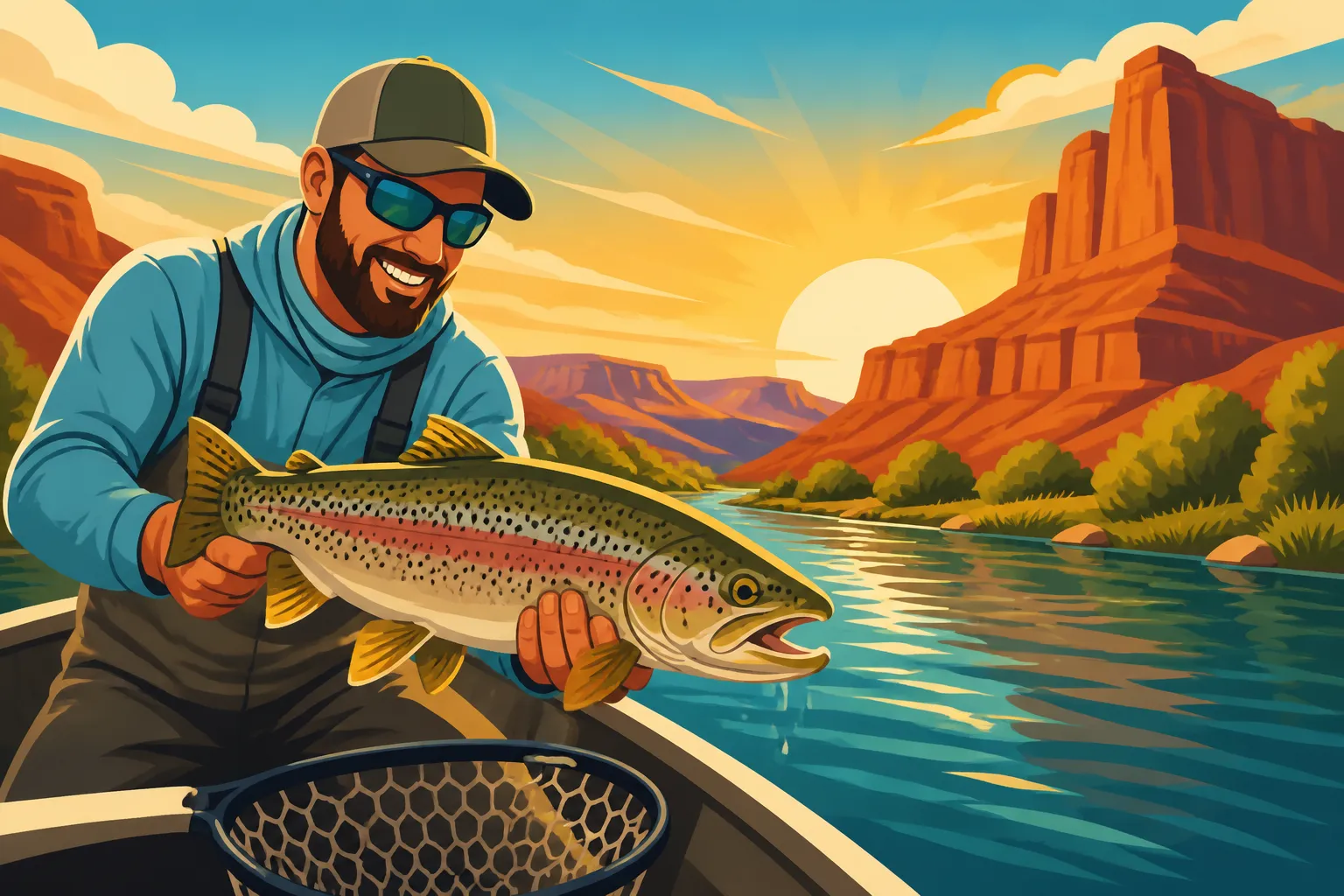
- Rainbow Trout: If you dream of crystal-clear waters and acrobatic trout, the Lees Ferry section of the Colorado River, just below Glen Canyon Dam, is world-renowned. Here, guides often specialize in fly fishing or light tackle spin fishing for trophy rainbow trout. The cold, consistent water temperatures make this a prime trout fishery year-round. You'll learn delicate presentation techniques, how to read subtle currents, and identify prime feeding lanes.
- Largemouth and Smallmouth Bass: Further downriver, particularly in the impoundments like Lake Havasu, Lake Mohave, and the various stretches around Parker and Yuma, bass fishing reigns supreme. Guides will lead you to rocky points, submerged structure, and weed beds where these aggressive fighters hide. You might be casting crankbaits, jigs, or soft plastics, learning about seasonal patterns and how to trigger strikes from these popular game fish. If you're keen on the bronze backs, a Smallmouth Bass Fishing Guide for Arizona would be right up your alley.
- Striped Bass: Known for their hard fights and schooling behavior, striped bass are a major draw in larger sections like Lake Havasu and along the main Colorado River channel, especially where they follow schools of baitfish. Guides often use trolling techniques with swimbaits or live bait, or they'll chase "boils" where stripers aggressively feed on the surface. These trips can be fast-paced and incredibly exciting. Learning How to Fish for Striped Bass is a unique experience best done with an expert.
- Catfish (Channel and Flathead): The lower Colorado River, particularly around the Yuma area and in slower moving sections, is prime territory for large channel and flathead catfish. Night fishing for these giants is a popular option, where guides employ heavy tackle and potent baits like cut bait or stink baits. This is a more relaxed style of fishing, often spent waiting patiently for a powerful bite, making it an excellent choice for a Catfish Fishing Guide for Arizona.
- Panfish (Bluegill, Crappie): While not always the primary target, many guides in the warmer, slower stretches of the river can put you on prolific schools of crappie or bluegill, especially during certain seasons. These trips are fantastic for families or beginners, offering plenty of action and a chance to hone basic fishing skills.
Typical Trip Duration and Inclusions
Most guided trips on the Colorado River come in two main flavors: half-day or full-day excursions.
- Half-Day Trips: These typically last around 4-5 hours and are a great option for those with limited time, families with younger children, or anglers looking for a shorter, more focused experience. They might concentrate on one or two specific fishing spots and target a single species.
- Full-Day Trips: Running for about 8-9 hours, full-day trips offer a more comprehensive experience. They allow guides to cover more water, explore diverse fishing techniques, and adapt to changing conditions. You'll have more time to learn, refine your skills, and maximize your chances of success.
Regardless of duration, most guided trips include:
- Professional Guide Services: The guide's expertise, local knowledge, and personalized instruction.
- Boat and Fuel: A comfortable, well-equipped fishing boat.
- Fishing Tackle: High-quality rods, reels, and terminal tackle, including a wide array of baits and lures.
- Cooler with Ice: For drinks, snacks, and keeping your catch fresh (if allowed and kept).
- Safety Gear: Life jackets and other necessary safety equipment.
What's typically not included are your Arizona fishing licenses (which you'll need to purchase separately), food and drinks (though some guides may offer basic snacks/water, it's always best to bring your own), and gratuities for your guide.
Popular Sections of the Colorado River for Guided Trips
The Colorado River is so vast that it's often broken down into distinct fishing zones in Arizona, each with its unique character and guiding opportunities:
- Lees Ferry (Grand Canyon Area): This tailwater fishery, located just below Glen Canyon Dam, is legendary for its large, wild rainbow trout. It's a serene, beautiful section of the river, perfect for fly-fishing enthusiasts or those seeking a peaceful escape. Guides here specialize in drift boat trips and precise presentations. You can learn more about this incredible stretch in our Lees Ferry Arizona Fishing Guide.
- Lake Havasu and Parker Strip: Further south, the Colorado River widens into Lake Havasu, a popular destination for bass (largemouth, smallmouth, striped) and various panfish. The Parker Strip, a recreational section of the river below Parker Dam, also offers excellent fishing. Guides here often use larger bass boats and target a wider array of species, perfect for those looking for action. This area is covered in depth in our Lake Havasu Arizona Fishing Guide.
- Lower Colorado River (Yuma Area): Closer to the Mexican border, the river becomes slower and warmer, creating prime habitat for flathead and channel catfish, as well as largemouth bass. Guides in this region often focus on bait fishing techniques for trophy catfish or working cover for bass. If you're exploring this region, check out Best Fishing Spots Near Yuma.
The choice of location will heavily influence the type of fish you target and the techniques you'll learn, so it's wise to discuss this with your guide during the booking process. The Colorado River Fishing Guide in Arizona provides an even broader overview of this magnificent waterway.
Choosing the Right Guide and Booking Your Adventure
With so many guides operating on the Colorado River, how do you find the one that's perfect for your trip? It takes a little research, but a good match can make all the difference.
Factors to Consider When Selecting a Guide
Picking a guide isn't just about finding someone with a boat; it's about finding the right personality, expertise, and fit for your fishing goals.
- Specialization: Does the guide specialize in the species you want to target? A guide who primarily focuses on fly fishing for trout at Lees Ferry might not be the best choice if you're hoping to chase giant flathead catfish near Yuma. Look for guides whose passion aligns with yours. Many guides will clearly state their focus, whether it's bass, trout, or catfish.
- Experience and Reputation: How long has the guide been working the Colorado River? Experience often translates to a deeper understanding of the water, fish patterns, and safety protocols. Check online reviews and testimonials. Reputable guides often have a strong positive presence on platforms where past clients share their experiences.
- Communication Style: Will you get along with your guide? A good guide is not only skilled at fishing but also at teaching and entertaining. Some prefer a quiet, focused trip, while others enjoy lively conversation. Don't hesitate to call them beforehand to get a feel for their personality and ask any questions you have.
- Boat and Equipment: While guides provide gear, it's fair to ask about the condition of their boat and tackle. Are they well-maintained? Is the equipment appropriate for the fish you'll be targeting? Most professional guides take pride in their gear, ensuring a comfortable and effective fishing experience.
- Safety Record and Certifications: Ensure your guide is licensed, insured, and has all necessary safety certifications (like CPR and First Aid). While rare, accidents can happen, and you want to be in capable hands.
Booking Your Trip
Once you've narrowed down your choices, booking your trip is the next step. This often involves a deposit and confirming dates.
One of the easiest ways to find and book reputable fishing guides on the Colorado River is through online booking platforms. Services like FishingBooker specialize in connecting anglers with professional fishing charters and guides around the world, including those operating on the Colorado River. These platforms allow you to:
- Browse multiple guides: You can compare different guides' profiles, their specializations, available dates, and pricing all in one place.
- Read reviews: Real angler reviews give you a fantastic insight into a guide's personality, effectiveness, and overall trip experience. This is incredibly helpful for vetting potential guides.
- Check availability: The platform allows you to see a guide's real-time calendar, making it easy to find open dates that work for your schedule.
- Secure booking and payment: FishingBooker offers a secure way to book your trip and make deposits, often with clear cancellation policies.
When you reach out, whether directly or through a platform like FishingBooker, be clear about your expectations: what species you hope to catch, your experience level (beginner, experienced), and any specific accommodations you might need.
Preparing for Your Guided Trip
Even though the guide handles most of the heavy lifting, a little preparation on your part will ensure a smoother, more enjoyable day.
- Purchase Your Fishing License: This is non-negotiable. Make sure you have the appropriate Arizona fishing license for the dates of your trip. If you're fishing border waters like Lake Havasu, ask your guide if a special Colorado River stamp or out-of-state license endorsement is required. Our Arizona Fishing License Guide can help you determine the right one.
- Dress Appropriately: Arizona weather can be extreme. Even on cooler days, the sun is intense. Wear layers that you can add or remove. Long sleeves, a wide-brimmed hat, and polarized sunglasses are essential for sun protection. Consider moisture-wicking clothing for warmer months.
- Bring Essentials: Pack sunscreen (even if wearing long sleeves), any personal medications, snacks, and plenty of water or other hydrating beverages. A small cooler with ice for your personal items is also a good idea. Don't forget a camera to capture those memorable catches!
- Discuss Preferences: If you have any specific requests (e.g., strictly catch-and-release, a desire to learn a particular technique, or a preference for quiet conversation), communicate these with your guide beforehand.
- Tip Your Guide: Standard practice is to tip your guide 15-20% of the trip cost if you had a good experience. They work hard to ensure your trip is a success.
Cost and Value of a Guided Fishing Trip
Let's be real, guided trips aren't free. The cost can sometimes be a barrier for anglers, but understanding what you're paying for—and the value you receive—can put it into perspective.
Understanding the Pricing Structure
The cost of a guided fishing trip on the Colorado River can vary significantly based on several factors:
- Duration: Half-day trips are naturally less expensive than full-day trips.
- Location: Certain prime fishing locations, like Lees Ferry, might command slightly higher rates due to specialized equipment (drift boats) and the exceptional quality of fishing.
- Number of Anglers: Most guides charge a base rate for one or two anglers, with an additional fee for each extra person, up to their boat's capacity.
- Type of Trip: Highly specialized trips, such as multi-day backcountry trips or those requiring very specific gear (like advanced fly-fishing expeditions), might be at the higher end.
Generally, you can expect half-day trips to range from $400-$700 and full-day trips from $600-$1000+, depending on the guide, location, and number of people. These are rough estimates, and it's essential to get exact quotes. Platforms like FishingBooker make comparing prices from various providers transparent.
What's Included in the Price
When you're looking at the price tag, remember everything that's typically bundled into that cost:
- The Guide's Expertise and Time: You're paying for years of accumulated knowledge, their ability to locate fish, and their teaching skills. This is the most valuable part of the package.
- Fuel and Boat Maintenance: Running a fishing charter is expensive. Fuel for a day on the vast Colorado River, especially with lots of moving, can add up quickly. Boat maintenance, insurance, and wear-and-tear are significant operational costs.
- High-Quality Gear: You're using professional-grade rods, reels, and a constantly refreshed supply of lures and bait. This saves you from buying or maintaining your own specialized equipment.
- Safety and Licenses: The guide's commercial licensing, insurance, and mandatory safety equipment for their vessel are all part of the overhead.
- Logistics: From launching the boat to cleaning it afterward, and handling all the pre-trip planning, your guide takes care of all the tedious aspects of a fishing trip, allowing you to simply relax and enjoy.
Maximizing Your Investment
A guided trip is an investment in an experience, and there are ways to ensure you get the most out of it:
- Ask Questions: Don't be shy! Your guide is there to help you learn. Ask about why they chose a particular spot, what kind of structure they're targeting, or why a certain lure works best. The educational aspect can be just as valuable as the fish you catch.
- Listen and Learn: Pay attention to their instructions. They've seen it all and know what works on their specific waters. Even experienced anglers can pick up new tricks from a local expert.
- Be Realistic: The Colorado River is full of fish, but it's still fishing, not catching. Conditions can change, and fish sometimes have lockjaw. A good guide will work incredibly hard to put you on fish, but a "skunk" day can happen to anyone. Focus on the experience, the scenery, and the learning, not just the numbers.
- Consider a Multi-Day Trip: If your budget allows, a multi-day trip can offer even deeper learning and a chance to explore more varied sections of the river. You build rapport with your guide and can truly immerse yourself in the angling adventure.
- Leave a Review: If you had a great experience, consider leaving a positive review on platforms like FishingBooker or the guide's website. This not only helps the guide but also helps other anglers make informed decisions.
Ultimately, a guided fishing trip on the Colorado River offers an unparalleled opportunity to experience one of Arizona's premier fisheries with the invaluable assistance of a local expert. It’s about more than just catching fish; it’s about making memories, learning new skills, and safely exploring some of the most stunning landscapes the state has to offer.
| Trip Type | Duration | Typical Inclusions | Good For | Average Cost Range (approx.) |
|---|---|---|---|---|
| Half-Day Trip | 4-5 hours | Guide, boat, tackle, basic safety gear | Beginners, families, focused species, limited time | $400 – $700 |
| Full-Day Trip | 8-9 hours | Guide, boat, tackle, advanced safety gear, more water | Experienced anglers, learning techniques, multiple species, maximum opportunity | $600 – $1000+ |
Remember, these costs are approximate and can vary based on the specific guide, location, and the number of anglers in your party. Always confirm pricing and inclusions directly with your chosen guide or booking platform.
Disclaimer
Please be aware that fishing regulations, license requirements, and local conditions on the Colorado River can change. Always verify the most current rules and regulations with the Arizona Game and Fish Department before your trip. This guide provides general information and recommendations.