Can You Fish From the Shore at Lake Powell?
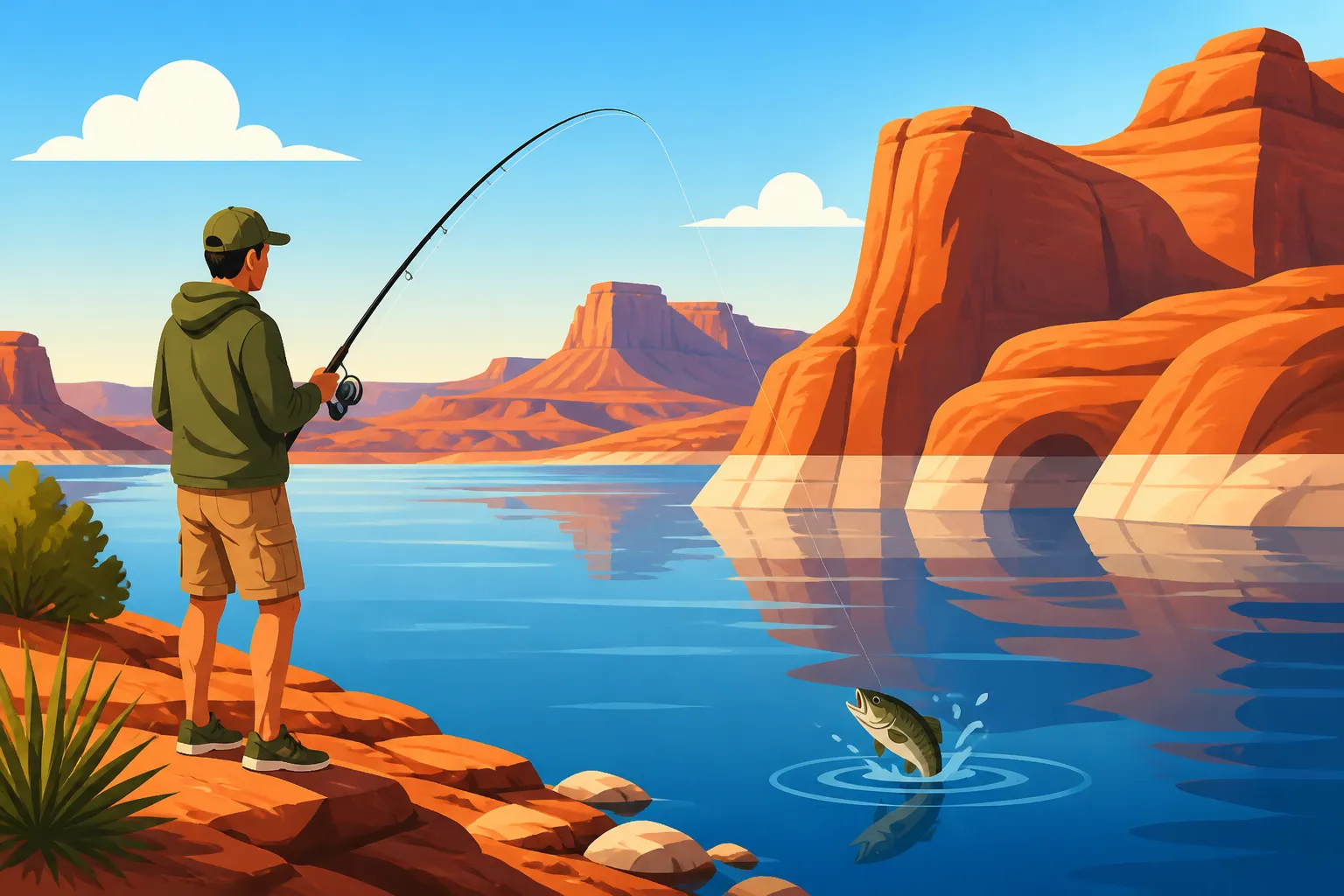
It's completely understandable if you've looked at the vast, canyon-laden expanse of Lake Powell and thought, "There's no way I can fish from shore here!" Most of us picture sleek bass boats or houseboats when we imagine fishing this iconic Arizona destination. The sheer scale and often steep, rocky banks can definitely make shore access seem like an impossible dream. But don't you worry, while it presents its own unique challenges, fishing from the shore at Lake Powell is absolutely possible, and this guide is here to walk you through how to do it effectively and enjoyably.
The Reality of Shore Fishing at Lake Powell
Lake Powell is truly a marvel, an immense reservoir formed by the Glen Canyon Dam on the Colorado River, boasting thousands of miles of shoreline. However, much of that shoreline isn't exactly angler-friendly from the bank. We're talking about steep cliffs dropping straight into deep water, or long, sloping slickrock that's beautiful to look at but tough to walk on, especially with fishing gear. The fluctuating water levels, which can change dramatically throughout the year, also play a huge role in what's accessible and what isn't. It's a constant dance with nature out here.
For the intrepid shore angler, though, these challenges just mean you need to be a bit more strategic and prepared. It’s not like casting a line into a local community pond with paved paths and easy access. This is raw, wild Arizona, and with that comes a certain level of adventure and reward for those willing to embrace it. You might not have the same mobility as someone in a boat, but with patience and the right approach, you can still find some fantastic fishing opportunities and soak in that unparalleled desert beauty.
Understanding Lake Powell's Unique Terrain and Water Levels
The very nature of Lake Powell as a canyon lake means that its "shoreline" is often a vertical extension of the canyon walls. Imagine trying to cast from a cliff 50 feet above the water – not exactly ideal or safe! Because the Colorado River carved these magnificent canyons over millennia, many areas plunge quickly into incredible depths, meaning you won't find traditional shallow flats or gradual sandy beaches everywhere. This deep-water access from the bank can actually be a huge advantage for certain species, but it makes walking and casting a challenge.
Then there are the water levels, which are famously dynamic. Lake Powell's levels are managed for water storage and power generation, and they can fluctuate by dozens of feet throughout a year, and even more dramatically over several years due to drought conditions. A spot that was a perfect sandy beach last year might now be 30 feet under water, or a steep, muddy bank far from the water's edge. This variability means that what you see on a satellite map from last season might not be what you encounter today. Always check current lake levels before you go, and be prepared for potential changes in access.
Finding Accessible Shoreline Spots
Despite the challenges, there are indeed spots at Lake Powell where shore fishing is not only feasible but can be quite productive. The key is to look for areas with more gradual slopes, sandy coves, or broad points that extend into the water. These areas are usually found closer to the main marinas and developed recreation areas, simply because they were chosen for their natural accessibility.
One of the most popular and accessible areas for shore fishing is around Wahweap Bay near Page, Arizona. Here, you'll find some broader, more gently sloping areas, particularly in the shallower coves. It's a great spot for families or those new to Lake Powell's unique landscape. Another excellent option is Antelope Point, also close to Page, where certain sections offer easier walk-in access to the water, especially for those targeting stripers. Further north, for those willing to venture a bit, Lone Rock Beach offers expansive, albeit sometimes very shallow, sandy areas where you can comfortably set up camp and fish. Always consult current maps and perhaps even call a local marina or tackle shop for the latest conditions and best current spots; they are often the most up-to-date sources of local knowledge. When you're planning your trip, consider checking out resources like FishingBooker to see if any local guides offer insights into shore-accessible hot spots or if you decide a boat is the way to go.
Essential Gear and Tactics for Shore Success
If you're committed to fishing Lake Powell from the bank, you can't just show up with any old setup. The unique environment demands specific gear and tactics to give you the best chance of success. Think about casting distance, dealing with snags, and targeting fish that might be just a bit further out than you're used to from shore. It’s all about adapting your approach to the vastness and depth of the lake.
Empathy here: I know it sounds like a lot of extra stuff, especially if you're used to simpler fishing trips. But trust me, a little preparation goes a long way in making your Lake Powell shore fishing experience enjoyable and productive instead of frustrating. It’s better to be overprepared than underprepared when dealing with such a grand and sometimes unforgiving landscape.
Rods, Reels, and Line for Shore Casting
For shore fishing at Lake Powell, you'll want to prioritize casting distance and backbone to handle potentially large fish and heavy tackle. Forget the ultralight setups for most situations; you'll need something with a bit more muscle.
- Rods: A medium-heavy to heavy action spinning rod, typically in the 7 to 9-foot range, is ideal. The extra length will give you the leverage needed to cast heavier baits and lures further out, reaching those deeper drop-offs and channels where fish often congregate. A longer rod also helps with line management over rocky banks, keeping your line higher out of potential snags near shore. For beginners looking for a solid starting point, a 7'6" medium-heavy spinning rod is a fantastic all-around choice.
- Reels: Pair your rod with a sturdy spinning reel in the 4000 to 6000 series size. These reels hold plenty of line and have the drag power to fight strong fish like striped bass or large catfish. Make sure your reel has a smooth retrieve and a reliable drag system, as you'll be putting it to the test.
- Line: Spool up with 15-20 lb monofilament or fluorocarbon line, or better yet, 30-50 lb braided line with a 15-20 lb fluorocarbon or monofilament leader. Braided line offers superior casting distance, sensitivity, and strength for its diameter, which is crucial for feeling subtle bites at long range and pulling fish out of snags. The leader provides a bit of stretch and invisibility. Don't skimp on line; it's your only connection to that potential trophy.
| Fish Species | Recommended Rod Action | Recommended Rod Length | Recommended Line Weight |
|---|---|---|---|
| Striped Bass | Medium-Heavy to Heavy | 7'0" – 9'0" | 20-50 lb Braid |
| Catfish | Medium-Heavy to Heavy | 7'0" – 8'0" | 20-40 lb Mono/Braid |
| Largemouth Bass | Medium-Heavy | 6'6" – 7'6" | 12-20 lb Fluoro/Braid |
| Smallmouth Bass | Medium | 6'6" – 7'0" | 8-15 lb Fluoro/Braid |
| Panfish | Light to Medium-Light | 5'0" – 6'6" | 4-8 lb Mono |
Baits, Lures, and Rigs That Work from the Bank
Your bait and lure selection will largely depend on what you're targeting and the specific conditions, but some options are consistently effective for shore anglers at Lake Powell. Many of the techniques used by boat anglers can be adapted for bank fishing. For a deeper dive, check out the article on Best Baits and Lures for Arizona Fishing.
- Natural Baits: For catfish (channel cats and flatheads), cut bait (like shad, carp, or even hot dogs), chicken livers, and stink baits are always winners. For striped bass, anchovies (whole or cut) are incredibly effective, especially when fished on the bottom or suspended under a bobber. Live minnows, if legal and available, can also entice a wide range of species.
- Artificial Lures:
- Spoons: Heavy casting spoons like Kastmasters or Johnson Silver Minnows are fantastic for reaching long distances and mimicking dying baitfish. They work well for stripers and even bass.
- Crankbaits: Deep-diving crankbaits can be effective for bass and stripers, especially when cast parallel to shorelines where fish might be cruising ledges or submerged structure.
- Soft Plastics: Grubs, worms, and swimbaits rigged on jig heads are versatile and can catch bass, stripers, and even crappie. Experiment with different colors and sizes.
- Topwater Lures: During low light conditions (dawn/dusk) or when stripers are actively schooling near the surface (boils), topwater poppers or walking baits can be incredibly exciting.
- Rigs:
- Bottom Rig (Carolina Rig or Slip Sinker Rig): This is a staple for shore fishing, especially for catfish and stripers. It keeps your bait on the bottom where these fish often feed. You'll need egg sinkers (1/2 oz to 2 oz depending on current/depth), barrel swivels, and an appropriately sized hook.
- Bobber Rig: For targeting panfish or suspending live bait for stripers in shallower coves, a slip bobber rig allows you to adjust your bait's depth easily.
- Jig Head with Soft Plastic: A simple jig head with a grub or swimbait is incredibly versatile for bass and stripers. Cast it out and retrieve with a slow, steady retrieve or a hop-and-drop action.
Targeting Specific Species from Shore
Lake Powell is home to a fantastic array of fish species, and while a boat gives you access to the entire lake, many of these fish can absolutely be caught from the bank. The trick is understanding their habits and where they're most likely to congregate within casting distance of the shore. You might be surprised at what you can reel in without ever stepping foot on a boat.
For an overview of the main catches, you can consult the Lake Powell Arizona Fishing Guide. What's great about shore fishing is that you often connect with the environment in a more intimate way, really paying attention to every ripple and rock.
Chasing Stripers and Catfish from the Bank
These two species are often the most accessible and rewarding for shore anglers at Lake Powell, and they are generally abundant throughout the lake.
- Striped Bass: Stripers are fantastic targets from shore, especially during the spring and fall when water temperatures are more moderate, or during the early morning and late evening hours in the summer. They often cruise near shore, especially around points, rocky ledges, and drop-offs, looking for shad. The key to successful striper fishing from shore is often chumming. Bring a bucket of cut anchovies or hot dogs, throw a handful out every 10-15 minutes, and then cast your baited hook into the chum line. Use a bottom rig with a 1/0 to 3/0 hook, baited with a whole or half anchovy. Watch for "boils" on the surface, where stripers are actively chasing baitfish; if you see one within casting range, throw a heavy spoon or topwater lure into the commotion. For more detailed strategies, read our How to Fish for Striped Bass article. Sometimes, booking a local guide through a service like FishingBooker can give you invaluable intel on current striper movements, even if you're planning to fish from shore.
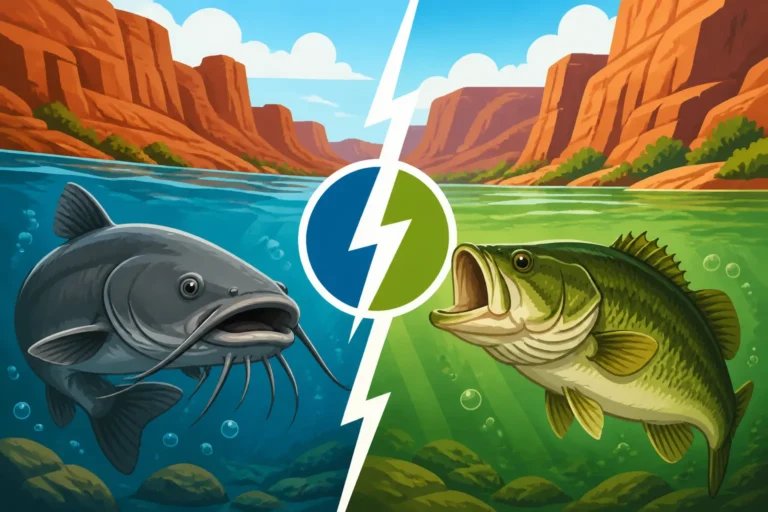
- Catfish: Channel catfish and the occasional flathead are also excellent targets for shore anglers, particularly in the warmer months and into the evening or night. Catfish are scavengers and rely heavily on scent, making them perfect candidates for stationary bait fishing from the bank. Look for areas with deeper water nearby, especially where there might be some submerged brush or rocky structure. Use a heavy bottom rig with a 2/0 to 5/0 circle hook baited with cut shad, chicken liver, or a prepared stink bait. Cast out, let your bait settle on the bottom, and wait. A rod holder and a bell on your rod tip can be incredibly helpful for night fishing. Discover more about how to pursue these whiskered beauties in our Catfish Fishing Guide for Arizona.
Opportunistic Bass and Panfish Encounters
While stripers and catfish might be your primary targets from shore, don't overlook the potential for catching largemouth bass, smallmouth bass, and various panfish species. They might require a bit more finesse and specific location scouting, but they're definitely around.
- Bass (Largemouth and Smallmouth): Bass in Lake Powell are often associated with structure, whether it's submerged brush, rocky points, ledges, or canyon walls with cracks and crevices. From shore, focus your efforts on areas where the bank isn't a sheer cliff, but rather has a more gradual slope with visible rocks, boulders, or even some desert vegetation that extends into the water. Smallmouth bass, in particular, love rocky environments and can often be found relating to the bottom contours near shore. Try casting soft plastics (like Texas-rigged worms or grubs on jig heads), small crankbaits, or spinnerbaits parallel to the shoreline, working them slowly along the bottom or over submerged features. Early morning and late evening are prime times. Look for shaded areas during the heat of the day.
- Panfish (Bluegill, Crappie): While not as abundant or large as in some other Arizona lakes, panfish like bluegill and crappie can be found in Lake Powell, especially in protected coves with some aquatic vegetation (though vegetation can be sparse in a desert lake) or submerged brush. These are often great targets for kids or for a relaxing day of fishing. Use light tackle, small hooks (size 8-12), and tiny baits like mealworms, corn, or small pieces of hot dog under a bobber. Cast into shallower, calmer waters, especially around any visible structure. While not as common from shore on Powell, a trip to Roosevelt Lake or Canyon Lake might offer better panfish opportunities.
Overcoming Challenges and Maximizing Your Experience
Fishing from the shore at Lake Powell isn't always easy, and it definitely comes with its own set of hurdles. But with the right mindset and preparation, you can turn potential frustrations into memorable moments. It’s all about being flexible and ready for whatever this magnificent, untamed landscape throws your way.
Remember, a little discomfort is often a small price to pay for the incredible scenery and the thrill of landing a fish in such an epic location. Don't let the initial difficulties deter you; the rewards are truly unique. Always check the official Arizona Fishing Regulations Explained before heading out to ensure you're compliant with all rules and limits.
Dealing with Variable Water Levels and Access Points
The constantly changing water levels are perhaps the biggest wildcard for shore anglers at Lake Powell. A favorite spot one month might be unreachable or completely dry the next. It can be incredibly frustrating to plan a trip only to find your chosen access point is no longer viable.
- Stay Informed: Your best defense is a good offense. Before you go, check the most current lake levels. Websites like the Bureau of Reclamation often provide real-time data for Lake Powell. Combine this with satellite imagery (like Google Earth) to get a better idea of the topography. Look for areas where the slopes are gentler, as these tend to maintain more consistent access even with minor level changes.
- Be Flexible: Have a backup plan (or two!). Don't put all your eggs in one basket. If your primary spot isn't working out, be prepared to explore nearby coves or points. Sometimes a short hike can unlock a fantastic, unfished stretch of shoreline. Be aware that some remote areas might be difficult to navigate, and make sure someone knows your itinerary.
- Observe and Adapt: Once you're on the ground, pay close attention to the water's edge. Is the bottom muddy, rocky, or sandy? Is there any visible structure? This helps you understand where fish might be hiding and what tactics will be most effective. Sometimes, the current water level might expose new, fishable ledges or create temporary shallow flats that attract baitfish.
Safety and Comfort for Shore Anglers
The Arizona desert environment, combined with the vastness of Lake Powell, demands attention to safety and personal comfort, especially for shore anglers who might be more exposed and further from immediate assistance than those on a boat.
- Hydration is Non-Negotiable: Even in cooler months, the desert air is dry, and you can become dehydrated quickly. Bring far more water than you think you'll need. A good rule of thumb is at least a gallon per person per day, especially during warmer seasons. Electrolyte drinks can also be beneficial.
- Sun Protection: The Arizona sun is intense. Wide-brimmed hats, sunglasses (polarized ones are fantastic for spotting fish and structure underwater!), and long-sleeved, breathable UV-protective clothing are essential. Reapply high-SPF sunscreen regularly. Check out our article on Best Sun Protection for Desert Fishing for more in-depth advice.
- Sturdy Footwear: You'll likely be walking over uneven, rocky, and potentially slippery terrain. Closed-toe, sturdy hiking shoes with good grip are crucial. Avoid open-toed sandals.
- Be Prepared for Remote Conditions: Cell service can be spotty or non-existent in many parts of Lake Powell. Let someone know where you're going and when you expect to return. Carry a first-aid kit, a headlamp (even if you don't plan to fish at night), and extra food. A portable power bank for your phone is also a smart idea.
- Leave No Trace: Pack out everything you pack in, including all trash and fishing line. Help keep Lake Powell beautiful for everyone.
- Consider a Guide: While this guide focuses on DIY shore fishing, if you’re new to the area or want to maximize your time, consider booking a half-day guided trip by boat. Many guides, like those you can find on FishingBooker, are experts on Lake Powell and can give you invaluable tips on current hotspots and techniques that you can then adapt for your shore fishing adventures. They often know the best accessible areas too.
Remember, fishing Lake Powell from the shore might be a challenge, but it's an incredibly rewarding one. The solitude, the stunning views, and the thrill of catching fish against such a dramatic backdrop are experiences you won't soon forget. With the right preparation and a bit of adventurous spirit, you can absolutely enjoy some fantastic angling without a boat.
Disclaimer
Fishing conditions and regulations in Arizona can change. Always consult the latest Arizona Game and Fish Department regulations before heading out. Be aware of your surroundings and prioritize safety, especially when fishing near water or in remote areas. This guide is for informational purposes only.