Is the Colorado River Better for Catfish Than Bass?
When you're looking at a vast, legendary waterway like the Arizona stretch of the Colorado River, it’s only natural to wonder which finned fighters are truly king. Many anglers, especially those new to this stunning desert fishery, often find themselves wrestling with the question: is the Colorado River better for catfish or bass? It’s a valid point of confusion, as both species thrive here, but they offer vastly different experiences and opportunities. This guide will dive deep into what makes the Colorado River unique for each, helping you decide where to focus your efforts for a truly rewarding angling adventure.
Understanding the Colorado River's Fishery in Arizona
The Colorado River as it flows through Arizona is an incredible and diverse fishery, much more than just a single, uniform waterway. From the vastness of Lake Powell and Lake Mead at its northern and western borders, down through the bustling recreation areas of Lake Havasu, the Parker Strip, and the quiet backwaters near Yuma, each section presents its own unique challenges and rewards. The river's character changes dramatically along its path, influenced by dams, reservoirs, and varying current speeds.
The water itself can range from crystal clear in some sections, especially below major dams where releases come from deeper, colder parts of the reservoirs, to more turbid and silty in other areas, particularly after rain or in slower-moving stretches. This variability in water conditions, along with the sheer amount of diverse habitat—rocky ledges, submerged vegetation, deep channels, brush piles, and shallow coves—is precisely what allows such a wide array of fish species to flourish. Anglers often find themselves needing to adapt their approach not just based on the time of year, but even on the specific mile marker they’re fishing. It's a complex ecosystem, supporting everything from trout in the colder reaches to panfish, carp, and of course, our main contenders: bass and catfish.
The Case for Catfish: Why the Colorado River is a Catfish Paradise
Let's be honest, if you're looking for sheer numbers, impressive size, and a fight that can truly test your gear, the Colorado River near Arizona offers some of the best catfishing in the Southwest. Catfish, particularly Channel Catfish and Flathead Catfish, absolutely thrive in these waters, making it a dream destination for many dedicated whisker-fish enthusiasts.
Abundant Channel Catfish
Channel catfish are incredibly prolific in the Colorado River system, from the major lakes like Havasu and Mead down to the more riverine sections. They're adaptable, can tolerate a wide range of water conditions, and grow to respectable sizes, often in the 5-15 pound range, with larger specimens certainly possible. You'll find them almost everywhere, from the main river channels to quieter coves and backwaters. They are voracious eaters, making them relatively easy to target.
When it comes to fishing for Channel Cats, simplicity is often key. You don't need highly specialized gear to have a successful outing. A medium-heavy spinning rod or baitcasting setup, spooled with 15-20 pound test monofilament or braided line, is usually sufficient. As for bait, they're not picky! Stink baits, chicken livers, cut bait (like shad or carp), shrimp, and even hot dogs can all be incredibly effective. Many anglers swear by Best Bait for Catfish in Arizona when targeting these common bottom-dwellers. Focus on deeper holes, the edges of current seams, and areas with submerged structure during the day. As evening approaches, they'll often move into shallower areas to feed, making for some exciting night fishing.
Trophy Flathead Catfish Potential
Now, if you're after a true monster, the Flathead Catfish of the Colorado River are legendary. These powerful predators can grow to immense sizes, sometimes exceeding 50 pounds, with the state record often coming from these very waters. Unlike their channel cat cousins, flatheads are ambush predators that prefer live bait and often hold tight to heavy cover like submerged timber, rock piles, and deep scour holes. Targeting flatheads is a different ballgame. It requires heavier tackle—think stout rods, large baitcasting reels with strong drags, and 30-80 pound braided line or heavy monofilament. Live baits are essential; bluegill, carp, or even small stocked trout (where legal) are excellent choices.
A common tactic is to anchor upcurrent from a promising piece of structure, like a massive logjam or a deep rock ledge, and let your live bait drift naturally into the strike zone. Patience is paramount, but the reward of hooking into a truly massive flathead makes every minute worthwhile. You can learn more about specific approaches with Catfish Night Fishing Techniques, as flatheads are particularly active after sundown. If you're planning a serious multi-day catfishing trip, checking with a service like FishingBooker can connect you with local guides who specialize in these trophy fish and know the river’s hotspots.
Catfish Abundance and Accessibility
One of the biggest advantages of catfishing on the Colorado River is their sheer abundance and accessibility. You can often find productive spots from the bank, especially in the slower-moving sections or community fishing areas adjacent to the river. Many parks along the river, from Lake Havasu City to Yuma, offer easy shore access. Even if you don't have a boat, a chair, a cooler, and a few rods can lead to a fantastic day or night of fishing. Plus, catfish are excellent table fare, making them a popular target for anglers looking to bring home a meal.
The Case for Bass: Chasing Largemouth and Smallmouth on the Colorado
While catfish certainly hold a strong claim to fame on the Colorado River, to ignore the exceptional bass fishing opportunities would be a disservice to this fantastic waterway. The Arizona portion of the Colorado River system is home to both Largemouth Bass and Smallmouth Bass, each presenting unique challenges and thrilling experiences for anglers.
Largemouth Bass in the Reservoirs and Backwaters
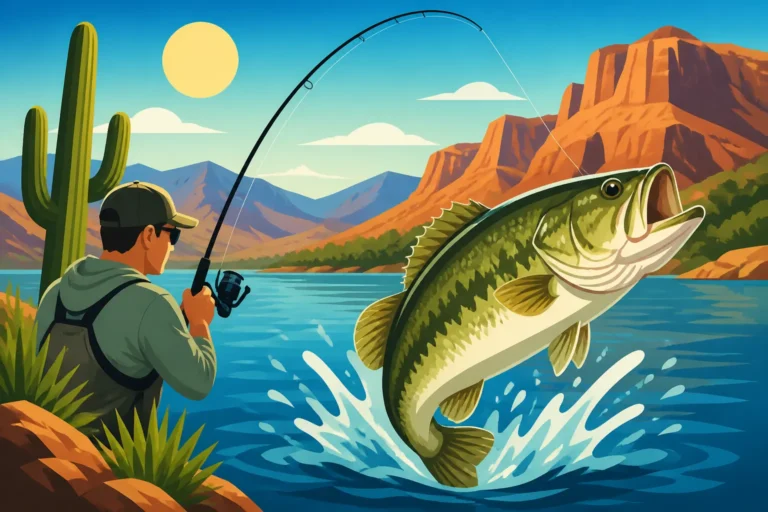
Largemouth bass are the kings of cover and still water, and the Colorado River offers plenty of both, especially in its reservoir sections like Lake Havasu, the Parker Strip, and the calmer coves and oxbows along the main channel. Lake Havasu, in particular, is renowned as a premier largemouth bass fishery, hosting numerous tournaments throughout the year. These areas are characterized by extensive shallow water habitat, submerged vegetation, docks, brush piles, and rocky shorelines, providing ideal ambush points for largemouth.
Targeting largemouth bass on the Colorado often involves a diverse arsenal of techniques. In spring, when bass are in the shallows for spawning, flukes, spinnerbaits, and ChatterBaits can be deadly. As water temperatures rise in summer, fish often retreat to deeper, cooler water or heavy shade, making Texas-rigged worms, deep-diving crankbaits, or jigs pitched into cover very effective. Topwater lures are explosive during low-light conditions. When planning a trip, exploring resources like Best Bass Fishing Lakes in Arizona can give you a clearer picture of key areas like Lake Havasu or the lower river sections. A service like FishingBooker can also help you find experienced bass guides who know the ins and outs of these specific waters.
Smallmouth Bass in the Rocky Sections
Smallmouth bass, the "bronze backs," prefer cleaner, rockier water with some current—and the Colorado River delivers on that front too. While not as widespread as largemouth in every section, excellent smallmouth fishing can be found below dams, in areas with distinct current seams, and around rocky points and ledges, particularly in the lower river sections and parts of Lake Powell, though that's generally further north. These fish are known for their incredibly hard fighting ability and acrobatic jumps once hooked.
For smallmouth, finesse techniques often shine. Drop shots, Ned rigs, and shaky head jigs are fantastic for probing rocky bottoms and ledges where these fish ambush prey. Small crankbaits, tubes, and grubs can also be highly effective. They’re often found in slightly deeper water than largemouth, especially during the brighter parts of the day, but will push shallow during feeding windows. Understanding their habitat is crucial, as outlined in Smallmouth Bass Habitat in Arizona Lakes. Light to medium-light spinning gear, spooled with 6-10 pound fluorocarbon or braid with a fluorocarbon leader, is typically ideal for the sensitivity and casting distance needed for these techniques.
Bass Fishing Accessibility and Challenge
Bass fishing on the Colorado River can be incredibly rewarding, but it often demands more specialized equipment and technique than casual catfishing. While shore fishing for bass is possible, especially around accessible points and docks, a boat often opens up many more opportunities to reach prime habitat. The challenge of deciphering patterns, selecting the right lure, and executing precise casts adds to the thrill for many anglers. The Arizona Game and Fish Department frequently stocks various bass species, ensuring a healthy population for consistent fishing action.
Weighing Your Options: Catfish vs. Bass Experience on the Colorado River
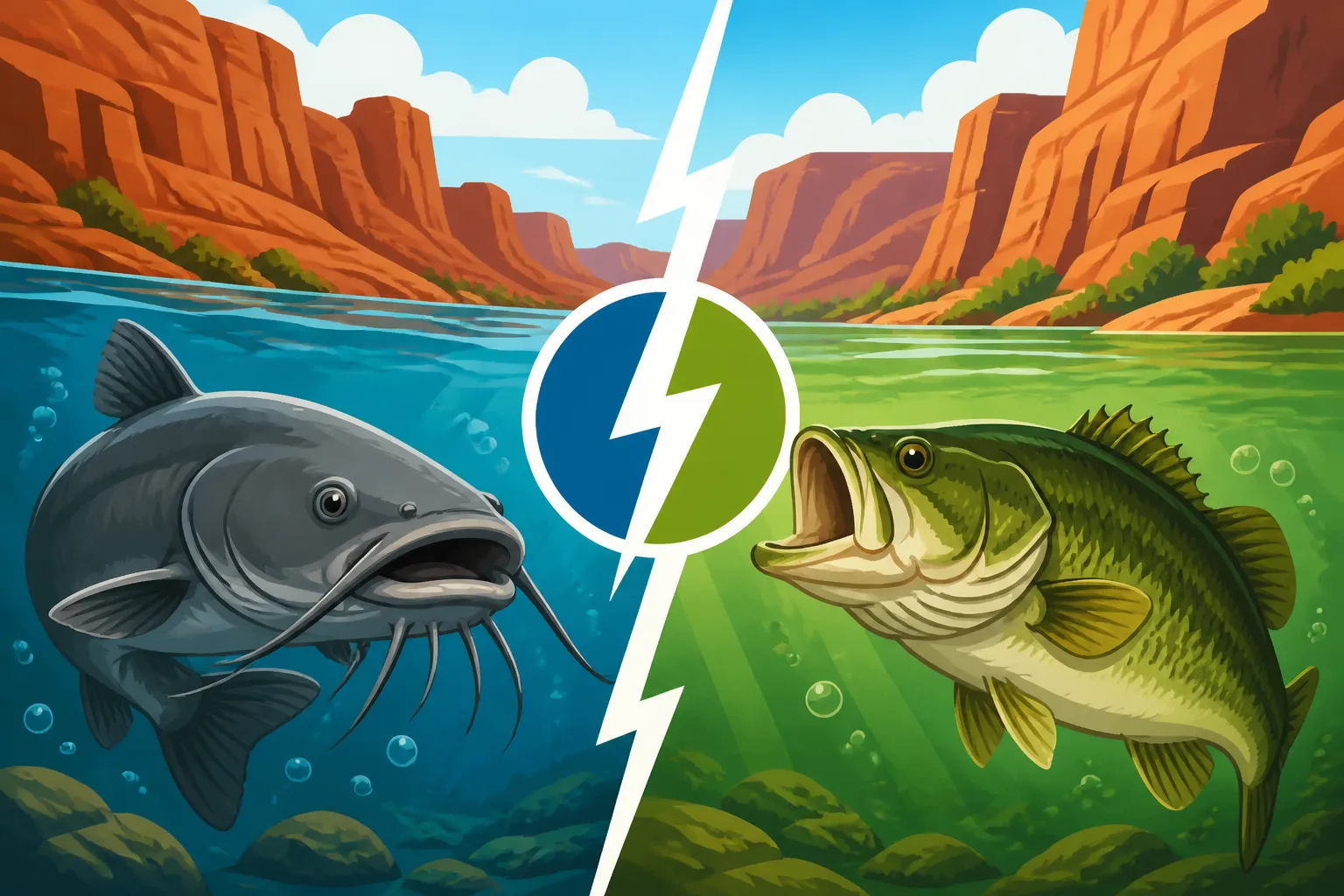
So, after considering the strengths of both species, which is "better" for the Colorado River? The honest truth is, it depends entirely on what kind of fishing experience you're seeking. There's no single "better" answer, but rather a preference based on your goals, skill level, and available gear.
If you're looking for:
- Consistent action and quantity: Catfish, especially Channel Cats, often provide more consistent bites and higher catch rates, particularly for beginner anglers or those looking for a relaxing day with less technical demand.
- A chance at a true monster: Flathead Catfish offer the potential for genuinely massive, once-in-a-lifetime catches that will put your tackle to the ultimate test.
- Easy access from shore: Catfish spots are generally more abundant and accessible from various bank locations along the river.
- Excellent table fare: Both offer good eating, but many prefer the clean, white meat of channel catfish.
- Action at night: Catfish are often most active during the cooler evening and nighttime hours.
If you're looking for:
- A technical challenge: Bass fishing, with its emphasis on reading water, understanding forage, and precise lure presentation, offers a more intricate and often more challenging pursuit.
- Dynamic, visual strikes: Topwater bass fishing, in particular, offers some of the most exciting and visual strikes in freshwater fishing.
- Diverse angling techniques: From power fishing with crankbaits to finesse fishing with drop shots, bass fishing provides a vast array of techniques to master.
- Tournament competition: The Colorado River is a hotspot for bass tournaments, if competitive angling is your passion.
- Daytime action: Bass are generally more active during daylight hours, though low light conditions are often best.
Many anglers find themselves enjoying both, sometimes even switching targets on the same trip depending on conditions or their mood. The versatility of the Colorado River is one of its greatest assets. You might start your day throwing spinnerbaits for largemouth in a backwater cove, then transition to soaking cut bait for flatheads in a deep channel as evening approaches. Always be sure to check the Arizona Fishing Regulations Explained for specific bag and possession limits for each species in the areas you plan to fish, as these can vary.
Here’s a quick comparison to help you weigh your options:
| Feature | Catfish (Channel/Flathead) | Bass (Largemouth/Smallmouth) |
|---|---|---|
| Typical Size Range | Channel: 2-15 lbs; Flathead: 10-50+ lbs | Largemouth: 1-8 lbs; Smallmouth: 1-5 lbs |
| Fight Characteristics | Powerful, deep runs, heavy pull, dogged | Energetic, acrobatic jumps, quick bursts, tricky |
| Preferred Habitat | Deep holes, current seams, submerged timber, murky water | Rocky points, submerged vegetation, docks, clear to stained water |
| Best Baits/Lures | Cut bait, stink baits, live bait (bluegill) | Plastics, crankbaits, jigs, spinnerbaits, topwater lures |
| Peak Activity | Evening, night, early morning | Morning, evening, overcast days |
| Ease of Access (Shore) | Generally very good | Good, but often requires more skill or specific spots |
| Gear Requirement | Medium-heavy to heavy conventional gear | Light to medium-heavy spinning/baitcasting gear |
| Technical Skill | Moderate (for Channel); High (for Trophy Flathead) | Moderate to High |
| Catch Potential | Often high numbers (Channel), lower (Flathead) | Variable, but can be high with the right approach |
Ultimately, the Colorado River is an exceptional fishery for both catfish and bass. Which one is "better" is a personal choice. If you’re a beginner looking for consistent bites or want to target massive, hard-fighting bottom dwellers, the catfish might be your better bet. If you crave the thrill of precision casting, technical challenges, and explosive strikes, then bass fishing will certainly call your name. The beauty is you don't have to choose permanently! Many anglers find joy in pursuing both, taking advantage of the diverse opportunities the river provides. To ensure you have all the necessary information for a successful trip, remember to consult resources like Arizona Fishing Regulations Explained and consider exploring guided trips via platforms like FishingBooker to maximize your experience.
Disclaimer
The information provided in this guide is for general informational purposes only and is subject to change. Always consult the official Arizona Game and Fish Department regulations before heading out to fish, as rules, limits, and seasons can vary and be updated frequently. Fishing conditions can also change rapidly due to weather, water levels, and other environmental factors.