Drought Water Levels at Roosevelt Lake
Anglers visiting Roosevelt Lake often face the challenge of fluctuating water levels, a common reality in Arizona's arid climate, and persistent drought conditions only amplify this concern. Understanding how these changes impact the lake, its fish, and your fishing experience is paramount for a successful and safe outing. This comprehensive guide will walk you through the specifics of drought water levels at Roosevelt Lake, equipping you with the knowledge to adapt your strategies and make the most of your time on this iconic Arizona fishery.
The Reality of Drought on Roosevelt Lake's Water Levels
Roosevelt Lake isn't just a phenomenal fishing destination; it's also a vital component of central Arizona's water supply system. This dual role means its water levels are constantly influenced by a complex dance between natural precipitation and human management, making drought a significant factor for anyone planning a fishing trip.
Historical Context of Water Management and Usage
Roosevelt Lake, along with other reservoirs in the Salt and Verde River systems, serves as a crucial storage facility for municipal and agricultural water needs in the Phoenix metropolitan area. Its levels are not solely dictated by local rainfall, but by the snowpack in the distant mountains that feed these rivers, as well as the demands for water downstream. This intricate system means that even a good monsoon season might not immediately translate into higher lake levels if snowpack was low, or if significant amounts of water are being released for consumption. Understanding this broader context helps anglers appreciate why lake levels can seem stubbornly low even after some rain.
Historically, Roosevelt Lake has experienced periods of both incredibly high water, where even old structures and trees were submerged, and significant lows. These natural fluctuations are part of its character. However, prolonged, multi-year droughts, like those Arizona has faced in recent decades, push these lows to extremes, changing the very landscape of the lake. These periods test the resilience of both the ecosystem and the anglers who love to explore its waters, necessitating a deeper understanding of adaptation. It’s a constant balancing act for the Salt River Project (SRP), which manages the dam, to meet the needs of millions of residents while also considering the health of the reservoir and its recreational value.
The arid nature of Arizona ensures that water conservation remains a top priority across the state. Every drop collected from the precious Salt and Verde Rivers is meticulously managed, directly influencing the water levels that anglers observe on Roosevelt Lake. This stewardship, while essential for the region's sustainability, means that lake levels are often a reflection of larger regional water demands and environmental conditions, not just recent weather patterns.
Current Conditions and Monitoring Tools
For any angler planning a trip to Roosevelt Lake, checking the current water level is arguably as important as checking the weather. Fortunately, several reliable resources make this information readily available. The Arizona Department of Water Resources (ADWR) and the Salt River Project (SRP) are primary sources, offering detailed reports on lake elevations, storage capacity, and historical data. These reports often present the lake's current elevation in feet above sea level and its percentage full. A quick look at these figures can give you an immediate sense of what to expect upon arrival.
Interpreting these reports goes beyond just seeing a number. For instance, knowing the full pool elevation (around 2,151 feet) helps you contextualize the current reading. If the lake is at 2,100 feet, you know it's significantly lower than full, meaning exposed hazards and limited ramp access. Many local fishing forums and social media groups dedicated to Arizona fishing also provide real-time updates and angler observations, which can be invaluable for understanding the practical implications of official numbers. Anglers often share photos and personal experiences that illustrate ramp conditions or newly exposed hazards.
Reinforcing the importance of regular checks, especially before embarking on a long drive, cannot be overstated. Water levels can change relatively quickly depending on snowmelt, significant rainfall events, or planned water releases. A sudden drop of even a few feet can render certain boat ramps unusable or expose dangerous underwater obstacles that were previously well below the surface. Always make it a habit to consult these monitoring tools in the days leading up to your trip, ensuring you have the most up-to-date picture of Roosevelt Lake's conditions.
How Lower Water Levels Impact Fishing Dynamics
Drought-induced low water levels aren't just an aesthetic change; they profoundly alter the entire ecosystem of Roosevelt Lake. These changes directly affect where fish live, how they behave, and consequently, how anglers need to approach their sport. Understanding these dynamics is the first step toward adapting your fishing strategy effectively.
Changes in Fish Habitat and Behavior
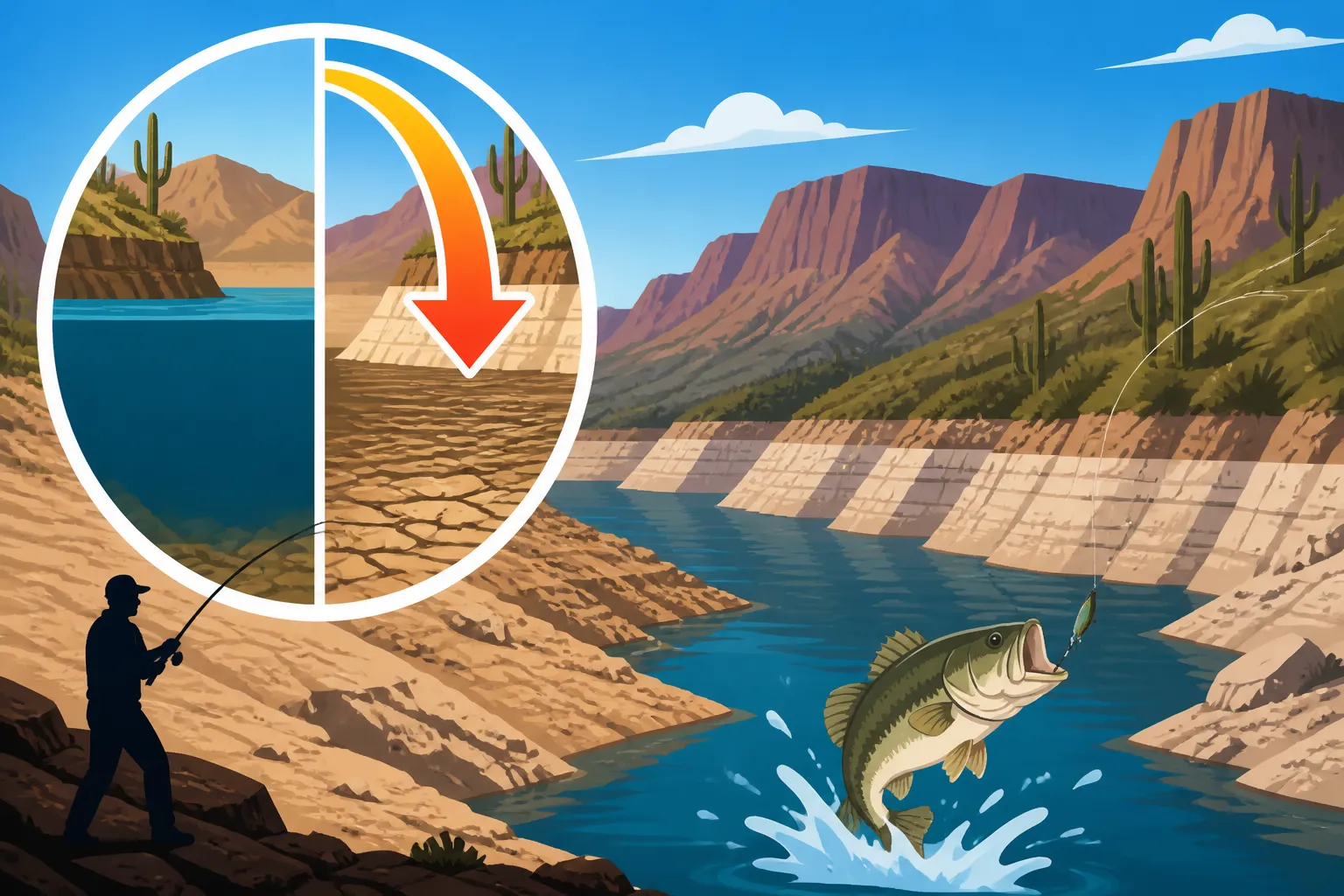
When Roosevelt Lake's water levels recede, the most immediate impact is on fish habitat. Previously submerged structure like brush piles, rock formations, and even old river channels become exposed or much shallower. This loss of deep cover forces fish to adapt, often concentrating them into smaller, deeper areas or pushing them toward any remaining submerged vegetation or rock piles. Bass, for instance, might abandon vast flats and instead relate tightly to distinct channel edges or points where deeper water is still accessible. Crappie, which love structure, will stack up on the remaining brush piles, making these specific spots highly productive but also potentially crowded.
The reduced volume of water can also lead to changes in water temperature and clarity. Shallower areas tend to heat up faster in the Arizona sun, which can stress certain species, pushing them to seek cooler, deeper sanctuaries. Conversely, clearer water, a common side effect of lower levels and reduced inflow, can make fish warier and more challenging to approach, requiring lighter lines and more subtle presentations. Forage fish, the primary diet of predatory species, also become more concentrated in available habitat, meaning predators don't have to expend as much energy to find food. This can lead to periods of intense feeding frenzies, particularly if you can locate these concentrated bait balls.
Consider a scenario where a favorite cove that once held acres of submerged timber is now mostly dry land. The bass that used to inhabit that timber haven't vanished; they've likely moved to the nearest drop-off, the main river channel, or a denser, deeper brush pile that still offers cover and cooler water. Understanding these seasonal movement patterns of bass at Roosevelt Lake, influenced by water levels, is key. Catfish, known for their adaptability, might become even more active in these concentrated areas, feasting on the readily available forage. The key for anglers is to think like a fish: where would you go if your home suddenly shrank or dried up?
Navigational Challenges and Safety Considerations
Perhaps the most critical concern for anglers on a low Roosevelt Lake is the vastly increased risk of navigational hazards. Rocks, stumps, and even old submerged foundations that were once safely beneath feet of water can become dangerous obstacles, waiting to damage props, lower units, or even hull bottoms. This necessitates a significant reduction in speed and an elevated level of situational awareness, especially when moving through unfamiliar areas. Always check Boat Ramp Locations at Roosevelt Lake before heading out, as low water severely impacts which ramps are safe and accessible.
Low water also dramatically affects boat ramp access. Many ramps, designed for higher lake levels, become too shallow, too steep, or simply end too far from the water's edge to be safely used by trailers. This can funnel all boat traffic to a limited number of operational ramps, leading to longer wait times and increased congestion. It's not uncommon for only one or two ramps to be fully functional during severe drought conditions, and even then, they might only be suitable for smaller vessels or trucks with 4×4 capabilities. Always call the marina or check current online reports for ramp status.
To mitigate these risks, anglers should be extra vigilant. Rely on up-to-date lake maps, and if you have a good fish finder, use it not just to locate fish, but to identify underwater hazards. Visually scouting an area by idling slowly is paramount before attempting to traverse it at speed. Always be aware of your boat's draft – how much water your boat needs – and avoid cutting corners or straying from marked channels. Filing a float plan with someone on shore, even for a short trip, becomes even more critical when conditions are unpredictable, as outlined in any Boating Safety Course Requirements in Arizona guide.
Adapting Your Strategy for Successful Low-Water Fishing
Facing low water at Roosevelt Lake can feel daunting, but it also presents a unique opportunity for skilled anglers to adapt and thrive. The fish are still there; you just need to adjust your approach to find them in their modified environment. This means re-evaluating traditional spots and embracing new techniques.
Rethinking Your Approach to Locating Fish
Forget your old GPS waypoints if the water levels are drastically different. Many of those "honey holes" might now be dry or completely exposed. Instead, focus on identifying new "pinch points" – areas where receding water has funneled fish into a smaller, more concentrated space. These often occur at the deepest available water adjacent to remaining structure. Look for obvious main lake points, defined channel swings, and the newly exposed edges of old creek beds that are now more prominent. Fish will often relate to these features, seeking cover, cooler water, and ambush points.
Effective low-water fishing at Roosevelt Lake demands keen observation. Keep an eye out for tell-tale signs of fish activity: birds diving into the water indicate concentrated baitfish, which in turn attract predatory species like bass and crappie. Look for ripples on the surface that might indicate schooling fish or feeding activity. Pay attention to how the wind affects current breaks, as fish often position themselves in these areas to ambush prey. Using a good fish finder is invaluable for navigating and for locating deep water structure at Roosevelt Lake and schools of fish that are holding tight to submerged features that might be invisible from the surface.
Don't be afraid to explore areas that you might have previously overlooked. What was once a vast, featureless flat under higher water might now reveal subtle contours, rock piles, or isolated clumps of vegetation that become prime targets. The name of the game is adaptation and a willingness to constantly reassess the environment. Think about how the fish's world has shrunk and where their essential needs (food, cover, oxygen, temperature) are best met under the current conditions.
Best Baits, Lures, and Techniques for Drought Conditions
With fish often concentrated in deeper water or relating tightly to limited cover, your choice of baits and lures needs to reflect these conditions. Deep-diving crankbaits are excellent for covering water and bumping off submerged structure, triggering reaction strikes from bass. Jigging spoons and blade baits are fantastic for targeting vertical schools of fish, especially striped bass and crappie, that might be suspended over deeper structure. For bottom-dwelling species like catfish, or for bass holding tight to the bottom, a heavy Carolina rig or a Texas-rigged plastic can be incredibly effective, allowing you to slowly work the lure through potential holding areas.
When fish are concentrated and the water is clearer, presentations often need to be more subtle and natural. Consider using fluorocarbon line for its invisibility and sensitivity. Natural bait colors like greens, browns, and whites often outperform brighter, more aggressive colors, though a flash of chartreuse or orange can sometimes trigger a reluctant bite. The retrieve speed is also crucial; often, slowing down your presentation, giving fish more time to react, will yield better results in low, clear water. This also applies to crappie fishing, where subtle jigging can make all the difference. For more general advice, check out the Best Baits and Lures for Arizona Fishing guide.
Live bait can also be a game-changer, especially for species like catfish and crappie, which might be less inclined to chase artificials. With forage concentrated, using live minnows, worms, or shad can mimic their natural food source perfectly. If using cut bait for catfish, focusing on deeper holes or the downstream side of structure where current might deliver scent can be highly productive. Many successful anglers on Roosevelt Lake during low water conditions swear by the effectiveness of live bait, often out-fishing those sticking solely to artificials.
Maximizing Access and Shoreline Opportunities
While low water can make boat access challenging, it can sometimes open up new opportunities for bank anglers or those with smaller, more portable watercraft. Areas that were previously deep water inaccessible from shore might now be within casting distance or offer new walk-in access points. For anglers without large boats, this can be a silver lining, transforming some boat-only spots into prime bank fishing locations. The guide on Is Roosevelt Lake Good for Bank Fishing? provides more specific insights for this approach.
However, exploring these newly exposed shorelines requires preparation. Be aware that the terrain might be uneven, muddy, or covered in sharp rocks and debris. Wearing sturdy, waterproof hiking boots is highly advisable. Pack light, bringing only essential tackle, water, and sun protection, as you may need to walk further than usual to find productive spots. The effort, however, can be richly rewarded as you might discover untouched areas where fish are holding.
For those with kayaks, canoes, or float tubes, low water conditions can be a huge advantage. These smaller vessels can often launch from informal spots where larger boats cannot, accessing shallower coves, tight channels, and backwaters that become unreachable for bigger craft. This ability to navigate tighter areas allows you to target fish that are pushed into these sanctuaries, giving you an edge over less adaptable anglers. Always consider safety, especially regarding wind, and be mindful of exposed submerged timber spots at Roosevelt Lake that could damage your craft.
Planning Your Roosevelt Lake Trip in Changing Conditions
A successful fishing trip to Roosevelt Lake during drought conditions hinges heavily on thorough planning and preparation. It's not just about what gear you bring, but how well you've researched and anticipated the unique challenges posed by lower water levels.
Checking Boat Launch Status and Marina Services
Before you even think about loading your boat, confirming the operational status of boat ramps is absolutely critical. During periods of drought, many of Roosevelt Lake's ramps can become unusable due to low water, creating steep drops, exposing obstacles, or simply ending too far from the water's edge. Some ramps might only be suitable for very small vessels, while others might require a 4×4 vehicle to launch safely. A quick call to the local marinas or the Arizona Game and Fish Department (AZGFD) office that oversees Roosevelt Lake can save you a wasted trip and a lot of frustration. They can provide the most current information on which ramps are open, their condition, and any specific restrictions.
Beyond ramps, consider the broader impact on marina services. Low water can affect fuel dock accessibility, bait shop stock, and even restroom facilities. A marina might be operating on reduced hours or with limited offerings if access is compromised. Always confirm these details ahead of time. It's also worth noting that if you're looking for an effortless experience, guided fishing trips can be an excellent alternative. Professional guides, many of whom are listed on platforms like FishingBooker, are intimately familiar with current lake conditions, have specialized equipment for low water, and know the safest and most productive access points regardless of how low the water gets. They remove the guesswork and logistical headaches, letting you focus on fishing.
Remember, the goal is to have an enjoyable and safe day on the water. Being proactive about checking ramp conditions and marina services is a fundamental step in achieving that goal, ensuring you arrive prepared and can get straight to fishing without unexpected setbacks.
Essential Gear and Safety Preparations
Fishing in Arizona's desert environment, especially during low water, demands a robust approach to safety and gear preparation. Beyond your standard fishing tackle, pack ample water – more than you think you'll need – as exposed shorelines offer less shade and the sun can be relentless. Hydration is non-negotiable. Sun protection is also paramount; this includes wide-brimmed hats, long-sleeved UPF clothing, and high-SPF sunscreen. Our guide on Best Sun Protection for Desert Fishing offers excellent recommendations for staying safe in the Arizona heat. A well-stocked first-aid kit is also essential for any unexpected bumps, scrapes, or minor injuries.
When navigating low water, always remember the fundamentals of boating safety. Wear your personal flotation device (PFD), ensure all passengers have theirs, and verify that all safety equipment (fire extinguisher, horn, paddles) is onboard and accessible. With potential hazards lurking just below the surface, a spare prop is a wise investment, especially if you plan on exploring new areas. If boating, always file a float plan with a trusted friend or family member, detailing your exact fishing location and expected return time. This simple step can be a lifesaver if anything unexpected occurs.
Finally, consider your electronics. While GPS is helpful, physical maps can provide a clearer perspective of the lake's contours and potential hazards that might not be perfectly updated on digital charts. A portable power bank for your phone and other devices is also a good idea. Many of the guides you can book through FishingBooker offer fully equipped boats and provide all necessary safety gear, easing your burden and ensuring a worry-free experience. Their local expertise is invaluable, especially when navigating constantly changing lake conditions like those found at Roosevelt Lake.
| Water Level Aspect | Full Pool (approx. 2151 ft) | Drought/Low Water (example 2090 ft) | Implications for Anglers |
|---|---|---|---|
| Lake Elevation | Max capacity | Significantly reduced | Exposed hazards, less water volume |
| % Full | 100% | 40-60% (varies) | Less habitat, concentrated fish |
| Boat Ramps | Most open and easily accessible | Limited ramps open, challenging launches | Crowding, 4×4 often required |
| Shoreline Access | Limited by deep water, dense vegetation | Expanded access points, new terrain | Opportunities for bank anglers, but uneven terrain |
| Fish Habitat | Abundant cover, diverse structure | Compressed habitat, exposed timber | Fish concentrate in remaining deep cover |
| Navigational Hazards | Generally few, well-marked | Numerous, often unmarked | Extreme caution, slow speeds essential |
Disclaimer
Please note that fishing conditions, water levels, and regulations can change rapidly. Always check the latest information from the Arizona Game and Fish Department (AZGFD) and the Salt River Project (SRP) before planning any fishing trip to Roosevelt Lake. Your safety and adherence to current rules are your responsibility.