Striped Bass Record at the Colorado River
There's a special kind of thrill that comes with chasing trophy fish, especially when you set your sights on a state record. For many anglers in Arizona, the majestic striped bass of the Colorado River represents that ultimate challenge. It's not just about catching a big fish; it's about the hours of dedication, the strategic planning, and the sheer luck required to land a true monster. This guide dives deep into the current Arizona state record for striped bass on the Colorado River, exploring why this unique waterway produces such incredible fish, and what it takes to potentially claim your own piece of angling history.
The Elusive Arizona Striped Bass Record on the Colorado River
When you think about the Colorado River, especially the stretches that wind through Arizona, it's easy to picture towering canyons and vast, blue lakes. But for many, it's the legendary striped bass that truly captures their imagination. These powerful, schooling predators grow to immense sizes in Arizona's waters, making them a top target for anglers hoping to etch their name into the record books.
Current Arizona State Record for Striped Bass
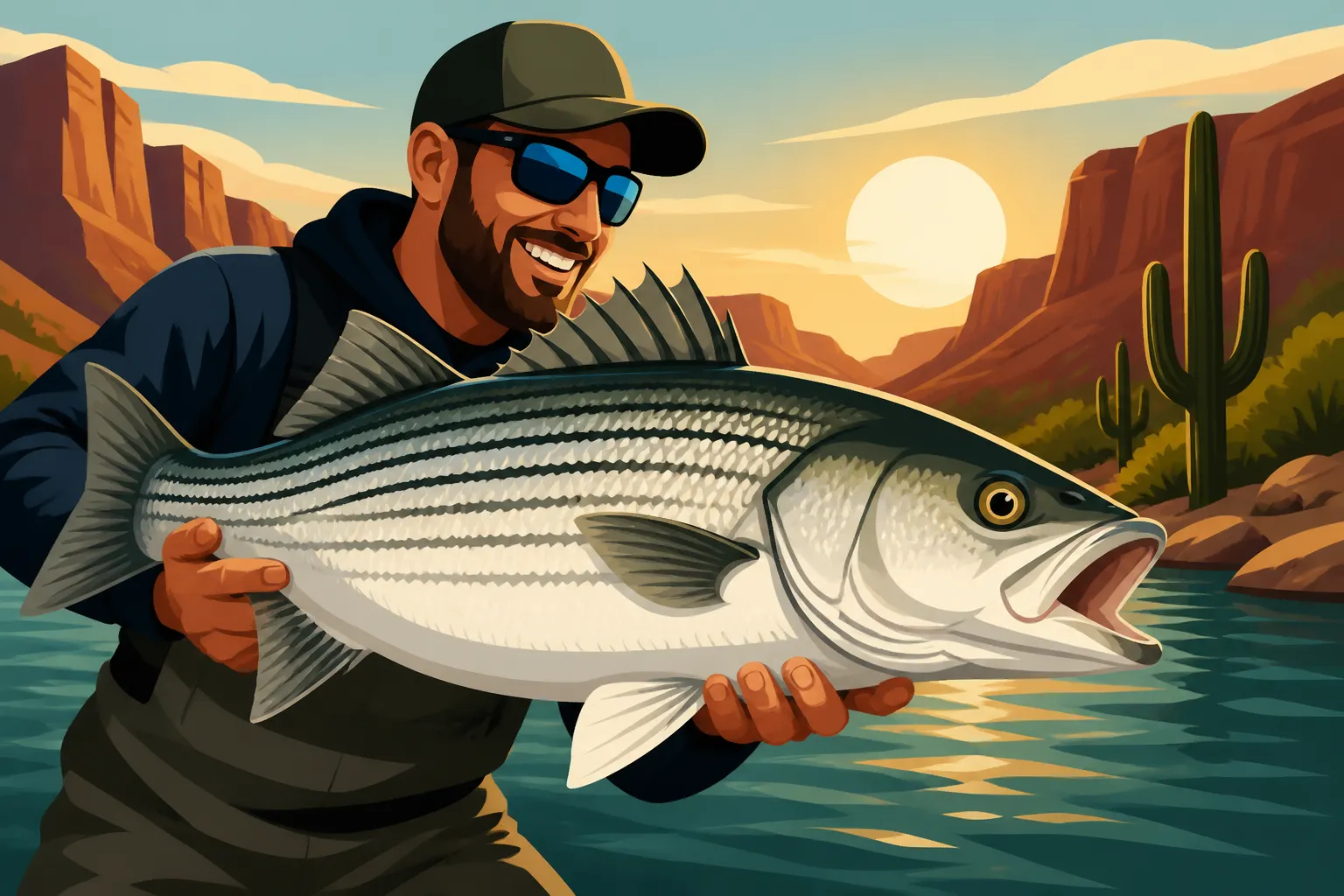
The quest for the Arizona state record for striped bass is a journey paved with anticipation and a fair bit of reverence for those who've achieved it. As of my latest information, the undisputed Arizona state record for striped bass stands at an astonishing 67 pounds, 10 ounces. This colossal striper was caught by angler Kevin Clifton on February 27, 2011, in Lake Havasu.
Think about that for a moment: 67 pounds! That's not just a big fish; that's a beast that would challenge any angler, pushing their gear and their resolve to the absolute limit. Lake Havasu, a well-known jewel on the Colorado River, consistently proves itself as a prime location for trophy striped bass. It’s a testament to the rich environment and incredible forage base that these waters provide, allowing stripers to reach such monumental proportions. For anyone dreaming of a record, Kevin Clifton's catch serves as both an inspiration and a benchmark for what's truly possible in Arizona's segment of the Colorado River.
Understanding the Allure of a State Record
Why do we anglers spend countless hours, often in less-than-ideal conditions, chasing after a fish that might only come around once in a lifetime? The allure of a state record isn't just about bragging rights, though those are certainly a part of it. It’s about the challenge, the pure, unadulterated thrill of the chase. It’s a pursuit that demands patience, skill, and sometimes, a healthy dose of serendipity.
For many, landing a state record fish is the culmination of years, even decades, of dedication to the sport. It symbolizes a deep connection to the outdoors and an understanding of the specific waters they fish. The Colorado River, with its diverse ecosystems and fluctuating conditions, presents a dynamic environment where striped bass thrive, but also where they can be incredibly elusive. The thought of hooking into a fish that outweighs most small children, fighting it to the boat, and then knowing it's bigger than any other documented catch in the state is a powerful motivator. It's a story to tell for generations, a legend in the making for the angler who achieves it, and a benchmark for all who follow.
Why the Colorado River Breeds Trophy Stripers
The Colorado River isn't just a scenic waterway; it's a vibrant, thriving ecosystem that provides the perfect conditions for striped bass to grow to impressive sizes. From its vast reservoirs to its flowing stretches, the river offers a unique combination of factors that contribute to the proliferation and gargantuan growth of these powerful fish. Understanding these elements is key to appreciating why this river system consistently produces record-breaking opportunities.
Abundant Forage Base
One of the primary reasons striped bass reach such phenomenal sizes in the Colorado River system, particularly in impoundments like Lake Havasu, Lake Mohave, and Lake Mead, is the incredibly rich and abundant forage base. Striped bass are voracious predators, and a constant, readily available food supply is essential for rapid growth.
Their main diet in these waters consists heavily of threadfin shad and gizzard shad. These small, schooling baitfish are prolific in the warmer waters of the desert lakes, providing a high-calorie, easily digestible food source. When shad populations are booming, stripers can feed almost constantly, packing on pounds at an incredible rate. You'll often hear about "striper boils" where thousands of stripers violently attack schools of shad at the surface – it’s a clear indication of just how much food is available. Beyond shad, stripers will also prey on smaller panfish and even juvenile bass, essentially anything they can swallow. This diverse and plentiful buffet allows them to grow from fingerlings to tackle-busting giants in a relatively short amount of time, giving them the heft required to challenge state records.
Ideal Habitat and Water Conditions
Beyond the food, the physical characteristics of the Colorado River and its associated lakes provide an ideal habitat for striped bass. These aren't just puddles; these are vast bodies of water with complex underwater structures and temperature gradients that stripers love.
The Colorado River system features:
- Deep, Cool Waters: Striped bass prefer cooler, oxygen-rich water. The deep canyons and large basins of lakes like Havasu and Mead provide thermal refuges where stripers can escape the intense Arizona summer heat, remaining comfortable and active even when surface temperatures soar.
- Abundant Structure: The riverbeds and lake bottoms are littered with submerged timber, rock piles, ledges, drop-offs, and canyon walls. These structures offer perfect ambush points for stripers to surprise unsuspecting baitfish. They also provide cover and navigation routes for large schools as they move through the water column.
- Consistent Flow and Current: Even in impounded sections, there's often a subtle current that helps concentrate baitfish and oxygenate the water. Stripers are powerful swimmers and use current to their advantage, making them exceptionally strong fighters.
- Vast Open Water: The sheer size of these lakes means stripers have immense territories to roam, allowing them to chase down vast schools of baitfish without competition from overly dense populations. This vastness contributes to their robust health and growth.
These combined factors create a perfect storm, so to speak, for striped bass to not only survive but to truly thrive and grow into the trophy-sized fish that draw anglers from all over.
Targeting Record-Breaking Striped Bass in the Colorado River
So, you're dreaming of that 70-pound striper, the one that shatters the current record. It's an ambitious goal, but not an impossible one, especially in the fertile waters of the Colorado River. While luck always plays a role, understanding the best places, times, techniques, and gear will significantly increase your odds of encountering a true record contender.
Prime Locations and Seasons
When it comes to landing a record-setting striped bass, location and timing are everything. While stripers are present throughout the Colorado River system, certain areas are renowned for producing the giants.
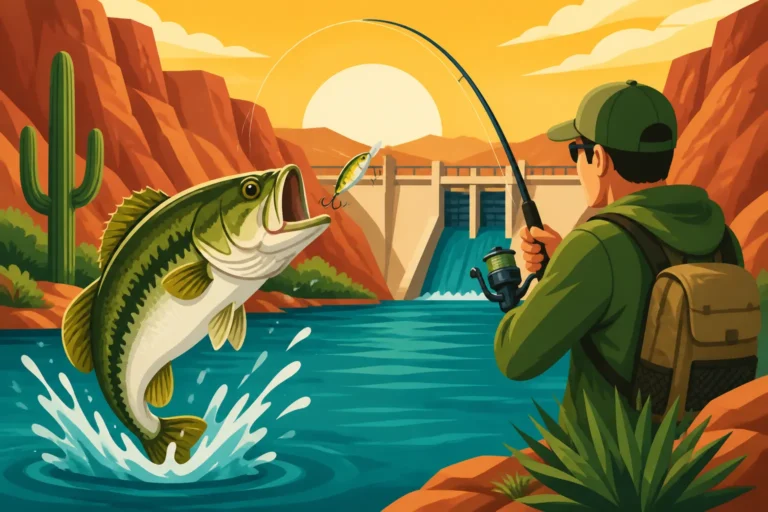
- Lake Havasu: Without a doubt, Lake Havasu is a premier destination, as evidenced by the current state record being caught there. The lake's clear, deep waters and abundant shad populations create an ideal environment. Focus on the main lake, particularly around deep ledges, submerged humps, and the mouths of canyons. The area near the Parker Dam is also known for big fish due to consistent current and structure.
- Lake Mohave: Upstream from Havasu, Lake Mohave also holds a significant population of trophy stripers. Its deep, clear waters and steep canyon walls offer fantastic habitat. Willow Beach is a particularly famous spot on Lake Mohave for large striped bass and even rainbow trout, often yielding impressive catches, especially in the cooler months.
- Lake Mead: Further north, Lake Mead's vastness and intricate structure make it a prime hunting ground. While water levels can fluctuate, the deep basins and areas around historical river channels are worth exploring for big stripers.
- Lower Colorado River (River Sections): While the reservoirs hold the biggest populations, don't overlook the flowing river sections, especially below dams. These areas can concentrate baitfish and stripers, though navigation might be trickier.
As for seasons, trophy stripers can be caught year-round, but specific times often prove more productive:
- Spring (March-May): As water temperatures rise, stripers become highly active, moving into shallower coves and chasing spawning shad. This is a fantastic time for aggressive topwater action and live bait.
- Fall (September-November): Often considered the best time for trophy hunting. Stripers go on a feeding frenzy to bulk up for winter, and "boils" become more common and intense. Fish are often shallower and more accessible.
- Winter (December-February): Don't dismiss winter! While fish are deeper and less active, the biggest, most lethargic stripers can often be tempted with large, slow-moving baits in deep water. This is when Kevin Clifton caught the state record.
- Summer (June-August): Challenging due to heat, but early mornings and late evenings, or fishing deep during the day, can yield results. Stripers will often stay in cooler, deeper waters.
To really nail down the best current conditions, consider consulting a local guide. Services like FishingBooker can connect you with experienced Arizona striper guides who live and breathe these waters and can put you right on the fish.
Effective Techniques, Baits, and Gear
Chasing record-breaking striped bass requires a combination of proven techniques, the right bait, and tackle that can stand up to a truly powerful fight.
Live Bait Supremacy
For trophy stripers, live bait is often king.
- Shad: Live threadfin or gizzard shad are by far the most effective. If you can catch your own with a cast net, you'll have the freshest, most appealing bait. Freeline them in open water or drift them over deep structure.
- Trout: In certain areas, especially below stocking points like Willow Beach, live rainbow trout can be an irresistible meal for giant stripers. Check regulations for legality and size limits.
- Rigging: Use a large, strong circle hook (like a 7/0 or 8/0) through the nose or back of the baitfish. Ensure your bait stays lively.
Lures for Aggressive Fish
When stripers are actively feeding, especially during boils or aggressive periods, artificial lures can be highly effective.
- Large Swimbaits: Realistic soft plastic or hard-bodied swimbaits mimicking shad or trout are excellent. Fish them slowly and deliberately in deep water or near structure.
- Trolling Baits: Big lipless crankbaits, deep-diving crankbaits, and even umbrella rigs can be trolled at various depths to cover water and entice deep-dwelling stripers. Trolling is a fantastic way to locate active schools.
- Topwater Lures: During surface boils, large poppers, walk-the-dog baits, or stickbaits can create explosive strikes. The sound and commotion mimic panicking baitfish.
- Jigs and Spoons: Heavy spoons or bucktail jigs can be jigged vertically in deep water or cast and retrieved near ledges.
Essential Gear for the Battle
You don't want to bring a knife to a gunfight when pursuing a record striper.
- Rods: Opt for heavy action, fast-tipped casting or spinning rods, typically 7-8 feet long. This gives you the power to cast heavy baits and battle large fish. Look for durable, robust construction. Best Fishing Rods for Bass in Arizona might offer some good crossover options.
- Reels: A sturdy baitcasting reel with a smooth, powerful drag system or a large spinning reel (like a 6000-8000 series) capable of holding ample heavy line is crucial. Your reel needs to handle the sustained runs of a big striper.
- Line: Spool up with 30-50 lb braided line for its strength and sensitivity. Pair it with a 20-40 lb fluorocarbon leader for abrasion resistance and invisibility. The strength of your line is paramount for these strong fighters. You don't want to lose a fish of a lifetime to a snapped line.
- Terminal Tackle: Use heavy-duty swivels, snap swivels, and large, sharp hooks. Always carry extra, as these fish can destroy tackle.
- Net and Boga Grip: A large, sturdy landing net is essential to safely bring a big striper aboard. A Boga Grip or similar lip gripper can help control the fish for photos and release without harming it.
Reporting and Verifying Your Potential State Record Catch
So, you've done it. You've landed the fish of a lifetime, and it looks like it might just be the new state record. Congratulations! Now comes the critical part: proper documentation and verification. The Arizona Game and Fish Department (AZGFD) has a strict protocol for recognizing state records to ensure fairness and accuracy. Missing a step could mean your incredible catch, no matter how big, won't be officially recognized.
Arizona Game and Fish Department Requirements
The AZGFD's process is designed to be thorough and leave no doubt about the legitimacy of a record-breaking catch. Here are the general requirements you'll need to follow immediately after landing your potential record fish:
- Immediate Contact: As soon as possible, contact the Arizona Game and Fish Department. They will guide you through the next steps and may dispatch a regional representative to assist in the verification process.
- Certified Scale: The fish must be weighed on a scale that has been certified by the state's Department of Weights and Measures. This typically means taking your fish to a reputable marina, tackle shop, or grocery store that has a certified scale. Crucially, the fish needs to be weighed as soon as possible after capture.
- Witnesses: You'll need at least two witnesses present during the official weighing and measuring. These witnesses should be unrelated to you and willing to sign affidavits confirming the details of the catch.
- Photographic Evidence: Take multiple, clear, high-resolution photographs of the fish. These photos should include:
- The entire fish with a measuring device (like a tape measure or bump board) clearly showing its length.
- The fish being held by the angler, showing its size relative to a person.
- A close-up of the fish's head and tail.
- Photos of the fish on the certified scale, clearly showing the weight display.
- Photos of the fishing setup (rod, reel, line, lure/bait) used to catch it.
- Species Identification: Be prepared for positive identification of the species. While a striped bass is generally recognizable, the AZGFD may require a biologist to verify the species, especially if there's any ambiguity.
- No Alterations: Do not clean, gut, or alter the fish in any way until it has been officially weighed, measured, and inspected by an AZGFD representative. The fish must be presented in as fresh and natural a state as possible.
- Application Form: You will need to complete an official Arizona State Record Fish Application, providing all necessary details about the catch, including date, time, location, methods, and witness information.
Always remember that fishing without the proper documentation, like an Arizona Fishing License Guide, can lead to fines, regardless of your catch.
The Importance of Proper Documentation
Proper documentation isn't just a bureaucratic hurdle; it's the bedrock of integrity in record-keeping. Imagine catching a fish that you know is bigger, but without proof, it's just a fantastic fishing story. The meticulous nature of the AZGFD's requirements serves several key purposes:
- Authenticity: It ensures that every record fish is truly legitimate, preventing fraud or misidentification. This protects the integrity of the state record program.
- Scientific Data: The data collected from record fish (size, location, date, conditions) provides valuable insights for fisheries management, helping biologists understand fish populations and health within Arizona's waters.
- Historical Record: These records become part of Arizona's angling history, inspiring future generations and providing benchmarks for the sport.
- Fairness: It ensures that all anglers are playing by the same rules, and that the title of "state record holder" is earned through a verifiable process.
So, while your heart might be pounding with excitement after landing a potential record striper, take a deep breath and follow the steps carefully. Preserving the fish, documenting every detail, and promptly contacting the AZGFD are the final, crucial steps in transforming an incredible catch into an official, celebrated state record. It's a journey from the cast to the record book, and every step matters.
| Characteristic | Average Catch (Colorado River) | Trophy Catch (Colorado River) | Arizona State Record (Lake Havasu) |
|---|---|---|---|
| Weight | 5-15 lbs | 20-40 lbs | 67 lbs, 10 oz |
| Length | 18-30 inches | 35-45 inches | 49.5 inches |
| Age | 3-7 years | 8-15+ years | 15+ years (estimate) |
| Typical Gear | Medium-heavy spinning/casting | Heavy-duty casting/trolling | Heavy-duty casting/trolling |
| Primary Bait | Shad, cut bait, smaller lures | Live shad/trout, large swimbaits | Live bait, large artificials |
Disclaimer
Please be aware that fishing regulations, including bag limits, possession limits, and special regulations for specific waters, can change. Always consult the most current Arizona Game and Fish Department regulations booklet or their official website before heading out on your fishing trip. This guide is for informational purposes only and does not supersede official regulations. Also, fishing on tribal lands, such as areas around the San Carlos Apache Reservation, may require separate permits in addition to your state license.