Best Time of Year to Fish Roosevelt Lake
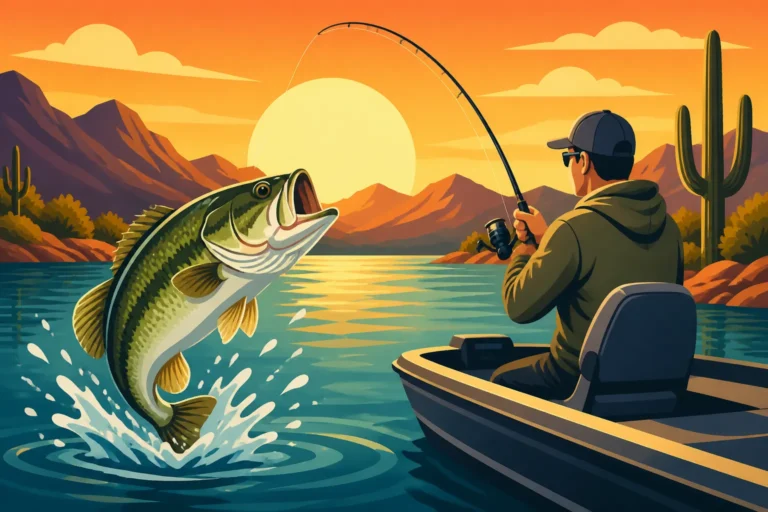
Trying to figure out the absolute best time to hit Roosevelt Lake can feel like cracking a secret code, especially with Arizona's wild weather swings. You want to maximize your chances of a great catch, but knowing when the fish are most active, and what they’re biting on, changes drastically throughout the year. This guide will meticulously break down each season at Roosevelt Lake, helping you plan your perfect angling adventure, no matter the month.
Understanding Roosevelt Lake's Seasonal Rhythms
Roosevelt Lake is a phenomenal fishery, but it’s far from static. The desert environment means the lake undergoes significant transformations throughout the year, impacting everything from water temperature and clarity to fish behavior and feeding patterns. What works like a charm in April might leave you scratching your head in August, and understanding these shifts is key to consistent success.
Why Seasons Matter So Much Here
Roosevelt Lake isn't your average temperate zone lake. The extreme desert climate, especially the scorching summers and mild winters, dictates everything from water temperature to fish metabolism. Unlike lakes in cooler regions where seasons blend more subtly, Roosevelt's calendar marks distinct shifts in fishing patterns. Understanding these shifts is crucial; what works in April won't necessarily work in August.
The water temperature is the biggest driver. As the lake heats up, oxygen levels can drop in certain areas, forcing fish deeper or into specific cover. Conversely, cooler temperatures can make fish lethargic or trigger aggressive feeding periods. Ignoring these environmental cues is a common frustration for anglers, leading to slow days and empty livewells. It’s not just about what bait you use, but when and where you present it.
Water levels, often influenced by seasonal snowmelt and rainfall, also play a significant role. High water can open up new fishing grounds and create flooded vegetation that fish love, while low water concentrates fish in main channels and around prominent structures. Keeping an eye on these factors, perhaps through resources like the Arizona Game and Fish Department (AZGFD) or local fishing reports, gives you a huge advantage.
Moreover, understanding the typical weather patterns, like the sudden and intense monsoon storms from July through September, will help you prepare. These can rapidly change water clarity and flow, which, while challenging, can also trigger incredible bites if you know how to adapt. Always check the forecast and consider safety, especially if you're out on the open water.
Key Species and Their Seasonal Behaviors
Roosevelt Lake is a veritable smorgasbord for anglers, boasting healthy populations of largemouth bass, smallmouth bass, crappie, and various catfish species, including channel and flathead. Each of these species responds differently to the changing seasons, largely driven by their spawning cycles and preferred water temperatures. Knowing their habits is key to successful fishing throughout the year. For an overall look at the lake, check out the Roosevelt Lake Arizona Fishing Guide.
Largemouth and smallmouth bass are perhaps the most popular targets. Their peak activity often revolves around their spawning periods in spring. In summer, they tend to move deeper or seek shade, becoming more active during cooler parts of the day. Fall sees them aggressively feeding as water temperatures cool, building up reserves for winter. Understanding these "seasonal movement patterns of bass at Roosevelt Lake" is paramount to consistent success.
Crappie, another highly sought-after species, exhibit distinct schooling and spawning behaviors. Their "crappie spawning season tactics" in the spring are legendary, drawing hordes of anglers to the lake. During warmer months, they retreat to deeper, cooler water, often suspending over brush piles or submerged timber. Winter can also offer fantastic crappie fishing if you can locate their deep-water schools.
Catfish, particularly the robust flatheads, are less temperature-sensitive than bass or crappie. While they remain active year-round, their feeding patterns certainly vary. Summer nights are prime for big flatheads, especially using live bait, while channel catfish are more opportunists and can be caught reliably across all seasons with various baits. This diversity means there’s almost always something biting at Roosevelt if you target the right species.
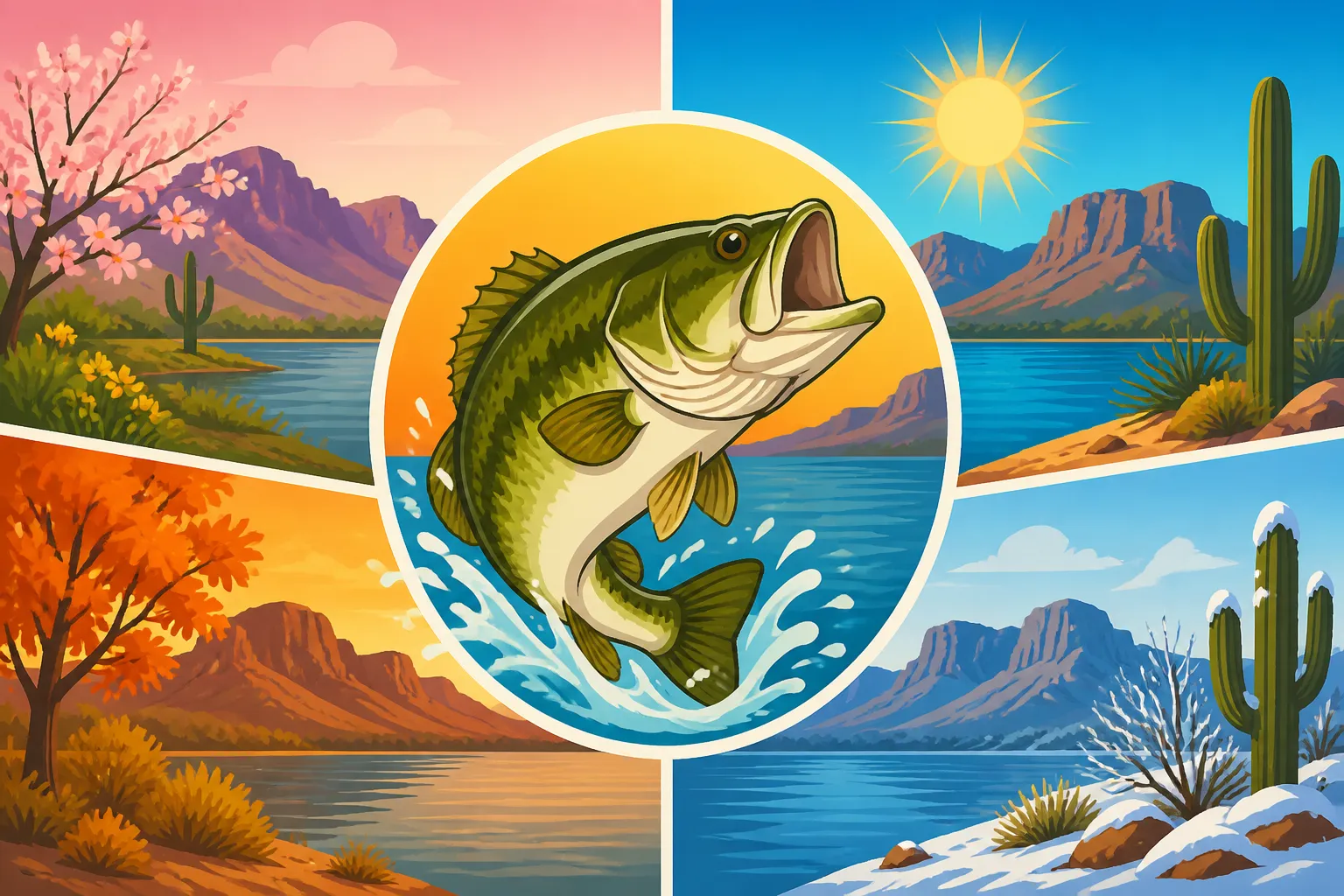
Spring: The Peak Fishing Frenzy (March-May)
If you're looking for consistent action and arguably the highest chance of landing a variety of species, spring at Roosevelt Lake is hard to beat. As the days lengthen and the Arizona sun begins to warm the vast expanse of water, the lake comes alive with a feeding frenzy that every angler dreams of.
The Bass Spawn and Crappie Explosion
Ah, spring at Roosevelt Lake – it's practically a holiday for anglers! As water temperatures climb into the 60s, a switch flips, and the lake comes alive. This is arguably the "best time of year to fish Roosevelt Lake" if you're after sheer numbers and aggressive bites. Bass, both largemouth and smallmouth, begin their pre-spawn ritual, moving from deep wintering grounds to shallower coves and flats, gorging themselves in preparation for spawning.
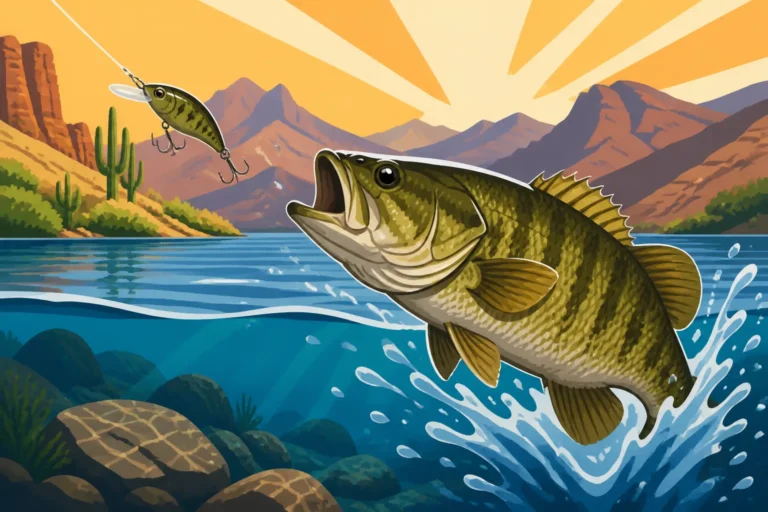
This pre-spawn period is characterized by incredibly active bass. They’re hungry and aggressive, making them vulnerable to a wide array of lures. Spinnerbaits, crankbaits, and jerkbaits fished near rocky points, submerged timber, and weed lines can be incredibly effective. As the water warms further, bass move onto beds to spawn. While sight-fishing for bedding bass is popular, remember to practice ethical angling, releasing fish quickly to protect the spawn.
But bass aren't the only show in town. Spring is also the absolute prime time for crappie fishing at Roosevelt. As the water hits the mid-50s to low-60s, crappie move into shallow coves and brushy areas to spawn. This is when anglers fill their coolers, often using small jigs, live minnows, or tiny crankbaits. Locating brush piles, submerged trees, or rock beds in 5-15 feet of water can lead to incredible action. Many guides on FishingBooker specifically target this crappie run.
The sheer volume of fish moving shallow and actively feeding makes spring an unforgettable experience. Whether you're chasing a trophy bass or filling a cooler with crappie, the consistent action and pleasant weather make this season highly anticipated. Just be prepared for company, as many anglers know this secret! If you're looking for other top spots, check out the Best Fishing Lakes in Arizona.
Trout Stocking and Panfish Fun
While Roosevelt isn't primarily known as a trout lake, spring can still offer some unique opportunities, especially in its tributaries or if stocked by the AZGFD. More commonly, if you're looking for general Panfish and Sunfish Guide for Arizona action, spring is fantastic. Species like bluegill and redear sunfish become very active in the warmer, shallow waters, providing excellent opportunities for family-friendly fishing.
Targeting panfish is a fantastic way to introduce kids to fishing or just enjoy some relaxing, consistent action. A simple setup with a bobber, small hook, and a piece of worm or corn is often all it takes. Look for areas with reeds, docks, or submerged brush in shallow coves. These smaller fish are often overlooked by anglers focused solely on bass or crappie, but they offer spirited fights on light tackle and make for delicious table fare.
If trout are stocked, they will usually be found in cooler, deeper sections or near inlets where the water is freshest. PowerBait, small spinners, or even fly patterns can be effective. However, trout fishing is generally more consistent in Arizona's higher elevation lakes and streams, so don't make it your primary target at Roosevelt unless you have specific intel about recent stockings.
Spring also means more consistent, comfortable weather. The intense heat of summer hasn't arrived yet, and the chilly winter mornings are gone. This makes for more pleasant days on the water, whether you're bank fishing or out in a boat. It's a fantastic time for both serious anglers and families looking for a relaxing day outdoors.
Summer: Adapting to the Heat (June-August)
Arizona summers are no joke, and the heat significantly impacts Roosevelt Lake. Fishing during these months requires a different strategy, often focusing on specific times of day or deep-water techniques to find active fish. Don't let the heat scare you away entirely; summer can still produce some incredible catches if you know how to adapt.
Deep Water Strategies and Early Mornings
When Arizona's brutal summer sun really starts to beat down, fishing at Roosevelt Lake undergoes a dramatic shift. The surface water can become scalding hot, forcing most game fish to retreat to deeper, cooler, more oxygenated waters. This is where your electronics, like a good fish finder, become indispensable. You’ll be looking for ledges, humps, and submerged timber in 20-50 feet of water. For more advanced tips, consider Deep Water Structure Fishing Techniques.
For bass, this means slowing down your presentation. Deep-diving crankbaits, heavy jigs, drop shots, and Carolina rigs become the go-to choices. Targeting points and humps that drop into deep water, especially those with some kind of cover, is key. Many anglers find the best success by fishing the very first few hours of daylight, from dawn until about 9 or 10 AM, before the sun becomes too intense. After that, fish tend to hunker down.
Crappie, too, move deep, often suspending in dense schools over submerged brush piles or around the thermocline. Spider rigging with multiple rods, presenting live minnows or small jigs at various depths, can be highly effective. This is a game of patience and precision, but when you locate a school, the action can be fast and furious. Consider booking a trip through FishingBooker with a guide who specializes in deep-water crappie techniques.
Another strategy is focusing on shaded areas, if you can find them. Under docks, steep canyon walls, or areas with significant overhangs might hold some active fish even in the middle of the day. However, for consistent action, embracing deep-water tactics during the early morning hours is almost always your best bet. Always prioritize Heat Safety Tips for Summer Fishing in Arizona to avoid dangerous situations.
Night Fishing and Monsoon Prep
If the daytime heat is simply too much to bear, summer offers an incredible alternative: night fishing. As the sun dips below the horizon and the desert cools (relatively speaking), fish often move shallower to feed under the cover of darkness. This can be one of the most exciting and productive times to be on Roosevelt Lake, especially for big bass and catfish. For more on this, check out Catfish Night Fishing Techniques.
For bass, topwater lures, dark-colored spinnerbaits, and large worms worked slowly can entice explosive strikes. The lack of visual cues makes fish rely more on lateral line senses, so vibration and silhouette are crucial. Catfish, especially flatheads, are notorious night hunters. Large cut baits or live bluegill fished on the bottom in channels or near rocky structures can yield true monsters. Remember to have good lighting, bug spray, and all your safety gear.
Summer in Arizona also ushers in the monsoon season, typically from July through September. These unpredictable, often violent, afternoon thunderstorms can bring sudden downpours, strong winds, and lightning. While potentially dangerous, these storms can also trigger feeding frenzies. The influx of cooler water and nutrients from runoff can temporarily activate fish. However, be extremely vigilant about weather changes and don't hesitate to seek shelter or head off the water if a storm rolls in.
Monsoon runoff can also muddy up certain coves and creek arms. While this might seem detrimental, it can actually concentrate fish on the edges of the dirty water or in clearer main lake areas. Adapting your lure colors to brighter, more visible options, or switching to baits with strong vibrations, can be effective in these conditions. It's a challenging period, but with the right approach and safety precautions, summer can still be very rewarding.
Fall: The Comfortable Transition (September-November)
As the sweltering heat of summer slowly recedes, fall ushers in another fantastic period for fishing at Roosevelt Lake. The cooler, more comfortable temperatures invigorate both the fish and the anglers, making it a prime time for active bites and enjoyable days on the water.
Transition Bites and Cooler Temperatures
As the scorching summer heat finally begins to subside and the water temperatures start their gradual descent, Roosevelt Lake enters a glorious fall transition period. This season, from roughly September through November, is often considered by many experienced anglers as one of the "best time of year to fish Roosevelt Lake." The uncomfortable heat of summer gives way to pleasant, comfortable days, and the fish, particularly bass, become incredibly active.
Fish, especially largemouth and smallmouth bass, start migrating from their deep summer haunts back towards shallower feeding grounds. They're on the hunt, trying to pack on weight before winter. This is a fantastic time for covering water and using reaction baits like crankbaits, spinnerbaits, and chatterbaits along points, secondary coves, and main lake flats. The bite can be aggressive and consistent as fish chase schools of shad that also move shallower.
Crappie fishing also picks up significantly in the fall. While not the massive spawning aggregations of spring, crappie often school up in impressive numbers as they feed heavily. Look for them around brush piles and submerged timber, often at intermediate depths (10-25 feet). Jigging with small plastics or live minnows can yield excellent results.
The comfortable weather is a huge bonus. You can enjoy full days on the water without the oppressive heat, making it ideal for both serious tournament anglers and casual weekend warriors. The lake is still busy, but often less crowded than the absolute peak of spring. It's a season of vibrant colors along the shorelines and incredibly satisfying fishing action.
Reaction Baits and Live Bait Dominance
Fall is truly a time when many different fishing techniques can shine. Because fish are actively feeding and moving, covering water with reaction baits is often highly effective. Think about those classic bass lures: medium-diving crankbaits that mimic shad, lipless crankbaits ripped through grass, and spinnerbaits with willow leaf blades that flash through the water. These baits appeal to the aggressive, chasing nature of hungry fall bass.
Don't underestimate the power of live bait in the fall, particularly for species like catfish and even larger bass. Live bluegill or shad, if legal and obtainable, can be absolute dynamite for tempting big flatheads and trophy largemouths. For crappie, live minnows are almost always a top choice, suspended under a bobber or fished on a tight-line rig near structure. For a deeper dive into what works, check out Best Baits and Lures for Arizona Fishing.
As fall progresses into late November, the water clarity often improves significantly as algal blooms subside. This can make fish a bit more wary, so adjusting your line size and choosing more natural bait colors can be beneficial. But generally, fish remain active until the coldest weeks of winter set in, offering a long window of productive fishing.
Fall offers a fantastic balance of comfortable temperatures, active fish, and diverse angling opportunities. Whether you prefer throwing artificial lures or soaking live bait, you're likely to find success. This season is a favorite for many local anglers and is definitely one you should consider for your next Roosevelt Lake trip. If you're planning a guided trip, many experienced captains listed on FishingBooker will highlight fall as a prime time for consistent action.
Winter: Slower Pace, Big Rewards (December-February)
Winter at Roosevelt Lake brings a different kind of beauty and a unique challenge. While the explosive bites of spring might be a distant memory, winter offers serene days and the potential for trophy-sized fish for those willing to brave the cooler conditions and adapt their approach.
Targeting Deep Structure and Languid Bass
Don't let the cooler temperatures of winter deter you from fishing Roosevelt Lake. While the pace certainly slows down compared to the frenetic spring or fall, winter can offer some of the most rewarding fishing, especially for patient anglers targeting quality fish. As surface water temperatures drop into the 50s and even upper 40s, fish retreat to their deep-water wintering grounds.
For bass, this means concentrating on main lake points, channel swings, deep humps, and submerged timber in 30-60 feet of water, sometimes even deeper. Your approach needs to be slow and methodical. Jigs, drop shots, and spoons fished vertically over structure are highly effective. You’re trying to tempt lethargic fish that aren’t actively chasing but will strike if a meal is presented directly to them. Often, a very subtle bite is all you'll get, so pay close attention.
While the numbers might not be as high as in spring, the average size of bass caught in winter can be impressive. These are often healthy, mature fish that are conserving energy. A successful winter day might mean fewer bites, but each bite could be a memorable one. This is also a great time to experiment with new electronics and really learn how to read the bottom contours of the lake.
The serene atmosphere is another perk. Winter days on Roosevelt are typically less crowded, offering a peaceful experience. The mild Arizona winter weather often means pleasant daytime temperatures, making for comfortable fishing, even if the action is slower. For techniques specific to colder waters, you might want to read up on Ice-Free Winter Fishing Techniques.
Optimal Winter Species and Techniques
While bass fishing requires patience, other species at Roosevelt Lake remain quite active throughout the winter. Catfish, particularly channel catfish, can be caught reliably using cut bait or stink bait fished on the bottom in deeper channels. They are less affected by cold water than bass and crappie, making them a consistent target.
Crappie, though slower, can still be found in large, tight schools over deep brush piles. Again, vertical jigging with small spoons or live minnows is the ticket. When you find a school, you can often catch multiple fish, making the effort of locating them worthwhile. Sometimes, a subtle lift-and-drop or simply holding the bait still is all it takes to trigger a strike.
Winter is also an excellent time for targeting specific deep-water structures that might be too hard to fish during other times of the year due to boat traffic or active weed growth. It’s a fantastic season to refine your deep-water presentation and learn the subtle nuances of cold-water bites.
No matter the species, success in winter at Roosevelt Lake comes down to patience, precision, and understanding that fish are less willing to expend energy. Slow your retrieve, fish thoroughly, and focus on vertical presentations directly to the fish. You might not catch a dozen, but the ones you do catch will feel earned and often be of good size. If you're looking for more general advice, the Arizona Fishing Seasons Explained article might be helpful.
| Season | Primary Target Species | Key Behaviors & Locations | Recommended Lures/Baits | Weather & Crowds |
|---|---|---|---|---|
| Spring | Largemouth/Smallmouth Bass, Crappie | Pre-spawn/Spawn, shallow coves, brush | Spinnerbaits, crankbaits, jigs, live minnows | Mild, pleasant; high crowds |
| Summer | Catfish, Deep Bass & Crappie | Retreat to deep water; night feeding | Deep crankbaits, jigs, drop shots, live/cut bait | Hot, can be crowded; monsoon storms |
| Fall | Largemouth/Smallmouth Bass, Crappie | Transition to shallower feeding grounds | Crankbaits, spinnerbaits, jigs, live minnows | Mild, pleasant; moderate crowds |
| Winter | Deep Bass, Catfish, Crappie | Deep structure, slow feeding | Jigs, drop shots, spoons, live/cut bait | Mild days, cool nights; low crowds |
Disclaimer
Please remember that fishing conditions can change rapidly based on weather, water levels, and other environmental factors. Always consult the latest regulations from the Arizona Game and Fish Department before heading out, and prioritize safety on the water.