Best Time of Year to Fish Lake Pleasant
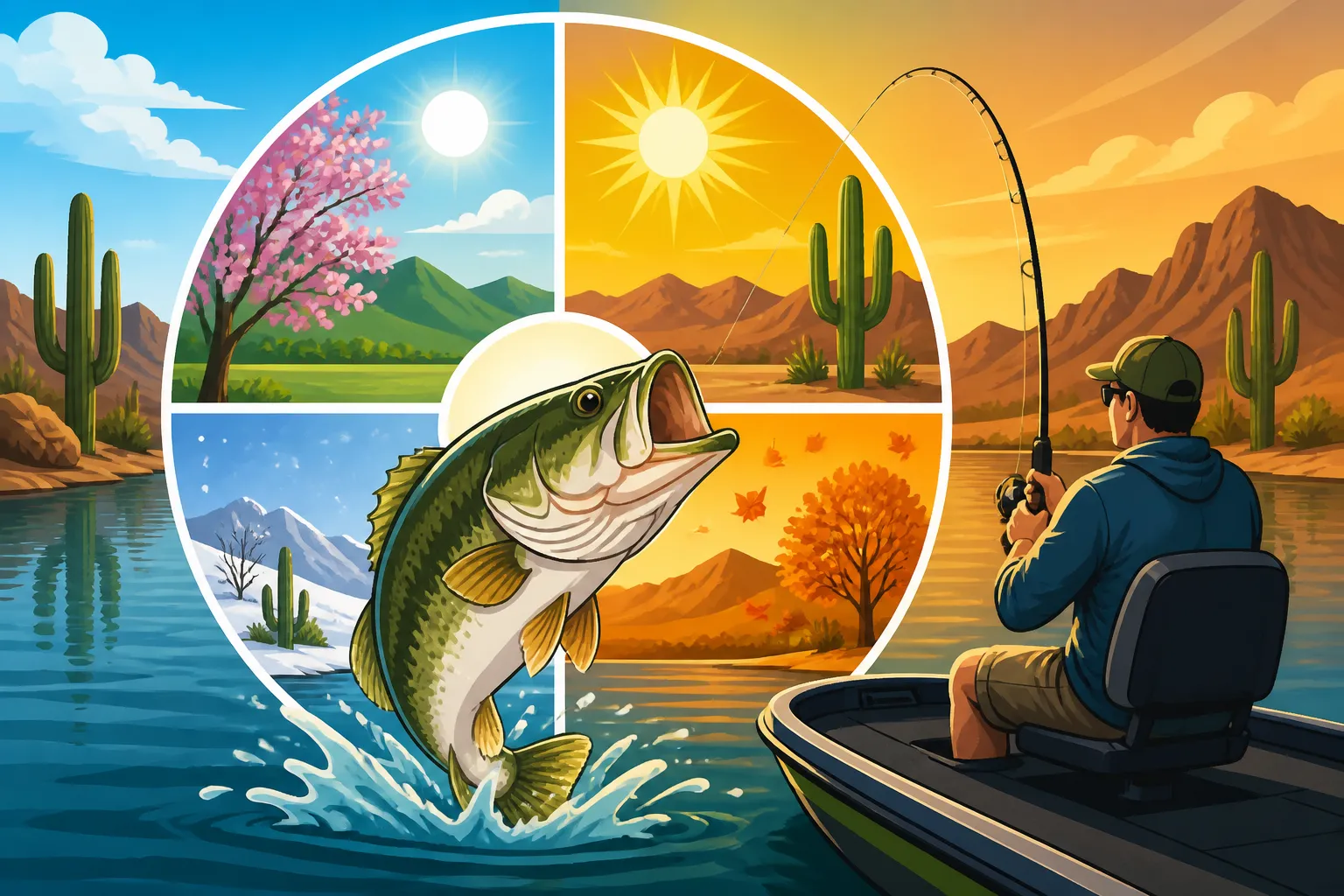
The frustrating truth about fishing any Arizona lake, especially a vast and dynamic reservoir like Lake Pleasant, is that conditions are rarely static. You can hit the water one week and have a banner day, only to return the next, expecting the same results, and come up completely empty-handed. It's enough to make even seasoned anglers question their sanity! But don't despair; the key to consistent success lies in understanding the best time of year to fish Lake Pleasant and how the seasons truly influence the fish. This comprehensive guide will equip you with the knowledge to decode Lake Pleasant's ever-changing moods and vastly improve your chances, no matter the month.
Spring Awakening March to May
When spring truly arrives in Arizona, often beginning in March and extending through May, Lake Pleasant undergoes a remarkable transformation. The warming waters trigger an explosion of activity, making this arguably the most exciting time for many anglers. The frigid lethargy of winter gives way to a vibrant feeding frenzy, particularly for bass and crappie, as they prepare for and engage in their annual spawning rituals.
The Energetic Bass Spawn
For largemouth and smallmouth bass, spring is prime time. As the water temperature climbs into the low to mid-60s Fahrenheit, bass begin to move out of their deeper winter haunts and head towards shallower coves, points, and flats. This pre-spawn period is characterized by aggressive feeding as they bulk up for the energy-intensive spawning process. You'll often find them gorging on crayfish, shad, and smaller baitfish. Anglers casting crankbaits, lipless crankbaits, and spinnerbaits that mimic these forage species can have incredible success. Imagine tossing a chartreuse and blue crankbait near a submerged rock pile, feeling that distinct thump as a pre-spawn largemouth absolutely crushes it – that's the magic of early spring.
As the water temperatures stabilize, typically in April and early May, the actual spawn begins. Bass will create circular "beds" on hard bottoms in relatively shallow water, usually in protected areas away from heavy wind and boat traffic. This is a critical time for sight fishing. You can often spot the males guarding the nests, diligently fanning away debris. While it's tempting to target these bedded fish directly, many anglers opt for a more ethical approach, targeting pre-spawn or post-spawn fish that are actively feeding. If you do encounter bedded fish, a Texas-rigged soft plastic or a jig slowly worked near the bed can elicit a strike from a protective male. Remember to practice catch-and-release during this sensitive period to ensure future generations of bass thrive. If you're looking for more detailed strategies, our guide on Spring Bass Fishing Tactics in Arizona delves deeper into these techniques.
Crappie Bonanza and White Bass Action
Spring isn't just about bass; it's also the absolute best time for crappie at Lake Pleasant. These panfish move into shallow areas with brush piles, submerged trees, and rocky structures to spawn when water temperatures reach the high 50s to low 60s. Their schooling behavior during this period makes them relatively easy to locate once you find a congregation. Small jigs, particularly those tipped with a crappie nibbler or a live minnow, are deadly effective. Many anglers employ spider rigging or vertical jigging around submerged cover, dropping multiple lines to find the crappie's preferred depth. Picture a boat surrounded by poles, each line slowly dancing, waiting for that tell-tale twitch indicating a crappie bite. It's a fantastic experience, especially if you're aiming for a fish fry! Always be mindful of the Crappie Limit at Lake Pleasant to stay within regulations.
White bass also become incredibly active in spring. While they don't spawn in Lake Pleasant itself, they follow the same urge to move upstream into the Agua Fria River arm of the lake, mimicking a river spawn. They'll school up in massive numbers, chasing shad and offering some of the most consistent and exciting action. Look for birds diving, which often indicates a "boil" of white bass pushing baitfish to the surface. Casting small spoons, Kastmasters, or inline spinners into these boils can result in a fish on almost every cast. It's a fast-paced, high-octane type of fishing that's excellent for beginners and experienced anglers alike. Our White Bass Fishing at Lake Pleasant guide offers more specific tips for targeting these aggressive fighters.
Summer Strategies June to August
As the Arizona sun beats down in June, July, and August, Lake Pleasant transforms into a vast, shimmering mirror reflecting intense heat. While many anglers shy away from summer fishing, fearing the scorching temperatures, those who adapt their strategies can find incredible success, especially by targeting different species or fishing during cooler times of day. This is when deep-water fishing and night expeditions truly shine.
Chasing Deep Water Striper and Largemouth
When surface temperatures soar into the 80s and even 90s, most fish retreat to deeper, cooler, and more oxygenated waters. This is prime time for striped bass, or stripers, at Lake Pleasant. These powerful, schooling predators will suspend over deep channels, submerged humps, and points, often chasing threadfin shad. Trolling deep-diving crankbaits or umbrella rigs can be incredibly effective for covering water and locating schools. Alternatively, vertical jigging with heavy spoons or large swimbaits over known structure or where you mark fish on your sonar can yield excellent results. Imagine the sheer fight of a large striper hooked hundreds of feet down – it's an adrenaline rush! If you're considering a guided trip to pinpoint these deep schools, services like FishingBooker can connect you with experienced local guides who specialize in summer striper fishing. They know the contours and the fish's habits intimately.
Largemouth and smallmouth bass also go deep in the summer. Instead of the shallow cover of spring, they'll relate to submerged timber, rock piles, drop-offs, and canyon ledges in 20 to 50 feet of water. Techniques like dropshotting, Carolina rigging, and heavy football jigs become essential. Presenting plastic worms, creature baits, or jigs slowly and deliberately on the bottom in these deep-water havens can entice bites from sluggish, heat-stressed bass. The key is patience and precision. Early mornings and late evenings, just as the sun rises or sets, can also offer brief windows of opportunity as bass might move a bit shallower to feed before the full heat of the day or after it has subsided. For more specific insights on battling the heat, check out our Summer Bass Fishing Tactics in Arizona article.
Night Fishing for Catfish and Bass
One of the most enjoyable and productive ways to fish Lake Pleasant during the summer is under the cover of darkness. The intense daytime heat subsides, and many fish species, particularly catfish and some bass, become much more active. The cooler air and water temperatures are a welcome relief, making the experience far more comfortable.
Catfish are perhaps the most reliable target species for night fishing. Channel catfish will cruise shallower flats and coves, using their keen sense of smell to locate food. Prepared baits like stink baits, chicken livers, or cut bait fished on the bottom with a slip sinker rig are highly effective. Flathead catfish, the true giants of Lake Pleasant, will often be found near deeper structure or submerged timber, ambushing unsuspecting prey. Live bluegill or carp are their preferred meals, and fishing these on heavy tackle can lead to epic battles. Setting up multiple rods along a shoreline or from an anchored boat, with bells on the rod tips, allows you to relax and enjoy the desert night while waiting for that tell-tale zzzzzzzzzz of a running reel.
Bass, especially largemouth, can also be caught at night, particularly around lighted docks or areas with artificial light that attracts baitfish. Throwing large dark-colored spinnerbaits, buzzbaits, or plastic worms can be surprisingly productive. The key to successful night fishing is safety; ensure you have proper lighting, PFDs (personal flotation devices), and are familiar with the area you are fishing. Remember to review Boating Safety Gear Requirements in Arizona before heading out.
Fall Feeding Frenzy September to November
As the scorching Arizona summer gradually gives way to the cooler, more temperate days of fall, Lake Pleasant once again undergoes a shift that marks another fantastic period for fishing. From September through November, the lowering water temperatures invigorate many species, triggering a powerful instinct to feed aggressively in preparation for the upcoming winter. This autumnal "feeding frenzy" offers some of the most consistent and exciting action of the entire year.
Resurgent Bass and Striped Bass Activity
When water temperatures begin to drop into the 70s and then 60s, both largemouth and smallmouth bass become incredibly active. They'll move out of their deep summer sanctuaries and begin to roam shallower to mid-depth areas, often schooling up and chasing baitfish with abandon. This is a fantastic time for power fishing techniques. Crankbaits, spinnerbaits, jerkbaits, and topwater lures can all be highly effective, especially during low light conditions or on cloudy days. Look for areas where shad are schooling, often near points, humps, and the mouths of coves. If you spot a "boil" of baitfish being attacked at the surface, cast quickly into the commotion—you're likely to hook up with an aggressive bass.
Striped bass also experience a significant resurgence in activity during the fall. Much like the white bass in spring, stripers will often engage in spectacular surface boils, especially in the main lake body or larger coves, as they corral and attack threadfin shad. These boils can erupt anywhere and at any time, but they're most common in the early morning and late evening. Having a rod rigged with a Kastmaster, a topwater popper, or a swimbait ready to cast into these frenzies is crucial. Trolling with spoons or deep-diving crankbaits can also be very productive for locating nomadic schools of stripers. Many local guides, found through resources like FishingBooker, often report fall as their busiest season due to the sheer consistency of striper and bass action. For more in-depth fall tactics, refer to our Fall Bass Fishing Tactics in Arizona guide.
Cooler Temps and Active Crappie
Crappie, much like the bass, respond enthusiastically to the cooling waters of autumn. After their summer slumber in deeper water, they'll begin to move back towards submerged brush, standing timber, and rock piles in shallower to mid-depth ranges, often between 10 to 25 feet. They'll school up tightly, making them a prime target for anglers who can locate them using electronics.
Fishing with small jigs, sometimes tipped with a live minnow, is a go-to method for fall crappie. Vertical jigging directly over submerged brush or slowly trolling small crankbaits can entice bites. The cooler water also means crappie are more willing to chase, so a slightly faster retrieve can sometimes be effective compared to the slow presentations needed in colder water. Imagine pulling a slab crappie out of a submerged tree, its silver scales flashing in the autumn sun – it's a truly rewarding experience. The pleasant fall weather also makes for a much more comfortable day on the water, allowing anglers to focus entirely on the fishing without battling extreme temperatures.
Winter Wonders December to February
While many anglers might put their rods away when winter descends upon Arizona, the period from December through February can offer surprisingly good fishing at Lake Pleasant for those willing to brave the cooler temperatures and adapt their techniques. It's a time for slower presentations, deeper analysis, and often, more rewarding catches from less pressured fish.
Subtlety for Cold-Water Bass
Winter bass fishing on Lake Pleasant requires patience and a subtle approach. The metabolism of both largemouth and smallmouth bass slows significantly as water temperatures drop into the 50s and even 40s. They'll congregate in deeper main lake areas, often relating to significant structure like submerged creek channels, deep points, ledges, and large rock piles. They won't chase baits aggressively, so presentations need to be slow and precise.
Jigs, dropshot rigs, and slowly worked football head jigs are excellent choices. Presenting plastic worms, grubs, or creature baits with minimal movement, often letting them soak on the bottom for extended periods, can trigger a lethargic bite. Another effective technique is employing a blade bait or a spoon in deeper water, vertically jigging it with short, sharp lifts and long pauses. The flash and vibration can often provoke a reaction strike. Understanding the nuances of these tactics is key, and our Winter Bass Fishing Tactics in Arizona guide provides further details on how to succeed when the water is cold. While the bites might be fewer and farther between, the fish you do catch are often larger, healthy specimens that have survived the toughest conditions.
Unexpected Opportunities for Crappie and Trout
Crappie, while less active than in spring or fall, can still be caught in winter. They will typically hold in very deep water, often suspended over massive schools of shad or tucked tightly into the deepest parts of submerged timber and brush piles. Locating these schools with good electronics is paramount. Once found, very small jigs, sometimes tipped with minnows, presented vertically and slowly are the best bet. The bite can be incredibly light, feeling like a spongy tap, so a sensitive rod is crucial.
Lake Pleasant doesn't typically get stocked with trout, but nearby community lakes often do. However, in unusually cold winters, or in specific cool-water pockets of the lake, an occasional trout might surprise an angler. More consistently, though, the cooler water temperatures can bring unexpected bites from other species like sunfish or even the occasional striper that might be willing to hit a slower-moving bait. The key for all winter species is to scale down your tackle, use lighter lines, and focus on finesse presentations.
Remember that no matter the season, having a valid Arizona Fishing License Guide is essential, and understanding the statewide Arizona Fishing Regulations Explained will ensure your trip is both enjoyable and lawful. Whether you're chasing spawning bass in the spring, deep-water stripers in summer, aggressive feeders in the fall, or subtle bites in winter, Lake Pleasant offers year-round opportunities for the dedicated angler.
Seasonal Fishing Overview for Lake Pleasant
Understanding the general trends for different species throughout the year can help you plan your trips more effectively. This table summarizes the best times for key species at Lake Pleasant.
| Season | Best Months | Primary Target Species | Key Behaviors & Techniques | Notes & Considerations |
|---|---|---|---|---|
| Spring | March, April, May | Largemouth Bass, Smallmouth Bass, Crappie, White Bass | Spawning activity. Bass move shallow for pre-spawn feeding and bedding. Crappie school and spawn in brush. White bass run the river arm. Aggressive bites. | Prime time for many species. Look for warming water. Can get crowded. Excellent for a wide range of lure types including topwater, crankbaits, jigs, and live minnows. |
| Summer | June, July, August | Striped Bass, Catfish, Largemouth Bass (deep) | Fish retreat to deeper, cooler water. Stripers chase shad in open water. Catfish active day and night. Night fishing is very popular for bass and catfish. | Intense heat requires early mornings, late evenings, or night fishing. Focus on deep-water techniques like trolling, vertical jigging, and bottom fishing with bait. Sun protection is critical. |
| Fall | September, October, November | Largemouth Bass, Smallmouth Bass, Striped Bass, Crappie | Post-spawn recovery and aggressive feeding to bulk up for winter. Fish move to mid-depths. Stripers and white bass may boil. | Very consistent fishing. Great for covering water with power fishing lures. Comfortable weather conditions. Can also be a good time to find large schools of baitfish. |
| Winter | December, January, February | Largemouth Bass, Smallmouth Bass, Crappie | Fish are lethargic and hold deep. Bites are subtle; slow, finesse presentations are key. | Requires patience and sensitive gear. Fewer bites, but often quality fish. Water levels can be lower, exposing more structure. Dress warmly. |
Disclaimer
Fishing conditions can change rapidly due to weather, water levels, and stocking schedules. Always check the latest regulations and local forecasts before heading out. This guide provides general recommendations; local knowledge and on-the-water adjustments are always key to successful fishing.