Side Canyon Fishing Spots at Lake Powell
Lake Powell is a colossal body of water, and if you’ve ever tried to fish it without a plan, you know it can feel like trying to find a needle in an aquatic haystack. The sheer scale can be daunting, and simply driving around looking for action often leads to frustration and a lot of burnt fuel. That's why seasoned anglers often turn their attention to the countless side canyons that branch off the main channels, offering some of the most consistent and productive fishing Lake Powell has to offer. This guide will dive deep into why these canyons are so special and how to unlock their fishing potential.
Why Side Canyons are Lake Powell's Hidden Treasures for Anglers
For many anglers, the vastness of Lake Powell is both its greatest allure and its biggest challenge. Where do you even begin? That's where the magic of the side canyons comes in. These winding arms of the lake provide a multitude of advantages that make them prime fishing grounds, often holding concentrations of fish that are harder to find on the wide-open main lake.
Natural Fish Habitats and Forage Concentration
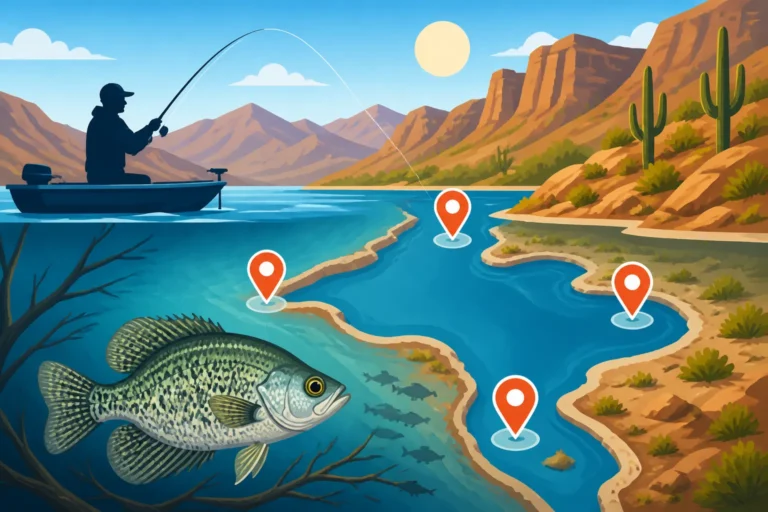
Think of Lake Powell's side canyons as natural funnels and protective nurseries. As you venture deeper into these narrow waterways, the topography changes dramatically. Instead of endless open water, you encounter steep, dramatic rock walls, submerged ledges, and often, more concentrated patches of brush and timber. This varied structure creates ideal ambush points and hiding spots for baitfish like threadfin shad, which in turn attract the predatory game fish we're after.
The canyons also act like giant natural food processors. Rain and runoff from the surrounding desert often wash nutrients into these confined spaces, leading to localized blooms of plankton and algae that form the base of the food chain. This means a more abundant and accessible food source for smaller baitfish, which then draw in hungry bass and stripers. You might find a whole ecosystem thriving in a canyon that looks barren from the outside, simply because the natural flow concentrates life within its walls. Understanding these natural patterns is key to finding consistent action, as highlighted in any good Lake Powell Arizona Fishing Guide.
Shelter from Wind and Boating Traffic
One of the most immediate benefits of fishing a side canyon, especially on a large lake like Powell, is the protection it offers from the elements and from other boaters. When the main lake whips up with a stiff breeze, turning your boat into a bucking bronco and making casting a nightmare, many side canyons remain remarkably calm. The high canyon walls act as natural windbreaks, creating serene conditions perfect for delicate presentations or simply enjoying a peaceful day on the water.
This shelter isn't just about comfort; it's about fishing effectiveness. Calm water allows you to control your boat better, make more accurate casts, and maintain better contact with your lure. Furthermore, these canyons generally see less recreational boat traffic compared to the main channels, especially the deeper you go. Less boat noise and fewer wakes mean less disturbance for the fish, making them more likely to bite. When you're trying to fish a subtle drop-shot or keep a jig on a specific ledge, having a peaceful environment makes all the difference.
Diverse Species Opportunities
The beauty of Lake Powell's side canyons is their ability to host a variety of sport fish, often within a relatively small area. Depending on the canyon's depth, structure, and water clarity, you can typically find excellent fishing for striped bass, smallmouth bass, and largemouth bass.
- Striped Bass: Often, stripers will push baitfish deep into the canyon arms, especially during prime feeding times or when chasing schools of shad. These long, aggressive fish use the canyon walls to trap their prey, making them easier to target.
- Smallmouth Bass: These hard-fighting fish absolutely love the rocky ledges, sheer drop-offs, and clear water found in many canyons. They'll hug the walls, waiting to ambush unsuspecting baitfish or crayfish.
- Largemouth Bass: While perhaps less common in the deepest, most barren canyon stretches, largemouth bass can be found where there's submerged brush, timber, or slower-tapering banks with a bit more vegetation. Look for them in the shallower, wider sections of canyons, especially those with some debris accumulation.
This diversity means you can tailor your approach based on what you're seeing or what you prefer to catch, making canyon fishing an incredibly versatile experience.
Navigating and Fishing Lake Powell's Canyon Maze
Exploring Lake Powell's side canyons requires a thoughtful approach, combining the right gear with smart fishing strategies. It's not just about pointing your boat into a canyon and hoping for the best; it's about understanding the subtle cues of the environment and presenting your lures effectively.
Essential Gear for Canyon Exploration
When you're heading into the winding arms of Lake Powell, having the right equipment is paramount. The sheer size and sometimes remote nature of these spots demand preparedness.
First and foremost, reliable navigation is crucial. A good GPS unit with detailed mapping is non-negotiable. Lake Powell's water levels fluctuate significantly, meaning what was a navigable channel last year might be a shallow, rock-strewn obstacle course this year. Having up-to-date charts, even on your phone or tablet, can prevent costly mistakes and keep you safe. Many anglers swear by advanced fish finders with side-imaging or down-imaging capabilities, like those from Humminbird or Lowrance, which are invaluable for identifying submerged structure, ledges, and even baitfish schools tucked against canyon walls.
For your boat, consider something that can handle varying water depths. While bass boats are fantastic, smaller, more maneuverable boats or even fishing kayaks can access tighter spots. Make sure you have plenty of fuel, as gas stations can be few and far between once you're deep in the canyons.
Tackle-wise, you'll want a versatile setup. Medium-heavy spinning or baitcasting rods are ideal, capable of handling a variety of lure weights and strong fish. Your tackle box should include a mix of lures:
- Jigs and Drop-Shot Rigs: Perfect for Canyon Ledge Fishing Techniques and targeting smallmouth bass that often hug the rocky structure.
- Crankbaits and Swimbaits: Excellent for covering water, especially for actively feeding striped bass or largemouth. You'll want both shallow and deep-diving options to explore different depths along the canyon walls.
- Spoons and Blade Baits: Effective for vertical jigging, especially when you mark fish holding deep under the boat.
- Topwater Lures: On calm mornings or evenings in the canyons, topwater action can be explosive, particularly for bass.
Don't forget essentials like sun protection, plenty of water, and a first-aid kit. A net for landing fish is also a smart addition, especially for larger stripers.
Reading the Water in Canyon Environments
Unlike open water where fish might be scattered, side canyons concentrate fish by their very nature. But even within a canyon, fish aren't everywhere. Learning to "read" the water and identify high-percentage spots is key to success.
- Current Breaks and Eddies: Look for areas where the main flow of water (however subtle) is interrupted by a point, a rock outcropping, or a submerged island. These spots create current breaks where fish can rest and ambush prey.
- Shadow Lines: In the bright Arizona sun, shadow lines cast by the towering canyon walls can be fish magnets. Fish often use these shaded areas for comfort and to hide from overhead predators. Work your lures along these lines as the sun moves throughout the day.
- Submerged Structure: Pay close attention to your fish finder for any indications of submerged brush piles, trees, or rockslides. These are classic hiding spots for all species.
- Water Temperature and Clarity: Canyons can sometimes have slightly different water temperatures or clarity than the main lake, depending on their depth and inflow. These subtle differences can attract or repel fish. For instance, in warmer months, slightly cooler water deeper in a canyon might hold more active fish.
By observing these details, you can quickly narrow down the most promising sections of a canyon and focus your efforts where fish are most likely to be holding.
Strategic Approach: Casting, Trolling, and Vertical Jigging
Fishing Lake Powell's side canyons isn't a one-technique-fits-all situation. The best anglers employ a mix of strategies to cover different depths and target various species.
Casting to Structure: This is often the most direct approach. Cast your chosen lure (jigs, crankbaits, or plastic worms) tight against the rocky walls, submerged ledges, and any visible cover. For Smallmouth Bass Fishing Guide for Arizona strategies, precision casting to specific rocky outcroppings or transitions can be incredibly effective. Let your lure sink to the desired depth and work it back, mimicking injured baitfish or crawdads. Don't be afraid to experiment with different retrieve speeds and pauses.
Trolling the Edges: For aggressive fish like striped bass, especially when they're scattered or actively searching for bait, trolling can be a highly effective method. Use deep-diving crankbaits or swimbaits like those mentioned in How to Fish a Swimbait for Striped Bass along the main channel edges of the canyon arms. Vary your speed and depth until you find what triggers a bite. Trolling allows you to cover a lot of water and locate schools of active fish.
Vertical Jigging and Spooning: When your fish finder lights up with schools of fish holding deep, particularly in the deeper sections of canyons, vertical jigging with heavy spoons or blade baits can be devastating. Drop your lure directly onto the marked fish, then use a sharp jigging motion to entice bites. This technique is especially good for Striped Bass Fishing Guide for Arizona tactics when they're hunkered down in cooler, deeper water during the hotter months. Pay close attention to your electronics to pinpoint the depth where the fish are holding and adjust your presentation accordingly.
Top Side Canyon Fishing Tactics and Considerations
To truly excel at canyon fishing on Lake Powell, you've got to understand the behavior of the specific fish you're targeting and how they interact with these unique environments. It's also crucial to adapt to the dynamic conditions of this desert reservoir.
Targeting Striped Bass in Canyon Arms
Striped bass are one of the most exciting species to target in Lake Powell, and they often make their presence known in the canyons. These powerful fish love to herd schools of threadfin shad into tight spaces, making the canyon arms ideal ambush locations.
During prime feeding times, especially dawn and dusk, you might witness a "striper boil" – a chaotic surface feeding frenzy where stripers push shad to the surface. If you see this, move quickly and cast topwater lures, poppers, or fast-retrieved swimbaits into the melee. This is an electrifying experience and some of the most thrilling fishing Lake Powell offers. For understanding Best Season for Striped Bass at Lake Powell, know that they are active year-round but their patterns change dramatically.
When boils aren't happening, stripers will often suspend in deeper water or cruise the edges of the canyon looking for food. This is where trolling deep-diving crankbaits or using spoons and jigs for vertical presentations becomes critical. Look for areas where the canyon walls drop steeply into deep water, or where you mark large schools of baitfish on your sonar. Stripers are opportunists, so if you find the bait, the stripers are usually not far behind.
Hunting Bass Along Rocky Ledges and Structure
Lake Powell's smallmouth and largemouth bass thrive in the rocky, structured environments of the side canyons. Smallmouth, in particular, are masters of relating to hard structure, using ledges, boulders, and rockslides for cover and ambush points.
For smallmouth bass, focus your efforts on steep rock walls, points, and sudden depth changes. Lures that mimic crawfish or small baitfish are highly effective. Drop-shot rigs with small plastic worms or tubes fished vertically along ledges are killer, as are Ned rigs and small jigs. Work these baits slowly and meticulously, feeling for the subtle tap that indicates a bite. The Best Season for Smallmouth Bass at Lake Powell often aligns with their spawning periods in spring, but they can be caught deep on rocky structure year-round.
Largemouth bass will gravitate towards any softer structure within the canyons. Look for areas where trees have fallen into the water, submerged brush piles, or even larger debris fields. These fish appreciate cover. Texas-rigged plastic worms, jigs with skirts, and shallow-running crankbaits are excellent choices for probing these areas. Cast right into the thickest cover you can find and be prepared for a quick, powerful strike.
Adapting to Water Levels and Seasonal Changes
Lake Powell is a dynamic lake, and its water levels can fluctuate significantly throughout the year and from year to year. This is arguably the biggest challenge and opportunity when fishing its canyons. What was a productive point last year might be 20 feet above the water line or 50 feet below it this season.
- Rising Water: When water levels are rising, new cover is inundated, and fish often move shallow to explore these fresh feeding grounds. This can be an excellent time to target bass with reaction baits closer to the new shoreline.
- Falling Water: As water levels drop, fish tend to pull back to deeper, more established cover. Focus on main channel points, deeper ledges, and submerged timber that remains covered. It might take longer to find them, but they'll be concentrated.
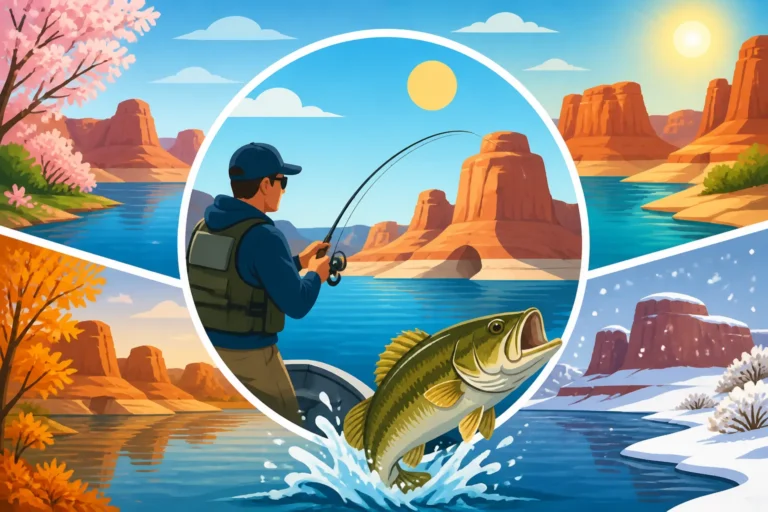
Similarly, Arizona Fishing Seasons Explained and the Best Time of Year to Fish Lake Powell will dictate fish behavior in the canyons. In winter, fish generally move deeper, requiring slower presentations and deeper-diving lures. Spring brings spawning activity, meaning fish will move shallower. Summer heat often pushes fish to deeper, cooler water or into early morning/late evening feeding windows. Monsoon season can bring sudden influxes of muddy water, which might require brighter, more visible lures or finding clearer water deeper in the canyons. Staying flexible and observant is key to adapting to these changes.
Planning Your Canyon Fishing Expedition
A successful trip into Lake Powell's side canyons isn't just about what happens once you've got a line in the water; it's about meticulous planning and a strong understanding of the environment and regulations.
Boat and Navigation Smartly
Given the vastness and sometimes remote nature of Lake Powell, approaching with caution and a well-prepared vessel is absolutely essential.
Firstly, make sure your boat is in top mechanical condition. The last thing you want is a breakdown deep in a canyon, far from assistance. Carry a marine radio or satellite communication device, as cell service can be spotty. Always have extra fuel on board, especially if you plan to explore distant canyons. Distances can be deceiving on Lake Powell. Understanding Boat Ramp Locations at Lake Powell will help you plan your launch and retrieval points effectively, saving time and frustration.
Secondly, utilize your navigation tools relentlessly. GPS is your best friend. Mark your chosen fishing spots, but also mark safe passages, potential hazards, and any areas of concern. Given the fluctuating water levels, always assume there could be new submerged hazards. Don't push into areas that look too shallow, especially if you're unfamiliar with them. Respect buoy markers and no-wake zones. A pair of good polarized sunglasses will also help you spot submerged obstacles.
Safety and Regulations
Safety should always be your number one priority on the water, especially on a large and potentially unforgiving lake like Powell. Ensure you have all the Boating Safety Gear Requirements in Arizona met, including properly fitting personal flotation devices (PFDs) for everyone on board, a fire extinguisher, distress signals, and navigation lights. Always let someone know your float plan – where you're going, when you expect to return, and who is with you.
Familiarize yourself with the current Arizona Fishing Regulations Explained. This includes bag limits, size limits, and any special regulations for specific species or areas. For instance, are you aware of Fishing Bag and Possession Limits Explained for stripers or bass? Always carry your Arizona Fishing License Guide and any necessary permits. While most of Lake Powell is managed by the Arizona Game and Fish Department (and Utah for its portion), if you venture near specific tribal lands, such as the Navajo Nation that borders some areas, you might need Tribal Land Fishing Permits in Arizona. Always check local regulations before fishing these sensitive areas. Ignorance of the law is never an excuse, and violations can lead to hefty fines or even loss of privileges.
Getting Expert Insight
Sometimes, the best way to crack the code of Lake Powell's side canyons is to lean on the experience of others. For anglers who are new to the lake or want to maximize their chances of success, hiring a local fishing guide can be an invaluable investment. These professionals spend countless hours on the water, know the lake's ever-changing moods, and understand the subtle patterns of the fish. They can quickly put you on productive spots, teach you effective techniques, and ensure you have a safe and enjoyable trip.
Many excellent guides operate on Lake Powell, and services like FishingBooker can help you connect with highly-rated charter captains who specialize in different species and techniques. They'll not only provide all the necessary gear but also offer a wealth of knowledge about specific canyon behaviors, current hotspots, and what lures are working best right now. A guided trip can shorten your learning curve dramatically and provide memories that last a lifetime, giving you the confidence to explore these magnificent fishing grounds on your own in the future.
Here's a quick look at how different canyon characteristics might influence your fishing strategy:
| Canyon Type | Primary Target Species | Key Characteristics | Best Techniques | Access Considerations |
|---|---|---|---|---|
| Deep, Main Channel Arm | Striped Bass, Smallmouth | Wide, deep, often near main lake, clear water | Trolling, vertical jigging, spoons | Good for larger boats |
| Narrow, Rocky Walls | Smallmouth Bass, Striped | Steep, sheer walls, many ledges, excellent clarity | Drop-shot, jigs, finesse baits | Best for smaller boats/kayaks |
| Brushy, Gradual Slope | Largemouth Bass, Catfish | Submerged timber, brush, debris, warmer shallows | Texas rigs, crankbaits, topwater | Often requires shallow draft |
| Remote, Inaccessible | Bass, Trout (rare) | Very quiet, less pressure, can be challenging | Kayak/hike-in, light tackle | Restricted to kayaks or hiking |
Ultimately, exploring Lake Powell's side canyons is an adventure. With proper planning, the right gear, and an adaptable mindset, these hidden gems will reward you with incredible fishing experiences and unforgettable memories of one of Arizona's most spectacular waterways.
Disclaimer
Fishing conditions and regulations in Arizona can change. Always consult the latest Arizona Game and Fish Department regulations before heading out. This guide is for informational purposes only and does not guarantee fishing success. Be aware of local conditions and prioritize safety on the water.