Do Community Lakes Get Too Hot for Fish in Summer?
It’s a sweltering July afternoon in Phoenix, the kind where the asphalt shimmers and the air feels like a blow dryer. You're thinking about heading to your local community lake, perhaps one of the gems managed by the Arizona Game and Fish Department (AZGFD) or a local municipality. But a nagging thought persists: "Do community lakes get too hot for fish in summer?" This is a real, valid concern for any angler in our desert state, and it’s a question that deserves a thorough, realistic answer. This guide will cut through the myths and dive into the scientific and practical realities of how Arizona's urban fisheries handle our intense summer heat, and what that means for the fish, and for your fishing plans.
The Harsh Reality of Desert Water Temperatures
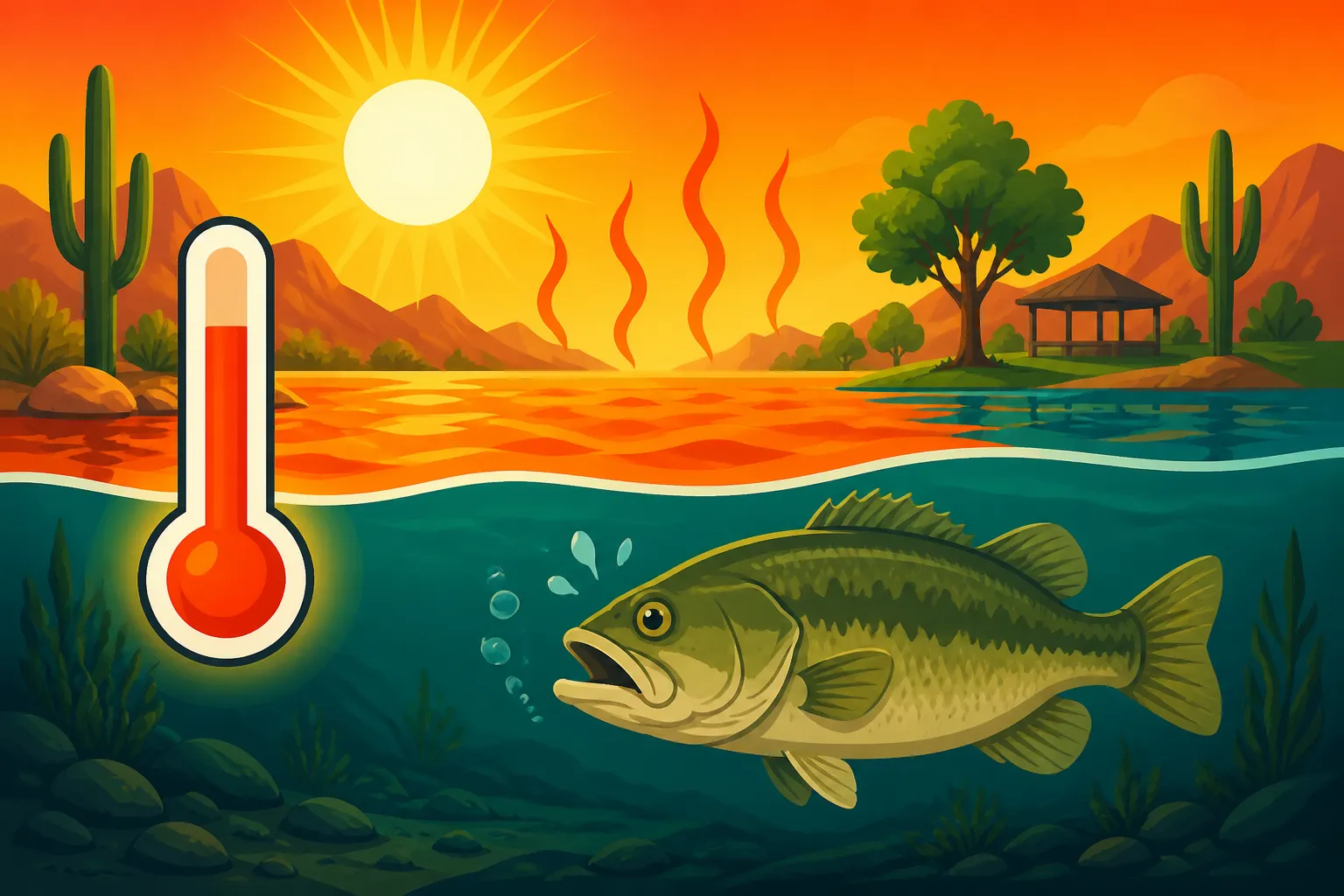
Let's face it: Arizona summers are brutal. While we humans crank up the AC and seek refuge indoors, the fish in our community lakes don't have that luxury. The water in these smaller, often shallower urban impoundments can warm up surprisingly fast, creating conditions that range from uncomfortable to downright dangerous for aquatic life. It's not just about the air temperature; it's about what happens when that relentless sun beats down on relatively stagnant water day after day.
Think about it this way: your backyard swimming pool, if left uncovered, can get pretty toasty, right? Now imagine that pool is a natural ecosystem with fish, plants, and microorganisms all trying to survive. Community lakes, while much larger than pools, are still generally smaller and more exposed than massive reservoirs like Lake Powell or Roosevelt Lake. This makes them particularly susceptible to thermal stratification, where layers of water at different temperatures form, and a significant drop in dissolved oxygen, which is often the silent killer for fish in hot conditions.
The AZGFD does an incredible job managing these urban fisheries, but even their best efforts can't completely negate the physics of heat transfer in a desert environment. We're talking about sustained air temperatures often exceeding 105 degrees Fahrenheit for weeks on end. That kind of heat penetrates deep into the water column, especially in shallower areas. It's a constant battle, and one that every angler needs to understand to fish responsibly and effectively.
How Extreme Heat Stresses Arizona's Aquatic Life
When water temperatures rise beyond a fish's comfort zone, it's not just like us feeling a little warm. It's a systemic stressor that affects everything from their metabolism to their ability to breathe. Fish are cold-blooded, meaning their body temperature largely mirrors their environment. If the environment becomes too hot, their internal systems can start to fail.
Dissolved Oxygen Depletion
This is arguably the most critical issue. Warmer water holds less dissolved oxygen (DO) than colder water. Imagine trying to breathe at high altitudes; that's what it feels like for fish when DO levels drop. As the water heats up, fish become more active metabolically – they need more oxygen – but simultaneously, there's less oxygen available to them. It's a terrible Catch-22.
During scorching summer days, especially after a series of hot nights, oxygen levels can plummet, particularly in the lower depths where cooler water might otherwise offer refuge. Algae blooms, common in nutrient-rich community lakes, further exacerbate this by consuming vast amounts of oxygen at night when photosynthesis isn't occurring. You might even observe fish "gasping" at the surface, which is a clear sign of severe oxygen depletion. This isn't just about fishing success; it's about the very survival of the fish populations, and it's why understanding What Is the Best Time to Fish in Arizona in Summer? is so crucial.
Metabolic Stress and Disease
High temperatures accelerate a fish's metabolism, forcing them to burn energy faster. This constant demand, coupled with lower food availability (as many forage species also struggle in extreme heat), can quickly lead to exhaustion and weakened immune systems. A stressed fish is a vulnerable fish.
When fish are under this kind of thermal stress, they become much more susceptible to diseases and parasites that might otherwise be harmless. Even minor injuries from handling or a tough fight can become fatal when a fish's immune system is compromised. For species like trout, which prefer cooler waters, these conditions are often lethal, which is why trout are primarily stocked in Arizona's urban lakes during the cooler months. You won't typically find them thriving when the mercury climbs above 80 degrees Fahrenheit in the water.
Behavioral Changes and Feeding Patterns
Fish aren't just enduring the heat; they're actively trying to survive it. This means significant changes in their behavior. They'll seek out any available cooler water, which might be deeper sections, shaded areas created by bridges or trees, or even pockets where an aerator is churning up the water.
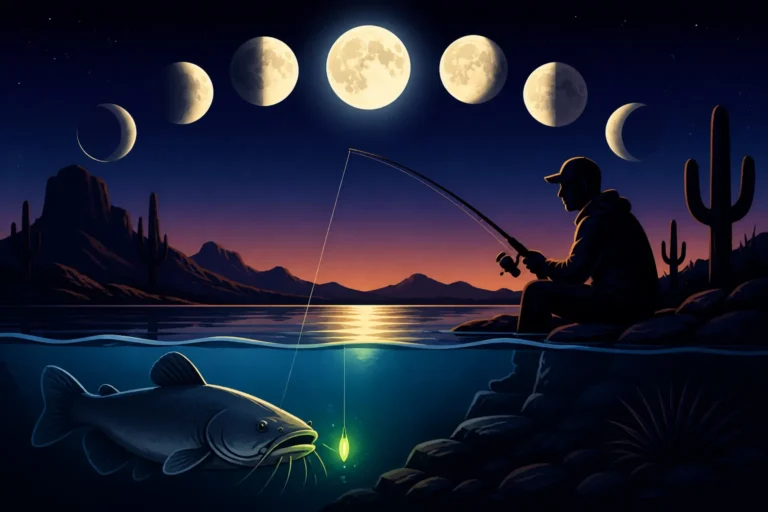
Their feeding patterns also shift dramatically. They become less active during the hottest parts of the day, conserving energy. You'll find them hunkering down, often becoming sluggish and uninterested in foraging. This means your typical daytime summer fishing strategies are likely to be far less effective. This is one of the main reasons why night fishing for species like catfish becomes so popular and productive in Arizona during the summer; the water cools slightly, and oxygen levels can improve, encouraging fish to move and feed.
Species Tolerance and How Fish Adapt
While the heat is a universal challenge, not all fish species are created equal in their tolerance for warm water. Arizona's community lakes are primarily stocked with species known for their resilience in warm environments, but even they have their limits.
Warmwater Species: Our Desert Survivors
The bread and butter of Arizona's urban fishing program are species like Largemouth Bass, Channel Catfish, Tilapia, and various sunfish (like Bluegill and Redear Sunfish). These are our warmwater specialists, evolved to thrive in environments that would send other fish packing.
- Channel Catfish: These whiskered warriors are incredibly tolerant of warm water and lower oxygen levels. They're often the most reliable bite in the dead of summer, especially at night. You'll find good numbers of them in community lakes, and they continue to be a prime target for anglers. You can read more about Catfish Limit at Arizona Community Fishing Lakes to understand the regulations.
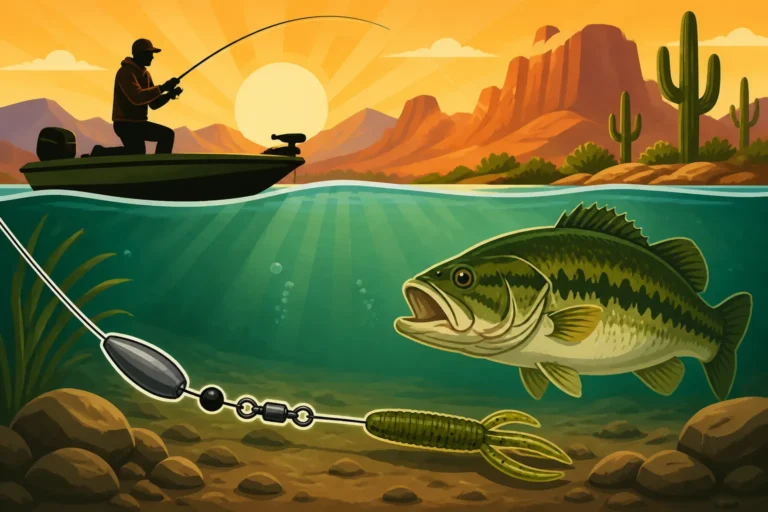
- Largemouth Bass: While bass can tolerate warm water, they prefer it to be in the 70s to low 80s Fahrenheit. Once water temperatures consistently hit the high 80s or 90s, they become lethargic and seek deep, shaded refuge. They'll still feed, but often only during cooler periods like dawn, dusk, or overnight.
- Sunfish (Bluegill, Redear): These smaller panfish are also quite resilient in warm water, often schooling up in shaded areas or around structure. They can be a great target for kids or beginners, even in summer, but again, activity will be concentrated during the cooler parts of the day. For specific regulations, check out the Sunfish Limit at Arizona Community Fishing Ponds.
It's a testament to these fish that they can survive in our desert waters, but even for them, there's a threshold.
The Role of Stocking Programs and Management
The Arizona Game and Fish Department is keenly aware of these challenges. Their Urban Fishing Program, which oversees many of these community lakes, strategically stocks fish based on seasonal water temperatures. For example, trout, which need cooler water, are stocked during the fall, winter, and spring when water temperatures are suitable. As summer approaches, trout stocking ceases because the water simply becomes too warm for them to survive. This is why understanding Trout Stocking Season in Arizona is so important.
Instead, warmwater species, particularly Channel Catfish, become the primary focus for summer stocking. They also implement aeration systems in many urban lakes to help mitigate oxygen depletion, especially in the hottest months. These aerators churn the water, increasing oxygen levels and helping to create more favorable conditions for fish. These efforts are critical in maintaining viable fisheries despite the extreme conditions.
Fishing Strategies for Hot Summer Lakes
So, does this mean you should pack away your fishing gear until fall? Absolutely not! It just means you need to adjust your approach and be extra mindful of the fish. Fishing community lakes in summer is possible and can be quite rewarding, but it requires smart strategy and a strong commitment to fish care.
Timing is Everything
This is perhaps the single most important adjustment you can make. Forget about midday fishing in July and August. The best times to fish are when the air and water temperatures are at their lowest.
- Dawn Patrol: Get to the lake before the sun even thinks about showing its face. The water will have had all night to cool down, and fish will be most active during the first few hours of daylight before the intense heat returns.
- Dusk to Dark: As the sun sets, the water begins to cool again, and oxygen levels can start to recover. This is prime time for many warmwater species, especially catfish, which are naturally more active at night. Night fishing is a fantastic way to beat the heat for both you and the fish.
- Overnight Adventures: Some community lakes allow 24-hour access, opening up opportunities for true overnight fishing sessions. This can be incredibly productive for targeting catfish and even some bass that move into shallower areas under the cover of darkness.
Targeting Specific Depths and Structure
Fish aren't just going to be cruising around haphazardly in the heat. They'll be seeking refuge.
- Go Deep (If Possible): In lakes with deeper sections, fish will often retreat to the thermocline or simply the coolest available depths. Use bottom fishing rigs for catfish or slow-sinking lures for bass.
- Shade, Shade, Shade: Any form of shade is a magnet for fish. Look for overhanging trees, bridges, culverts, or even deep docks. Fish will congregate in these cooler, darker zones.
- Aerator Action: If a lake has an aerator, fish will often hold near it because the churning water typically has higher dissolved oxygen levels. This can be a hot spot, both literally and figuratively.
Responsible Angling: Prioritizing Fish Health
This is paramount. When water temperatures are high, fish are under stress, and catching and releasing them can be incredibly taxing. If you plan to practice catch and release, consider these points:
- Minimize Fight Time: Use tackle strong enough to land fish quickly, reducing the prolonged stress of a long fight. Check out options for Best Fishing Rods for Bass in Arizona or Best Rod for Catfish to ensure you're equipped.
- Gentle Handling: Handle fish as little as possible. Keep them in the water if you can while removing the hook. If you must lift them out, support their entire body weight, especially for larger fish. Avoid touching their gills or eyes.
- Quick Release: Get the hook out fast and release the fish immediately. Don't spend excessive time taking photos, especially if the fish shows signs of distress.
- Consider Keeping: If you're targeting edible species and the regulations allow, consider keeping your catch rather than risking a delayed mortality from release in hot water. Always know the Arizona Fishing Regulations Explained and your Arizona Fishing Season Dates and Limits.
On Amazon, you can find great tools like long-nose pliers or a hook remover tool that minimizes handling and helps with quick, clean releases. Investing in a good quality cooler, like those mentioned in Best Coolers for Hot-Weather Fishing in Arizona, is also essential if you plan to keep your catch, ensuring the fish stay fresh and cool.
The Future of Community Lakes in a Warming Climate
The question of whether community lakes get too hot for fish in summer isn't going away. With climate patterns suggesting longer, hotter summers in Arizona, this challenge will only intensify. However, the AZGFD and local municipalities are continually working on solutions and adaptive strategies.
Continued Monitoring and Research
Agencies constantly monitor water quality parameters, including temperature and dissolved oxygen, in urban lakes. This data helps them make informed decisions about stocking, aeration, and other management practices. Research into more heat-tolerant strains of fish or alternative species that can thrive in these conditions is also ongoing.
Infrastructure Improvements
Investments in better aeration systems, deeper lake designs where possible, and even strategically placed shade structures could play a role in mitigating extreme heat impacts. We might see more innovative approaches to urban water management that prioritize aquatic health. For instance, some of the newer urban lakes are designed with deeper sections and more natural shoreline vegetation to provide additional cover and cooler zones.
Angler Education and Stewardship
Ultimately, a significant part of the solution lies with us, the anglers. By understanding the challenges, adapting our fishing techniques, and practicing responsible angling, we become stewards of these urban fisheries. Spreading awareness about the importance of proper fish handling in hot conditions and respecting the Community Fishing Program Rules ensures that these valuable resources remain viable for generations to come. Your fishing choices directly impact the health of the fish in your favorite local spot, whether it's one of the Community Lake Locations in Phoenix or a pond closer to Tucson.
In conclusion, yes, Arizona's community lakes do get incredibly hot in the summer, and this poses significant stress on their fish populations. But thanks to resilient species, strategic management, and informed anglers, these urban fisheries continue to offer valuable opportunities. Just remember to adjust your timing, target smart, and always prioritize the well-being of the fish.
| Species | Optimal Water Temperature (°F) | Upper Tolerance Limit (°F) | Summer Strategies |
|---|---|---|---|
| Channel Catfish | 70-85 | 95+ | Night fishing, deep holes, cut bait |
| Largemouth Bass | 65-80 | 90 | Dawn/dusk, shade, structure, slower presentations |
| Bluegill/Sunfish | 70-85 | 95 | Early morning, shaded banks, small baits |
| Rainbow Trout | 50-65 | 70 | Not present in summer |
Disclaimer
This article is for general informational purposes only and does not constitute professional advice. Laws, prices and regulations vary by location and change over time. Consult a qualified professional for guidance on your specific situation.