How to Fish a Texas Rig Around Brush
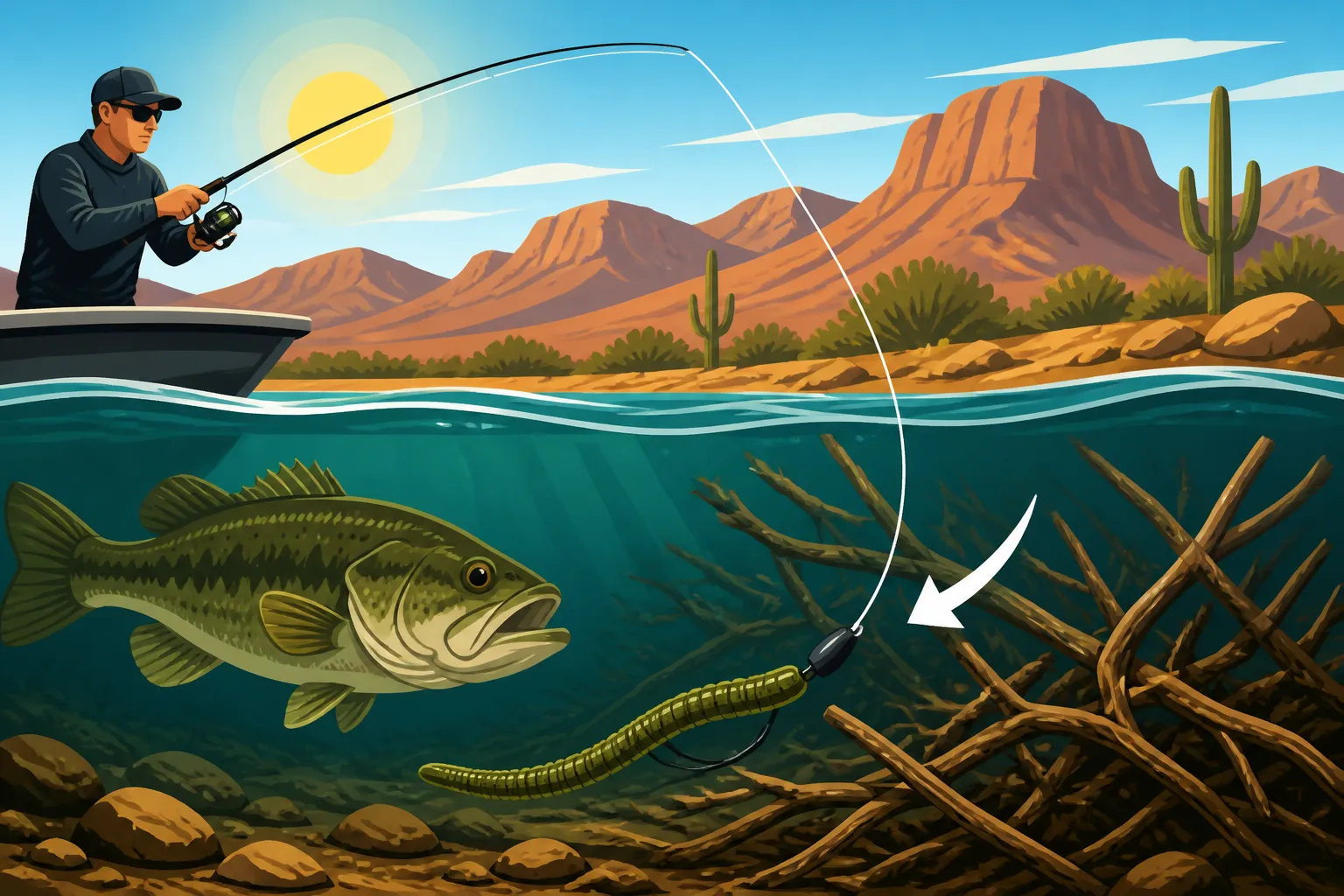
There's nothing quite as frustrating as feeling that subtle thump, knowing a big Arizona bass just inhaled your lure, only to have your line go completely slack as you pull it through a tangled mess of submerged branches. We've all been there, watching our prize disappear into the watery jungle, leaving us with a snagged rig and a defeated sigh. But what if I told you there’s a technique specifically designed to navigate those gnarly, fish-holding brush piles with confidence, allowing you to present your bait right where the big ones live without constantly getting hung up? This guide is all about mastering the Texas rig, your ultimate secret weapon for fishing heavy brush and pulling those lunker bass out of their fortress.
Understanding the Texas Rig: Your Brush-Busting Ally
The Texas rig isn't just a way to put a hook on a plastic worm; it's a philosophy of fishing cover. It's about presenting a soft plastic bait in the most weedless way possible, allowing it to slip and slide through branches, weeds, and timber that would instantly snag any other exposed hook. For us Arizona anglers, where our desert lakes often feature extensive submerged trees, brush, and old fences, this rig is absolutely indispensable.
Components of a Perfect Texas Rig
To truly understand how to fish this rig effectively, we first need to break down its essential components. Each piece plays a critical role in making it weedless and appealing to bass hiding deep within the cover. Forget those traditional jig heads or exposed worm hooks; the Texas rig employs specific elements for maximum stealth and snag resistance.
First, let's talk hooks. You'll typically want either an Extra Wide Gap (EWG) hook or a straight shank hook. The EWG hook is incredibly popular because its wide gap allows for excellent hook penetration even when the bait is compressed, and it provides plenty of space for the soft plastic to be tucked away, keeping the hook point shielded. A straight shank hook, while less common for beginners, can offer a more direct hookset and is often favored by pros for its ability to quickly impale a fish. Both excel at keeping your plastic perfectly aligned and the hook point buried just under the skin of the bait, making it truly weedless. You can often find a wide selection of these specialized hooks on platforms like Amazon, making it easy to stock up before your next trip.
Next up, the weight. This is usually a bullet sinker, aptly named for its tapered, bullet-like shape that allows it to slip through cover without getting hung up. These weights come in various sizes, from tiny 1/8 ounce for subtle presentations to hefty 1 ounce or more for punching through thick mats. For brush fishing, a crucial decision is whether to peg your weight or leave it unpegged. Pegging means using a small rubber stopper or toothpcik to keep the bullet sinker snug against the eye of the hook. This is often the key for truly effective brush fishing, as it prevents the weight from sliding up the line and separating from the bait, which can cause both to snag independently. If the weight slides up, the hook point is exposed to snags as the soft plastic lags behind.
Finally, the soft plastic itself. This is where you can get really creative. Common choices for Texas rigs in brush include creature baits, which mimic crawfish or other critters, large straight-tail worms, ribbon-tail worms, and even flukes or swimbaits rigged weedless. The specific choice often depends on the type of forage in the lake and the mood of the fish. For aggressive bass hiding in thick cover, a bulky creature bait or a large worm can often trigger a reaction strike. The beauty of soft plastics is their versatility and ability to be molded and rigged to appear as natural as possible while still offering that essential snag resistance.
The Art of Rigging Up: Step-by-Step
Getting your Texas rig set up correctly is crucial. A poorly rigged bait will either spin unnaturally in the water or, worse, expose the hook point and defeat the entire purpose of a weedless presentation. It only takes a few moments to do it right, and those moments will save you countless headaches and lost lures later on.
Start by threading your line through the pointy end of your bullet sinker. If you're pegging the weight, now is the time to slide on your rubber peg or insert your toothpick into the top of the weight to secure it to your line. Then, tie your chosen EWG or straight shank hook onto the end of your line using a strong knot like a Palomar knot or an improved clinch knot. For heavy cover, you want a knot that won't fail when you're fighting a big bass out of timber.
Now for the soft plastic. Take the hook point and insert it directly into the very center of the nose of your chosen plastic bait. Push it in about a quarter to half an inch, depending on the size of the bait, until the hook point emerges from the side. Thread the plastic up the shank of the hook until the eye of the hook and the knot are snuggly recessed into the nose of the bait. This is a crucial step for maintaining a straight, natural presentation.
Finally, rotate the hook 180 degrees so the hook point is facing the body of the plastic. Lay the hook alongside the body of the plastic to gauge exactly where the hook point should be inserted. Then, gently push the hook point into the body of the plastic, making sure it comes out perfectly straight and lies flush against the plastic. The goal is for the hook point to be completely hidden or "skin-hooked" just barely under the surface. This ensures it won't snag on branches but will easily expose itself when a bass bites down. Practice this a few times, and you'll be rigging up flawlessly in no time.
Locating Brush and Knowing When to Fish It
Knowing how to rig is one thing, but knowing where to cast is another. Arizona's desert lakes offer unique challenges and opportunities when it comes to finding and fishing brush. Understanding where bass prefer to hold in these submerged jungles is key to consistent success with a Texas rig.
Identifying Productive Brush Piles in Arizona Lakes
Our Arizona lakes are famous for their fluctuating water levels, which often lead to vast expanses of flooded timber, mesquite bushes, and even old agricultural fields becoming submerged. These create incredible habitat for bass. Look for areas with submerged trees and flooded bushes – these are classic brush piles. On lakes like Roosevelt Lake Arizona Fishing Guide or Apache Lake Arizona Fishing Guide, you'll find entire forests beneath the surface when water levels are high. Bass use these for ambush points, shade from the intense sun, and protection from predators.
Pay close attention to laydowns, which are trees that have fallen partially or entirely into the water. These create immediate ambush points and excellent cover. Also, keep an eye out for brush lines that mark old creek channels or riverbeds. These transition zones often hold a concentration of baitfish, which in turn attract hungry bass. A good fish finder can be invaluable for identifying these submerged structures, showing you exactly where the thickest cover lies and often revealing the presence of fish holding tight to it. Don't be afraid to explore areas that might look barren from the surface; the real treasures are often hidden beneath.
Bass in these brush piles often relate to specific features. Look for depth changes within or around the brush, like a steep drop-off or the edge of a submerged creek channel. Bass will often position themselves on the deeper side of the brush, facing shallower water where they can ambush prey. Shade is another critical factor, especially during the scorching Arizona summers. Bass will seek out the densest parts of the brush that provide the most shade, allowing them to conserve energy and stay comfortable. Even a few degrees difference in water temperature within the shade can make a huge difference in where bass decide to hold.
Optimal Conditions for Texas Rigging Brush
While a Texas rig is effective year-round in brush, certain conditions can make it absolutely shine. Understanding these optimal times will help you maximize your success.
During the spawn and post-spawn periods in spring, bass will often utilize shallow brush for nesting and recovering. As they guard their beds or are sluggish after spawning, a slow-falling Texas rig fished right into the heart of a brush pile can be irresistible. This is especially true if the brush offers a hard bottom or protection from wind and currents. You can learn more about these seasonal behaviors in guides like Spring Bass Fishing Tactics in Arizona.
As Arizona heats up into summer, the importance of brush grows exponentially. Bass become lethargic in warm, open water and retreat to the deepest, densest shade and cover they can find. This means they'll often be buried deep in submerged trees or thick bushes. The Texas rig becomes a primary tool for "punching" or "flipping" into these dense sanctuaries. Fishing during the cooler parts of the day, like early morning or late evening, can also be beneficial, but bass will remain in the shade during the brutal midday sun. For specific timing, check out Best Time of Day to Fish for Bass in Summer.
Water conditions also play a role. The Texas rig excels in clear water because the bass often position themselves extremely tight to cover in these conditions, and the weedless presentation allows you to get your bait right in front of them without spooking them. However, it's also highly effective in stained or slightly muddy water where the bass rely more on vibrations and scent, as the rig can still penetrate the cover and present the bait visually when they get close. Weather-wise, overcast days can bring bass out of the deepest cover slightly, making them more active, but even on bright, sunny days, the bass will just tuck deeper into the brush, making your Texas rig even more essential.
Mastering the Presentation: Tactics for Texas Rigging Brush
Getting your Texas rig into the strike zone and extracting a fish from heavy cover requires more than just casting; it demands precision, feel, and a heavy dose of aggression when the bite happens. This isn't finesse fishing; it's about brute force meeting delicate presentation.
Casting and Pitching with Precision
When fishing brush, accuracy is paramount. You're not just casting at the brush; you're often trying to place your bait into a specific hole, under an overhang, or against a particular limb. This is where pitching and flipping techniques truly shine. Instead of a long overhead cast, pitching involves a short, underhand pendulum motion that allows for quiet, precise entries into tight spots. Flipping is even shorter range, using your rod to literally "flip" the bait into the target. The goal is a soft entry with minimal splash, which is less likely to spook a wary bass hiding nearby.
Imagine you're targeting a laydown on Canyon Lake Arizona Fishing Guide. You see a small pocket between two thick branches, right where the main trunk enters the water. Your goal isn't just to land your bait on the brush, but to slip it silently into that pocket. Overcasting or missing your target can not only spook the fish but also lead to frustrating snags. Practice makes perfect with these techniques, so spend some time in your yard or local park practicing hitting small targets with your Texas rig.
Stealth also extends beyond the cast. Keep your boat or kayak positioned quietly, and avoid loud noises. Bass in heavy cover are often easily spooked, and a noisy approach can send them deeper into the tangles, making them even harder to catch. Approach brush piles from upwind if possible, or use your trolling motor sparingly to maintain position without alerting the fish.
Working the Rig Through the Cover
Once your Texas rig lands, the real work begins. This is where the magic of the weedless design comes into play. Let the bait sink on a semi-slack line. Often, the bass will hit it on the fall, so watch your line for any twitch, jump, or unnatural movement. If it reaches the bottom without a bite, begin a slow, deliberate retrieve.
The key is to feel your way through the brush. You'll feel the weight bump against branches, slide over limbs, and sometimes get momentarily hung up. The challenge is discerning the difference between feeling the brush and feeling a subtle bite. A bite often feels like a soft "thump," a sudden heaviness, or even just your line starting to move sideways. Don't be afraid to let your bait sit for a few seconds when it hits a particularly dense piece of cover; this can mimic a crawfish hiding or a baitfish struggling, often triggering a strike.
When you feel a hang-up, don't just yank. Try a gentle twitch or shake of your rod tip. Often, the bullet weight will slip free. If that doesn't work, give it a bit of slack line – sometimes the weight of the bait will cause it to fall free from the obstruction. Only when all else fails do you resort to a harder pull, but even then, try to keep it controlled to avoid burying your hook deeper.
When you do feel a fish, your hookset needs to be aggressive and decisive. Because the hook point is skin-hooked, you need to drive it through the plastic and into the fish's mouth. A strong, sweeping hookset is crucial. And once that fish is hooked, don't dawdle! You need to apply consistent, heavy pressure to pull that bass out of the cover quickly before it can wrap your line around a branch and break off. This is where having the right gear, which we'll discuss next, becomes incredibly important. Think of it like a tug-of-war where you need to win the first few seconds decisively.
When to Vary Your Approach
Even with a perfectly rigged Texas rig, bass can be finicky. Sometimes you need to adjust your presentation to entice a strike. Don't be afraid to experiment with your retrieve speed and pause duration. If a slow, crawling retrieve isn't working, try a slightly faster hop-and-fall. Or, if they're sluggish, let the bait sit for 10-15 seconds after it hits a limb before moving it again. These subtle changes can make a big difference.
Consider color and size changes in your soft plastics. If the water is clear, natural colors like green pumpkin or watermelon might be best. In stained water, darker colors like black and blue or junebug can offer better contrast. If you're getting short strikes, a smaller profile bait might be the answer. If you're looking for a trophy, don't hesitate to throw a much larger creature bait or worm. Sometimes, a change from a straight-tail to a ribbon-tail worm provides just enough different action to get a bite. Remember, the Texas rig is just one tool in your tackle box, and sometimes, varying your bait choice, even within the Texas rig framework, can lead to success. For more options, consider exploring other Best Baits and Lures for Arizona Fishing.
Essential Gear for Texas Rigging in Brush
Fishing heavy cover with a Texas rig isn't a job for light tackle. To get your bait into the thick stuff, wrestle a big bass out, and prevent break-offs, you need equipment designed for battle. Investing in the right rod, reel, and line will save you frustration and put more fish in the boat or on the bank.
Rod, Reel, and Line for the Job
Let's start with the rod. For Texas rigging in brush, you absolutely need a heavy or extra-heavy action baitcasting rod. This isn't the time for your medium-light spinning setup. A heavy action rod provides the backbone necessary to drive that hook through the plastic and into the fish's jaw, and then to muscle the fish away from snags. Rod lengths typically range from 7 to 7'6", offering enough leverage for powerful hooksets and casting accuracy. Many anglers find great deals on quality fishing line, rods, and reels on Amazon.
Pair that heavy rod with a sturdy baitcasting reel. Look for a reel with a strong drag system and a decent gear ratio (around 7.1:1 or higher) to quickly pick up slack line and gain control of a fish once it bites. The ability to rapidly reel in line is critical when a bass tries to dive back into the brush. A smooth, powerful drag will also help you tire out a hard-fighting fish without putting too much strain on your line.
Now, for the line, this is probably the most crucial component for brush fishing. Forget monofilament; you'll want either heavy fluorocarbon or braided line. Braided line, with its incredible strength, zero stretch, and abrasion resistance, is often the top choice for punching through thick cover. You'll typically want 30-65 lb test braid, depending on the density of the cover you're fishing. The lack of stretch in braid gives you superior feel, helping you differentiate between a bite and a branch, and provides maximum power for hooksets and pulling fish. If you prefer a more invisible presentation, heavy fluorocarbon (17-25 lb test) can also be used. Fluorocarbon offers good abrasion resistance and is nearly invisible underwater, but it has more stretch than braid, which can slightly reduce sensitivity and hookset power in very heavy cover. Some anglers will use a braided main line with a shorter fluorocarbon leader for a combination of strength and stealth.
Having powerful gear isn't just about catching fish; it's about protecting the fish too. Using appropriate heavy tackle minimizes the fight time and reduces the chance of a fish tiring itself out or getting injured during a prolonged struggle in the cover. It's a responsible approach to fishing those dense areas.
Tackle Box Essentials Beyond the Rig
While the specific components of your Texas rig are paramount, a few other items should always find a home in your tackle box when you're targeting brush-dwelling bass. These essentials will ensure you're prepared for any eventuality on the water.
Firstly, always carry a generous supply of extra hooks, weights, and soft plastics. Brush fishing is inherently risky, and snags happen, even with the most weedless rig. Having spares means you can quickly re-tie and get back to fishing without missing a beat. Consider carrying a variety of weight sizes so you can adjust to different depths and cover densities. Also, pack a few different soft plastic colors and shapes; what worked yesterday might not work today.
Beyond the rig itself, invest in a good pair of fishing pliers or line cutters. These are invaluable for cutting heavy line, removing hooks from fish (or yourself!), and even manipulating split rings if you need to make quick adjustments. A hook remover tool can also be very helpful for safely unhooking deeply caught fish, minimizing harm to both the fish and your fingers.
And of course, for any Arizona fishing adventure, don't forget your personal essentials. The desert sun is no joke, so pack sunscreen, a wide-brimmed hat, and polarized sunglasses. Staying hydrated is critical, so bring plenty of water, especially during the warmer months. These practical items, though not directly related to the Texas rig, ensure you have a comfortable and safe day on the water while pursuing those brush-dwelling bass. Remember, a safe and comfortable angler is a more focused and effective angler. Many of these items are also readily available through retailers like Amazon, making it easy to prepare for your trip.
Disclaimer
This article is for general informational purposes only and does not constitute professional advice. Laws, prices and regulations vary by location and change over time. Consult a qualified professional for guidance on your specific situation.