Early Morning Fishing Strategy in Arizona Heat
Oh, the brutal reality of fishing in Arizona! When that desert sun starts climbing, it can turn a peaceful morning into a furnace faster than you can say "hookset." Many of us have felt that frustration, watching the bite die as the mercury soars, or worse, just being plain uncomfortable out there. This guide is all about helping you harness those glorious, cooler early morning hours to maximize your fishing success and actually enjoy your time on the water, even when the rest of the day promises scorching heat.
Why Early Morning is Your Absolute Best Friend for Arizona Fishing
Let's be real, the Arizona heat isn't just a minor inconvenience; it's a major factor that dictates when and how we fish. That's why the pre-dawn and early morning hours aren't just a preference; they're often the only viable window for productive and comfortable fishing. Ignoring this can lead to slow days and even dangerous situations.
Beating the Heat for Both You and the Fish
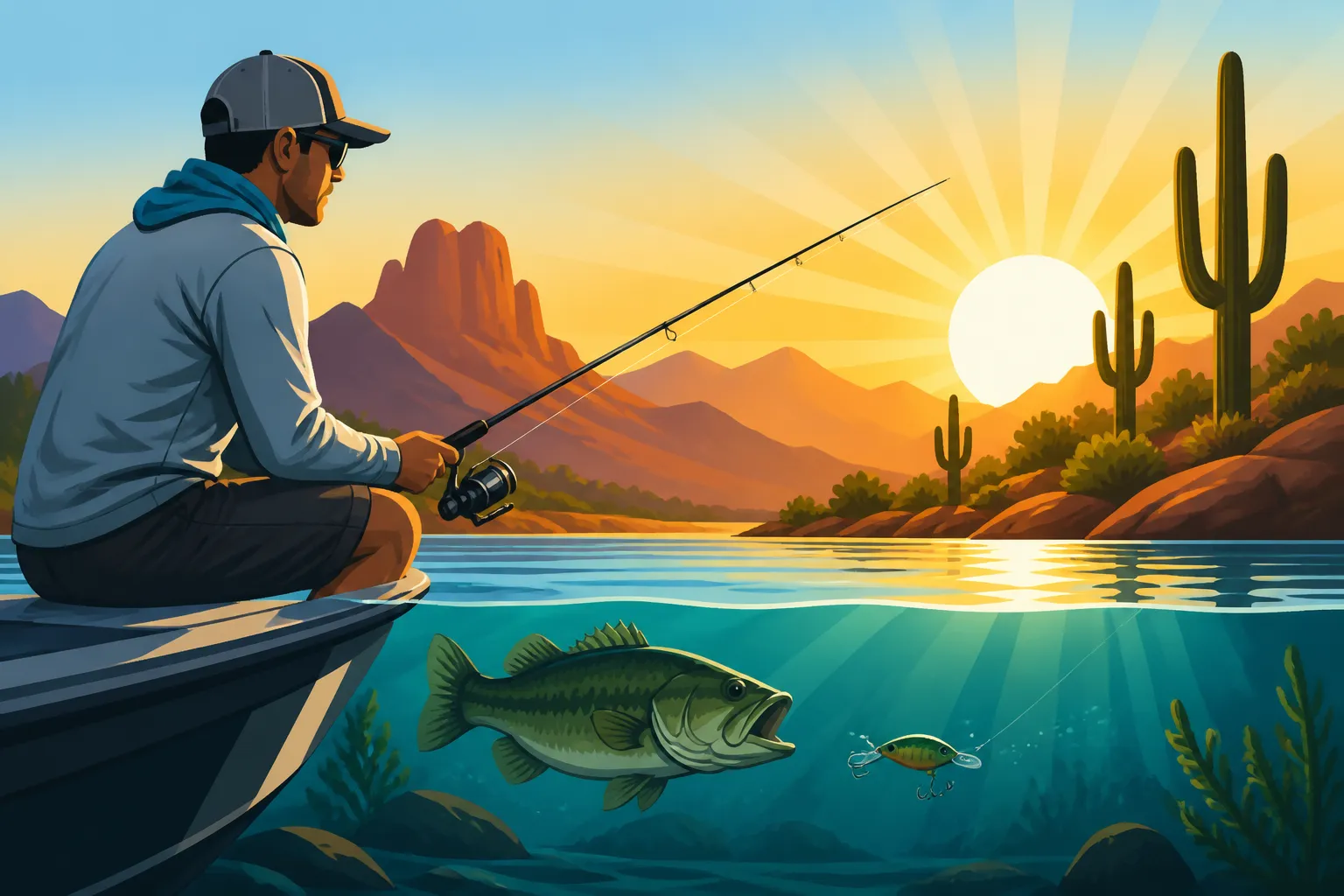
Think about it: waking up before the sun has even thought about making its appearance might seem like a drag, but trust me, it's a game-changer. For us anglers, it means comfortable temperatures, a gentle breeze, and no immediate threat of sunburn that comes with midday exposure. You can focus on your cast and technique rather than sweating through your shirt or constantly rehydrating.
But it's not just about our comfort. Fish, especially those prized game fish like bass and stripers, are highly sensitive to water temperature and dissolved oxygen levels. As the Arizona sun bakes the surface, water temperatures climb rapidly, and dissolved oxygen levels can drop. This makes fish lethargic and pushes them deeper, often suspending or burying themselves in thick cover to escape the heat. In the cooler morning hours, the water is more hospitable, and fish are generally more active and willing to chase a meal. You'll find them in shallower water, more accessible to shore anglers and boaters alike.
Capitalizing on Active Feeding Windows
Fish aren't just more comfortable in the cool mornings; they're also usually hungrier. Just like us, after a "night's rest," they're ready to forage. This creates a prime feeding window. Predatory fish, in particular, use the low-light conditions to their advantage, ambushing prey that might be less visible. This is when you can really hit a home run with active presentations.
Consider the behavior of baitfish. They often move into shallower water during the night to feed on algae and insects, making them easy targets for hungry predators as dawn breaks. When the sun gets high, these baitfish scatter or retreat to deeper, safer waters, and the predators follow. By being out there at first light, you're essentially intercepting the fish during their breakfast rush. This active feeding behavior is crucial for understanding Seasonal Movement Patterns of Arizona Bass and applying the right tactics.
Reduced Crowds and Peaceful Ambiance
Another often-overlooked perk of hitting the water early is the sheer peace and quiet. Most recreational boaters, jet skiers, and even other anglers are still cozy in their beds. This means less boat traffic churning up the water, fewer distractions, and a much more tranquil fishing experience. You can enjoy the solitude, the sounds of nature waking up, and the beauty of an Arizona sunrise over a calm lake.
Less pressure on the water also often translates to less pressured fish. They haven't seen a hundred lures cast their way by mid-morning, making them potentially less wary and more aggressive. If you're looking for an uninterrupted, meditative fishing session, those early morning hours provide a truly special opportunity that the hustle and bustle of midday simply can't match.
Essential Gear and Preparation for Arizona Mornings
Fishing in the Arizona heat, even in the morning, requires a bit more forethought than just grabbing your rod and a six-pack. Proper preparation isn't just about comfort; it's about safety and maximizing your chances for success. You wouldn't go hiking in the desert unprepared, and fishing is no different.
Hydration and Sun Protection: Non-Negotiables
Let's start with the absolute essentials. Even at dawn, the desert air is dry, and the sun will rise quickly. You might not feel hot, but dehydration can sneak up on you fast. Bring plenty of water. I'm talking more than you think you'll need. Insulated water bottles or a cooler full of ice and water are a must. Electrolyte drinks can also be a lifesaver, especially if you're planning a longer session.
For sun protection, think layers and coverage. A wide-brimmed hat is non-negotiable, and polarized sunglasses aren't just for seeing fish better – they protect your eyes from intense UV rays. Long-sleeved, lightweight, breathable shirts with UPF protection are ideal, even when it's "cool" out. Don't forget sunscreen for any exposed skin. You can find excellent deals on high-quality sun-protective clothing and hats on Amazon, making it easy to gear up before your next trip. Remember, a bad sunburn can ruin your whole week, not just your fishing trip. If you're planning to spend the full day, make sure to check out How to Beat the Heat Fishing in Arizona Summer for comprehensive tips.
| Essential Morning Fishing Gear (Arizona) | Why It's Crucial |
|---|---|
| Water / Electrolytes | Prevents dehydration in dry desert air, even when temperatures are mild. |
| Wide-Brimmed Hat | Protects face, neck, and ears from the rapidly rising sun. |
| Polarized Sunglasses | Reduces glare to spot fish/structure, protects eyes from harmful UV rays. |
| UPF Long-Sleeved Shirt | Blocks UV radiation, keeping you cooler and preventing sunburn. |
| High-SPF Sunscreen | Necessary for any exposed skin, reapply frequently. |
| Headlamp / Flashlight | Navigating in pre-dawn darkness, rigging tackle, finding gear. |
| Insulated Cooler | Keeps drinks, snacks, and any caught fish cool. |
| First Aid Kit | Essential for minor cuts, hook pokes, or heat-related issues. |
| Appropriate Footwear | Comfortable, non-slip shoes, potentially water-resistant. |
| Fishing License | Always have your Arizona Fishing License Guide accessible, even for a quick morning trip. |
Tackle and Bait Selection for Low Light
The low-light conditions of early morning often dictate different lure choices than midday. Topwater lures are often deadly during this time, creating disturbance on the surface that mimics struggling baitfish, making them irresistible to hungry predators. Think buzzbaits, poppers, and walking baits. Darker colors or those with a silhouetting effect can be particularly effective before the sun fully breaks. As the light intensifies, you might transition to more natural colors or those with flash.
For subsurface baits, consider lures that displace a lot of water or create vibration, like spinnerbaits and chatterbaits. These can be easily detected by fish in low visibility. If you're using live bait, minnows, worms, or cut bait can be incredibly effective when fish are actively foraging. Knowing Best Baits and Lures for Arizona Fishing can give you a significant edge. Ensure your terminal tackle, such as hooks and weights, is appropriate for your chosen bait and target species. For bass, specifically, having a range of colors and styles ready in your Essential Tackle Box Setup for Arizona Beginners will serve you well.
Lighting and Navigation: Getting There Safely
Since you'll likely be heading out before sunrise, proper lighting is crucial. A good headlamp will keep your hands free for loading gear, tying knots, and navigating to your spot. If you're launching a boat, ensure all your navigation lights are working and know the local rules for operating in low light. It's also a good idea to scout your fishing spot during daylight hours first, so you're familiar with any hazards or obstacles before attempting to navigate in the dark. For bank anglers, having a clear path to your spot and being aware of your surroundings (watch out for critters!) is paramount. Safety should always be your top priority, especially when fishing alone in the pre-dawn hours. Consider reviewing Night Fishing Techniques and Safety even for these early morning excursions.
Strategic Approaches for Early Morning Bites
Once you're on the water in those precious early morning hours, having a strategic plan will help you maximize your success. Fish behavior changes rapidly as the sun rises, so being adaptable is key.
Target Shallow Water and Shaded Areas
As dawn breaks, many fish species, particularly bass and crappie, will move into shallower water to feed. These areas warm up faster and often have more available forage. Look for flats, points, and coves. They'll also hug structures that offer shade – docks, submerged timber, overhanging trees, and canyon walls are prime spots. The shade provides a sense of security and a slight temperature reprieve, even if brief.
Cast your lures close to these shaded structures. Often, fish will be waiting in ambush just on the edge of the shadow line. As the sun climbs higher, observe how the shadows move and follow them. This "shadow fishing" can be incredibly effective. Consider locations with submerged brush or vegetation, which provide both cover and food sources. This tactic is especially potent at lakes like Lake Pleasant, where bass are often found near structure, and checking the Bass Combined Limit at Lake Pleasant can ensure you're fishing responsibly.
Topwater and Reaction Baits: Ignite the Strike!
The low-light conditions of early morning are absolutely prime for topwater fishing. The silhouette of a lure on the surface is highly visible to fish looking up, and the commotion it creates can trigger aggressive reaction strikes. Poppers, walk-the-dog baits, and buzzbaits can be incredibly effective. Cast them near cover or where you suspect fish are actively feeding, then work them with varying retrieves. Sometimes a slow, deliberate retrieve is best; other times, a faster, more erratic action will draw strikes.
Beyond topwater, reaction baits like spinnerbaits, chatterbaits, and even fast-moving crankbaits can be very productive. These lures are designed to provoke a strike, even from fish that aren't actively feeding, by tapping into their predatory instincts. The flash and vibration can mimic fleeing baitfish, especially effective when fish are scattered or covering ground in search of a meal. For specific techniques, exploring Topwater Fishing Techniques for Bass can give you a lot of ideas for maximizing your morning topwater action.
Adapting as the Sun Rises: The Transition Game
The early morning bite won't last forever. As the sun gets higher and the temperature starts to climb, fish will begin to transition. They'll often move deeper, seek out denser cover, or head for cooler thermoclines if available. Your strategy needs to adapt with them.
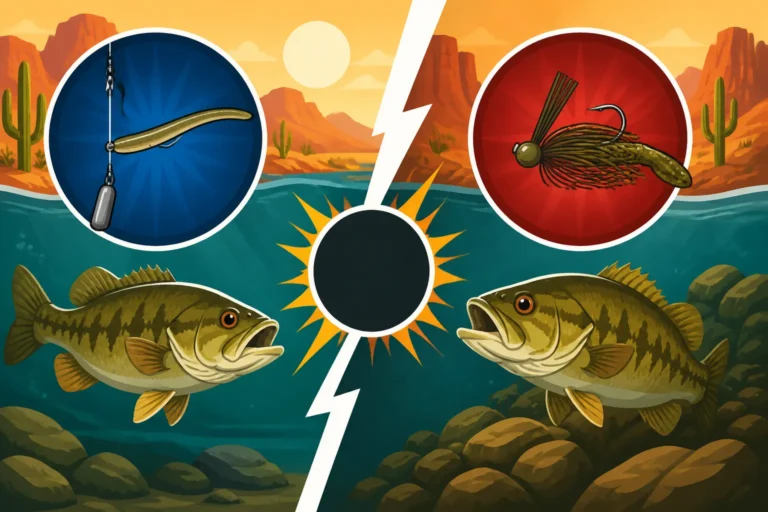
Start by moving from topwater and shallow presentations to subsurface lures. Jigs, Carolina rigs, and Texas rigs worked slowly along drop-offs, humps, and submerged structure become more effective. Pay attention to your fish finder if you have one; it will show you where the fish are holding. If you were targeting the shady side of a cove, now you might need to move to the deeper channel running through it. This adaptability is critical for continuing to catch fish beyond the initial morning burst. Understanding these transitions is key to successful Largemouth Bass Fishing Guide for Arizona in varying conditions. Eventually, as the heat becomes too intense, even the deep bite will slow, and it might be time to pack up and plan for another early morning session! Many of the Best Fishing Lakes in Arizona offer excellent morning windows.
Disclaimer
This article is for general informational purposes only and does not constitute professional advice. Laws, prices and regulations vary by location and change over time. Consult a qualified professional for guidance on your specific situation.